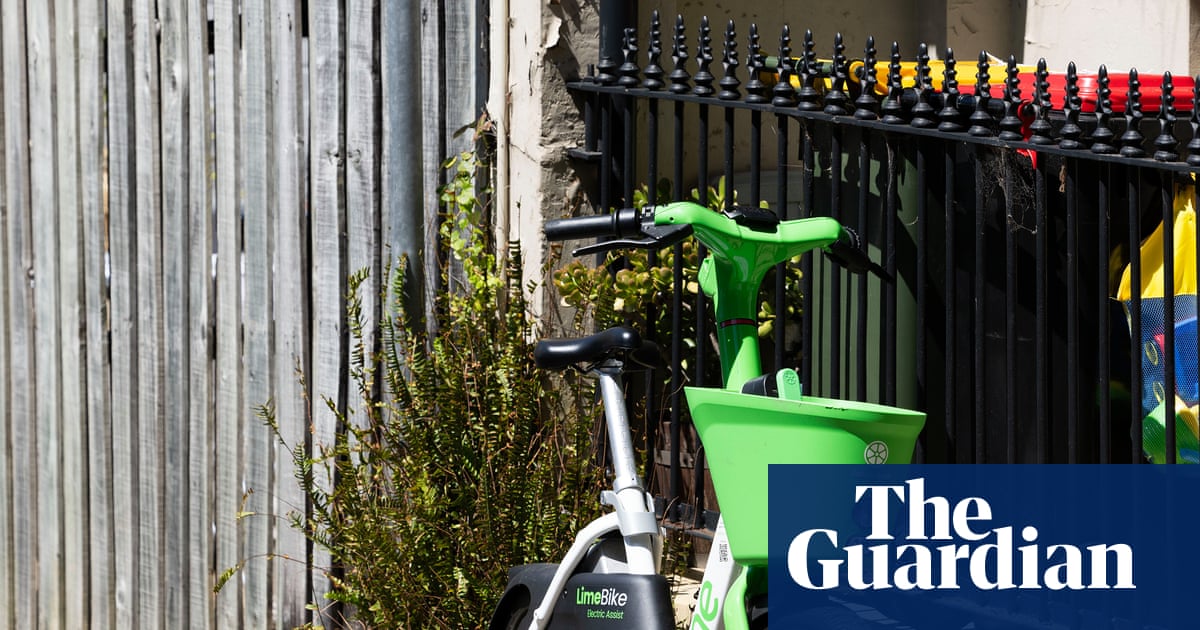
While Melbourne panics over e-scooters, Sydney has quietly doubled its fleet of rental e-bikes. As Nairobi looks to decarbonize its boda boda sector, the Australian experience offers a roadmap: two wheels are good, but the type of two wheels matters immensely.
There is a “moral panic” Down Under. In cities like Melbourne and Perth, rental e-scooters are being pulled from the streets, blamed for clutter, injuries, and general chaos. Yet, amidst this backlash, a different revolution is thriving in Sydney. The harbour city has seen rental e-bike usage nearly double in 2025, with operators like Lime deploying thousands of units to a hungry market.
Why the difference? Safety and perception. E-scooters are seen as toys for the reckless; e-bikes are viewed as legitimate transport for the commuter. This distinction is critical for cities like Nairobi, which stands on the precipice of its own e-mobility transition.
The Sydney Model: Regulation over Ban
Sydney effectively banned e-scooters from public roads, creating a vacuum that e-bikes rushed to fill. The result is a more orderly, safer micromobility ecosystem. “You’ve had moral panic, which has caused some local governments to overreact,” says industry consultant Stephen Coulter. But Sydney’s stability proves that when the vehicle matches the infrastructure, the public buys in.
The city saw 3.7 million e-bike trips in the CBD alone in 2025. This is mass transit by another name. It reduces congestion, lowers emissions, and connects the “last mile” efficiently.
Nairobi’s Boda Boda Evolution
Bring this lens to Nairobi. Our boda boda sector is the lifeblood of the city, but it is chaotic, noisy, and polluting. The push for electric bodas is gaining momentum, driven by startups and government incentives. The Australian lesson is clear: Stability wins.
While Sydney rents bikes for leisure and short commutes, Nairobi uses them for commerce. However, the safety data from Australia—where e-bikes are involved in significantly fewer severe accidents than scooters—validates Kenya’s focus on motorcycles and e-bikes over the smaller, unstable scooters.
The Future is Silent
As Nairobi struggles with gridlock that costs the economy millions daily, the “Sydney Pivot” offers hope. It suggests that if you provide safe, regulated, and reliable two-wheeled options, people will leave their cars at home. The e-bike is not just a western fad; it is a congestion-busting tool.
We don’t need the “moral panic” of Melbourne. We need the strategic deployment of Sydney. If we can electrify the boda boda fleet and integrate it properly into our urban planning, Nairobi could move not just faster, but quieter and safer.