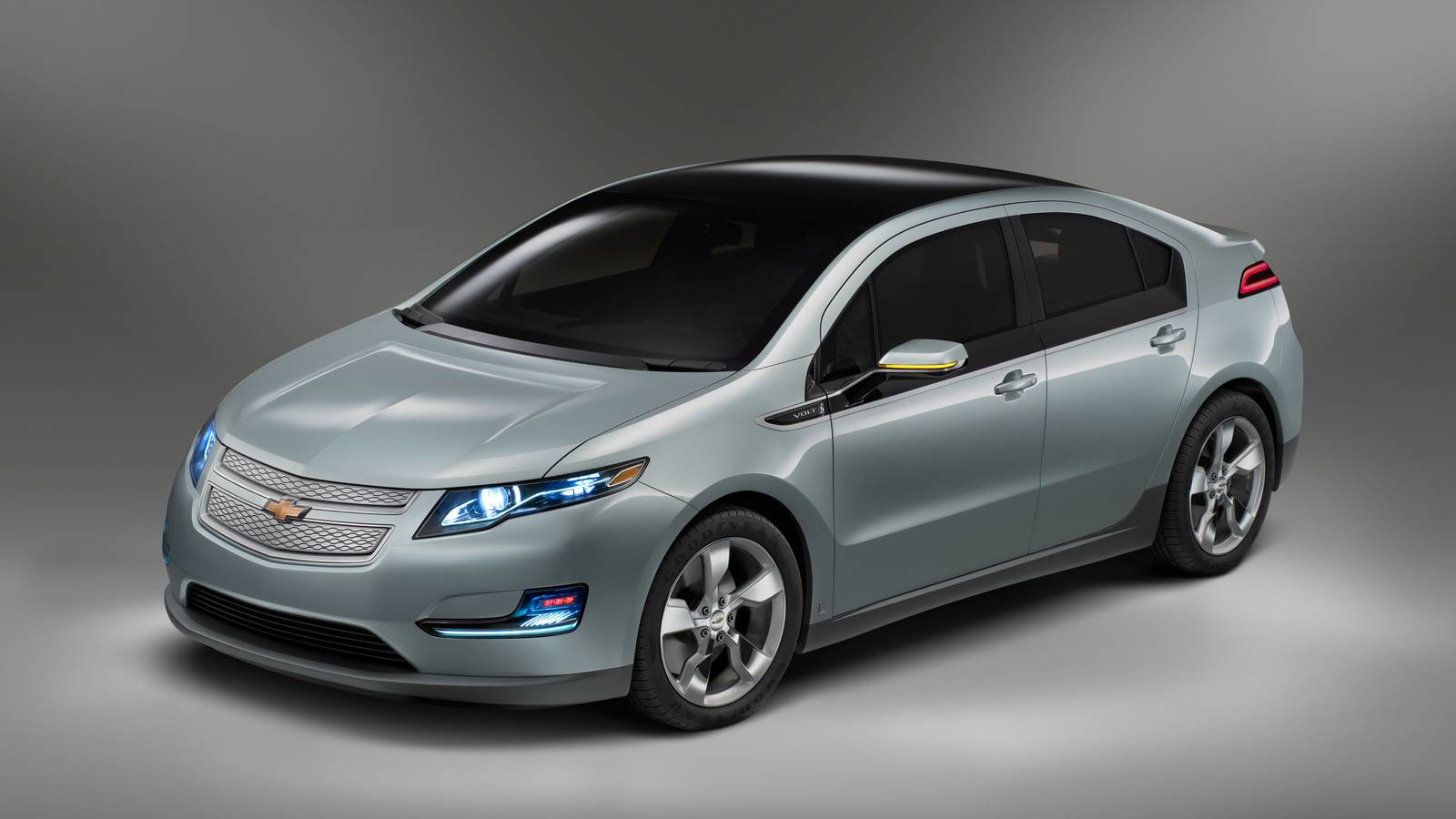
2011 was a strange year. The global population crested seven billion, Apple co-founder Steve Jobs passed away, and General Motors seemingly trapped lightning in a bottle. The advent of the Chevrolet Volt was just a notch in General Motors’ pioneership of electrification, but it was the biggest jump made by an American company to chart the choppy waters that was PHEVs—without it actually being one.
GM was on top of its game with the Volt, paving the way for more electrified vehicles and working on fuel-efficient powertrains based on notes from prior ideas. So, what happened to the most popular Extended-Range Electric Vehicle (EREV) to ever come from any car company? It was killed off. More specifically, its sales were cannibalized by another famous electrified Chevy that rendered the Volt irrelevant after just two years of selling alongside it.


Base Trim Engine
1.4L Inline-4 Plug-in Hybrid
Base Trim Transmission
Single Speed Automatic
Base Trim Drivetrain
Front-Wheel Drive
Base Trim Horsepower
149 HP
Base Trim Torque
273 lb.-ft.
Fuel Economy
35/40 MPG
Base Trim Battery Type
Lead acid battery
Infotainment & Features
8 /10


Find 2011 Chevrolet Volt and more cars for sale on our Marketplace

Pit Stop: What is an EREV?
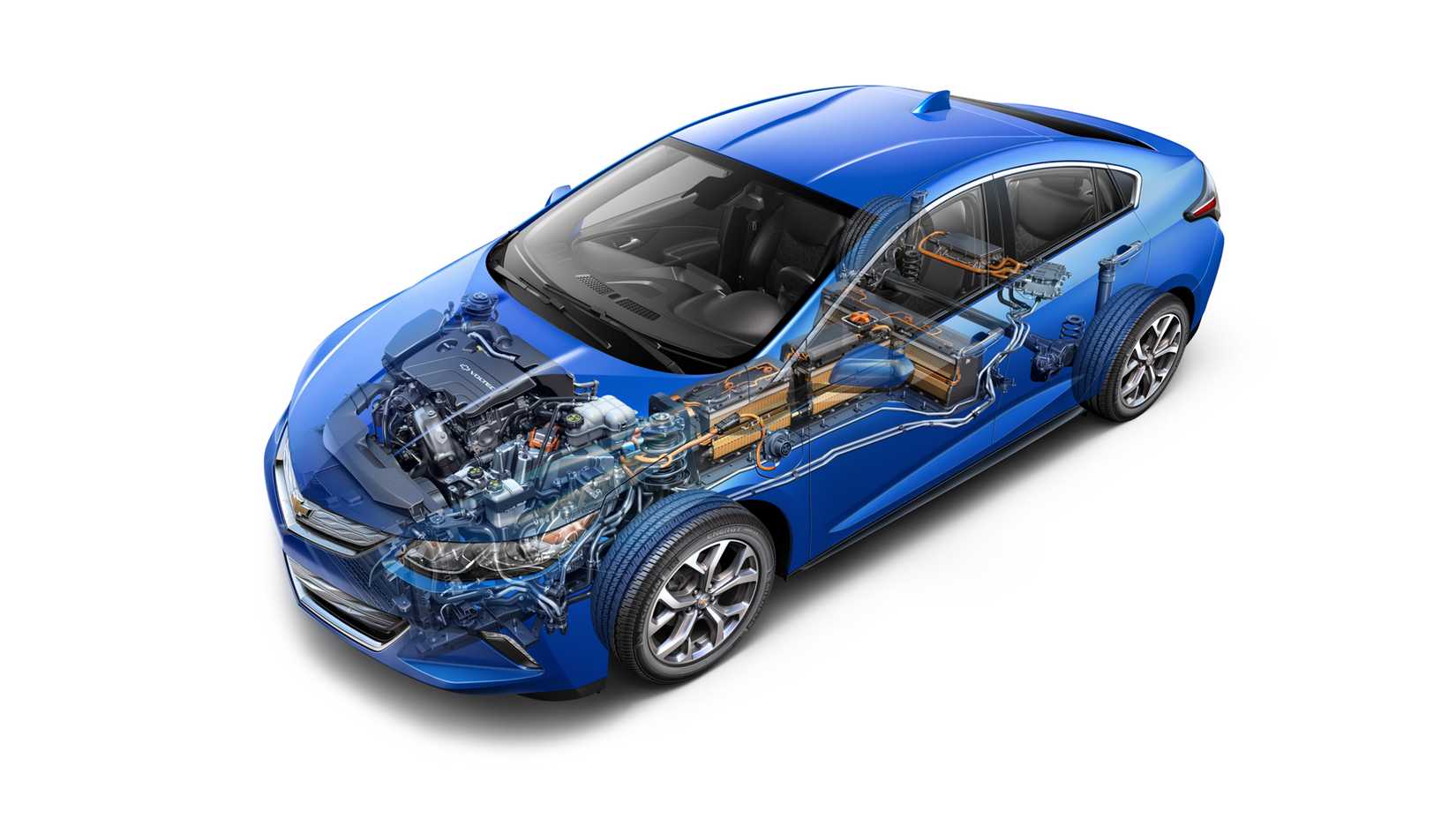
2017 Chevrolet Volt powertrain diagramChevrolet
An extended-range electric vehicle is any vehicle which utilizes a gasoline engine as a generator to power the electric motors that are connected directly to the drive wheels. Nearly every car that has both a gasoline and electric powertrain gets lumped into the plug-in hybrid category, which isn’t completely wrong, but it doesn’t tell the full story. A conventional hybrid has its engine and electric motor work in conjunction to drive the wheels, whereas an EREV uses an electric motor to drive the wheels with a gasoline engine acting as a generator to create electricity.
GM’s Previous Attempts at Electrification
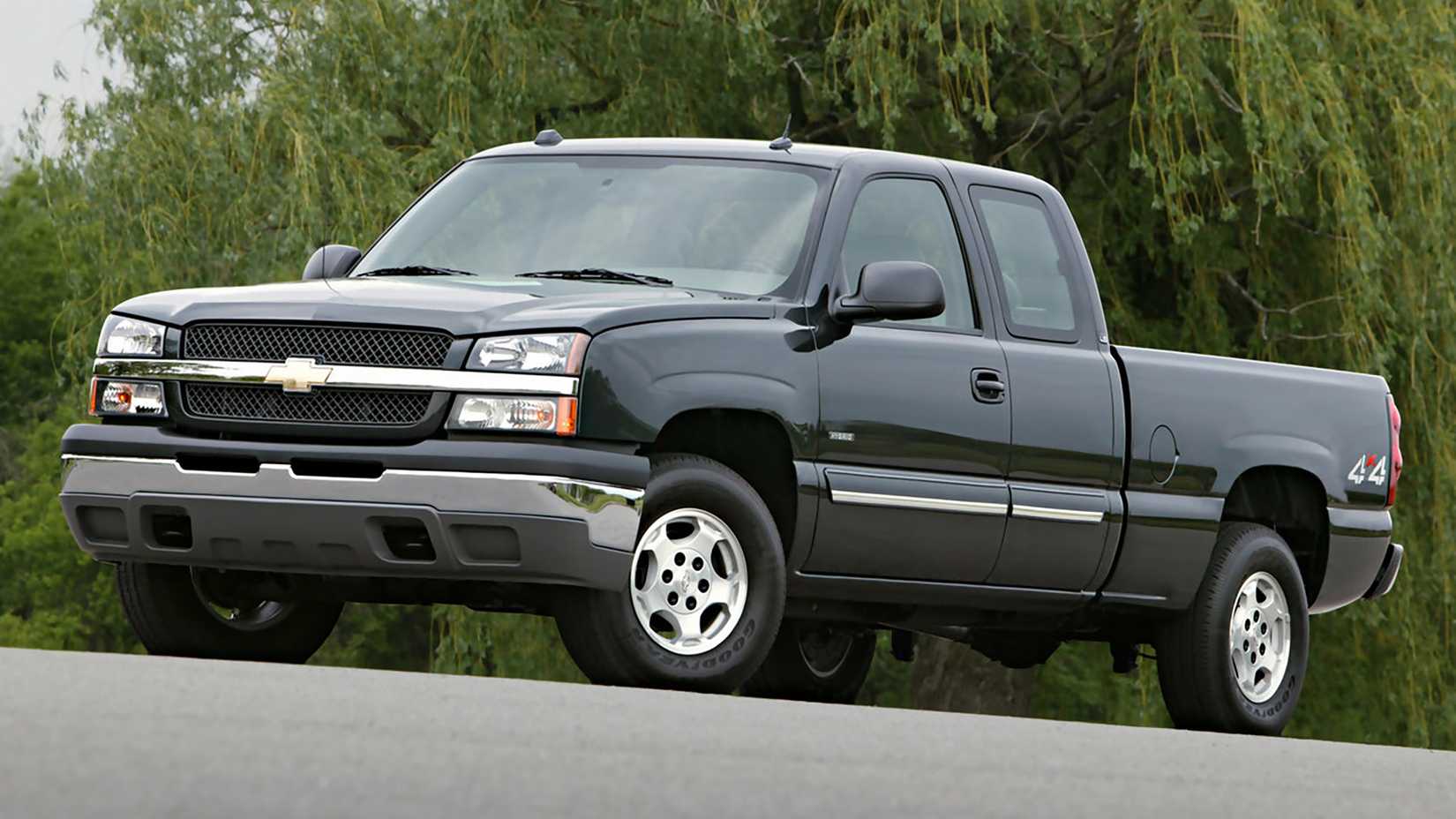
The 2005 Chevrolet Silverado Hybrid combines a 285-hp V8 engine with an 18-hp electrical motor, located in the gearbox housing. Truth be told, it wasn’t great.Chevrolet
One of the things that made the Volt such a standout compared GM’s past endeavors to introduce electrified cars was its authenticity to practicality. The Volt was a usable vehicle that held up in the real world compared to the company’s skunkworks of old. The GM EV1 pioneered electric mobility in the modern era, but drawbacks included its 20 feet of range and looking like it came out of a cereal box. Sure, it was a neat attempt to push an electric car to market, but it was developed at a time when gasoline was cheap enough to bring about the SUV boom just a few years later. The project was scrapped –along with a majority of EV1s – in the early 2000s and GM was pressed to find a practical application for its science project.
Related
GM Pulls The Plug On The Chevrolet Volt
It was once the future of GM. Now it’s in the past.
The Toyota Prius was launched in December 1997 but made no headway in the market, or in popular culture, until the second generation was released in 2004. Other companies scrambled to put a hybrid together and sell it to the Trader Joe’s – shopping professor movie stars that first adopted the Prius.
2019 Chevrolet Volt
Drivetrain
Front-Wheel Drive
Transmission
Single Speed Automatic
Horsepower
149 hp
Torque
294 lb-ft
GM saw the opportunity to enter this market and decided the best course of action was not to make a fuel-sipping, polar bear-friendly little car, but rather a pickup truck. It wasn’t the same kind of hybrid that we’re discussing today, but it still utilized an 18-horsepower electric motor inside the transmission to spin the flywheel at startup, making it one of the first mild-hybrid systems available on any production vehicle.
This journey into hybridization spread across GM’s portfolio, with the Chevy Malibu and Saturn Aura sharing an unremarkable hybrid system that produced dismal fuel economy, but they weren’t the only ones failing to live up to the standards set by others. The Chevy Tahoe, GMC Yukon, and Cadillac Escalade could be optioned with the hybrid system found underpinning the second-generation of hybrid pickups developed by the company.
A 6.0-liter V-8 worked in conjunction with two electric motors and moved power to the wheels by way of a CVT, all in the name of raising the fuel economy just a smidge above the regular gas-only rigs.

Related
Extended Range Electric Vehicles: What EREVs Look Like In 2025
There are many different types of hybrids about – but an EREV might be the least talked about. This is all you need to know about range extenders.
A Quick Timeline of GM’s Electrified Offerings
1996: The EV1 is made available as a three-year, non-renewable lease to owners in select markets
2004: The Chevrolet Silverado can be equipped with a 48V mild-hybrid system
2007-08: The Chevy Malibu, Saturn Aura and Saturn Vue offer hybrid powertrains
2008-09: All three full-size GM SUVs offer hybrid variants
2011: The Chevy Volt goes on sale
Voltare: Italian Verb Meaning “To Turn Around”
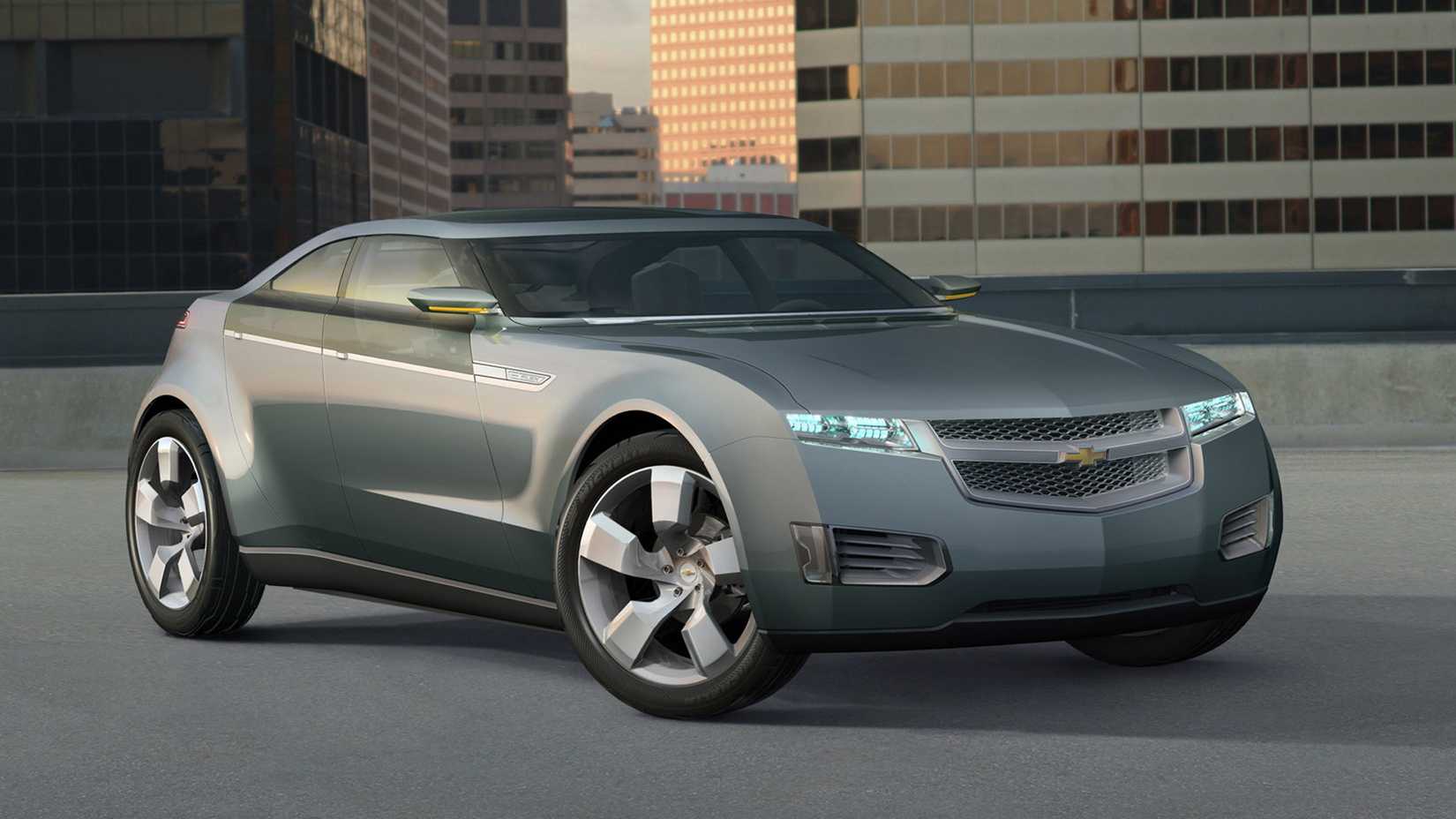
Chevrolet Volt Concept Front 3/4 ViewChevrolet
GM finally got the memo that it needed to get serious with its hybrids if it wanted a slice of the vastly growing hybrid market. It got to work and delivered a better application of a hybrid powertrain than ever before. The company coined the term “EREV” to describe the Volt’s powertrain, which drew attention to its non-conventional system of powering the drive wheels. All the attention garnered from the Volt was based on the novelty of its propulsion system, but also because of how practical the system was.
It received an estimated range of 35 miles by the EPA, which meant commuters hardly ever required the 1.4-liter 4-cylinder to crank over. Jay Leno even remarked on his show once how he only needed to fill the gas tank of his Volt once a year. Other notable owners of Chevy Volts include Matt Farah of The Smoking Tire YouTube channel and Kermit the Frog. Okay, the latter is a stretch, but in The Muppets, he’s seen putzing around Los Angeles in a refreshed 2016 Volt.
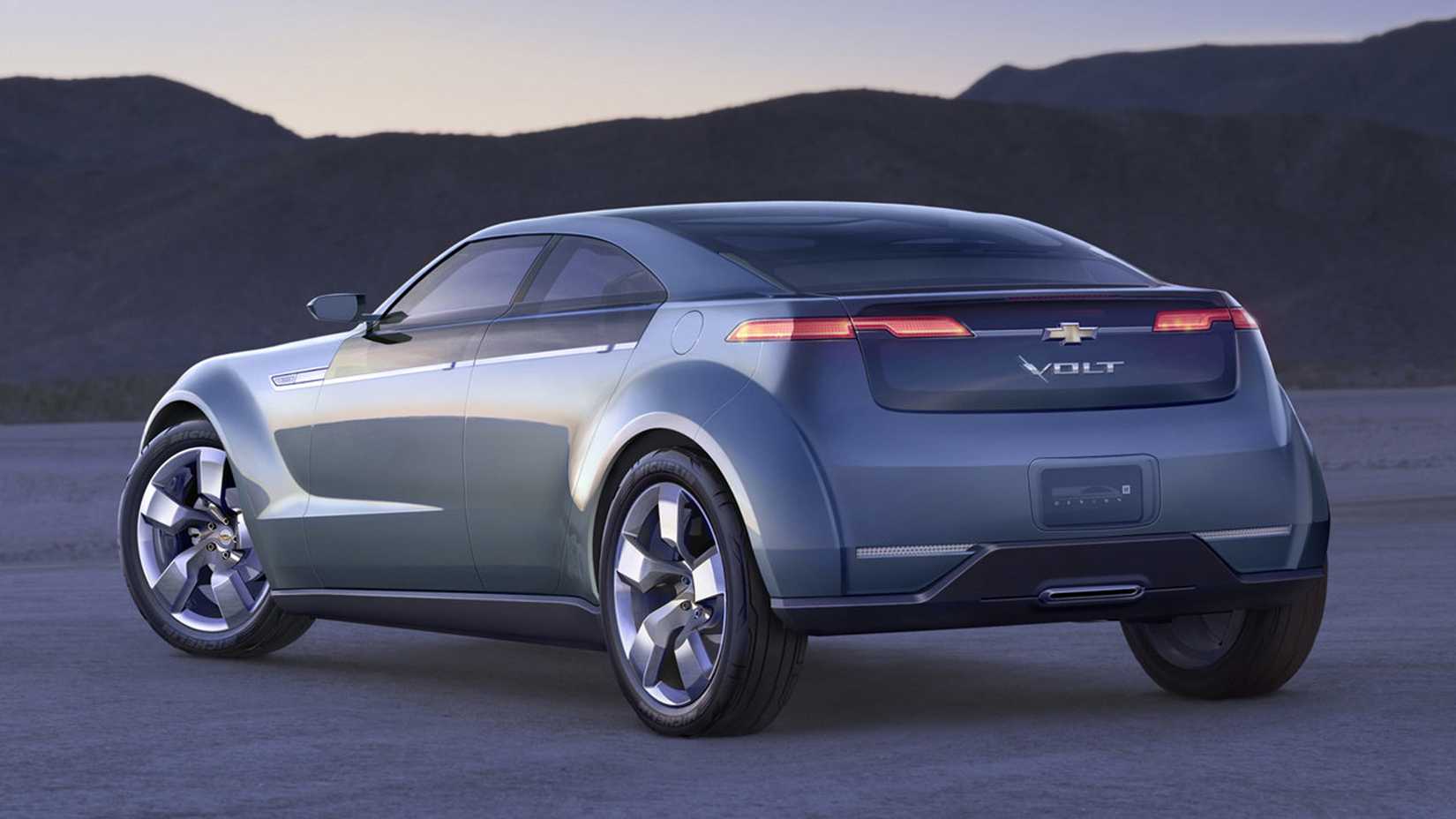
Chevrolet Volt Concept Rear 3/4 ViewChevrolet
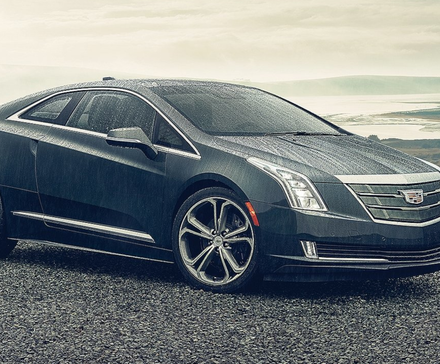
Soon after the Volt was announced, GM revealed plans for a new Cadillac coupe to ride on the same platform. The ELR was released for the 2014 model year and despite looking like a sleek concept car, it saw weak sales despite the Volt’s massive popularity. The plug was pulled on the ELR in 2016, with the Volt getting a refresh that same year. The EV-only range was upped from the original’s 25–30 miles to over 50 miles, bumping the total range up from 350 miles to nearly 420 miles on a full charge and brimmed tank.
Related
A Used Cadillac ELR Is Now An Amazing Used Bargain
The luxury eco-car is well worth a look.
From Volt to Bolt
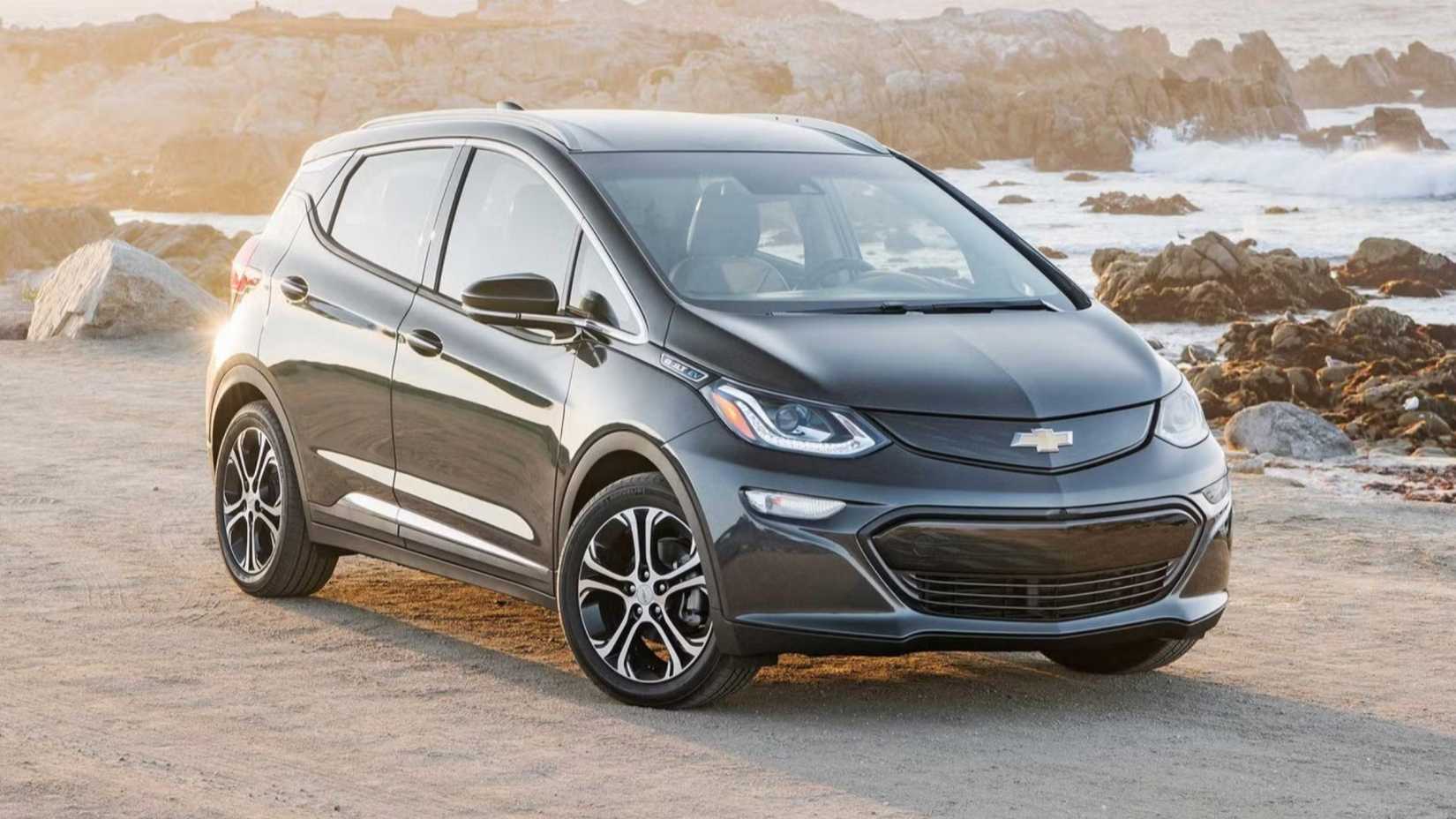
2017 Chevrolet Bolt EVChevrolet
Chevy released its second all-electric vehicle for the 21st century in 2017 with the Bolt, which received much higher praise than the Spark EV which lived from 2014-2016 and was sold in only three states. The Bolt, however, was sold everywhere and blew the Spark EV’s 83-mile range out of the water. Starting at $37,495, the Bolt offered 238 miles of range and was considerably larger inside than the Spark EV, as well as it’s hybrid sibling, the Volt.
People were already treating the Volt as an electric car, so when the Bolt came out with over four times as much electric range, the choice was clear. The Bolt outsold the Volt from its debut in 2017 all the way until the Volt’s end in 2019. GM was starting the shift from hybrid vehicles to fully electric ones, with big plans for even bigger vehicles to follow.
GM’s Blatant EREV-erence
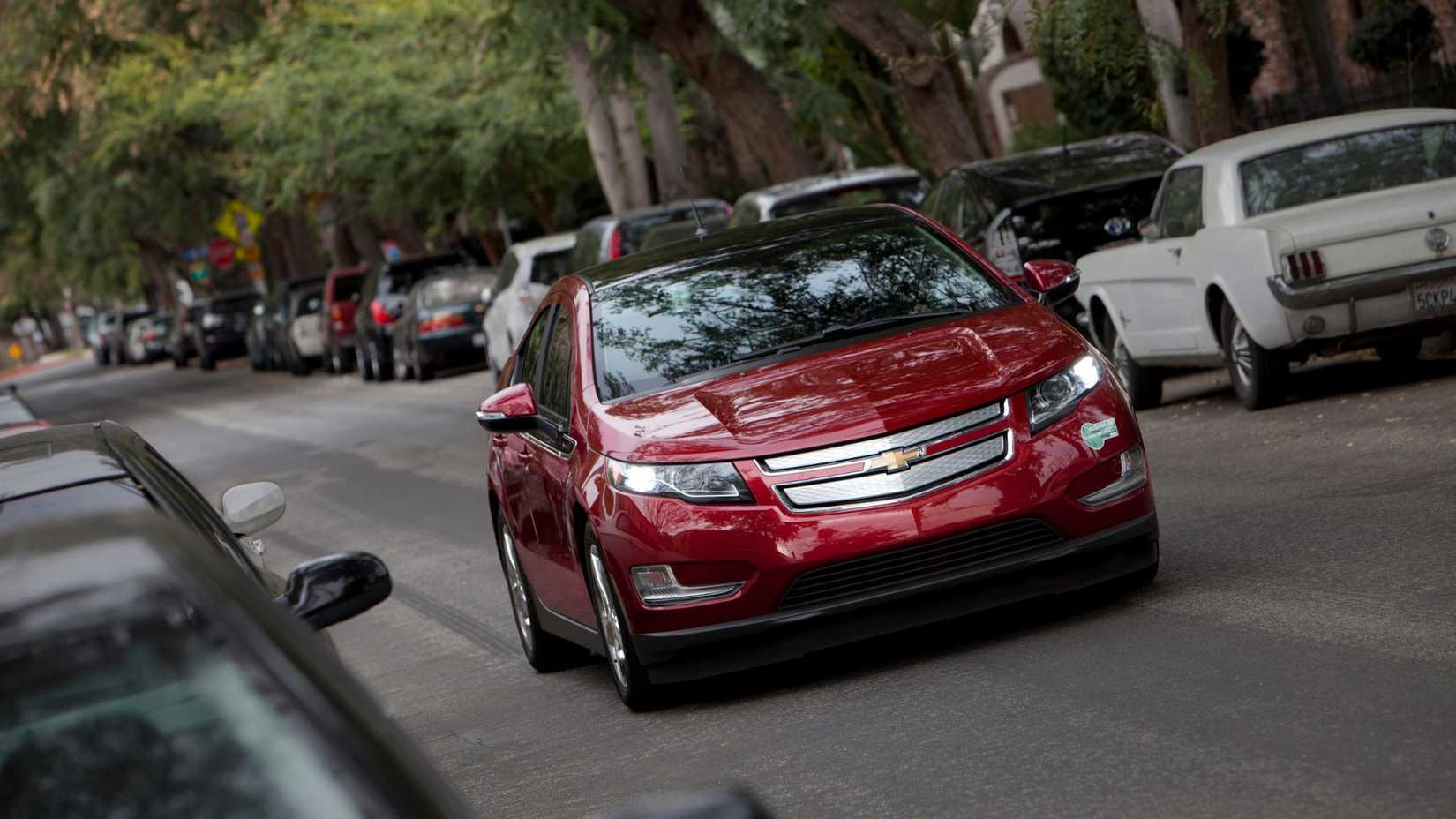
Front 3/4 profile view of the 2010 – 2015 Chevrolet VoltChevrolet
The back-and-forth of administrations on emissions in both the US and Europe has disrupted the automotive industry’s plans to develop new products. By 2020, companies were certain the future was all-electric, responding by building new factories and canceling plans to make more gas-guzzling engines. GM responded by scrapping plug-ins altogether in an effort to capitalize on the EV shift. When things got turbulent and priorities transposed, the other companies returned to the simpler approach of building hybrids while GM says it will stay the course. The Bolt would only take a short hiatus as GM shifted to a new battery architecture to build the first batch of electric vehicles like the Hummer EV, Silverado and Sierra EV, and Cadillac Lyriq.
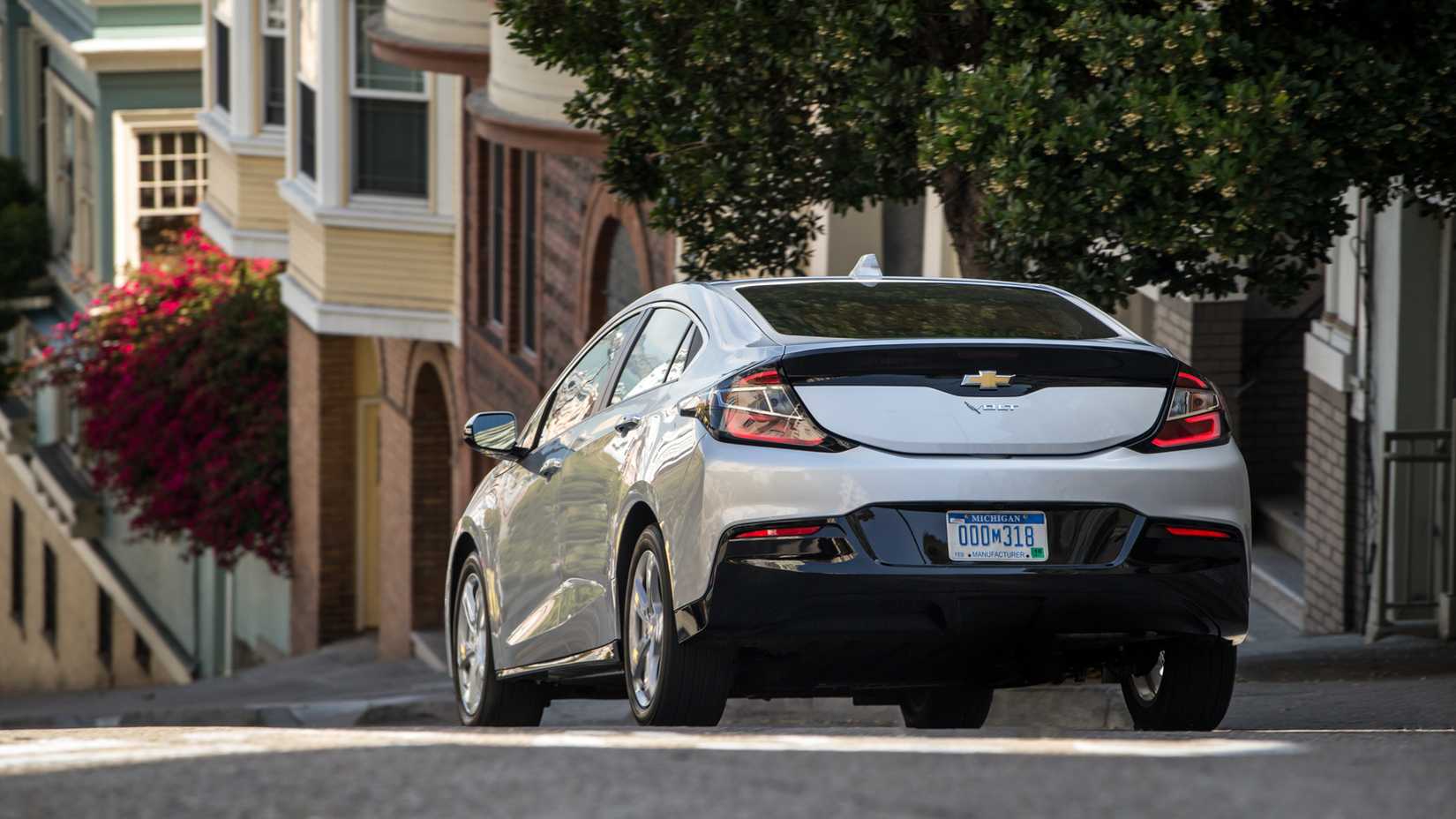
2017 Chevrolet VoltChevrolet
The Bolt has returned for 2027 riding on GM’s new Ultium platform and keeping up its appearance as one of the cheapest ways to enter the EV market. Whether or not the Volt will make a comeback is still undecided, but the push towards hybrids across the industry prophesies the return of GM’s prodigal son. The company has said its working on PHEVs for the North American market, so all that’s left is to see if lightning can strike twice after being bottled once before.
Sources: GM Authority, Chevrolet, Jalopnik