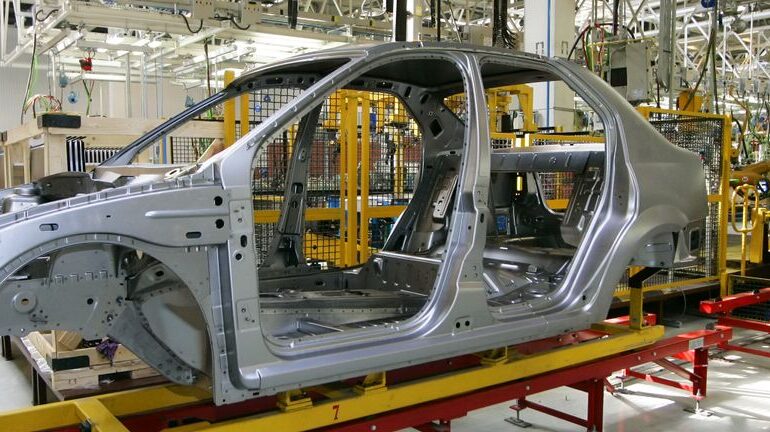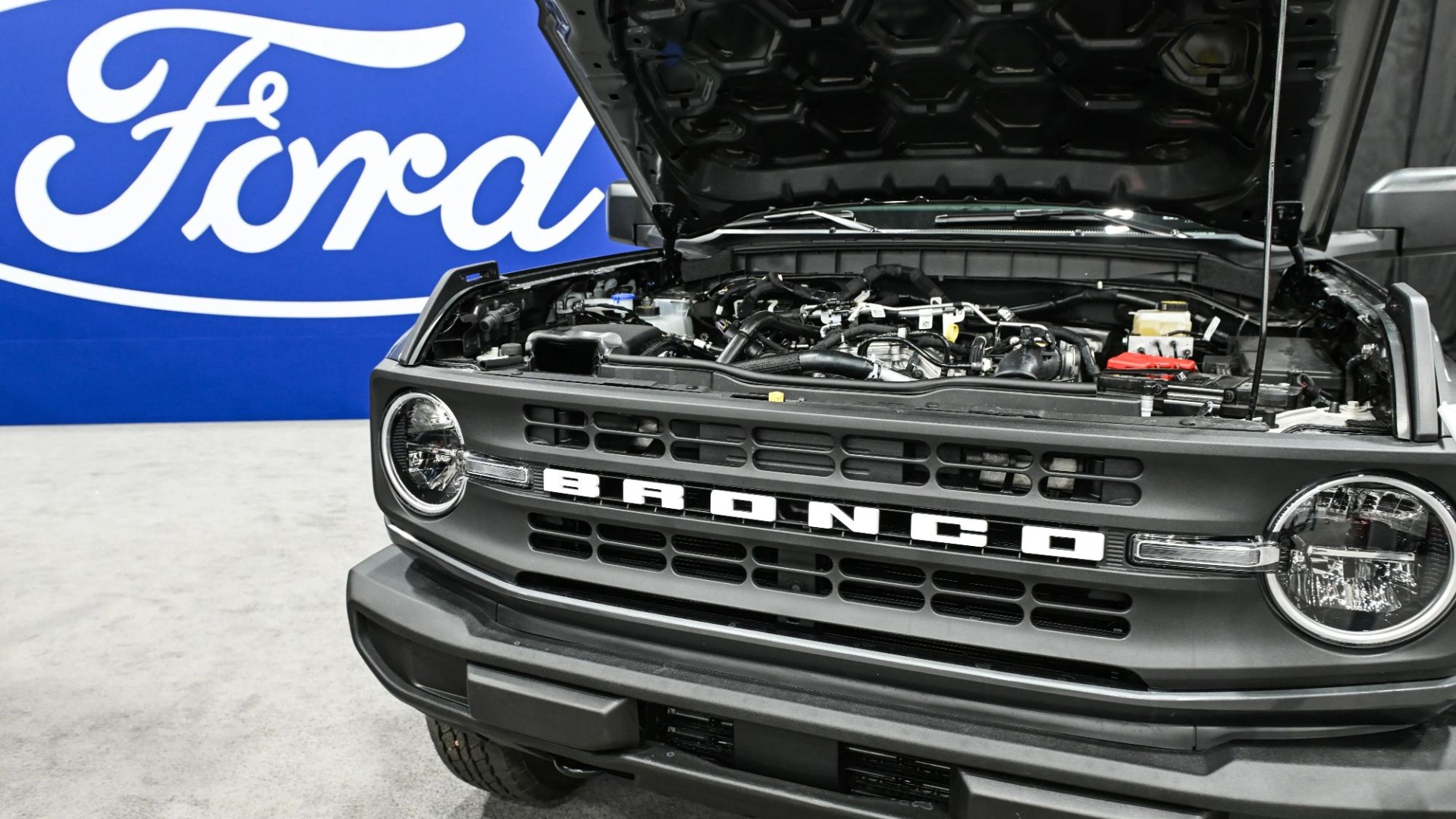
JUST four months after products started rolling off the production line, Ford has shut down a major factory leaving 1,600 out of work.
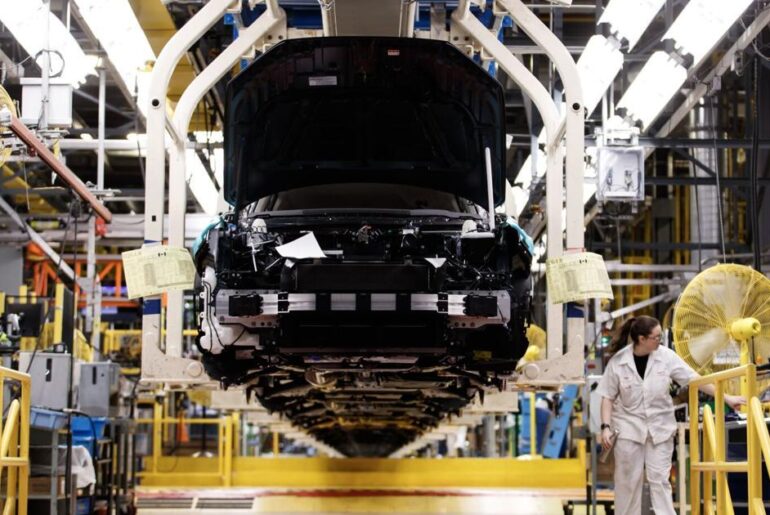
An electric vehicle battery factory in Glendale, Kentucky, was borne out of a partnership between Ford and South Korean battery manufacturer SK On.
Sign up for The US Sun newsletter
Thank you!
The BlueOval SK facility in Glendale, Kentucky, has been shutdown and workers are lashing out at FordCredit: Getty
Ford has largely blamed Donald Trump’s changes to EV tax credits for the failure of the battery-making facility (stock)Credit: Getty
But despite promises of stable work and high-paying jobs, the $5.8 billion facility has been shut down just months after opening.
The 1,500-acre factory that opened in the summer of 2025 was set to take the electric vehicle industry by storm and boost Ford’s presence within it, instead, it now sits idle.
To make matters worse, the workers who have lost their jobs, are lashing out at the car manufacturer.
In December, Ford and SK On ended their partnership and Ford announced it was idling the factory as it changed its production from EV batteries to energy storage systems.
IN THE BIN
Virtually worthless vehicle scrapped by Honda and Ford after losing billions
FOOLED CAPRI
Ford Capri Review: Get used models from £273 a month on Sun Motors
As part of the move, the iconic motor company lashed out at President Donald Trump, largely blaming his policies for the facility’s failings.
Ford blamed a decline or slower-than-anticipated demand for electric vehicles for the closure, highlighting Trump’s policy in his Big Beautiful Bill to end federal credits for buyers of EVs.
The President ended the $7,500 tax credits for new EV vehicles and $4,000 credits for used models as of September 30, 2025, which Ford said upended its plans.
A spokesperson for the manufacturer said that the change in policy “significantly disrupted its long-term strategy” and is partly to blame for the closure of the site, the Daily Mail reported.
“BlueOval SK was originally intended to be a long-term endeavor, ‘[but] the realities of customer demand and the regulatory environment have evolved, particularly in the US.”
Democratic Kentucky Governor Andy Beshear also piled on the blame.
Why aren’t people buying EVs?
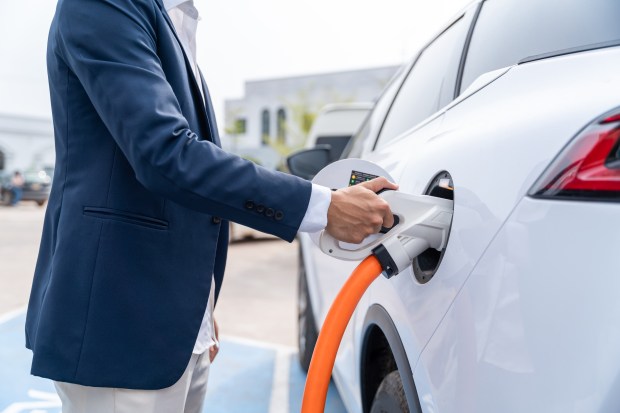
In January, many EV makers reported slow demand. Reuters said there are a few valid reasons for a slow in demand:
High initial costs. Many automakers, like Tesla, Hyundai, and Ford have conducted “price slashes” on their flagship EVs to attract new buyers, though demand remains slow.
Higher insurance costs. Some insurance companies cite fire risks, high costs of battery replacement, and higher vehicle weight as reasons for higher premiums.
Charging anxiety. A large percentage of people remain fearful of being in a situation where they won’t be able to charge if they run out of battery due to a lack of infrastructure.
Range anxiety. In many instances, EVs still don’t have the range and infrastructure of gas-powered vehicles.
Poor performance in extreme temperatures. Reduced range in extremely hot or cold weather makes potential buyers wary.
Source: Reuters
“Those are 1,600 Kentuckians that lost their jobs solely because of Donald Trump pushing that big, ugly bill, eliminating the credits that had people interested and excited to buy EVs,” he told the New York Times.
“I bet many, if not most, of them voted for him, and he basically fired them.”
Hardin County, where Glendale is, overwhelmingly supported Trump in 2024 with the Republican getting 64% of the vote.
Perhaps that is why many of the factory workers are not blaming him, but Ford itself.
They claim the plant’s failings go back to Ford’s initial approach to the EV market as a whole.
Some say it was too slow to get to it and failed to rival the likes of Tesla which surged quickly, leaving historic car makers like Ford stunned and on the back foot, per the Times.
While officials have lashed out at Trump’s Big Beautiful Bill, factory workers blame Ford for a disastrous approach to the EV market as a wholeCredit: Getty
“At the end of the day, whatever the government policy would be, the company made the decision,” said factory worker Derek Dougherty who has a three-year-old daughter and another child on the way.
Meanwhile, speaking to the Mail, Joe Morgan, a maintenance technician at the plant who took on the job for $38 an hour, says Trump and Ford are both to blame.
“Taking away the tax credits did play a little bit of a role in not selling EVs,” he said.
“But honestly, I think Ford made a bad decision when they came out with an F-150 they wanted to make all electric.”
Despite the factory blunder, Ford says the wheels are in motion for a new future for the space as it lays out a “reset plan” to axe high-priced EVs and bring back affordable cars.
The BlueOval site will reopen late this year or early 2027 as a separate subsidiary battery plant with over 2,100 jobs.
“BlueOval SK employees will have the opportunity to apply for jobs at the new Ford subsidiary once it begins hiring,” the company said.