China’s government is preparing to require domestic automakers to move key vehicle controls off touchscreen displays and back to physical buttons, according to Chinese media reports.
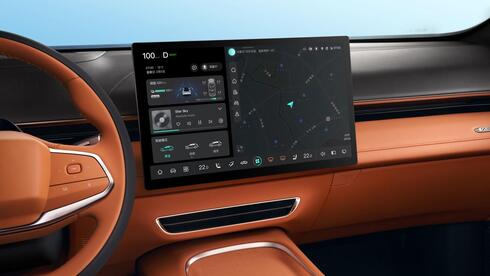
The move would mark a significant shift in a market where most locally produced vehicles rely on large central information screens to operate core functions. In many Chinese-made cars — including thousands currently on Israeli roads — the screen controls not only media and climate systems but also mechanical and safety features.
In some models, drivers must access the screen to perform basic actions such as shifting gears, a design critics say can distract motorists.
According to the reports, China’s Ministry of Industry and Information Technology has determined that several essential functions must in the future be operated via physical buttons or levers within easy reach of the driver. These include turn signals, gear selection, hazard lights and the eCall emergency service, which automatically contacts emergency responders in the event of a crash.
The proposed changes are part of a broader regulatory push. Chinese authorities are also preparing to ban “yoke”-style steering wheels — aircraft-like controls that are not fully round and resemble those offered in models such as the Tesla Model S. Earlier this month, regulators announced plans to prohibit hidden or retractable door handles, citing concerns that passengers could become trapped inside a vehicle in the event of a fire.
In global automotive terms, such changes may appear minor. But for major Chinese automakers that have designed entire product lines around pop-out door handles or minimalist dashboards without traditional gear selectors — as seen in vehicles such as the Tesla Model Y — the shift would require substantial redesign of multiple systems.
Beyond the technical adjustments, analysts say the government is signaling that an era of trend-driven design is coming to an end. While screen-based gear shifting and concealed handles may appear more advanced or fashionable to consumers, regulators argue that safety concerns outweigh stylistic considerations.
The planned restriction on screen-based gear selection is not about aesthetics, officials say, but about reducing driver distraction and preventing accidents. Authorities are preparing to standardize safety requirements across the sector based on those conclusions.
Industry observers note that in China’s highly competitive and fast-moving auto market — where manufacturers often adopt and replicate one another’s features — further regulatory conclusions could follow. If implemented, the changes are likely to affect future models exported abroad, including to Israel.