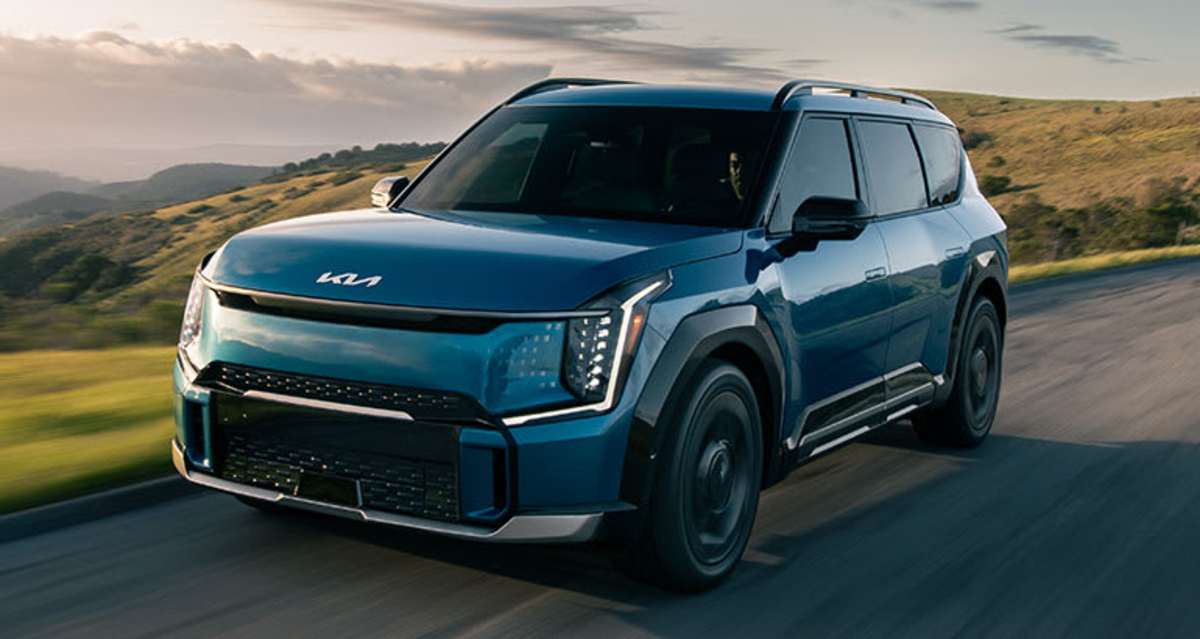
Some owners of Hyundai, Kia, and Genesis EVs told Consumer Reports that their vehicles wouldn’t charge and that their vehicles lost power while driving. “I love the car, but when the ICCU fails and it comes to a dead stop on the road, it is hard to want to keep it,” said one owner.
We heard similar stories from Corbin Lissabet, who runs the Hyundai Ioniq-specific YouTube channel The Ioniq Guy, in addition to a Facebook group for Ioniq owners and enthusiasts. He also says that complaints have increased now that the weather is colder across much of the country.
According to Hyundai, the issues are related to a transistor, known as a MOSFET, that could blow a fuse in the ICCU and keep the vehicle from charging the 12-volt battery. A Kia spokesperson told Consumer Reports that the problem is due to “thermal loading and transient high voltage.” Even though these cars are electric, their 12V batteries serve a similar function to the starter batteries in gas-powered cars and are separate from the high-voltage battery that powers the vehicle.
Both automakers say that software updates and parts replacements should fix those issues, but Consumer Reports’ data shows that hasn’t always been the case, with owners reporting multiple replacements on the same vehicle. Repairs can often take several weeks due to parts availability, and one owner reported a wait of two months.
Ioniq Guy Lissabet says that owners tell him the same. “Owners who received the software updates still experienced failures, and brand-new cars continue to fail,” he says. “Based on social media posts, some owners have already gone through three ICCUs in the few years the car has been on sale.”
Because a functioning ICCU isn’t required for DC fast charging, owners may still be able to charge at public chargers even if the on-board charger fails, but it’s only a temporary fix. “Eventually, the 12-volt battery will drain because it isn’t charging, and then the car will just power down while driving,” says Lissabet. “Many reports indicate people suddenly losing power in intersections and on the highway.”