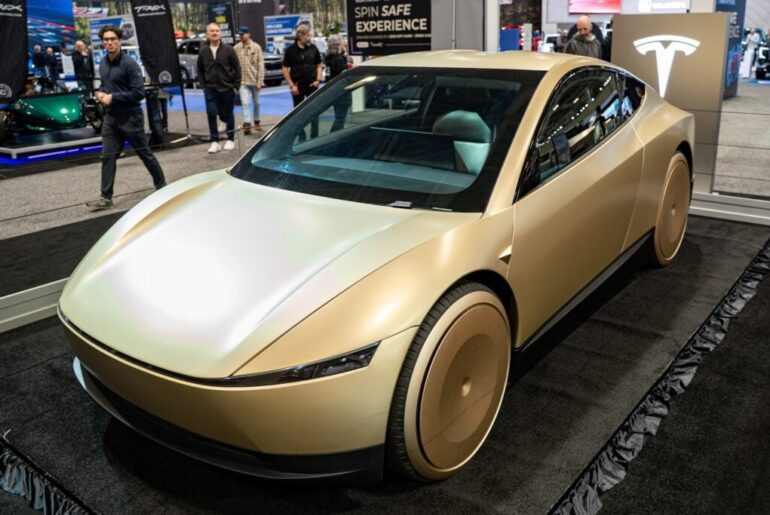
Tesla has been granted a 30-day extension by the U.S. Patent and Trademark Office (USPTO) to decide whether to formally oppose UNIBEV’s “Cybercab” trademark application, pushing Tesla’s deadline to March 14, 2026. The extension comes as Tesla prepares to begin mass production of the vehicle — whatever it ends up being called, in April.
According to USPTO Trademark Trial and Appeal Board (TTAB) records, Tesla filed the extension request on February 11, 2026, and it was granted the same day. The move signals that Tesla is not ready to walk away from the “Cybercab” name, but it’s also not ready to launch a full legal fight over it.
The trademark mess Tesla created
The entire situation traces back to a fundamental mistake: Tesla unveiled the Cybercab at its “We, Robot” event on October 10, 2024, and CEO Elon Musk name-dropped the product on stage, but the company hadn’t actually filed a trademark application.
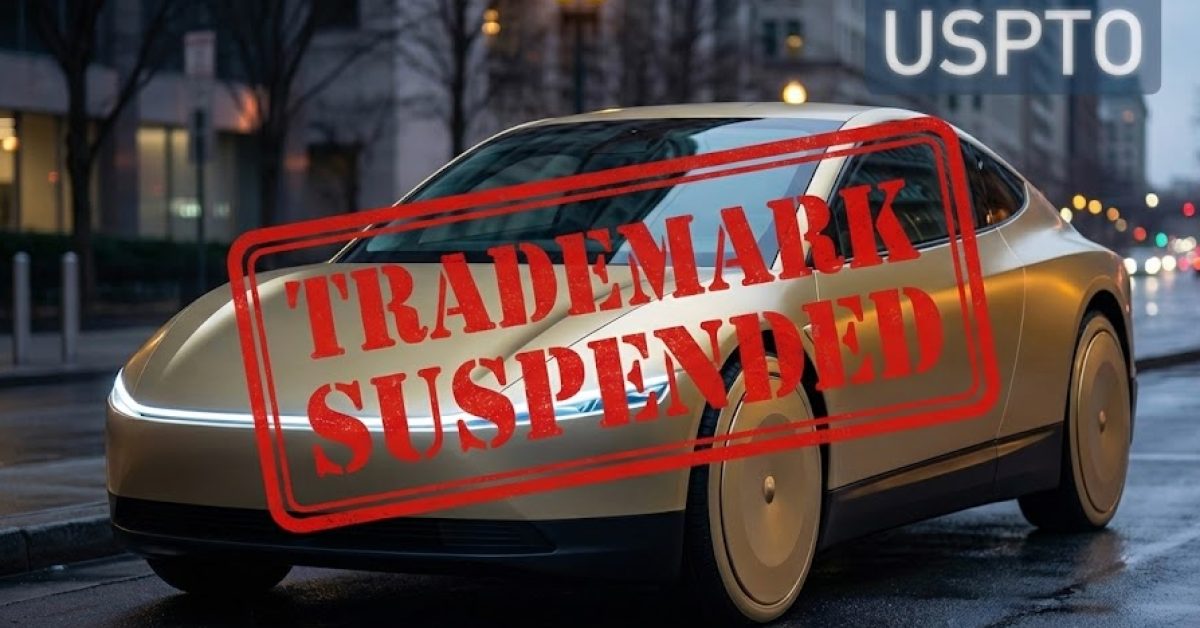
UNIBEV, a French beverage company that typically deals in hard seltzers, filed for the “Cybercab” trademark in the vehicle category on October 28, 2024. Tesla didn’t get its own application in until November 2024. Because UNIBEV filed first, the USPTO gave priority to the French company, and Tesla’s application was formally suspended as of November 14, 2025.
Advertisement – scroll for more content
UNIBEV is no stranger to capitalizing on Tesla’s branding habits. The company holds three trademarks for “TESLAQUILA” in the United States, the same name Tesla tried to use for its branded tequila. The company also holds a trademark for “Cybertaxi.” It’s a classic trademark squatting operation, and Tesla walked right into it.
Why the extension matters
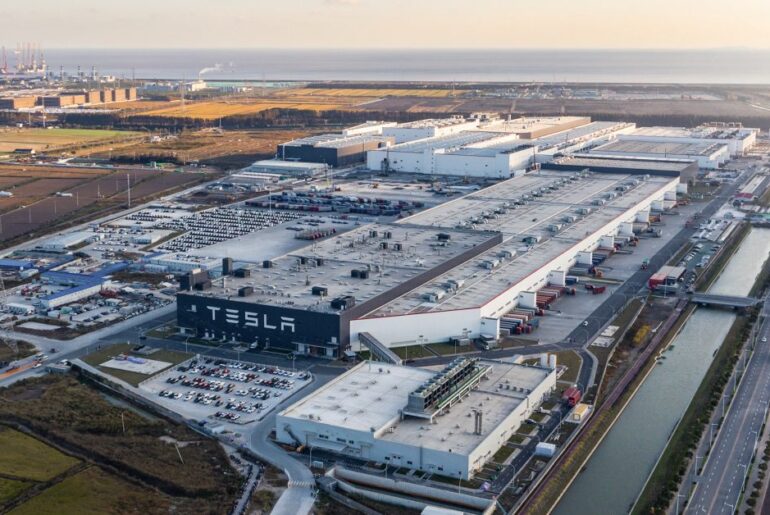
The 30-day extension to March 14 is a standard procedural move in TTAB proceedings, but the timing is critical. Tesla plans to begin mass production of the Cybercab at Gigafactory Texas as early as April 2026, and Musk has described the vehicle’s manufacturing process as closer to consumer electronics than traditional car manufacturing.
The company is now less than two months from its stated production target, and it still doesn’t own the name of the product.
Trademark experts point to three possible reasons behind the extension request: ongoing settlement negotiations with UNIBEV, a need to gather additional evidence before filing a formal opposition, or a deliberate strategy to drag out the process and pressure UNIBEV into a cheaper settlement.
A source familiar with the matter previously told Electrek that negotiations between Tesla and UNIBEV are underway, but no agreement has been reached.
The backup name problem
During the Q4 2025 earnings call on January 29, Musk floated “Cybercar” and “Cybervehicle” as potential alternatives to Cybercab. Tesla’s legal team panic-filed trademark applications for both names within 37 seconds of each other right after the earnings call.
Musk framed the potential name change as a regulatory consideration, noting that in certain states, the terms “Taxi” or “Cab” in a vehicle name could trigger regulatory obstacles. But experts believe the trademark dispute with UNIBEV is the real driver, and Musk’s public comments served two strategic purposes: to deflect attention from the ongoing dispute and to signal that the name is flexible, weakening UNIBEV’s negotiating leverage.
The problem is that the alternatives are not great either. The term “Cyber” is already associated with various registered trademarks in the automotive sector, and “Cybercar” is similar enough to UNIBEV’s “Cybercab” mark that it could trigger additional disputes. “Cybervehicle” is considered weak from a branding perspective, it’s long, generic, and commercially uncompelling.
Meanwhile, the USPTO already rejected Tesla’s attempt to trademark “Robotaxi” in May 2025, deeming it too generic. Tesla is running out of names.
Electrek’s Take
This is one of the most embarrassing branding failures I’ve seen in a while. Tesla is weeks away from starting production of a vehicle that it still can’t legally name. The fact that a French seltzer company is holding the cards here tells you everything about how Tesla handles its intellectual property these days.
Tesla is either trying to cut a deal with UNIBEV or hoping the pressure forces a cheaper settlement.
We think the most likely outcome is that Tesla pays UNIBEV for the trademark. The alternatives are all worse: “Cybercar” invites more legal trouble, “Cybervehicle” is a branding disaster, and “Robotaxi” was already rejected by the USPTO. The real question is how much UNIBEV will extract, and whether Tesla’s legal team will learn anything from this about filing trademarks before the CEO announces product names on stage. Based on the panic-filing after the earnings call, the answer is probably yes.

FTC: We use income earning auto affiliate links. More.