February 11, 2026
By Karan Singh
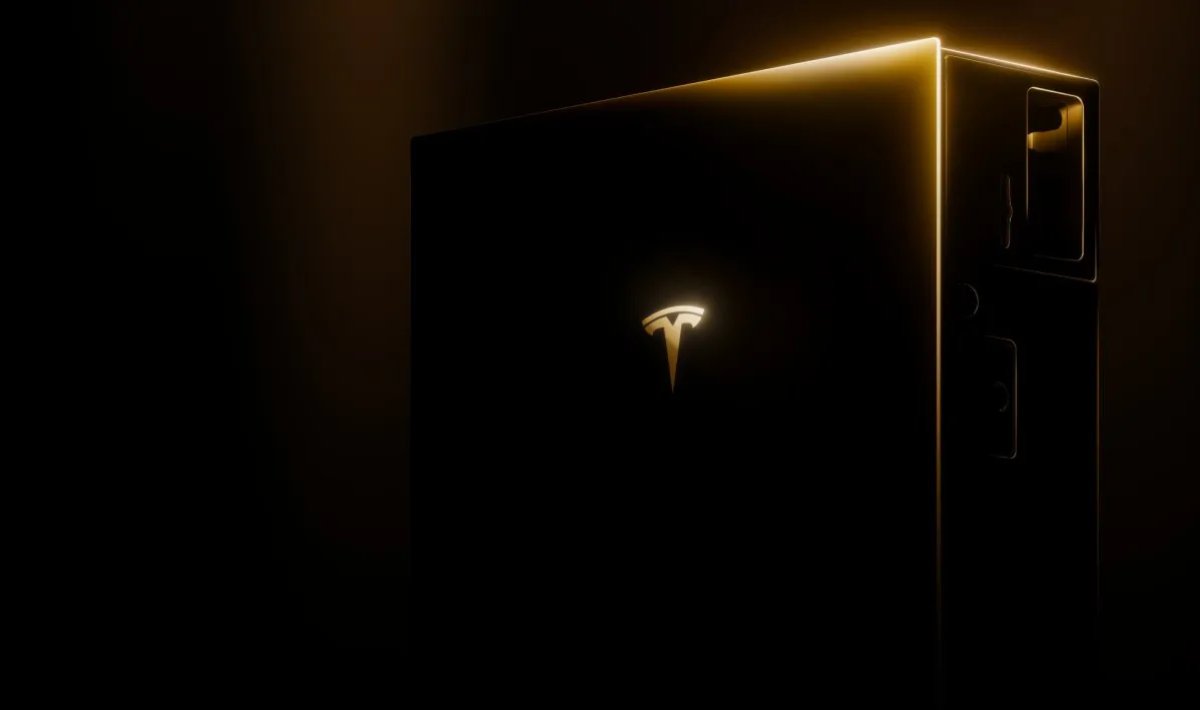
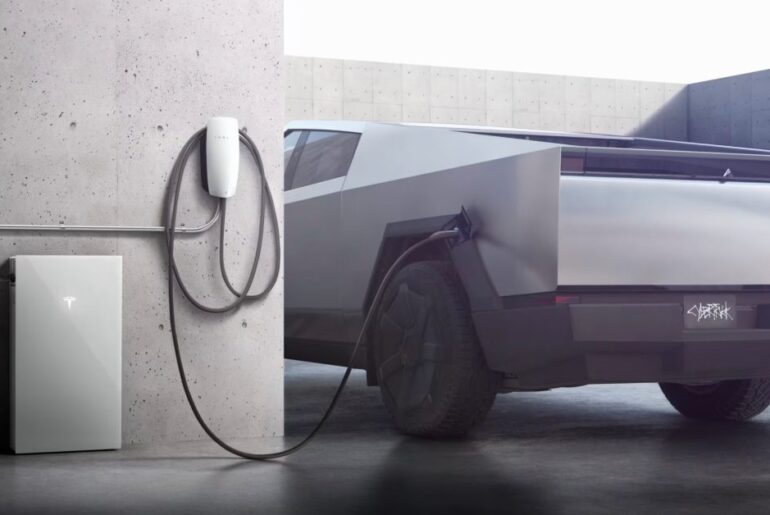
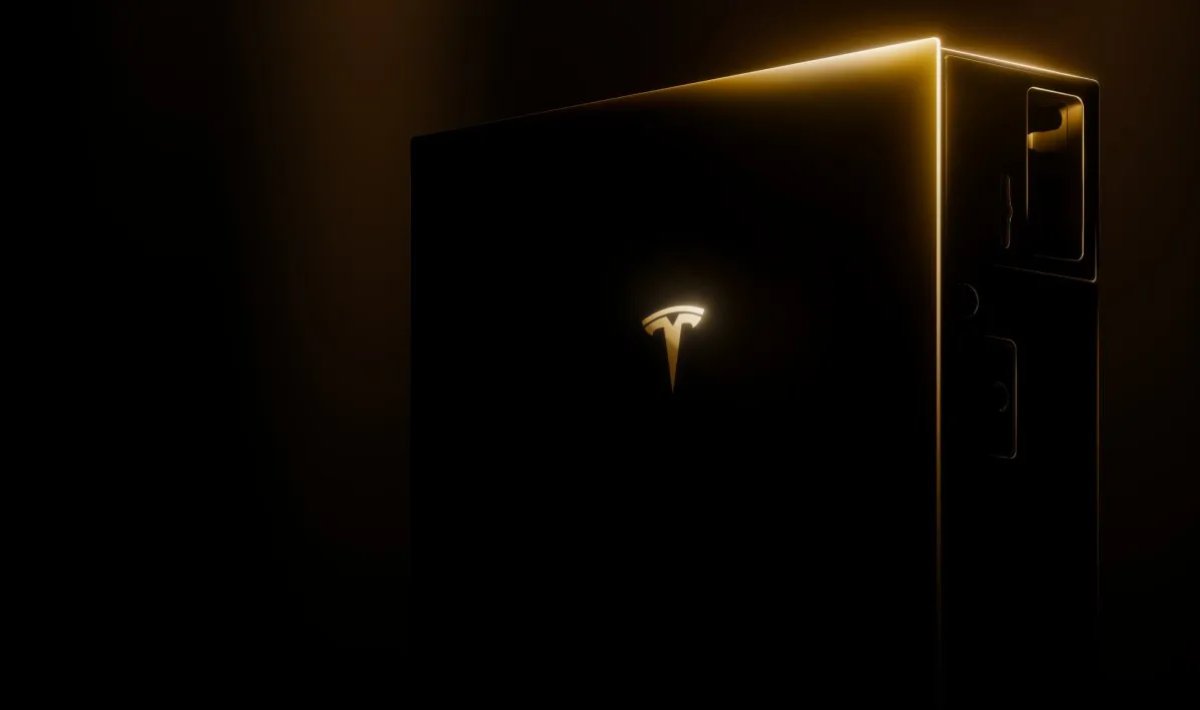
Tesla has officially confirmed the launch of the Powerwall 3P in Germany, a new variant of its Powerwall home battery backup designed specifically for Europe’s three-phase electrical grids. Tesla has launched a sign-up page for the product, which is launching in the near future.
While the standard Powerwall 3 (as well as the legacy Powerwall 2) has been available in select European markets, the Powerwall 3P addresses an infrastructure difference between North America and Europe: the prevalence of three-phase power in residential homes.
The Phase Problem
In North America, most homes operate on single-phase power. A single Powerwall can easily back up an entire home because all the circuits are on the same phase (or on a 120V/240V split-phase).
However, in Germany and much of Europe, three-phase power is the standard for residential properties. This allows homes to run heavy appliances like induction cooktops, heat pumps, and EV chargers much more efficiently.
Until now, installing a Powerwall in a three-phase home came with many compromises. Because the standard Powerwall is a single-phase device, it connects to only one of the three phases, L1, L2, or L3, leading to a pair of issues.
The first is phase imbalance. Grid operators often strictly limit how much power you can draw or export on a single phase if the other two phases are idle. A single Powerwall on L1 might hit or cause you to hit these regulatory limits long before it hits its own hardware limits.
The second compromise is power imbalance. In a blackout, a single-phase Powerwall can only back up circuits on its specific phase if your home is wired that way. Your lights (on L1) might stay on, but your heat pump (3-phase) or stove (L2 and L3) would not function.
To get true whole-home backup, European customers have often had to install three separate Powerwall units – one for each phase. That is a massive, expensive commitment for the average homeowner.
The 3P Advantage
The Powerwall 3P solves this issue by integrating a native three-phase inverter. Instead of stacking three units, a single Powerwall 3P can now connect to all three phases simultaneously. This allows it to balance the load evenly across each phase, run three-phase equipment directly from a single battery unit, and, most importantly, simplify the installation and regulation.
While Tesla has yet to release detailed specs of this unit, this is a great step toward expanding Tesla Energy’s footprint in Europe. By offering a one-stop box solution for 3-phase homes, Tesla is removing another friction point for European owners who want energy independence on a budget.
3P for North America
While the Powerwall 3P is intended for European consumers, it will also have some interesting uses back home in North America. Many businesses run on 3-phase commercial power, and the Powerwall 3P could simplify and reduce installation costs for businesses wanting simple and straightforward backups, without needing to step all the way up to the cost and complexity of Megapack.
Subscribe to our newsletter to stay up to date on the latest Tesla news, upcoming features and software updates.
February 11, 2026
By Karan Singh
For over a decade, Elon Musk has famously adhered to a single marketing philosophy: “Tesla does not advertise or pay for endorsements. Instead, we use that money to make the product great.” That rule has applied to more than Tesla; it has also covered SpaceX, The Boring Company, and xAI.
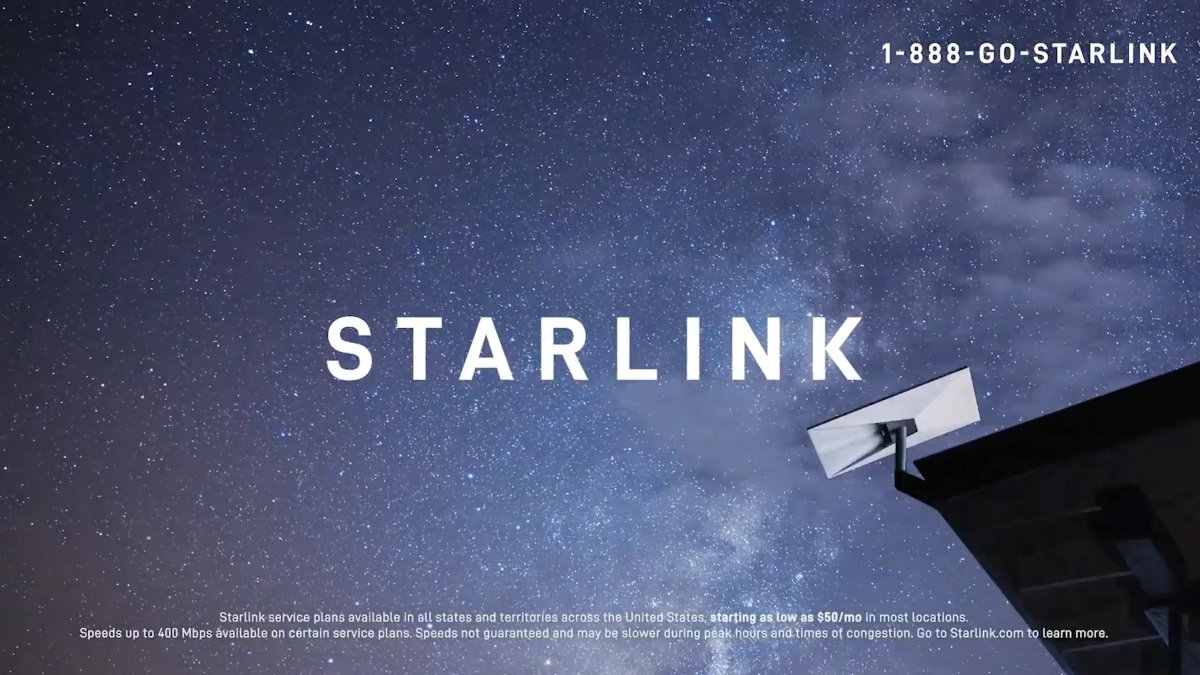
While Tesla has dipped into online advertising on YouTube and Google Ads, and more sparingly on Sunday, it went all out with a 30-second spot for Starlink. It was the first time an Elon Musk company has purchased traditional TV ad space on the world’s biggest stage.
Someone may have agreed with our opinion about PR.
Available Everywhere
The commercial itself was surprisingly conventional. Instead of focusing on Mars colonization, a lunar base, AI datacenters in space, or reusable rockets, the ad focused on a very simple item for many Americans watching the Super Bowl — the utility of Starlink.
The message was simple: tired of your current ISP? You can switch to Starlink in two minutes, and it’s available everywhere.
Starlink Super Bowl ad!
Affordable Internet anywhere. https://t.co/Q1VvqV5G0i
— Elon Musk (@elonmusk) February 8, 2026
That’s a drastic shift in the messaging that SpaceX has pushed for Starlink over the last several years. Early marketing targeted the unconnected people in rural areas with zero options, the adventurous, or the (aero)nautical travelers. Instead, this Super Bowl ad is squarely aimed at suburban and urban consumers who are fed up with legacy providers such as Comcast, AT&T, or Spectrum.
It changes the view on Starlink from a niche product for the wilderness to a mainstream utility provider.
Why Now?
The timing of this ad buy, estimated to cost $7 million for the slot, suggests that Starlink is reaching an era of maturity in its business model.
The easy customers, those with no internet or those who had a reason to subscribe, are already converted and signed up. Growth now must come from earning market share from entrenched cable and fiber monopolies that don’t always treat their customers well.
In addition, this is an obvious step ahead of SpaceX’s potential IPO after its absorption of xAI. Running a high-profile brand-building campaign is a classic move for a company looking to become a household name before it goes public.
Finally, it’s also a signal that SpaceX is confident in the constellation’s capacity. You don’t advertise to 100 million Americans on Super Bowl Sunday unless you’re sure you can support a massive influx of new users without speed or signal degradation.
The End of an Era
While Tesla has dabbled in paid marketing via Google Ads and social media spots recently, a Super Bowl commercial is a different beast entirely. It’s a sign that while Elon Musk’s companies are different and don’t conform to the conventional path of PR, they’re no longer just pet tech projects that can keep skating by without reaching out to the mainstream. Word of mouth only goes so far.
With SpaceX becoming a major global utility provider, it is time to play by some ground rules, at least in the public relations space. The No Ads era is starting to come to a close, and we might see the same with Tesla soon, too.
February 11, 2026
By Karan Singh
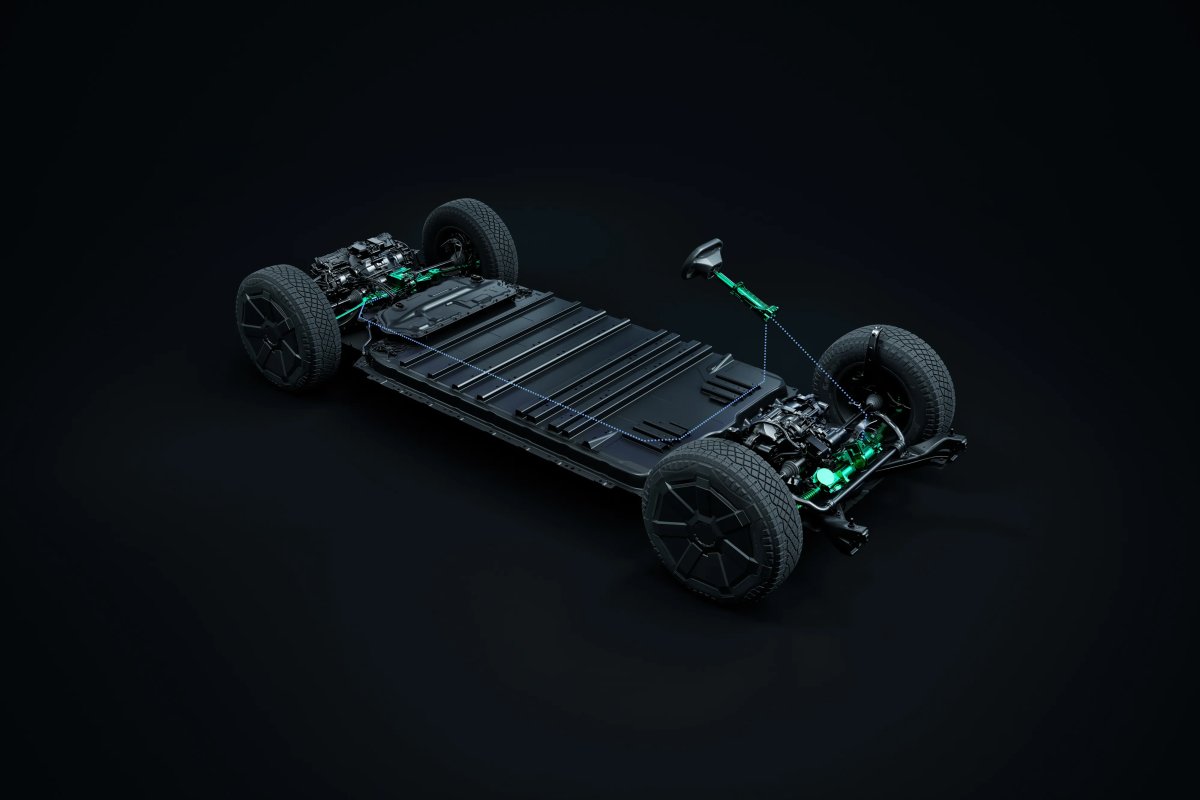
While much of the spotlight of the Q4 2025 Earnings Call was on Robotaxi, Optimus, and the end of production for the Model S and Model X, an interesting future direction was announced for Tesla’s last remaining flagship vehicle.
The Cybertruck was originally pitched as the ultimate apocalypse-ready consumer pickup vehicle, able to haul groceries on the streets or go far off the beaten path. However, Tesla appears to be pivoting its iconic triangle to serve as the backbone of its future autonomous logistics fleet.
CyberLogistics
During the investor Q&A, Elon Musk explicitly stated that the Cybertruck production line will eventually transition to a fully autonomous line focused on cargo delivery.
The logic behind the move feels dubious, but there’s a bit of thought behind it. The very features that make the Cybertruck so polarizing and such a fantastic vehicle for offroading – the unpainted stainless steel exoskeleton, dent-resistant durability, and full-size cargo bed with a tight turning circle thanks to four-wheel-steering also make it the perfect urban utility vehicle for last-mile logistics.
In this new role, the Cybertruck isn’t competing with the Ford F-150 Lightning or Rivian R1T for driveway space. Instead, it’s competing against the Ford eTransit and Rivian EDVs, but with one critical difference: no driver.
By removing the steering wheel, pedals, and driver-focused interior amenities, Tesla can reduce much of the remaining cost while leveraging a platform that is virtually immune to the dings, scratches, and abuse of commercial city driving.
No Controls, All Cargo
The transition will likely involve much more than a software update. It would involve updating the production line to build a no-control variant of the Cybertruck with potentially a different body for the rear. Instead of a truck bed,
Elon’s described use case is localized cargo delivery within a city. This perfectly fits into the Transport-as-a-Service (TaaS) ecosystem that Tesla is building. While the Cybercab and Robovan move people, the autonomous Cybertruck moves packages. It becomes a dedicated logistics robot, shuttling goods between warehouses and drop-off points without human intervention, leveraging the same FSD stack.
The stark contrast between today’s Blade Runner-esque marketing of the Cybertruck, focused on freedom and rebellion, and the stark new reality of a delivery van is… ironic.
The adventure vehicle that takes you where you want to go in safety appears to be taking a backseat to the ruthless pragmatism of Tesla’s new autonomy and AI-first strategy.
You can view Musk’s comment about the Cybertruck during the earnings call, which is cued up in the video below at the 35:35 mark.
A New Evolution
Ultimately, this move is likely being driven by data. With Cybertruck’s sales softening (with Tesla’s “Other Vehicles”, including the S/X and CT, down 48% in 2025), and the luxury pickup market saturating with other options like the R1T and Sierra EV, Tesla is choosing to not fight a losing battle for consumer market share.
Instead, they’re playing to the Cybertruck’s unique strengths – durability, volume, and maneuverability, along with FSD, to solve a different problem entirely. The Cybertruck may not become the ubiquitous driveway vehicle that Elon once predicted, but it might just become the most common delivery vehicle in a future autonomous city.