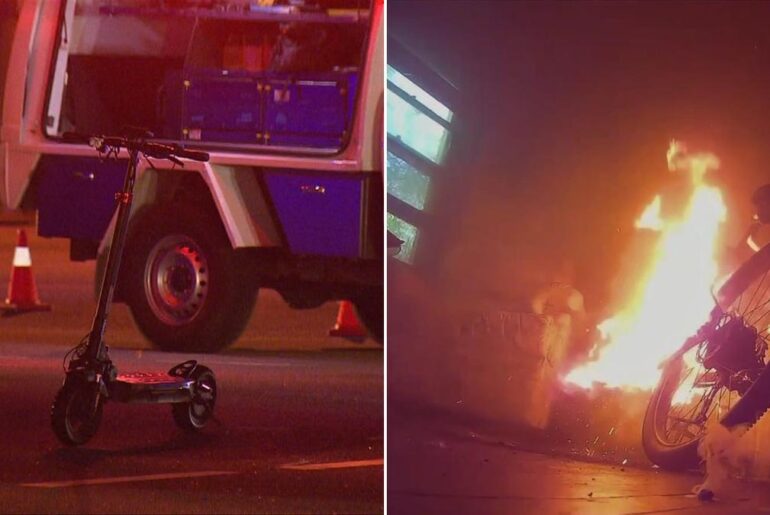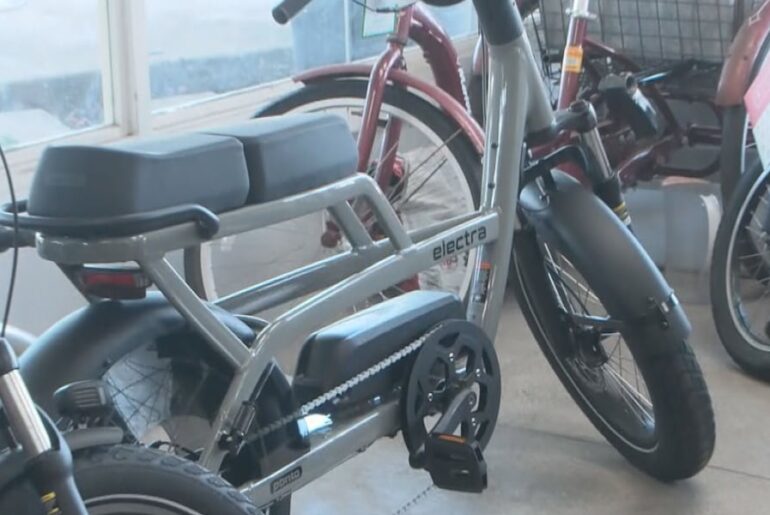
Sydney carpenter Xavier Sedger was in an induced coma for nine days after clipping the edge of a bus stop after a night out on an e-bike last year.
He does not remember the incident, but CCTV footage and medical staff were able to piece together the moments prior to his crash.
“I fell sideways straight onto my head and that took all of the force and left me on the ground for about 20 minutes, unconscious and bleeding,” he told ABC News.
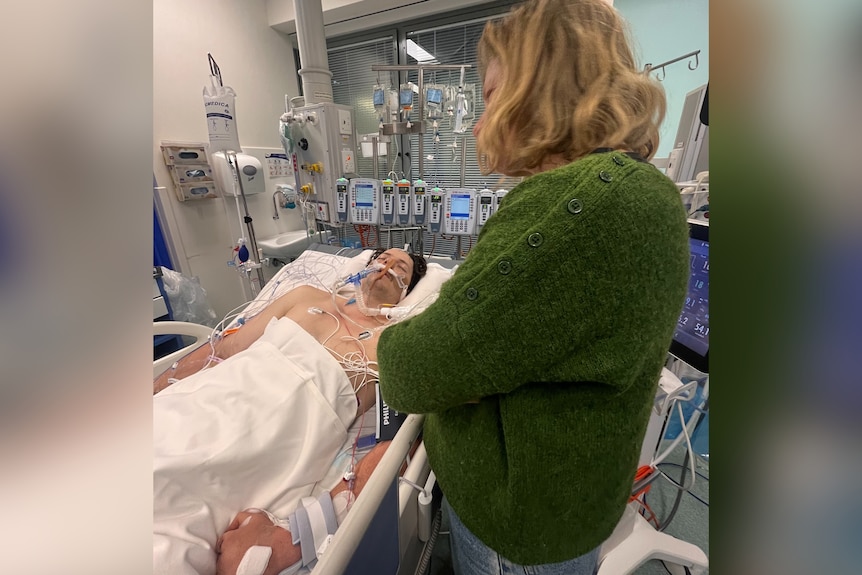
Mr Sedger has no memory of the incident. (Supplied)
“When I first woke up from the coma, it almost felt like I’d just been in this really deep sleep, but a deep sleep of nothing.
“Even though these [rental] Lime bikes seem pretty normal and safe, if you’re not wearing a helmet, and you’re intoxicated, they can be really dangerous, and in my case, a life-or-death situation.”
Mr Sedger is grateful things were not worse for him, but warns others to urge on the side of caution when out drinking and choosing transport options home.
“It could have gone really, really poorly for me,” he said.
“I could have woken up with a severe, permanent brain injury, or dead.”
‘It’s an epidemic’
Mr Sedger is one of a growing number of people to suffer injuries of his kind, with Sydney’s St Vincent’s Hospital releasing data showing the facility last year treated double the amount of injured patients from e-bike incidents compared with 2024 figures.
There were 200 people with e-bike injuries that required a trauma team response at the hospital’s emergency department last year, with 10 per cent requiring intensive care treatment.
More than half were admitted to hospital.
Just 43 serious e-bike-related injuries were reported to St Vincent’s Hospital in 2023.
The trauma team treats people for injuries including bone fractures, deep tissue wounds and severe head trauma.
Associate Professor Grabs says e-bike injuries can require weeks of treatment. (ABC News: Abubakr Sajid)
St Vincent Hospital’s associate professor Anthony Grab said serious e-bike injuries were becoming increasingly widespread.
“The reason it’s an epidemic is because we are seeing increasing numbers of people coming to the emergency department, and anyone that gets injured, it’s going to affect them,” he said.

Dr Grabs said a number of e-bike injuries happened at night. (ABC News: Abubakr Sajid )
“They can be there [in hospital] for days and weeks and sometimes six to eight weeks in hospital.
“A vast majority of these patients are preventable … one of the common patterns that we’re seeing is people getting on bikes at night time.”
E-bike crackdown planned
St Vincent’s director of trauma Tony Grabs said data suggested there were more hospital presentations related to e-bikes than regular bicycles, with injuries more severe because they often involve high-speed collisions with cars or fixed objects.
“More than half of the cases presenting to the St Vincent’s ED had self-reported speeds of more than 25 kilometres per hour,” he said.
Dr Grabs says the majority of e-bike injuries requiring hospital treatment are preventable. (ABC News: Keane Bourke)
The NSW government in December proposed a raft of new regulations relating to e-bikes on the same day a rider died after colliding with a garbage truck in Sydney’s CBD.
If approved, the changes would halve the maximum e-bike power output to 250 watts to limit speeds to 25 kilometres per hour and ensure the motor assists only when pedalling, rather than relying on a throttle.
The proposed legislation also included anti-tampering requirements to stop users modifying bikes for higher speeds.
“E-bikes are heavier and faster than regular bikes and many have been illegally modified to go even faster, which only increases the severity of the injuries,” Dr Grabs said.
Dr Grabs welcomed the proposals and hoped it would lead to fewer people in hospitals.
Growing popularity of e-bikes
Mr Sedger said part of the reason e-bikes posed a danger was because they were readily accessible as rentals.
“They’re everywhere,” he said.
“Most of the time you think they’re fine but a lot of them are littered without helmets, and they go pretty fast.
“When you’re riding one intoxicated, that sort of awareness of risk goes down.”
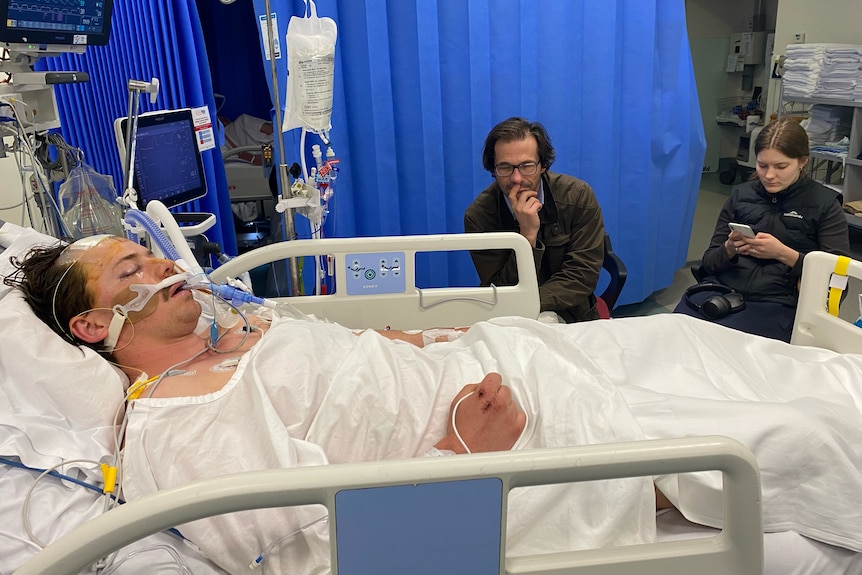
Mr Sedger warns against riding an e-bike while intoxicated. (Supplied)
Bicycle Industries Australia general manager Peter Bourke said e-bike sales had also skyrocketed in recent years.
“Back in 2017, the number of e-bikes sold was around the 9,000 mark. In 2022, the last serious count was about 200,000,” he said.
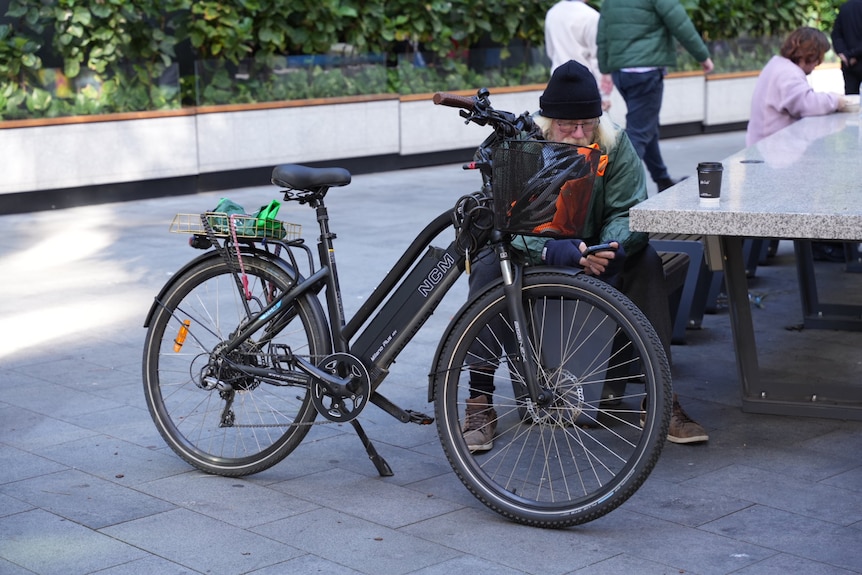
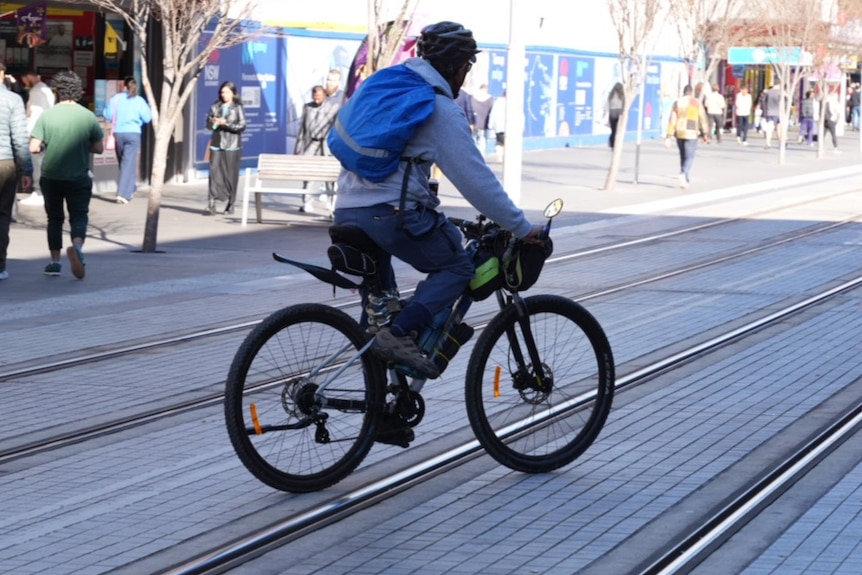
E-bike sales have skyrocked in recent years. (ABC News: Abubakr Sajid)
Mr Bourke said a key issue was non-compliant bikes, which often used throttles and exceeded legislated speed limits.
“We’ve got to be very cognisant of this data that it doesn’t actually conflate what is an actual e-bike and what is a motorbike pretending to be an e-bike,” he said.
“We support the fact that we need to work with governments to put in place appropriate regulations, and we do emphasise the word appropriate, to actually support the individual.”