
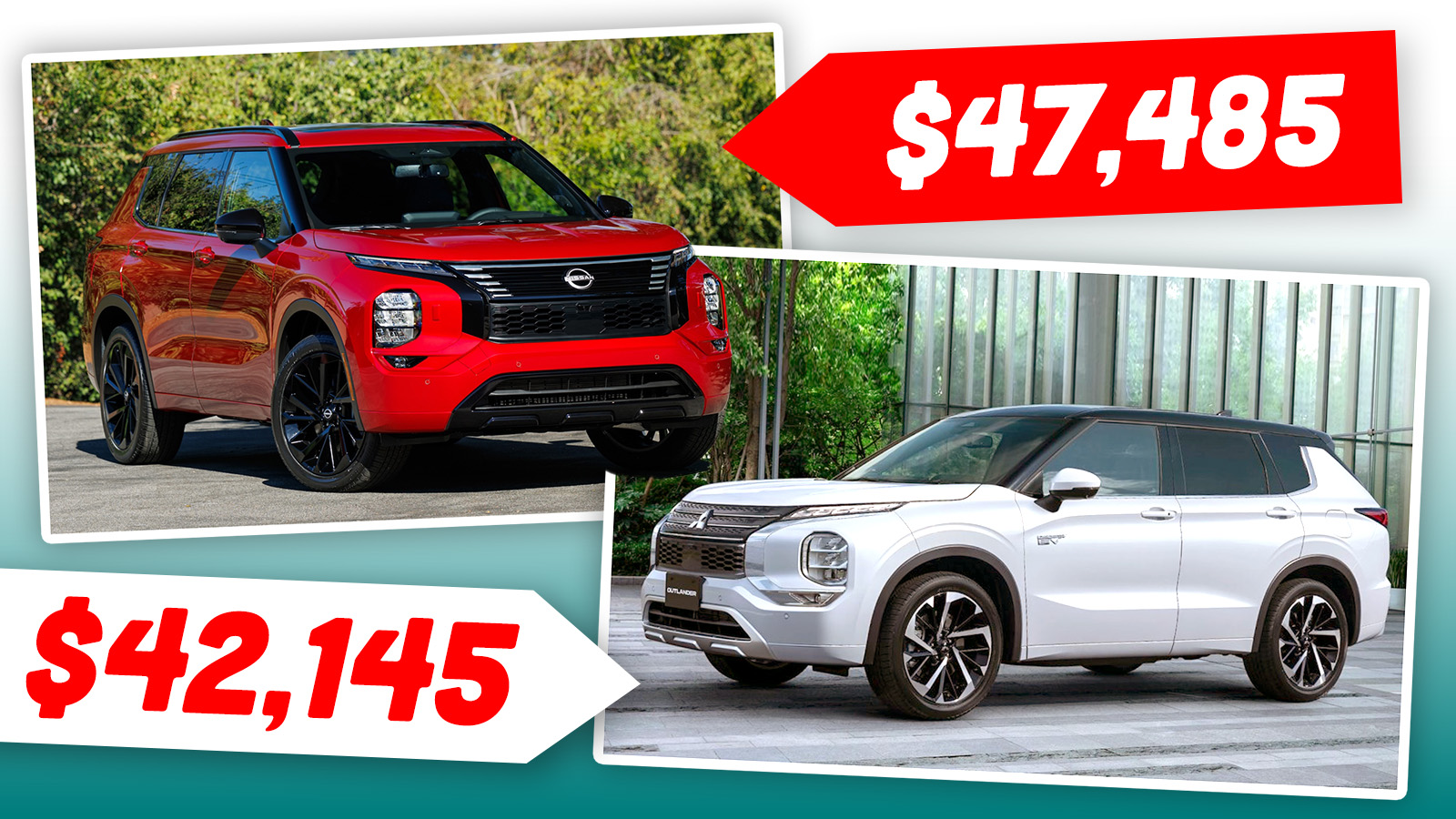
As a part of its big push to become profitable again, Nissan is prioritizing hybrids. Its e-Power plug-in system, which has been for sale in markets outside of the U.S. for years now, is finally slated to arrive in 2027. In the meantime, though, the company didn’t want its most popular model, the Rogue crossover, to go without a plug-in hybrid powertrain option for a full model year.
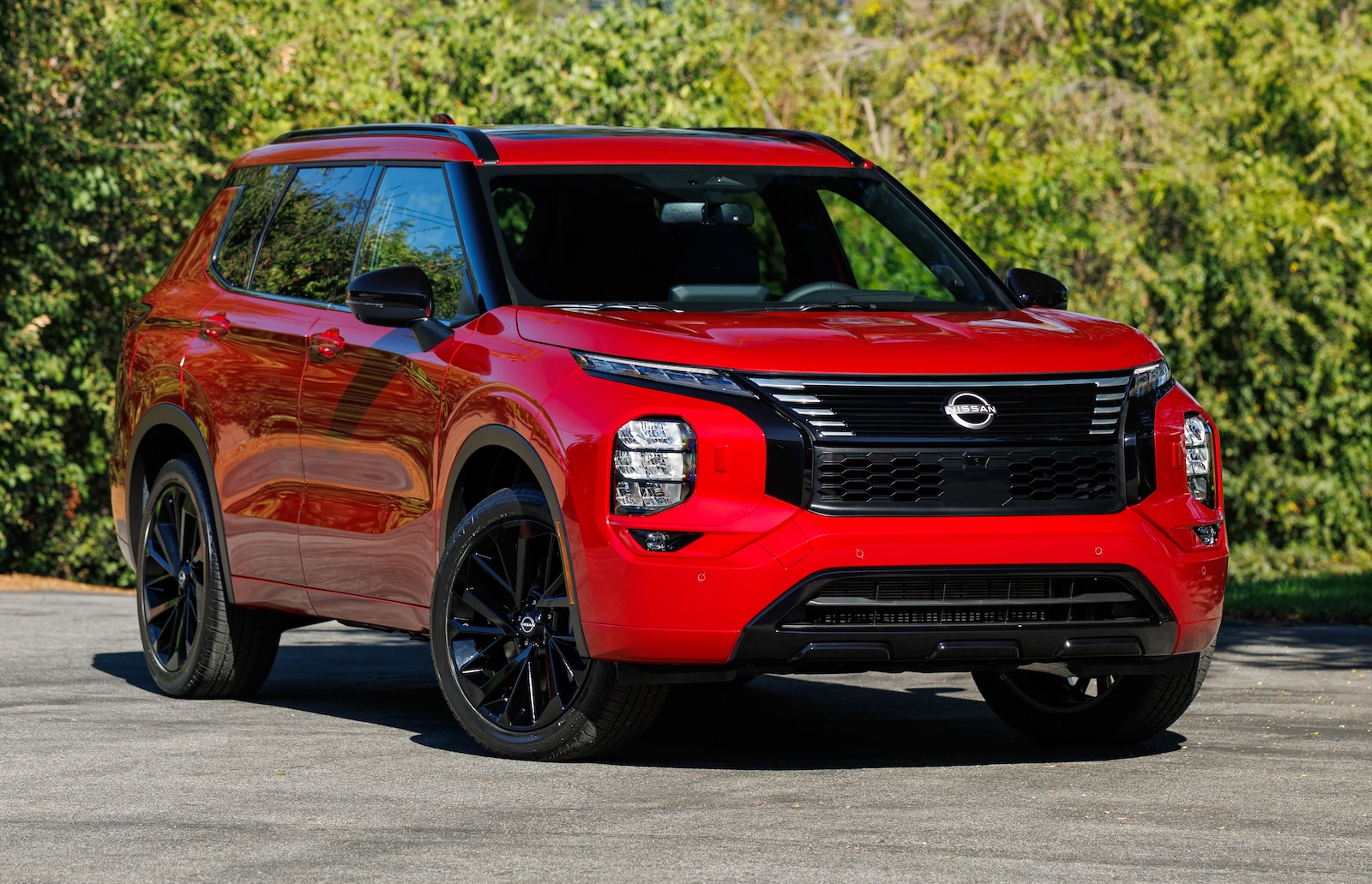
So as a stopgap, Nissan revealed the Rogue Plug-In Hybrid back in November. This car doesn’t use the new e-Power drivetrain because it’s not a Nissan at all—it’s a Mitsubishi Outlander PHEV that’s had its Mitsubishi badges replaced with Nissan badges. Lazy? Maybe, but it’s also exactly the type of powertrain Nissan needs to bolster its lineup in the United States right now.


Nissan revealed today that the rebadged Outlander will cost $47,485, including a $1,495 destination charge. As it turns out, that’s more than $5,000 more than the actual Outlander PHEV it’s based on. The reason for the huge delta in price? It’s all in the details—specifically, the trim details.
Here’s The Full Breakdown
To start, I think it’s best not to think of the Rogue Plug-In Hybrid as a Rogue, because they really are different cars. The normal Rogue has a totally unique body and interior, and starts at $30,585. The Plug-In is a full $16,900 more expensive, but it also has 38 miles of all-electric range from its 20 kWh battery pack, more horsepower, way more torque, and an extra row of seats in the trunk. The only thing the two Rogues really share is a name and some badges.
 Source: Nissan
Comparing the Rogue Plug-In to the Mitsubishi Outlander PHEV makes a lot more sense, since they’re essentially the same cars, both in terms of styling and mechanically. Both use the same 2.4-liter naturally aspirated four-cylinder under the hood, the same two electric motors, and have the same battery capacity. The two cars are both rated at 248 horsepower and 332 pound-feet of torque, connected to the same continuously variable automatic transmission.
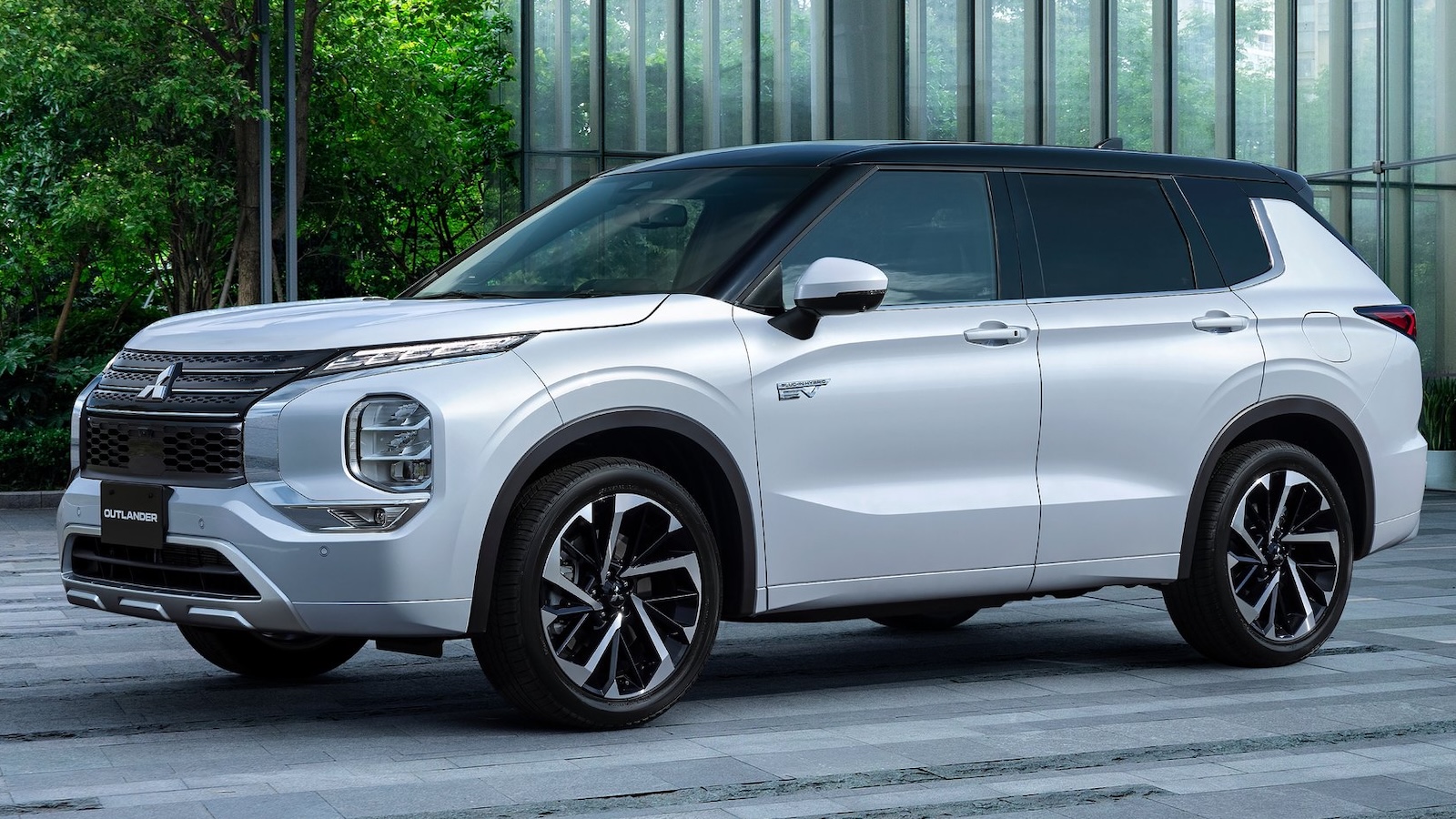 Photo credit: Mitsubishi
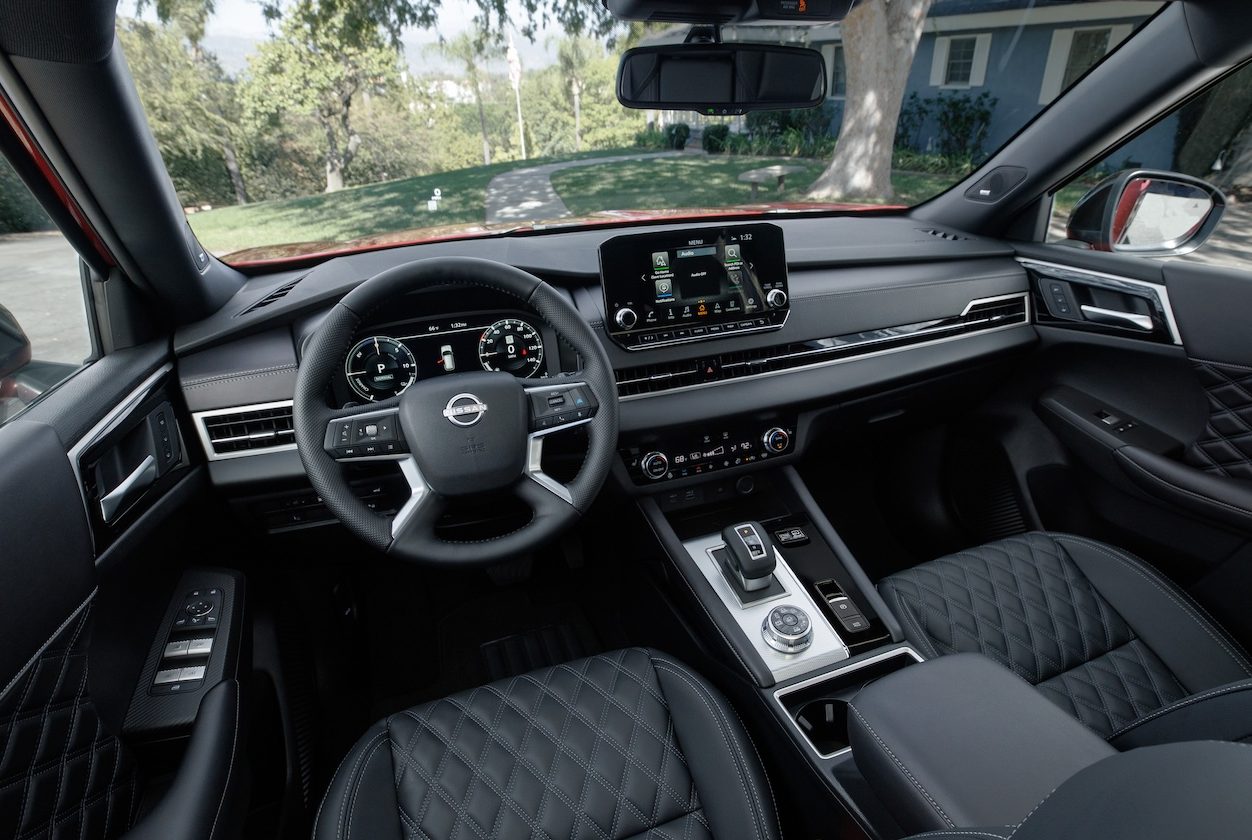
For big equipment, the two cars are pretty similar, too. Both get a 12.3-inch digital instrument cluster and a nine-inch infotainment touchscreen, complete with wireless Apple CarPlay and Android Auto.
 Source: Nissan
Yet, the Rogue is priced a full $5,340 more than the 2025 Mitsubishi Outlander PHEV, which starts at $42,145 including destination. What gives? Rather than just assume Nissan is trying to scam a few extra thousand dollars from unsuspecting buyers who don’t realize Mitsubishi still sells cars in America, I asked a representative for the company what was up. The price difference comes down to all of the standard stuff you get in the base Rogue Plug-In that doesn’t come standard on the cheapest Outlander PHEV. From the Nissan rep:
The difference in starting MSRP reflects trim and equipment strategy. Nissan positions Rogue Plug‑in Hybrid to start at a higher standard equipment level (SL grade), while Mitsubishi offers Outlander Plug‑in Hybrid across a broader range of trims, including lower-entry variants (ES grade – comparable to a Nissan S base grade). When the vehicles are compared at similar equipment levels(Nissan SL to Mitsubishi SEL), Rogue Plug-in Hybrid and Outlander Plug-in Hybrid are closely aligned in pricing, performance, and overall value.
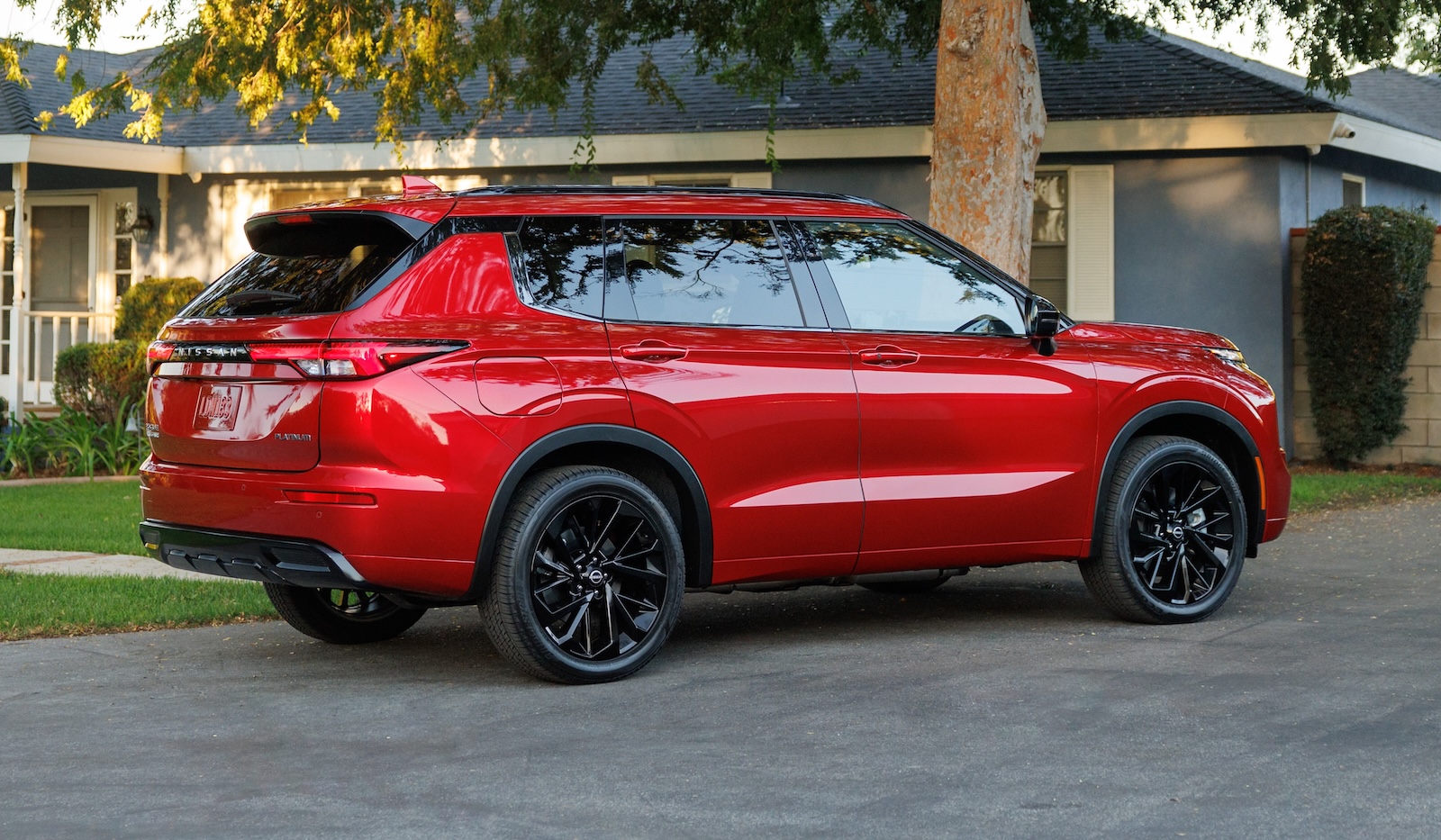 Source: Nissan
So basically, the low-range Nissan comes with much of the same equipment as the mid-range Mitsubishi. It’s mostly small stuff that you probably wouldn’t even think about unless you’re driving the car, like a power-adjustable driver’s seat, heated front seats, keyless entry, a leather steering wheel, a wireless phone charger, three-zone climate control, and LED fog lights. The base Nissan, the SL, has all of that stuff, while the base Mitsubishi has none of it. That explains the $5,000 difference.
You Can Spend Even More If You Want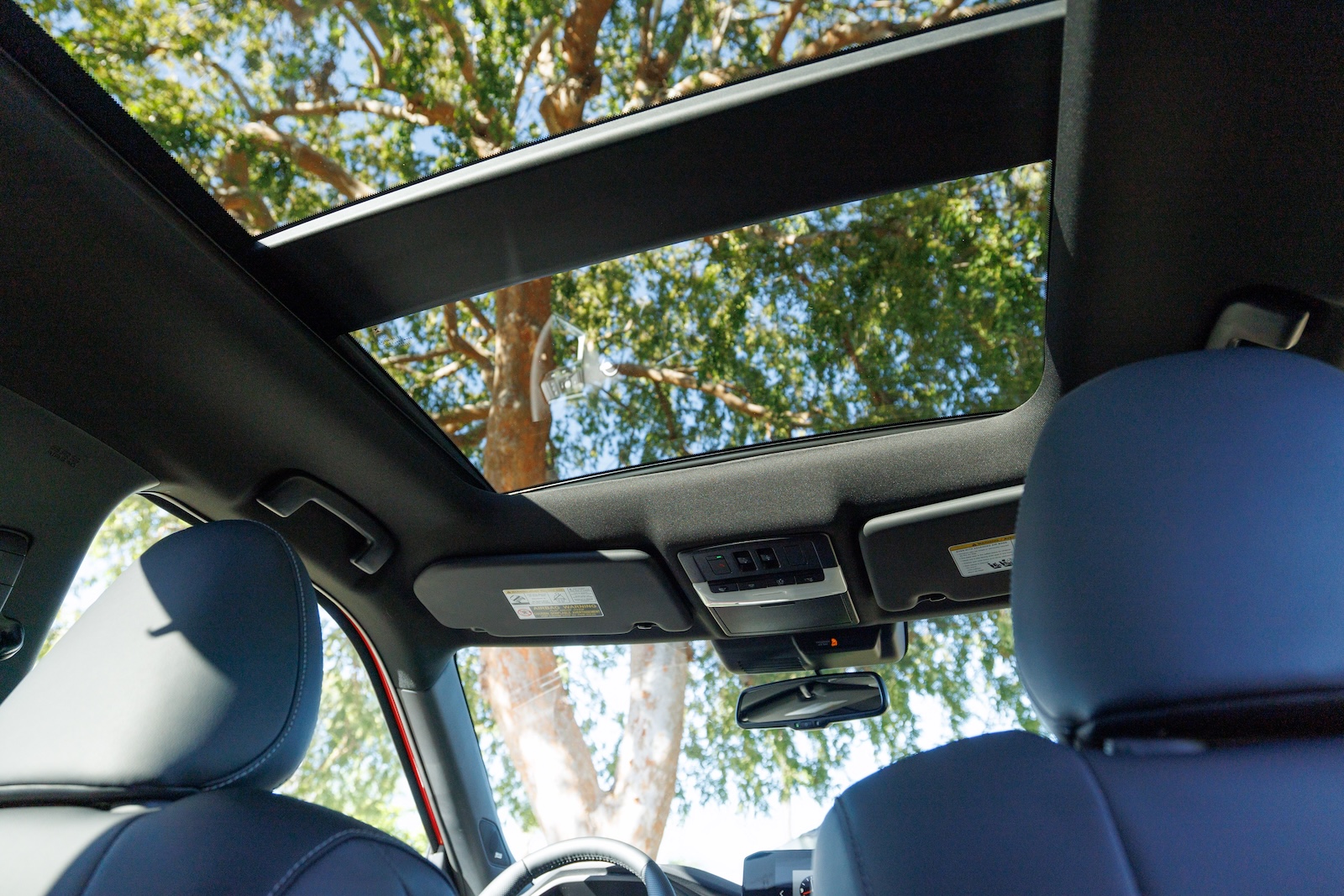 Source: Nissan
In addition to the SL trim, Nissan is offering a “Premium” trim for the Rogue Plug-In Hybrid, too. With destination included, it starts at an eye-watering $51,485. For the extra four grand, you get a 10-inch head-up display installed into the dash, along with a Bose nine-speaker audio system, leather trim, heated rear seats, and a power panoramic sunroof.
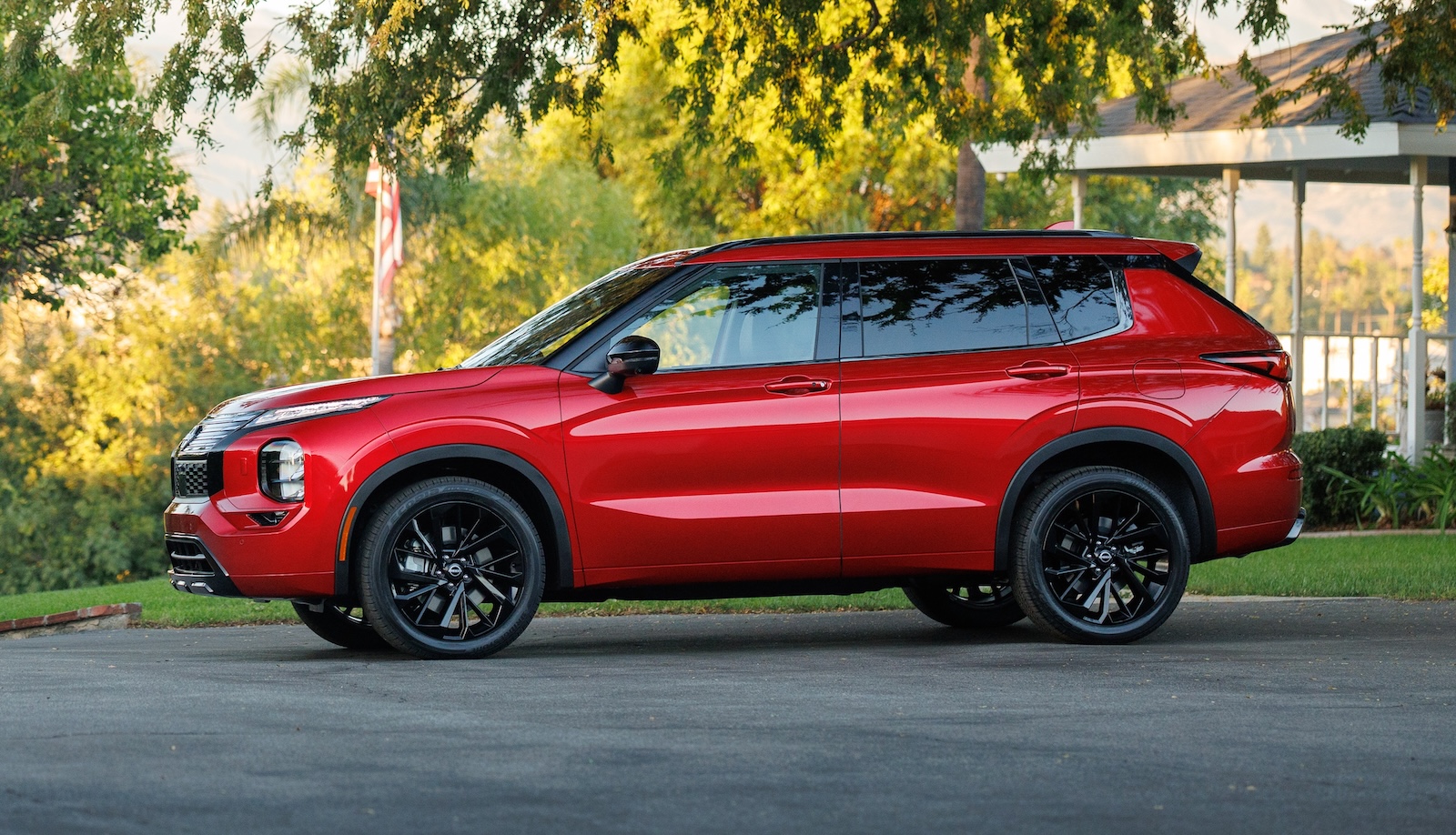
Dropping over fifty grand for what amounts to a rebadge Mitsubishi feels like something that should never happen, but that’s just how expensive cars are these days. According to Cox Automotive, the average transaction price for a new car last month was $49,191 (which is actually lower than last month, but still insane). So to see a plug-in hybrid Nissan hover around that price shouldn’t actually be all that surprising.
 Source: Nissan
I’m not one to complain about the lack of a few niceties, so if it were my money, I’d buy the cheapest version of the Mitsubishi I could find. Oh, who am I kidding? If it were really my money, I’d buy 10 different rusty Miatas off of Facebook Marketplace to see if I can part them out to create one good Miata.
Top images: Nissan; Mitsubishi