 Something about this vehicle feels trapped in amber, as if it’s from another time. Jonas Ingman
There was a saying going around among automotive writers when I first started reviewing vehicles nearly 15 years ago that “there are no bad cars anymore.” All the free junket shrimp must have gone to their brains, because anyone who drove the new Dodge Dart, various GMC products or the horrific Buick Cascada would immediately dismiss that claim as false.
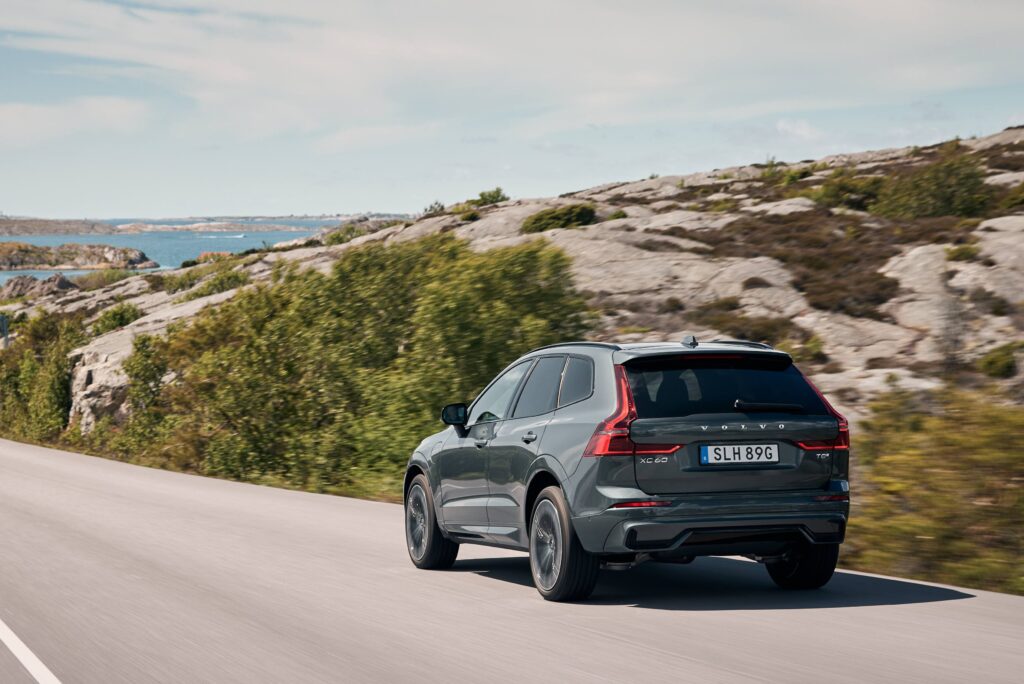
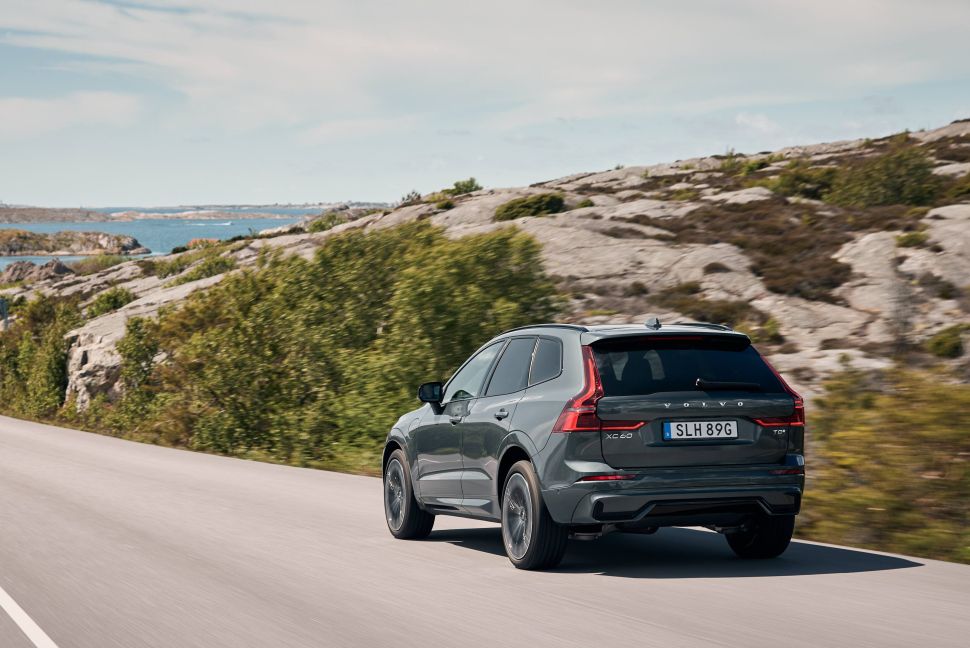
But it is true that there are more good cars than in the past and that those good cars are increasingly difficult to distinguish from one another or from past models. Take the 2026 Volvo XC60 T8 AWD Plug-In Hybrid, which I drove around Austin a couple of weeks ago when the weather allowed.
By any standards, this is an excellent vehicle. The perforated Nappa leather seats are adaptively comfortable, the interior cabin calming and pleasant. The exterior has nice clean lines; though this is an SUV in every way, because of the Volvo heritage it at least looks wagon-ish. This car came to me during the Winter Storm Fern cold snap, which even hit Texas. The seats were warm, the cabin was warm. The steering wheel was warm, warmer than my house. Though we were iced in for several days, I actually took the time to go outside and sit in the running Volvo just to warm my bones.
On the days I did get to drive the XC60, the performance was outstanding. It came with a 2.0-liter turbocharged direct-injected engine with an electric motor, which, combined, generate 455 horsepower (312 from the motor). That’s tremendous for a large car that has a curb weight of more than 4,600 pounds. The XC60 was fast, agile and responsive and, on top of that, because, again, this is a Volvo, features an impressive array of safety controls—blind spot warnings, driver alerts, parking guidance and lane guidance.
Yet something about this vehicle feels trapped in amber, from another time. Not as distant compared with, say, the 1990s. Compared to cars from that era, this is a SpaceX Falcon rocket. But 2022 called and it wants its car back. This XC60 represents a “mid-cycle refresh” for Volvo, meaning they haven’t got something new ready but would like to make it appear like they do.
The major change is replacing a 9-inch iPad in the central console with an even bigger iPad that’s more than 11 inches. That actually goes against industry trends, which are seeing a return to physical knobs and buttons in cars. The console has too many functions. You control the (excellent) sound system from there, as well as the heating and cooling functions and safety features and other key car systems. It can all integrate with your phone via Apple CarPlay, but putting in a bigger screen leads to more distractions while driving, not fewer. You really need the lane assist with such an enormous toy on your dash.
Another significant drawback with this car is the hybridity itself. Not that the electric battery works poorly or doesn’t charge, but it has a weak range of about 35 miles, which makes it a one-commute boost. You could easily keep it charged if you have a charger at home, but the promises of wide, inexpensive electric public charging went out with the return of Donald Trump to the White House, which this vehicle, despite the mid-cycle refresh, essentially predates. It’s an artifact from a recent moment when electric cars seemed like an inevitability, not just an option. Such a vehicle has an appeal, but it’s a niche appeal, and the combined gas mileage is just 28 MPG, and that’s assuming you’re constantly charging it.
The basic version of this car retails at just over $70,000, but the version I drove, fully loaded including a Bowers and Wilkins premium sound system and 21-inch “5-V Spoke Glossy Black Diamond Cut Wheels,” tops out at more than $79,000, including destination charges. The vehicle may stay basically the same, but the price always rises.
More auto reviews