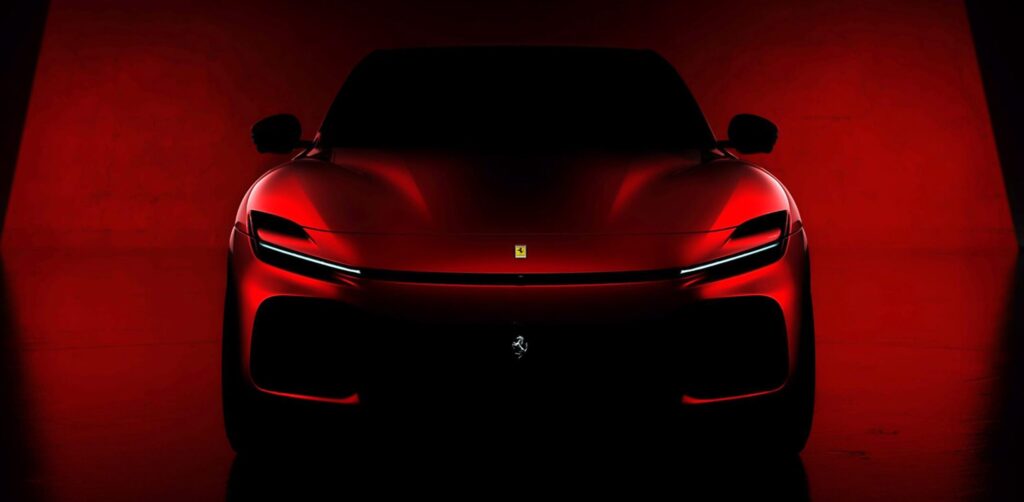
Maranello, Italy, February 9, 2026 — Brussels Morning Newspaper — Ferrari has released its first official teaser images of the Ferrari electric car, marking a defining moment for the Italian manufacturer as it prepares to enter a fully electric chapter. Issued from Maranello, the historic center of Ferrari’s engineering operations, the announcement underscores how even the most tradition bound performance brands are adapting to a rapidly changing global automotive landscape in 2026.
The images offer only partial views, but the message is unmistakable. Ferrari is stepping into electrification deliberately, on its own terms, and with an emphasis on preserving identity rather than abandoning it.
A Carefully Managed Reveal Strategy
Unlike many electric vehicle launches that rely on bold claims and early specification disclosures, Ferrari’s approach has been restrained. The teaser campaign focuses on form, proportion, and atmosphere rather than technical detail. This controlled communication style aligns with Ferrari’s long standing preference for measured anticipation.
Industry observers note that the Ferrari electric car reveal avoids overstatement while still commanding global attention. By limiting information, Ferrari ensures that speculation, rather than specification, dominates early discussion.
Design Language Balancing Future and Heritage
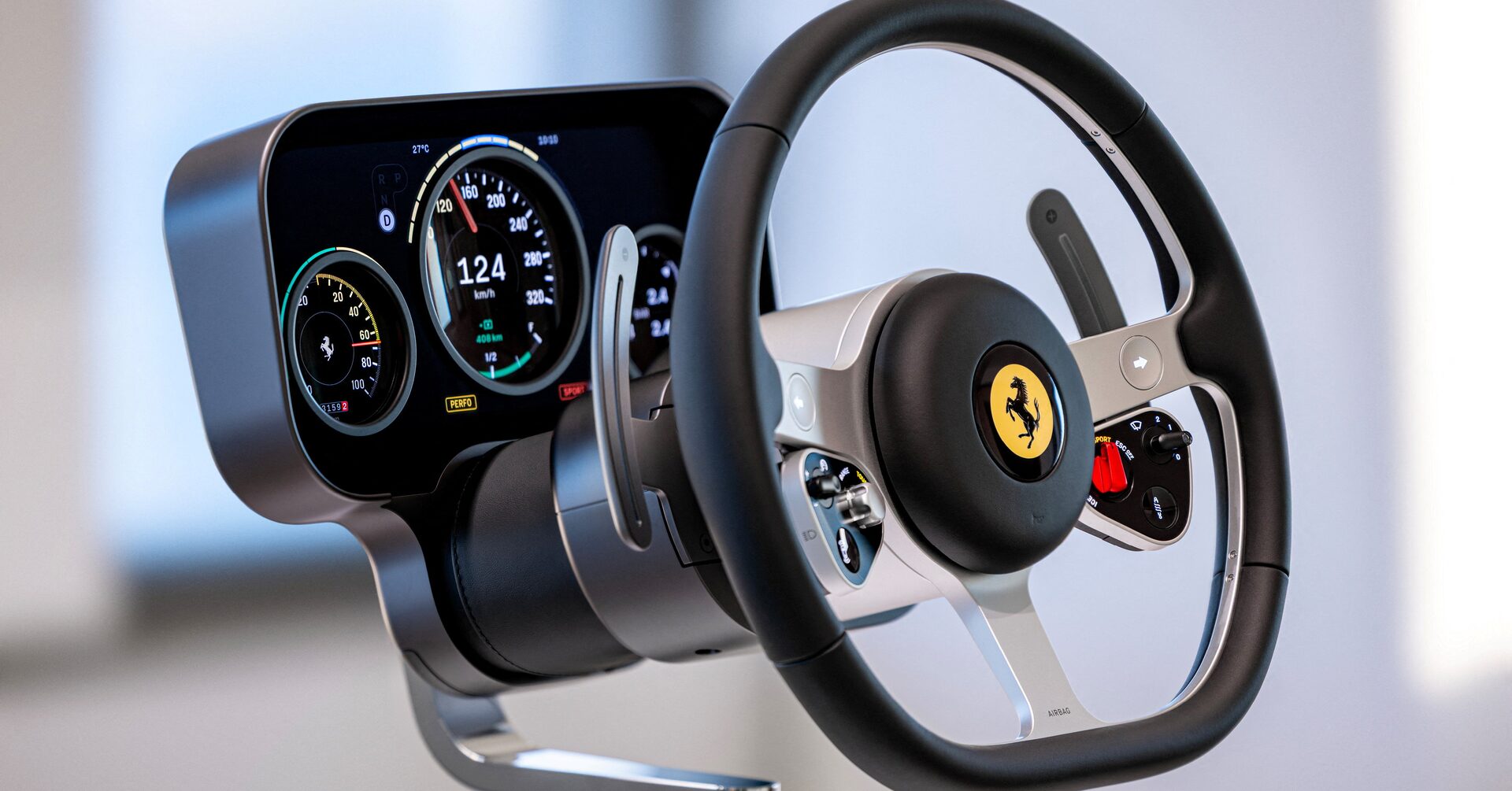
The silhouette visible in the teaser images suggests a low, wide stance with sculpted surfaces designed to manage airflow efficiently. Slim lighting elements hint at modernity, while the overall proportions remain unmistakably Ferrari.
Design experts believe Ferrari is using electrification as an opportunity to refine aerodynamics without sacrificing emotional appeal. The Ferrari electric car appears to prioritize visual drama alongside functional efficiency.
Engineering Philosophy Behind the Electric Shift
Ferrari’s leadership has repeatedly emphasized that electrification would only proceed when it could enhance performance rather than dilute it. Electric propulsion allows for precise torque delivery, improved weight distribution, and new possibilities in chassis tuning.
A senior Ferrari engineer familiar with the project stated,
“Electric technology allows us to rethink performance fundamentals while keeping the driver at the center of everything we do.”
This mindset shapes development of the Ferrari electric car, which is being engineered entirely in Italy.
Performance Expectations Without Official Numbers
Although Ferrari has released no technical specifications, expectations remain exceptionally high. Analysts anticipate rapid acceleration, advanced traction control systems, and a driving experience designed to feel engaging rather than isolated.
The Ferrari electric car is widely expected to compete with the fastest electric performance vehicles globally, not through raw power alone but through balance and control.
Maranello as the Development Core
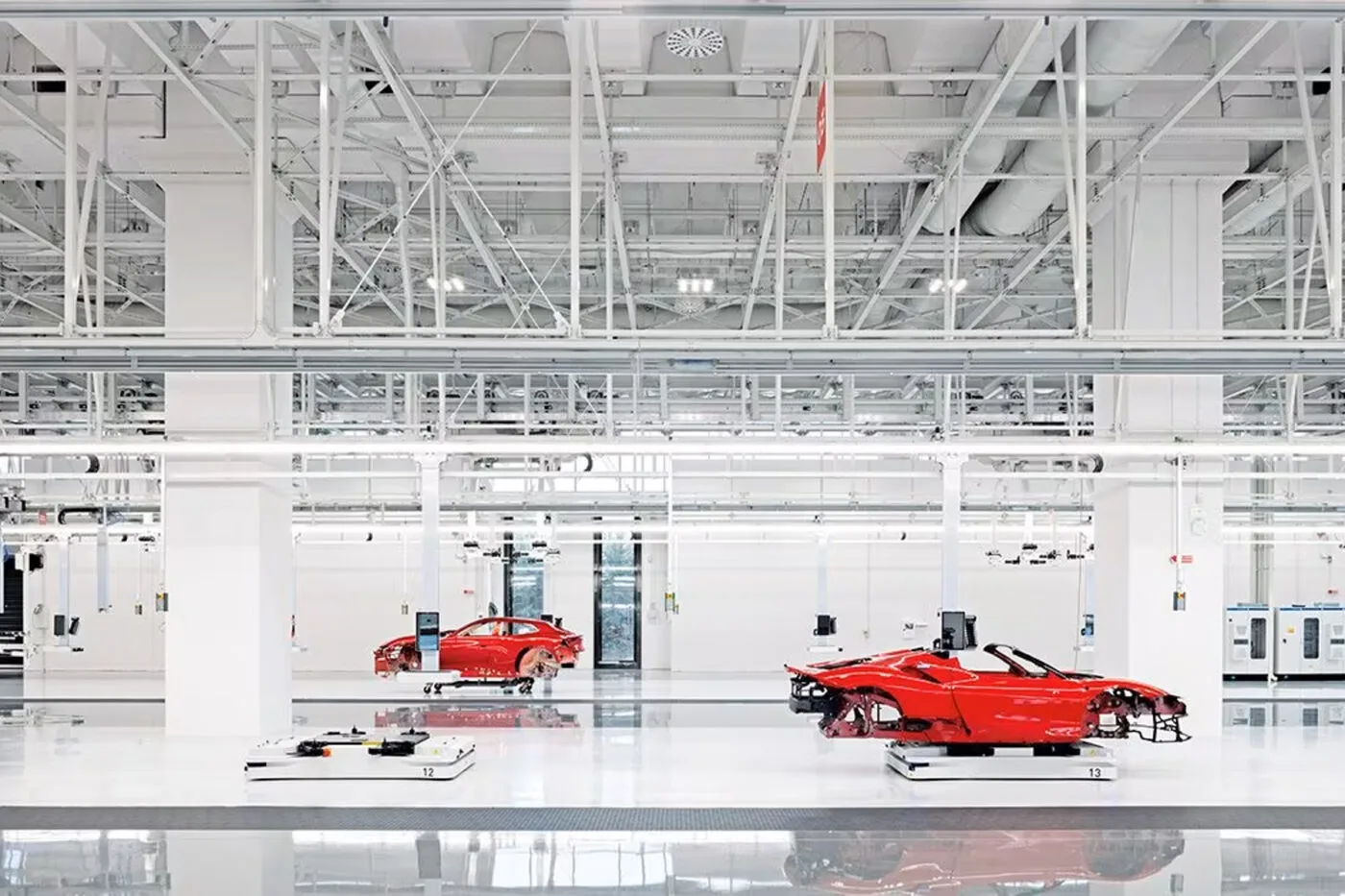
Ferrari has confirmed that research, development, and testing for its electric model are taking place in Maranello. This decision reinforces Ferrari’s commitment to maintaining control over its technological direction.
Battery architecture, software calibration, and vehicle dynamics are reportedly being handled in house. This ensures that the Ferrari electric car reflects the same engineering philosophy that has defined Ferrari for generations.
Global Market Context in 2026
By 2026, the electric vehicle market has matured significantly. Infrastructure improvements, regulatory changes, and shifting consumer expectations have made electric performance vehicles more viable across major markets.
Ferrari’s timing positions the Ferrari electric car as a late but deliberate entry, allowing the company to learn from earlier industry experiments while refining its own approach.
Customer Expectations and Brand Loyalty
Ferrari’s customer base has historically been resistant to sudden change, particularly when it involves core elements such as sound and mechanical character. However, early reactions suggest growing acceptance of electrification as an evolution rather than a compromise.
Collectors and long time owners increasingly view the Ferrari electric car as an extension of Ferrari’s innovation culture rather than a departure from it.
A History of Ferrari Adapting to Technological Change
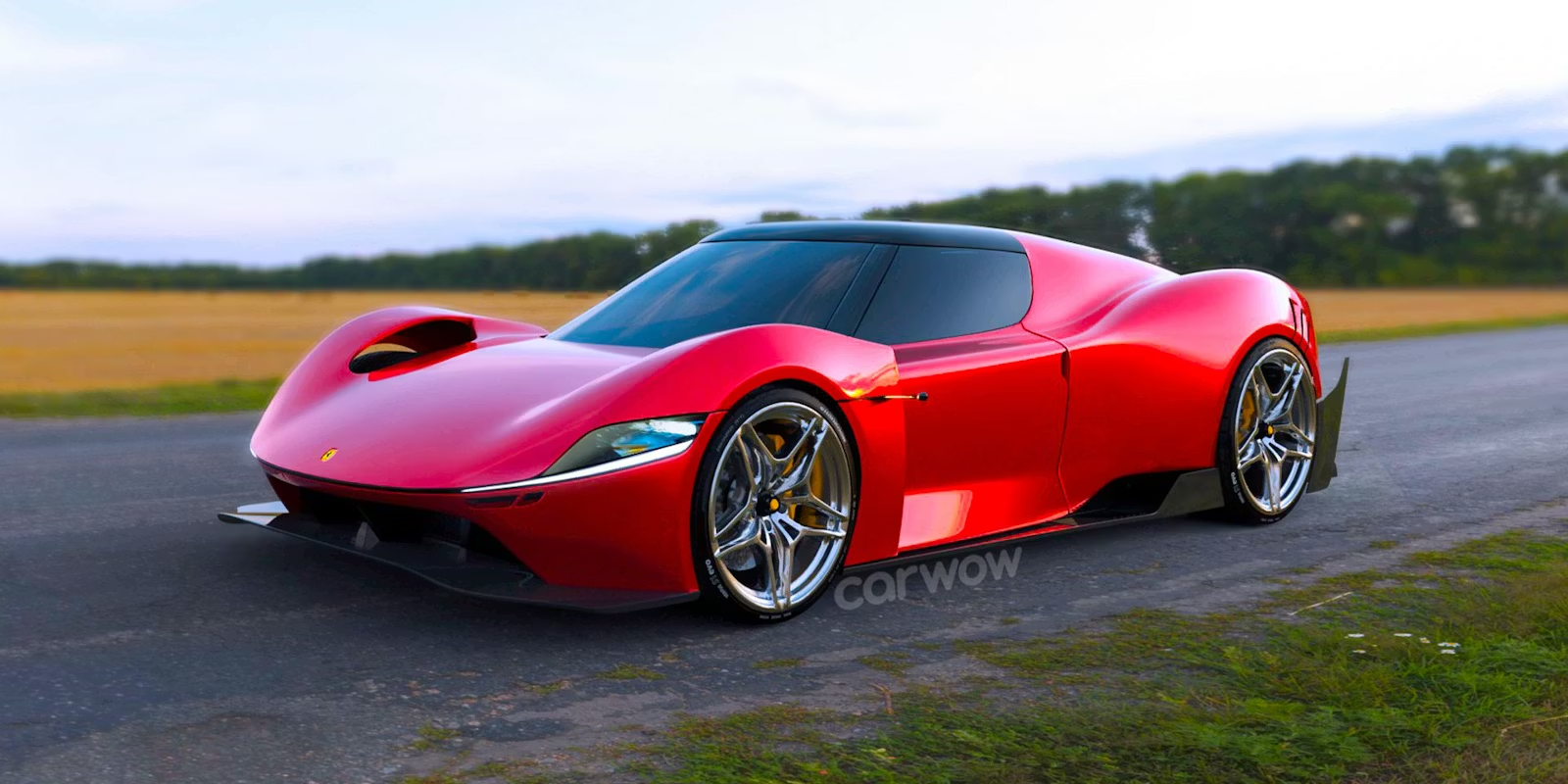
Ferrari’s past reveals a pattern of cautious but ultimately successful adaptation. The shift from naturally aspirated engines to turbocharging, and later to hybrid systems, initially faced skepticism before becoming widely accepted.
This historical context suggests that the arrival of the Ferrari electric car follows a familiar trajectory, one in which innovation strengthens rather than weakens brand identity.
Sustainability Without Losing Emotional Appeal
Ferrari has stated that environmental responsibility must coexist with excitement and engagement. Electrification offers opportunities to reduce emissions while expanding performance possibilities.
A Ferrari spokesperson explained,
“Sustainability and emotion are not opposites for us. They are challenges that push innovation forward.”
This philosophy underpins the strategy guiding the Ferrari electric car.
Competitive Landscape and Industry Influence
Ferrari’s entry into the electric segment carries symbolic weight. When a brand synonymous with combustion performance commits to electric mobility, it influences perceptions across the industry.
Competitors, suppliers, and regulators alike view the Ferrari electric car as validation that electric performance has reached a level suitable for the highest tiers of automotive excellence.
Production Strategy and Exclusivity
Ferrari has not disclosed production volumes, though limited availability is expected. Maintaining exclusivity remains central to Ferrari’s business model, regardless of propulsion technology.
Initial deliveries of the Ferrari electric car are expected to prioritize established markets, with gradual expansion as production stabilizes.
Economic and Brand Implications
From an economic perspective, Ferrari’s electric investment represents a long term strategy rather than a short term response. The company continues to prioritize margins, brand value, and controlled growth.
The Ferrari electric car is not positioned as a mass market offering, but as a flagship product defining Ferrari’s next era.
Regulatory Pressures and Strategic Alignment
European emissions regulations and global sustainability targets have accelerated electrification across the industry. Ferrari’s approach suggests compliance without compromise.
By developing the Ferrari electric car internally, Ferrari retains flexibility while aligning with long term regulatory expectations.
Public Perception and Media Attention
The teaser images have generated extensive media coverage, with analysts and enthusiasts dissecting every visible detail. Social media reaction has been notably measured, reflecting curiosity rather than controversy.
The controlled reveal of the Ferrari electric car has allowed Ferrari to shape the narrative rather than react to it.
Looking Toward the Future Beyond Launch
Ferrari’s electric model represents more than a single vehicle. It signals a broader transformation in how Ferrari approaches technology, sustainability, and performance.
As development continues, the Ferrari electric car is expected to influence future models, both electric and hybrid.
A Defining Chapter for Ferrari
Ferrari’s teaser campaign marks the beginning of one of the most significant chapters in the company’s history. Electrification is no longer theoretical; it is imminent.
With careful planning, controlled messaging, and an unwavering focus on performance, the Ferrari electric car stands poised to redefine what electric driving means at the highest level of automotive excellence.