Concern about electric bicycles, now ubiquitous across Tampa Bay, has surged in recent months.
Experts say reckless riders, dangerous roads and poor protections for cyclists are to blame for injuries and deathsticking up. A Tampa Bay Times report detailed law enforcement’s efforts to stem crashes, proposed regulation for e-bikes and one local city’s program to put more of them on roads.
Here are three things to know.
Data on e-bike fatalities in Florida is murky and incomplete due to the way state and local officials categorize crashes.
But a push last year to better track e-bike crashes locally has provided a glimpse into death and injury statistics for the first time.
Over the last five years, 28 people have died riding e-bikes in Tampa Bay. Most fatal crashes occurred at busy intersections in Pinellas County, according to autopsy reports. There were 18 deaths recorded in Pinellas in this time period, while three people in Pasco and six in Hillsborough died.
E-bike fatalities on the road far exceed those on trails in Tampa Bay — just seven of the 27 deaths reviewed by the Tampa Bay Times did not involve a car. Of those seven, alcohol and drugs were a factor in three deaths. One autopsy report was not made available in a public records request.
The state has adopted federal guidelines for e-bikes that classifies any electric vehicle with a top speed above 28 mph as a motorcycle.
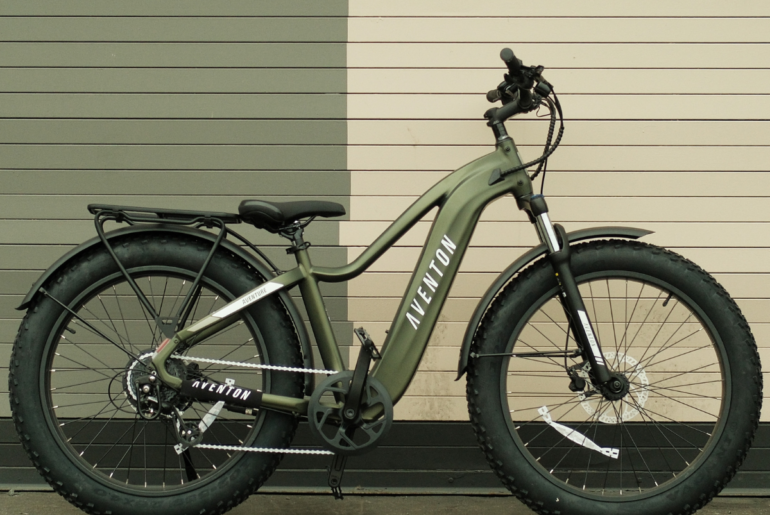
There are three classes of electric bikes. Class 1 e-bikes are purely pedal-assisted and can’t reach speeds greater than 20 mph. Class 2 e-bikes are similarly capped at 20 mph but are equipped with a throttle that can replace the need to pedal.
Class 3 e-bikes also have a throttle and can speed up to 28 mph. Anything faster is not considered a bicycle.
Police and medical experts say this faster class of e-bike is easily modified by children and adults to reach speeds greater than 55 mph, despite a limit on motor size at 750 watts. The result has made some e-bikes resemble an electric motorcycle more than a bicycle.
“You need zero expertise to modify these,” said Patrick Mularoni, a pediatric emergency room physician at All Children’s Hospital in St. Petersburg.
Helmets rated for bicycles moving 18-20 mph do little to protect riders in high speed collisions, Mularoni added.
A proposed change to state law would not affect the speed and motor size limits, but would instead make modifying an e-bike illegal and bar children 15 or younger from riding a Class 3 with a motor that is 750 watts or bigger.
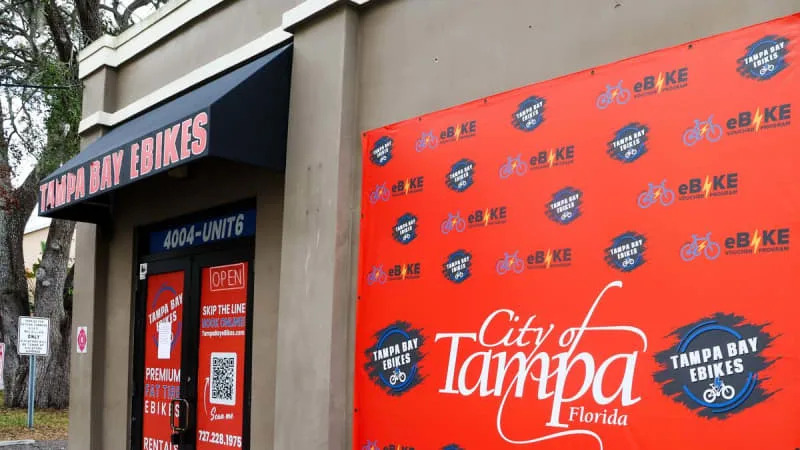
High above the stacks of paper that clutter Austin Britt’s downtown Tampa office, there’s one memento that he looks to for motivation when work gets extra tough.
He just has to peer over his shoulder at a poster plastered with testimonials from residents whose lives were changed when they got an e-bike through the Tampa mobility department’s voucher program.
His favorite is written by an older Tampanian whose disability left him reliant on paratransit. That changed when the city awarded him an accessible e-tricycle, Britt said.
“He’s been utilizing it every day. He doesn’t have to wait to schedule anything anymore. He’s able to take that to the doctor’s office, take that to the grocery store,” he said. “It has been able to get him out of his house in a way he never thought was possible.”
In the first two years of the program, the city awarded more than 450 vouchers. Staff hope to get 248 more people on e-bikes this year. To do so, Tampa is giving away more than $500,000 in its e-bike voucher lottery.
Applicants can receive $1,000 to $3,000 toward an e-bike based on income level. The application window opens Friday to Tampa residents and runs until Feb. 27.