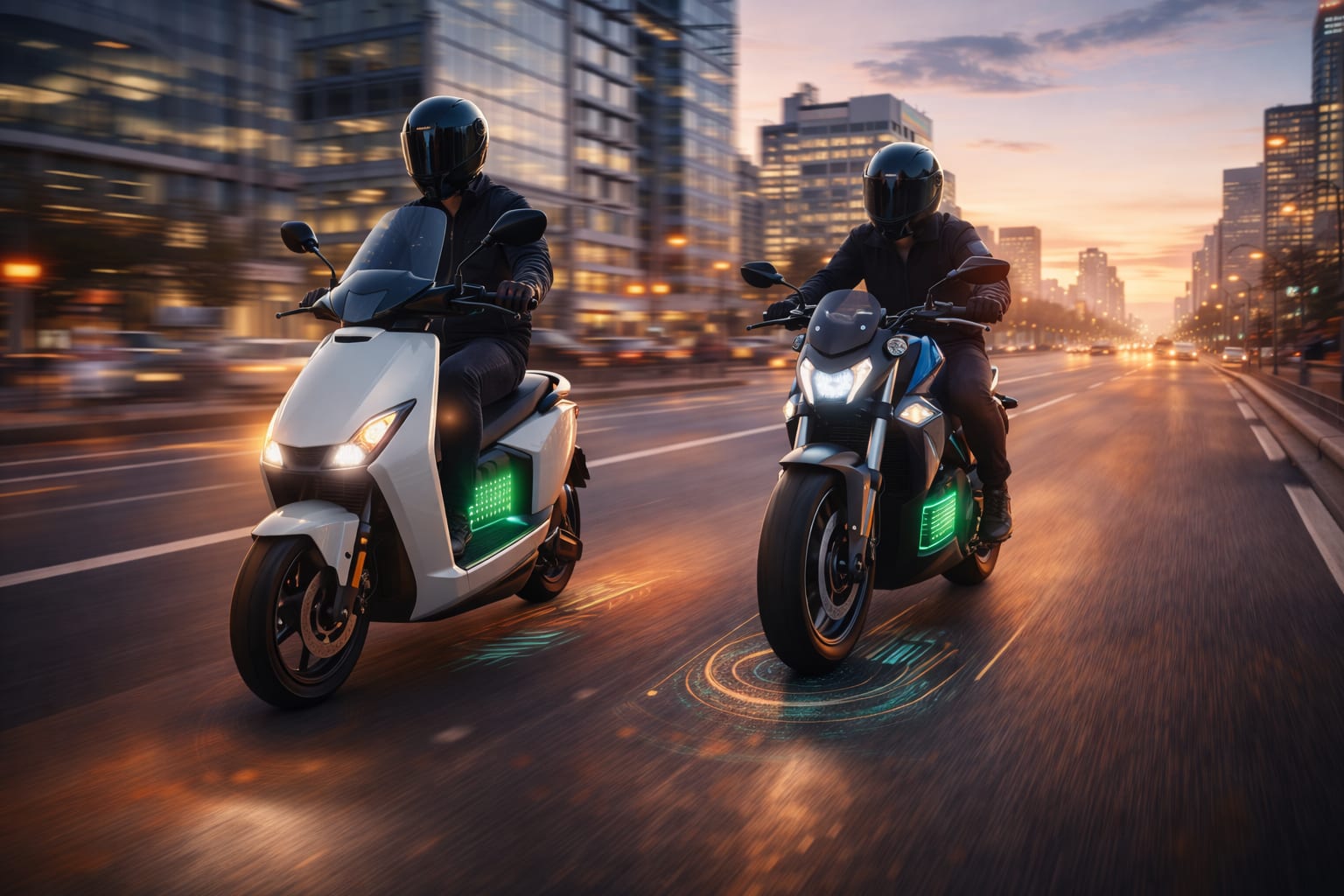
The city wakes up quietly now. Instead of engine roars, there is a soft electric hum weaving through traffic. Riders glide past signals, carrying groceries, backpacks, and ambition, all without burning a drop of fuel. What once felt experimental is now routine.
Electric two wheelers have moved from novelty to necessity. As fuel prices fluctuate, cities grow denser, and sustainability becomes personal, compact electric mobility is finding its place on everyday roads. At the center of this shift is the Electric Two-Wheeler Market, where affordability, efficiency, and environmental awareness intersect.
Why Two Wheels Are Leading the Electric Shift
Urban transport does not always need four wheels. For millions of daily commuters, two wheelers remain the fastest and most practical option. Electrification makes them even more appealing by reducing operating costs and simplifying maintenance.
Electric scooters and motorcycles offer instant torque, quiet operation, and lower total ownership costs. They are easier to charge, easier to park, and easier to integrate into crowded cities.
According to Mordor Intelligence, the Electric Two-Wheeler Market is expanding at a strong compound annual growth rate of around 11.59 percent during the forecast period. This single data point highlights how rapidly consumers are embracing electric alternatives for short and medium distance travel.
Understanding Electric Two Wheeler Market Size and Share
The Electric Two Wheeler Market size is driven by volume rather than luxury. Unlike electric cars, two wheelers appeal to a much wider income group, especially in densely populated regions.
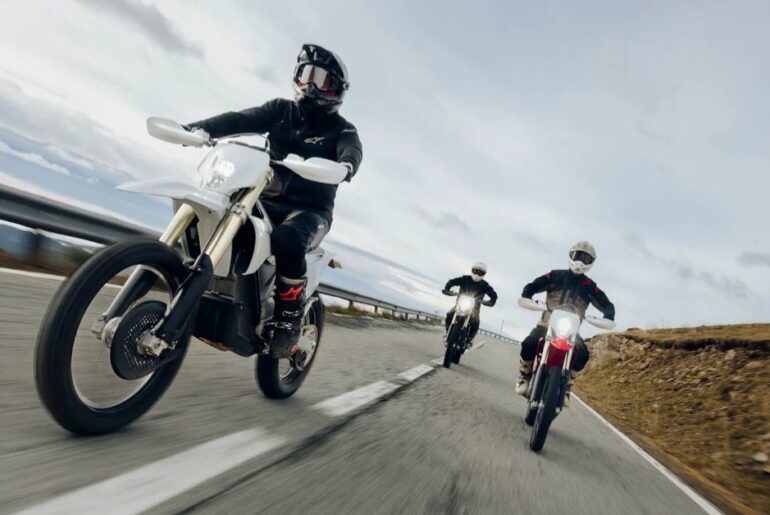
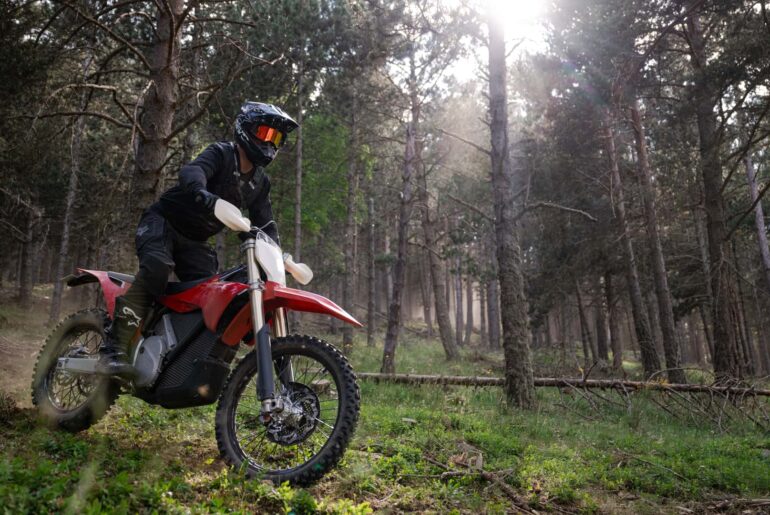
Scooters account for a significant portion of total sales due to their ease of use and suitability for urban commuting. Motorcycles follow closely, particularly in markets where performance and longer range are valued.
The Electric Two Wheeler Market share is strongly concentrated in Asia Pacific, where two wheelers dominate personal transportation. Countries with large urban populations and strong policy support continue to lead adoption, while Europe shows steady growth driven by emission regulations and shared mobility programs.
Electric Two Wheeler Market Trends Shaping Adoption
Several Electric Two Wheeler Market trends are accelerating growth across regions.
Battery technology improvements are extending range while reducing charging time. Swappable battery systems are gaining traction, especially in shared mobility and fleet applications.
Government incentives and subsidies lower upfront costs, making electric models more competitive with internal combustion alternatives.
Digital connectivity is also emerging as a differentiator. Mobile apps, vehicle diagnostics, and smart charging features improve user experience and fleet management.
Together, these trends are transforming electric two wheelers from basic transport tools into connected mobility solutions.
The Role of Infrastructure and Policy
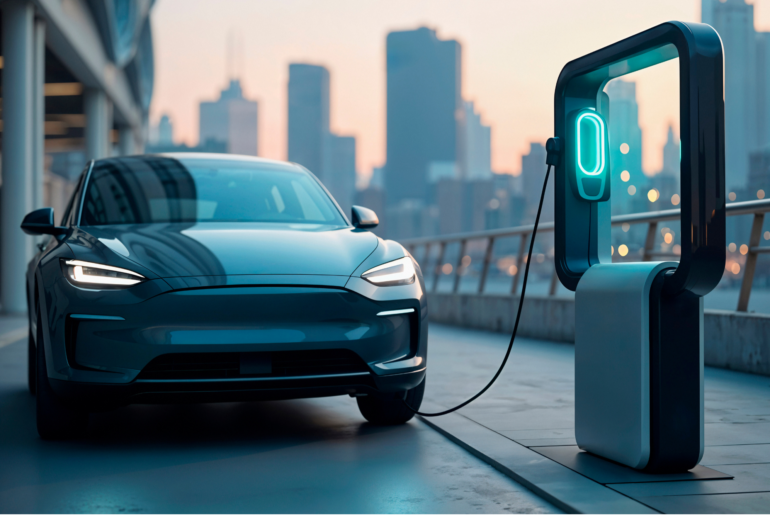
Charging accessibility plays a critical role in adoption. Unlike cars, electric two wheelers can often be charged at home using standard outlets, reducing dependence on public infrastructure.
Policy support remains a major growth driver. Incentives for manufacturers and buyers, combined with stricter emission norms, continue to push the market forward.
This environment supports a positive Electric Two Wheeler Market analysis, where regulatory alignment and consumer economics reinforce each other rather than compete.
Challenges That Still Slow Growth
Despite strong momentum, challenges remain. Battery costs still influence vehicle pricing. Range anxiety persists in regions with limited charging visibility. Product quality and durability vary widely across manufacturers.
Consumer education is another hurdle. First time buyers need confidence in battery life, resale value, and long term reliability.
Manufacturers are responding with better warranties, financing options, and expanding service networks to build trust.
Electric Two Wheeler Market Forecast and the Road Ahead
The Electric Two Wheeler Market forecast points to sustained growth as cities prioritize clean transport and consumers seek affordable mobility. Electric two wheelers are expected to become the default choice for urban commuting rather than an alternative.
As technology matures and economies of scale improve, the gap between electric and conventional two wheelers will continue to narrow.
The shift is no longer about future readiness. It is about present day practicality.
Final Thought
Two wheels have always represented freedom. Electrification adds responsibility and efficiency to that freedom. As electric two wheelers become part of daily life, they are not just changing how people move, but how cities breathe.