The biggest car news and reviews, no BS
Our free daily newsletter sends the stories that really matter directly to you, every weekday.
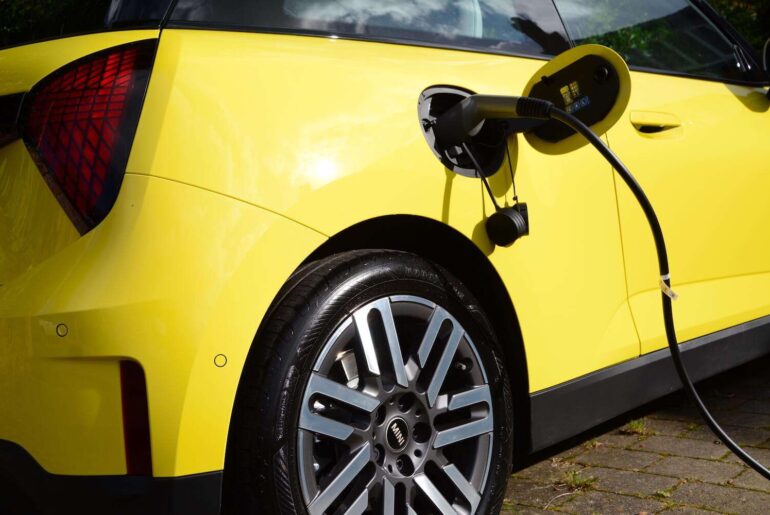
It turns out that when fewer cars spew exhaust as they drive along, air quality improves. That’s the conclusion of a new study published in The Lancet Planetary Health that looked at the effect of increased numbers of both EVs and plug-in hybrids on air pollution in California.
The Golden State has by far the largest number of plug-in vehicles in the United States, and they’ve now reached significant numbers to have a positive impact on air quality. Between 2019 and 2023, for every 200 EVs or plug-in hybrids added, nitrogen dioxide (NO2) levels dropped 1.1%, according to the study, which used satellite data to track those levels through the unique way NO2 absorbs and reflects sunlight. NO2 can trigger asthma attacks, cause bronchitis, and increase the risk of heart disease and stroke.
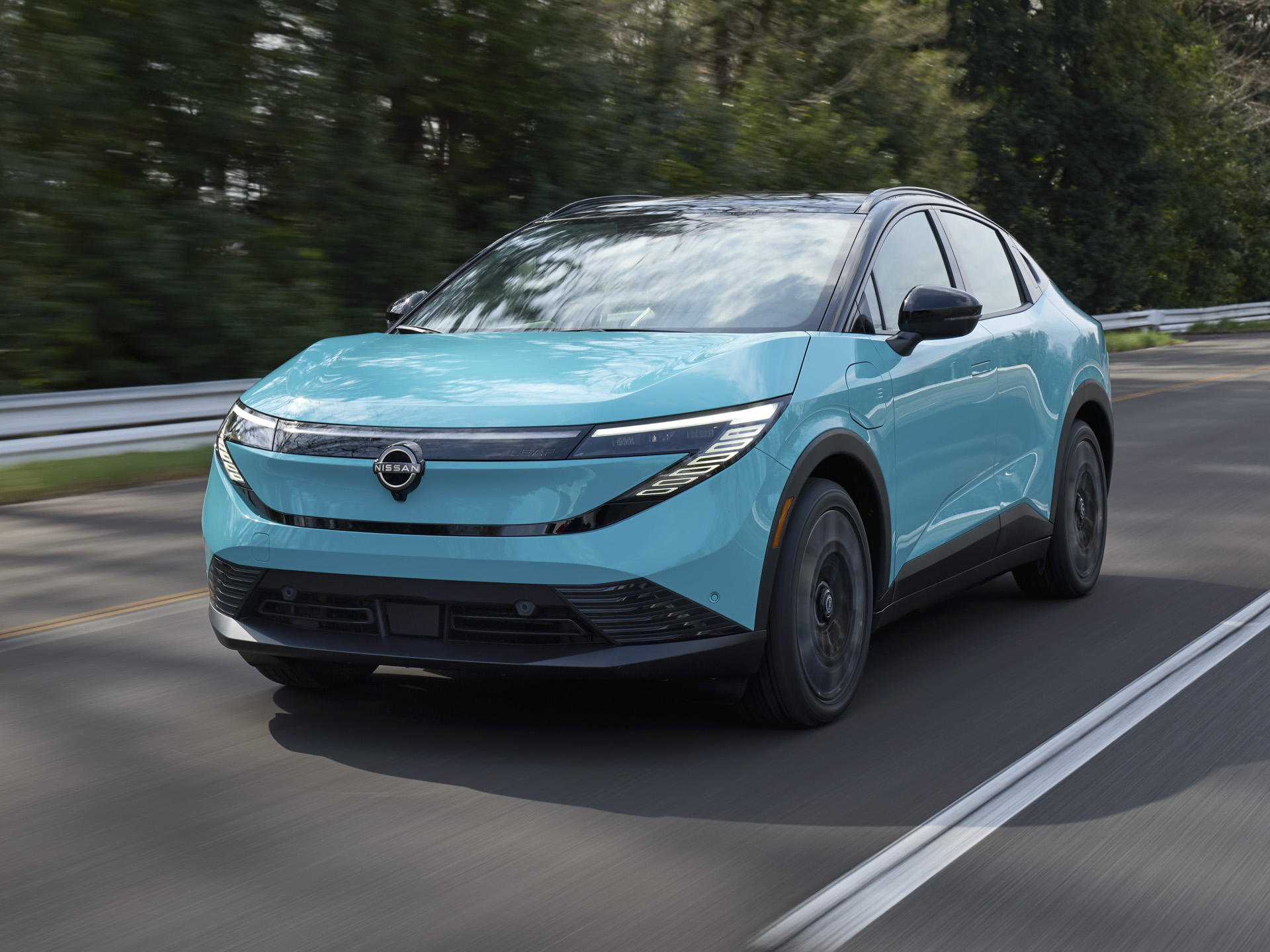 Nissan
The discussion around EVs tends to focus on their ability to limit climate change by reducing carbon emissions, but previous studies have also tried to draw connections between reduced exhaust emissions and improved air quality. However, this study claims to be the first to conclusively link increased EV adoption with lower levels of pollutants.
During the study period, EVs and plug-in hybrids increased from 2% to 5% of all new light-duty vehicle registrations in California. To get a more detailed picture, researchers divided the state into 1,692 neighborhoods and used DMV data to track the number of plug-in vehicles registered in each one. Over the study period, the typical neighborhood gained 272 EVs and plug-in vehicles.
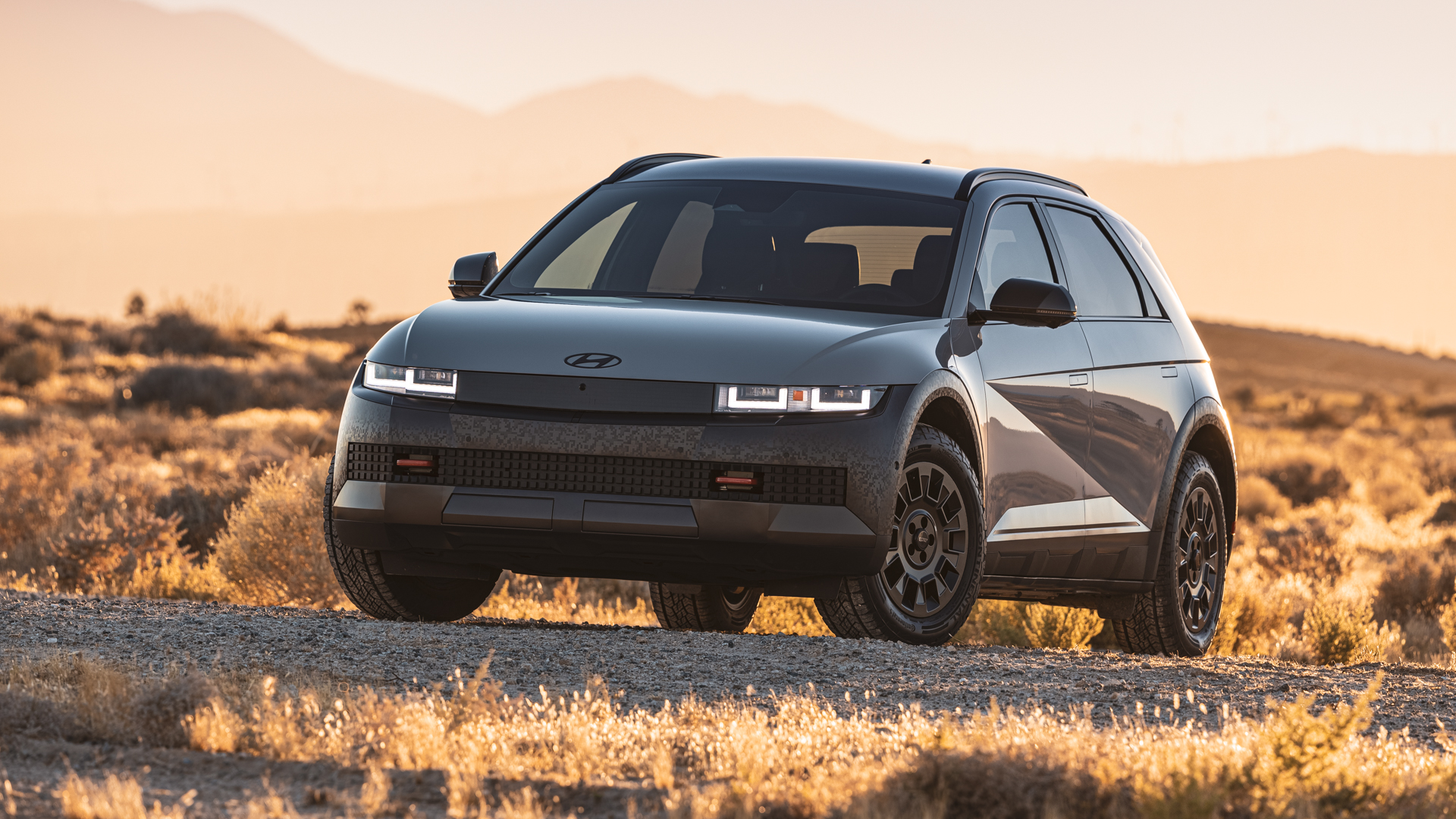 Hyundai
Researchers controlled for changes in gas prices and work-from-home patterns that might affect driving behavior, eliminating the year 2020 entirely from the results due to the anomalous pandemic-related decrease in driving. They also confirmed that neighborhoods with an increase in gasoline-powered cars saw the expected increase in pollutants and checked satellite data against ground-level monitoring data from 2012 to 2023.
There is, to say the least, a vigorous debate about the pace of EV adoption. Costs and infrastructure issues still mean that EVs aren’t for everyone, but this study demonstrates why getting more of them on the road is a goal worth pursuing. If California follows through on its plan to end sales of most new gasoline cars by 2035, future residents of the state will breathe easier.
Got a tip? Send it in: tips@thedrive.com
Stephen has always been passionate about cars, and managed to turn that passion into a career as a freelance automotive journalist. When he’s not handling weekend coverage for The Drive, you can find him looking for a new book to read.