The scales are tipping in the SUV and luxury sedan markets: While the majority are not electric yet, they don’t drink premium gas like water either. Mercedes-Benz has spent decades perfecting refinement, performance, and luxury — and over the last decade, it has stitched hybrid technology into that fabric.

Divisions
Mercedes-Benz Cars, Mercedes-Benz Vans
Founded
1926
Founder
Karl Benz
Headquarters
Stuttgart, Germany
Current CEO
Ola Källenius
In an era where SUVs dominate buyers’ lists, and fuel prices still hum in the back of every purchase decision, Mercedes-Benz’s hybrids are more than compliance tools. They are vehicles worth choosing because they solve real problems (if you have the bread): fuel economy without compromising fun, electric assist without range anxiety, and luxury without the empty feeling that digital overload brings. Below are 10 reasons why, in 2026, a Mercedes hybrid isn’t just opulence — it’s a sensible, grounded choice.
Related
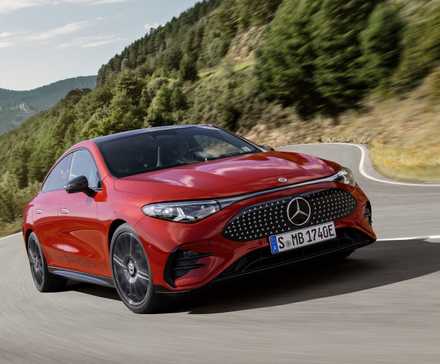
Why The Mercedes-Benz CLA EV Could Be A Gamechanger
The new EV CLA introduces a host of thrilling and advanced features, thus taking to fight to the other established German EVs.
Better Fuel Economy With No Trade-offs
How Mercedes Hybrid SUVs Deliver Real-World MPG Gains
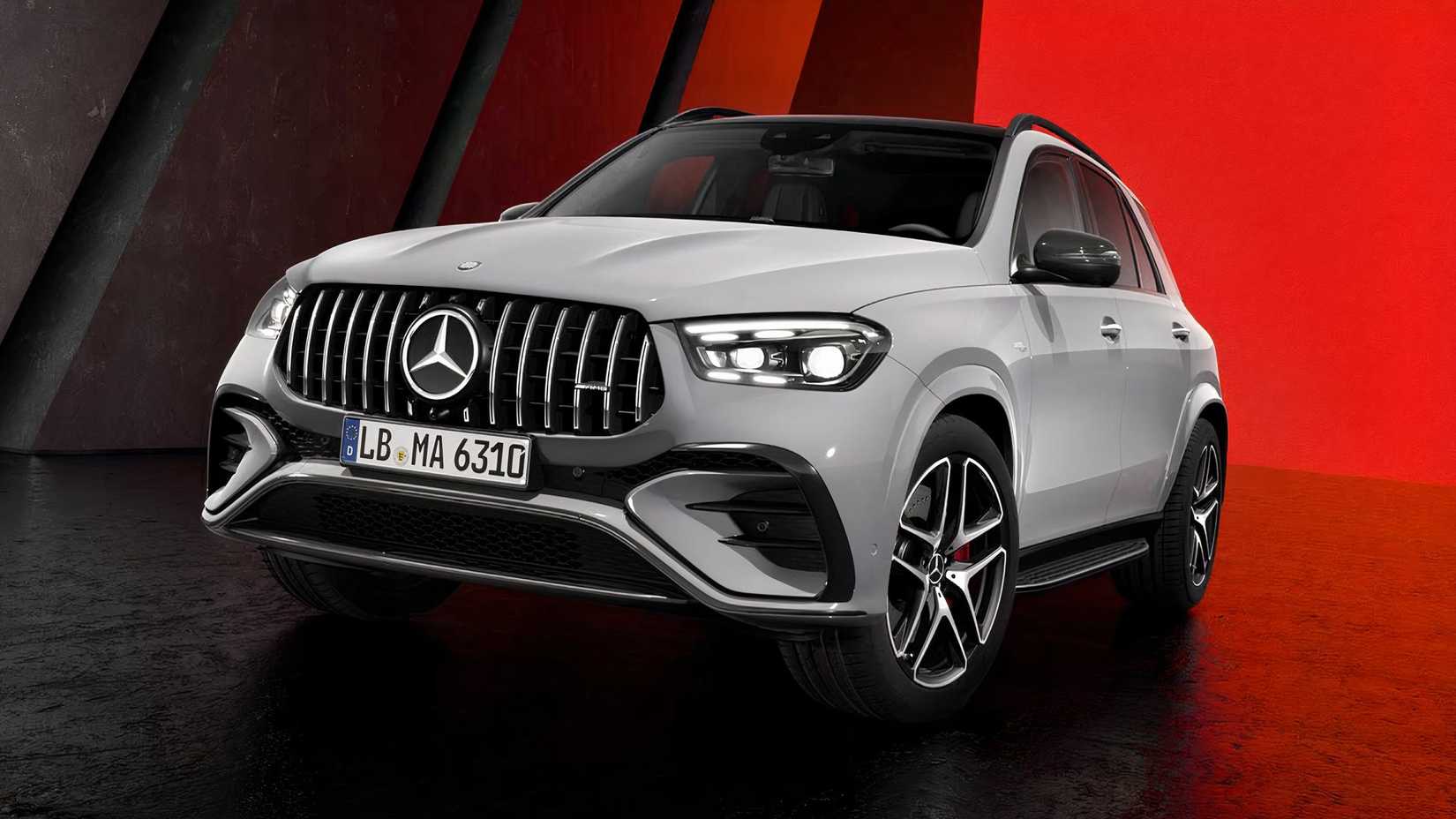
Front 3/4 shot of 2026 Mercedes-Benz GLE AMG GLE 53 parkedMercedes-AMG
If “saving gas” still rings in your mind as a priority, Mercedes hybrids make that happen without making you feel like you’ve downsized. Across the lineup — from the GLC 300e to the larger GLE 450 4MATIC — the hybrid systems pair turbocharged engines with electric motors that smooth power delivery and economize fuel use, especially in city and suburban driving.
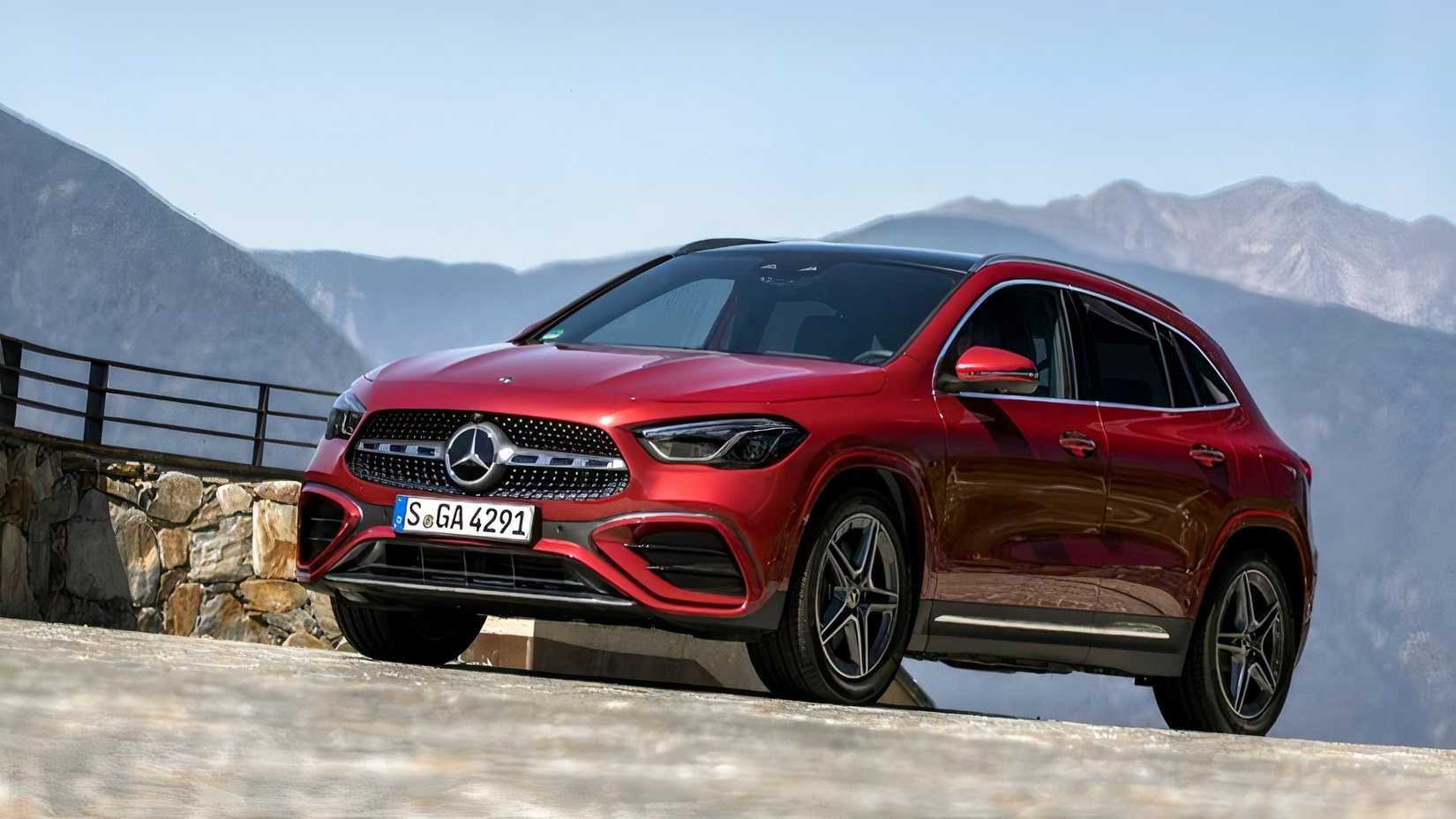
2026 Mercedes-Benz GLA-Class front 3/4 shotMercedes-Benz
That’s not theoretical. EPA figures and real-world consumption data show hybrid Mercedes SUVs returning significantly higher mpg equivalent figures than their non-hybrid counterparts, especially in stop-and-go traffic, where the electric assist does most of the heavy lifting. For families, commuters, and anyone aware of how much they spend at the pump, this isn’t fluff — it’s a clear, tangible improvement on the pre-hybrid system.
Related
Mercedes-Benz Just Dropped Its Most Ambitious Lineup Update In Years
Mercedes-AMG and Maybach pull out all the stops, but is their luxury overload too much of a good thing?
Electric Assist Makes Everyday Driving Smoother
How Hybrid Mercedes Powertrains Improve Low-Speed Comfort
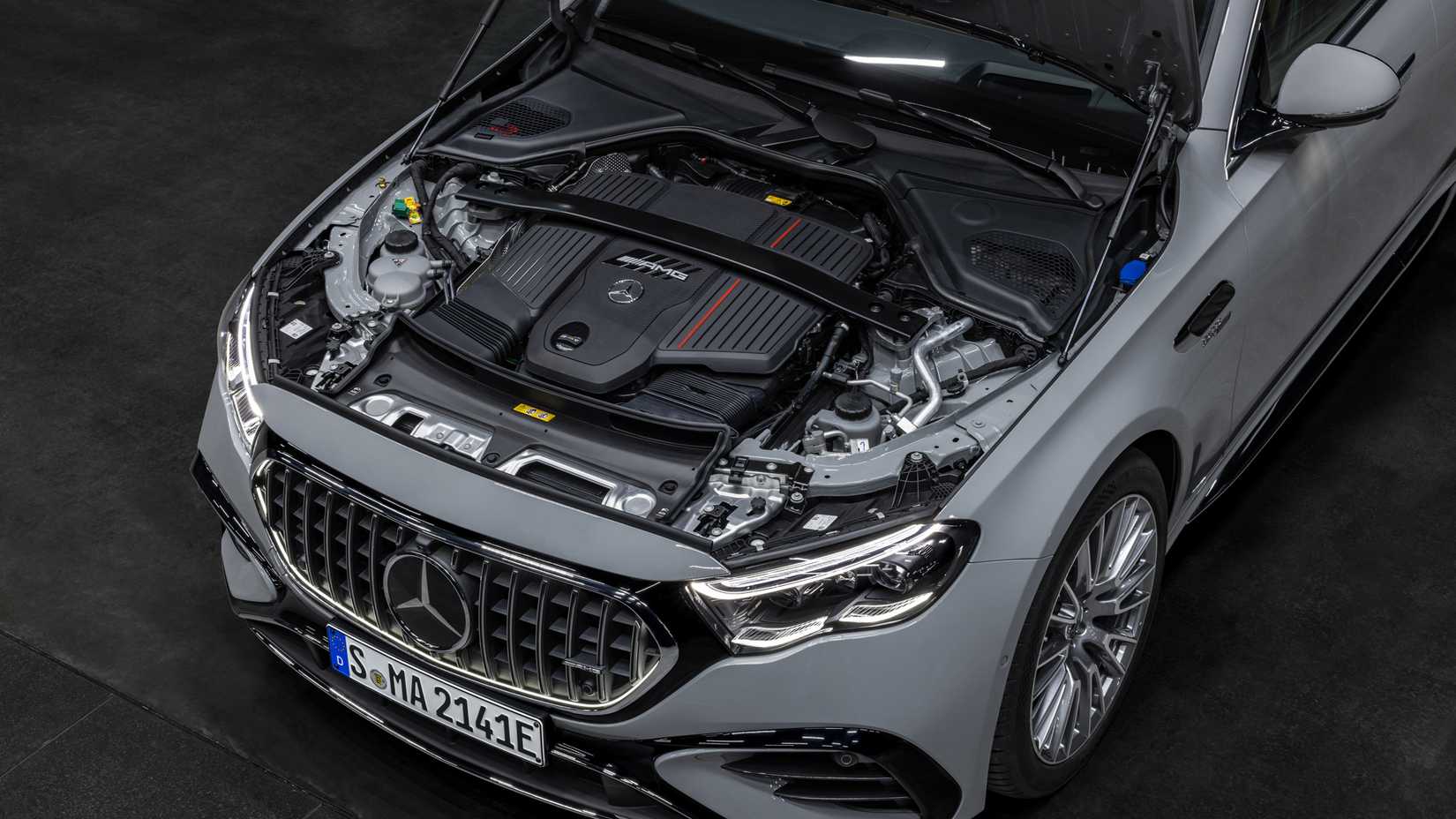
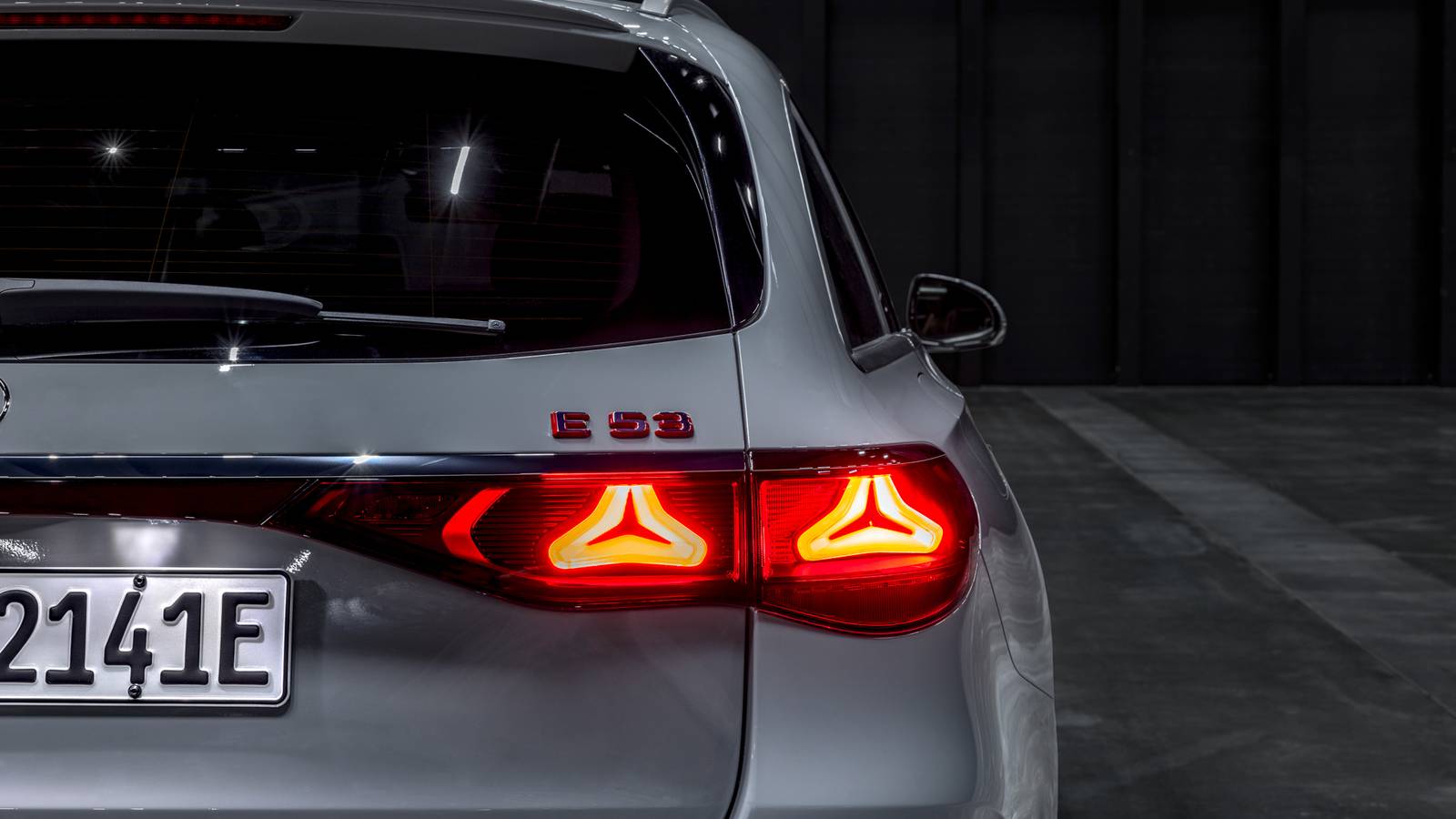
2026 Mercedes-AMG E 53 Hybrid EstateMercedes-AMG
In most of Mercedes’ mild-hybrid models, there’s an integrated starter-generator (ISG) tucked between the engine and transmission. Think of it as an electric helper that fills in the gaps. It smooths out stop-start, adds a quick torque boost when you accelerate, and shuts the engine off while coasting to save fuel. You don’t plug these in. The battery charges itself through braking and engine operation, and the electric motor mainly exists to make the car feel quicker, smoother, and more refined.
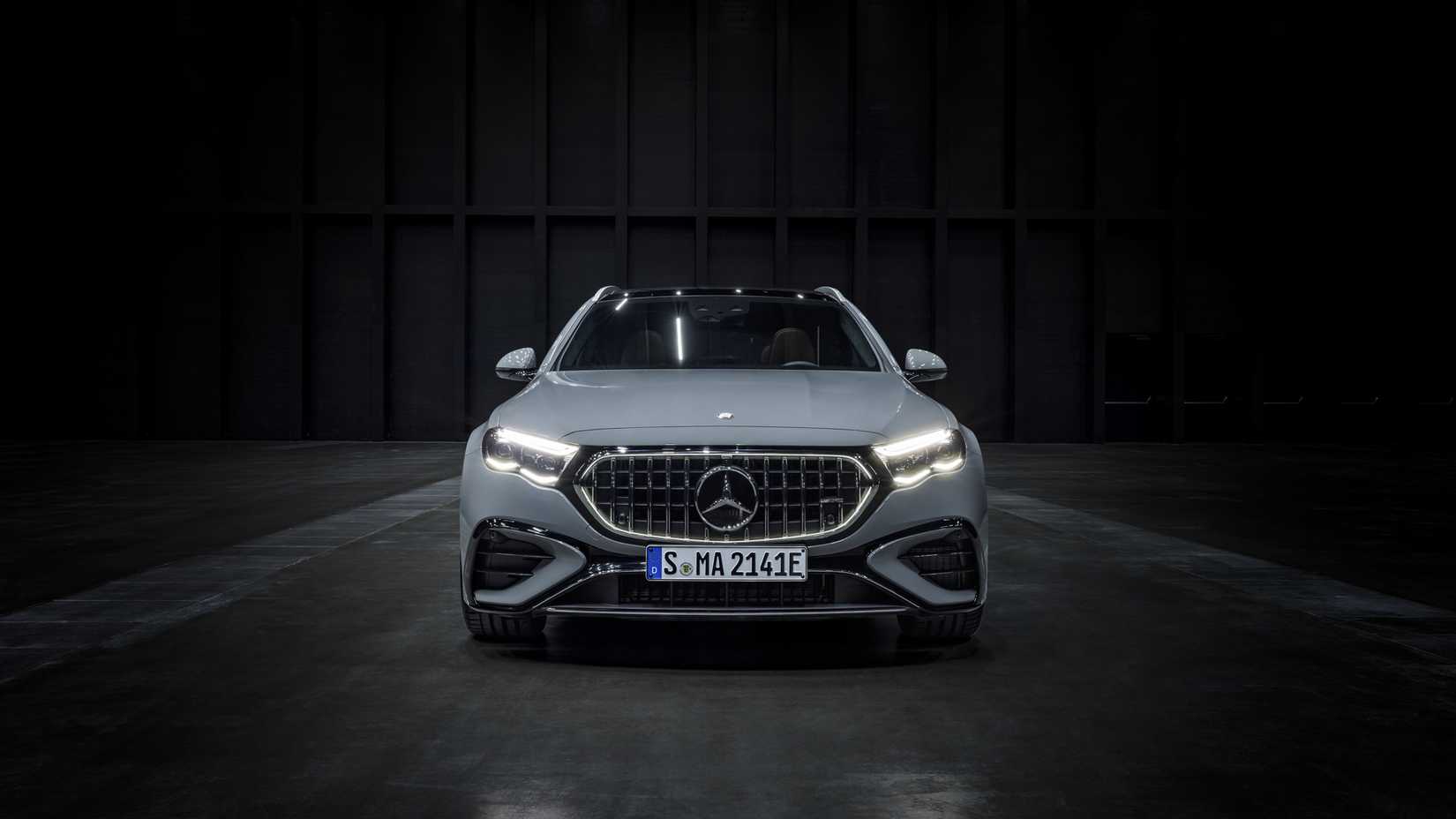
2026 Mercedes-AMG E 53 Hybrid EstateMercedes-AMG
The plug-in hybrids are the bigger swing. These pair a turbo engine with a much stronger electric motor and a larger battery, which you charge at home or at public stations. Mercedes also uses clever software to blend both power sources together, so instead of feeling like two separate systems, it comes across as one cohesive drivetrain. Quiet when you want it. Fast when you need it. Luxurious all the time.
Electric-Only Driving
What Mercedes Plug-In Hybrid Models Can Do In EV Mode
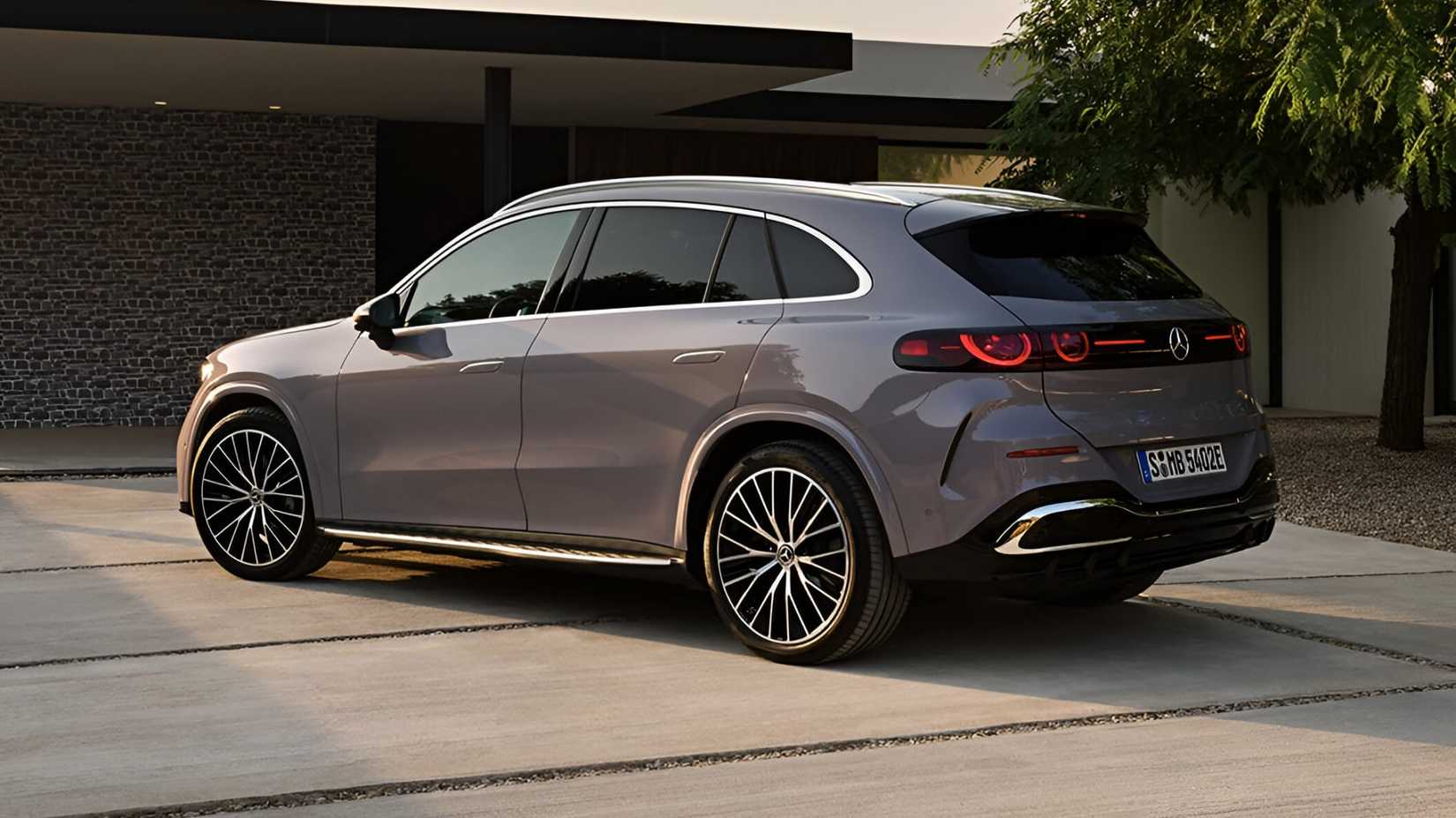
2027 Mercedes-Benz GLC 400 Electric rear third quarter viewMercedes-Benz
In many Mercedes plug-in hybrid models, particularly the GLE 450e 4MATIC (up to 49 miles) and GLC 300e (up to 54 miles), you get true electric-only operation — not for a couple of blocks, but enough to cover most short commutes, errands, and school runs. Because the battery is larger than in mild hybrids, you can spend more of your day in pure electric mode when the conditions suit it.
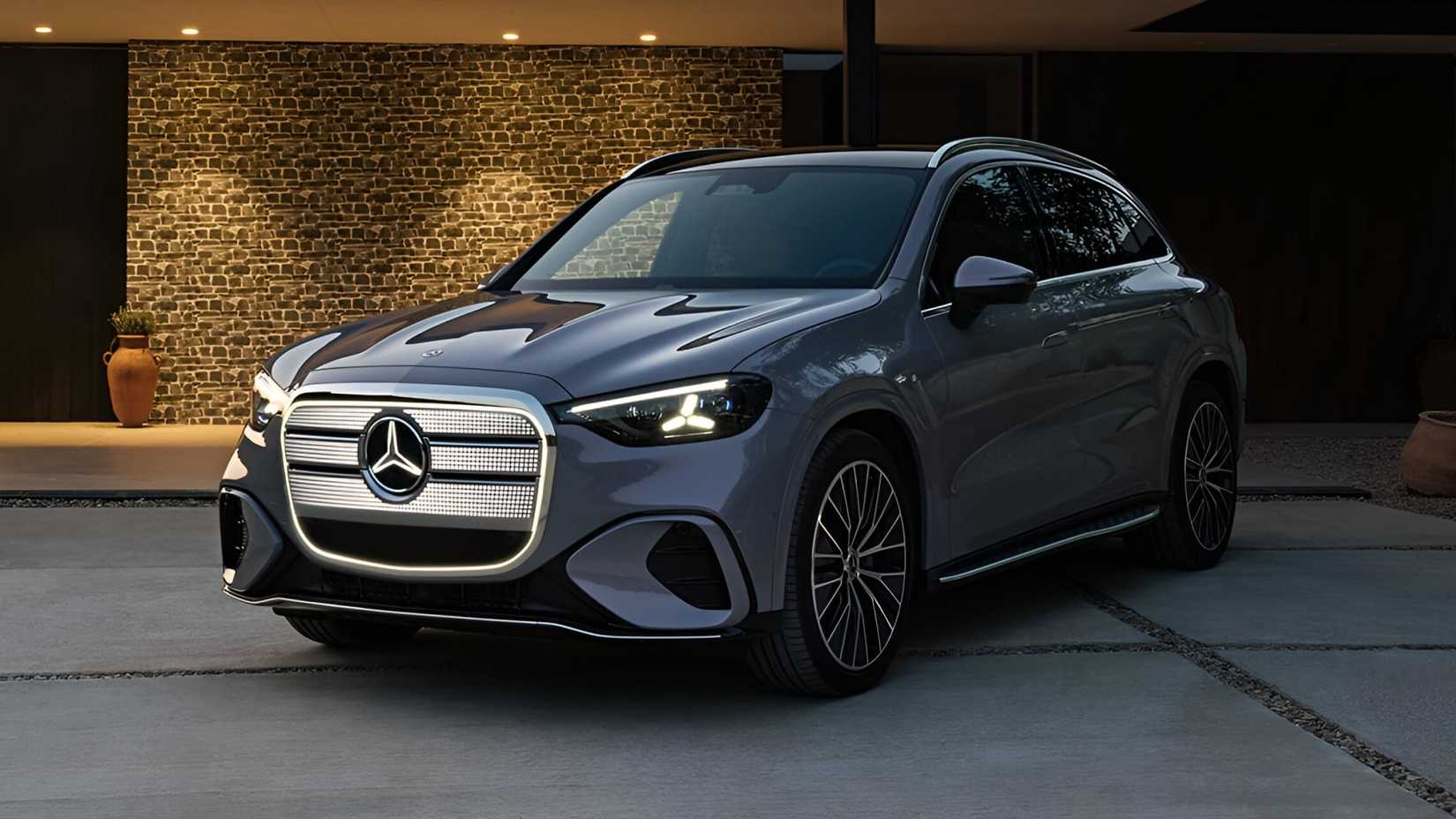
2027 Mercedes-Benz GLC 400 Electric front third quarter viewMercedes-Benz
In practical terms, that means a lot more silent starts and zero-gas operation around town. If work is close and errands are closer, a plug-in Mercedes can keep the gasoline engine asleep longer than you might expect. This capability matters in 2026 because fuel prices aren’t static, and consumer budgets are tight, especially if you just bought a Mercedes. Electric-only driving isn’t just environmentally kind — it can also represent real savings at the gas station.
Related
Mild Hybrid vs. Full Hybrid: Key Differences And Benefits
Mild-hybrids and conventional hybrids have many mechanical differences, and here’s everything you need to know.
Luxury Without Sacrificing Performance
Why Hybrid Mercedes Models Are Still Fancy Even When They’re Fast
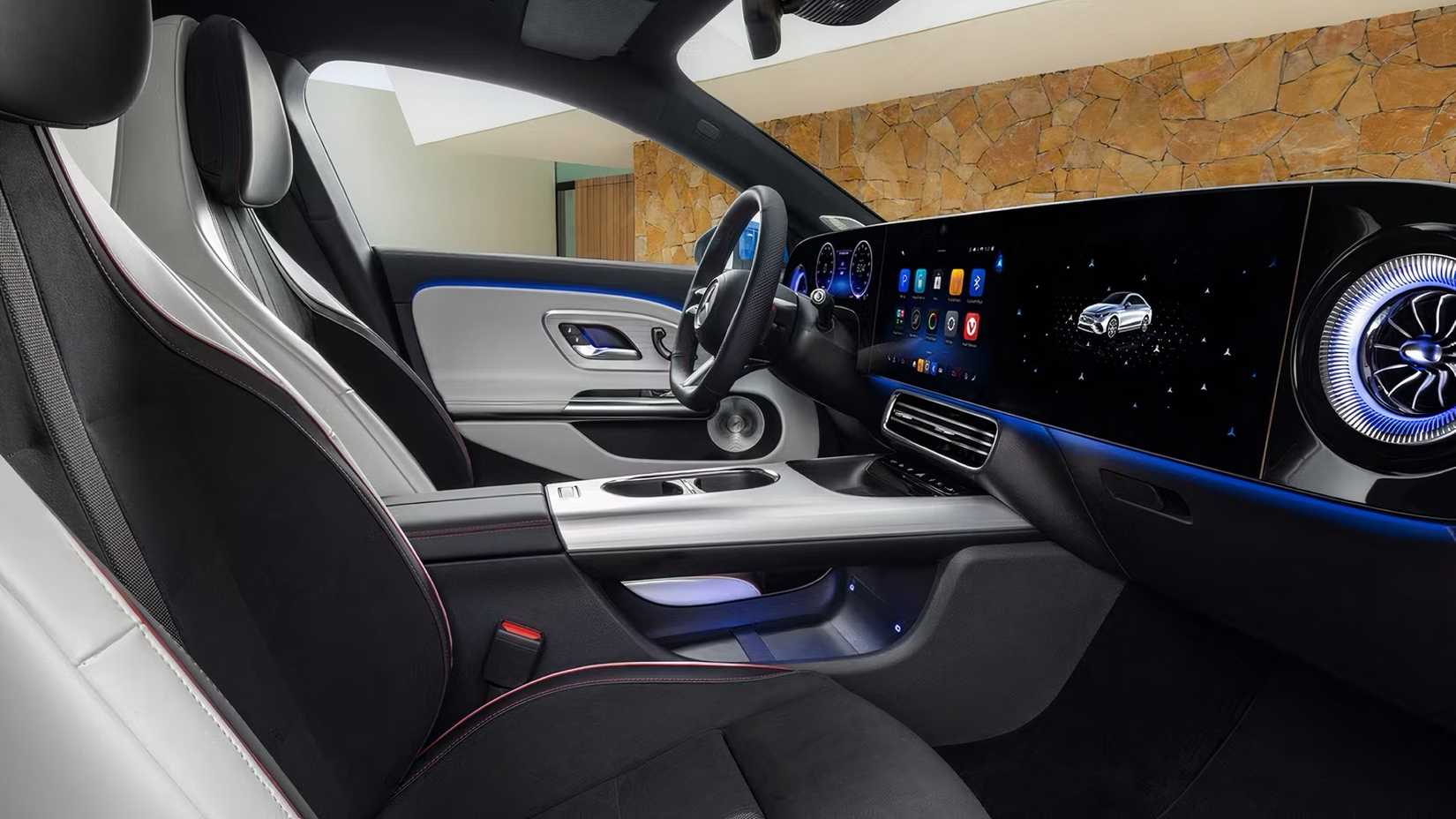
Low-angle shot of 2026 Mercedes-Benz CLA-Class interior showing front cabinMercedes-Benz
I think it’s fair to say most early hybrid cars felt like compromises: efficient, but boring. Mercedes flipped that script. Hybrid models like the GLE 580 or high-output variants with EQ Boost aren’t slow, they aren’t lethargic, and they certainly aren’t padding around in comfort-mode limbo. Hell, F1 cars use hybrid powertrains now. Forgetting F1 cars, for us normies, electric torque still fills in below the turbo’s sweet spot, giving hybrids a punchier response and flatter power curves than many pure-gas equivalents.
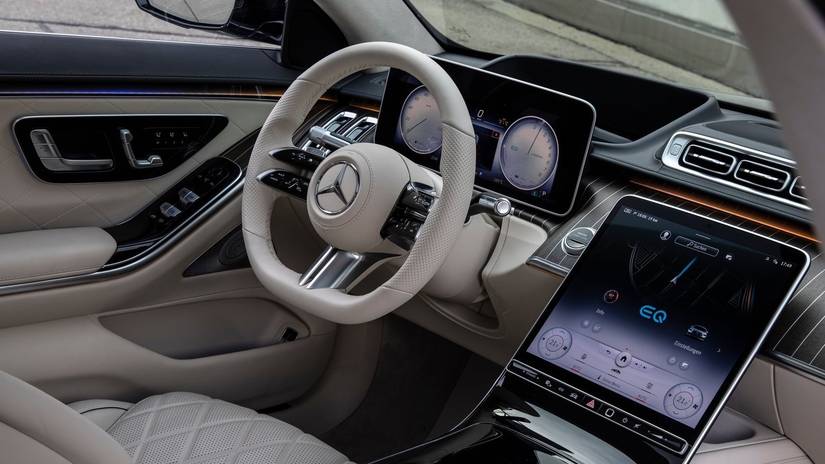
Interior of a Mercedes-Benz S580eMercedes-Benz
The real success here is that Mercedes doesn’t make you choose between fuel economy and a fun car. Whether you’re merging onto the highway or climbing a mountain pass, the hybrid system is there to assist, not babysit. As a result, “hybrid” is no longer shorthand for “boring.” That’s a meaningful shift, and it’s worth highlighting for buyers who reject the idea that efficiency must come at the expense of excitement.
Smoother Transitions Between Drive Modes
How Mercedes Hybrid Systems Blend Gas and Electric
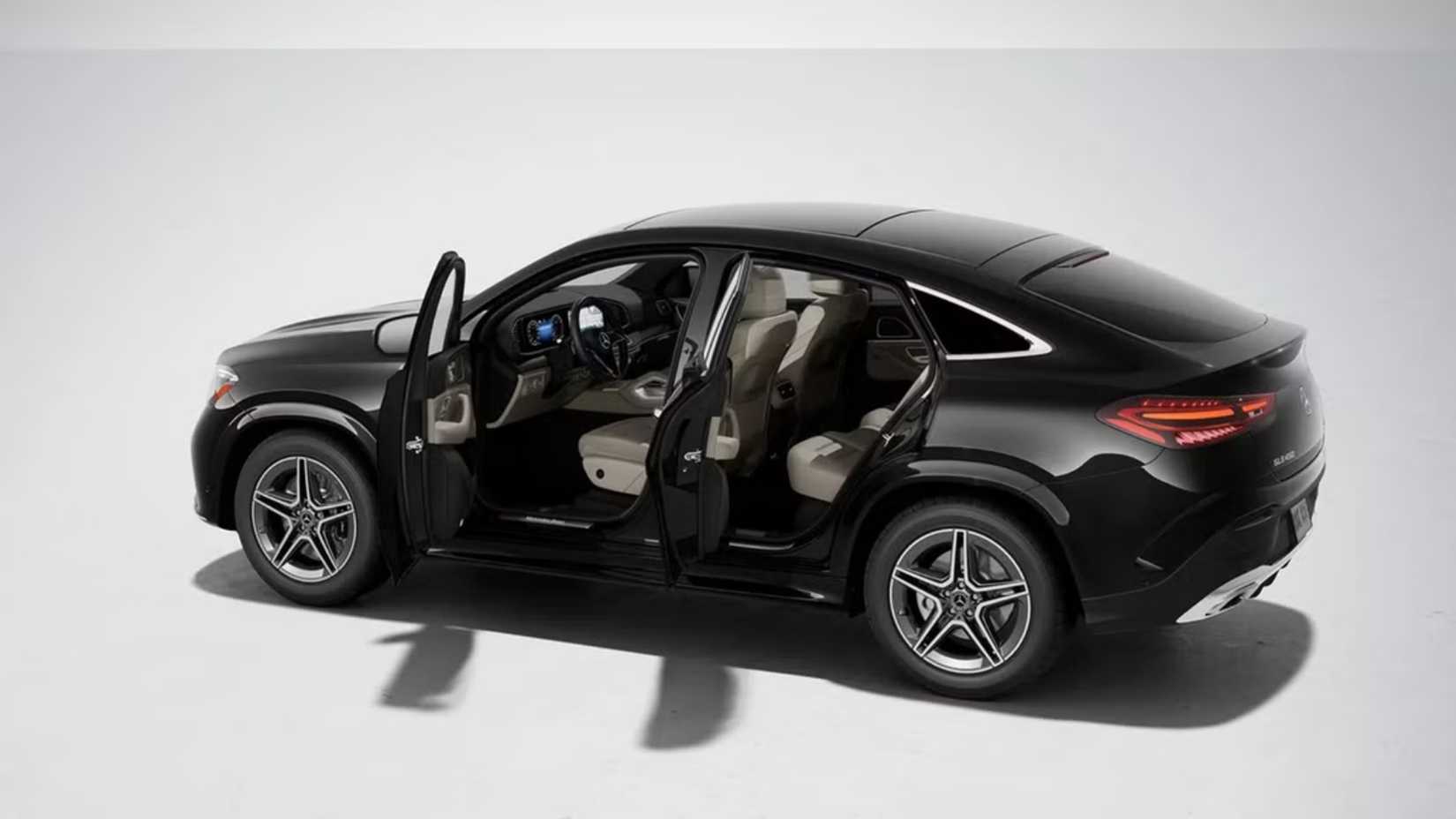
2026 Mercedes-Benz GLEMercedes-Benz
One of the understated benefits of Mercedes hybrid systems is the way the software manages mode transitions. On less sophisticated hybrids, engine start/stop and transitions between EV, hybrid, and sport modes can feel abrupt, even annoying. Mercedes engineers have spent years calibrating these transitions so they’re nearly imperceptible. Smooth transitions mean fewer distractions behind the wheel, a calmer cabin environment, and a sense that the car is working with you, not against you. And that’s luxury.
Less Frequent Visits to the Pump
You Save Money Driving A Mercedes Plug-In Hybrid
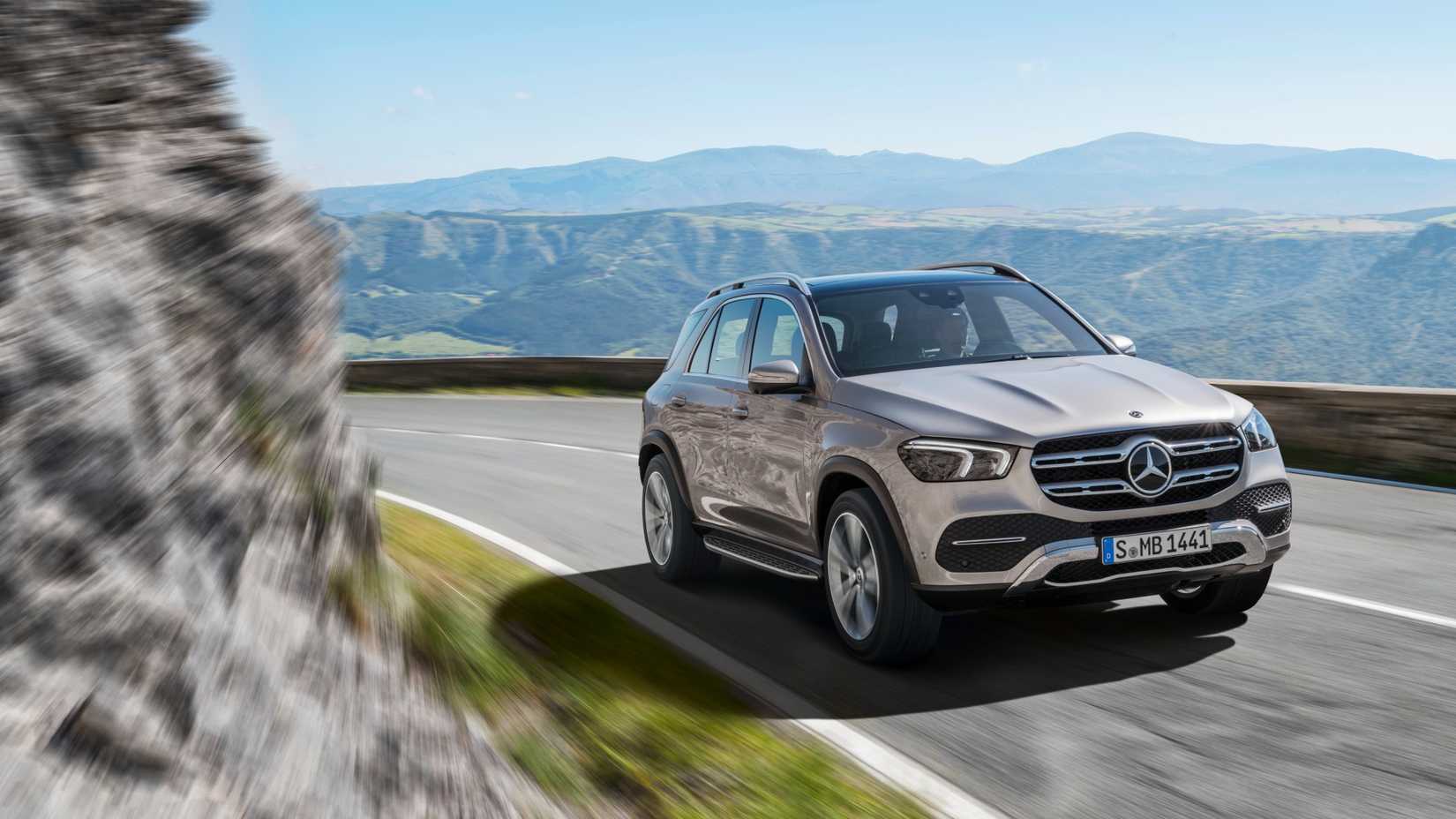
Mercedes-Benz GLE Plug-in Hybrid on the roadMercedes
Although we’ve been talking a lot about how efficiency isn’t always the main goal for Mercedes hybrids in 2026, these systems have some major pump-cost-cutting to be had here. Improved gas-burning efficiency and electric-only capability translate into fewer trips to the gas station — a simple fact that carries surprising emotional weight in a world where families are budgeting every mile.
This isn’t just about dollars spent per gallon, it’s about how often you spend them. A Mercedes hybrid, especially a plug-in, can cut fuel purchases dramatically compared to a pure-gas equivalent. When juxtaposed with the rising cost of ownership across the automotive industry, that convenience adds up in both tangible savings and reduced mental load.
This matters in 2026 more than most years, because consumers are less inclined to absorb inefficiencies as “normal.” They want balance — and hybrids deliver it.
Advanced Tech That’s Actually Useful
Smart Features That Set Mercedes-Benz Hybrid Cars Apart
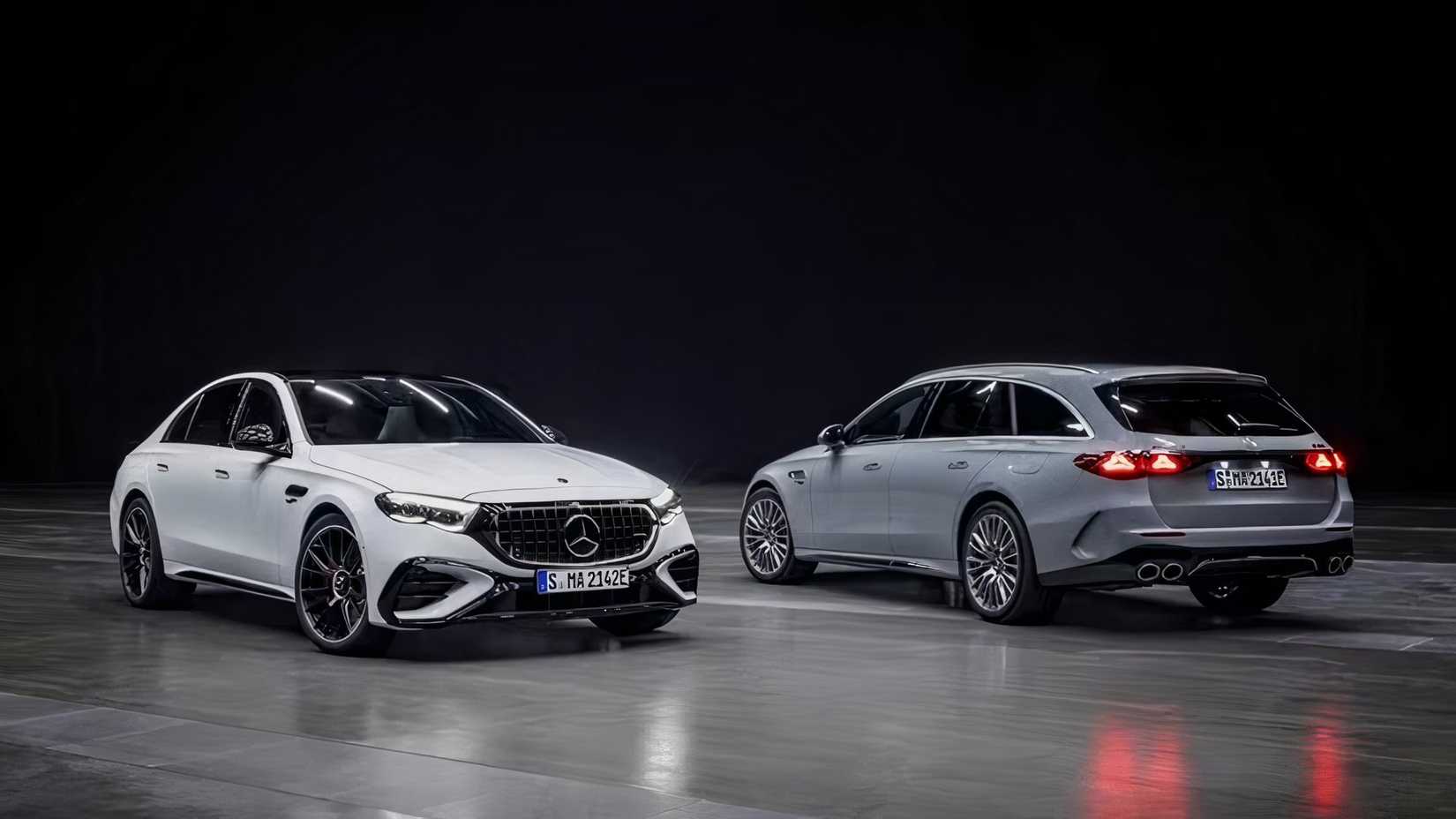
2026 Mercedes-AMG E 53 Hybrid Estate and sedan side-by-sideMercedes-Benz
Parts of automotive tech feel like window dressing. Mercedes’ hybrid systems don’t. They come with interfaces in the MBUX digital cockpit that show energy flow, battery charge, and system logic in a way that’s genuinely informative. If you want fuel economy, the tech tells you how to get it. If you want performance, the systems tell you how the engine and electric motors are cooperating for speed over efficiency.
For families and daily drivers, this translates to real feedback — not flashy graphics for their own sake, but insights that affect how you drive and how much you spend. That’s a different use of screens than “look how shiny this interface is.” Mercedes also integrates driver aids and safety tech that learn from hybrid logic. While some of us may be a little more wary of tech like this, ahem, than others, these overly tech features are simply the way the wind is blowing, and buyers seem to like them.
Longevity Backed By Engineering
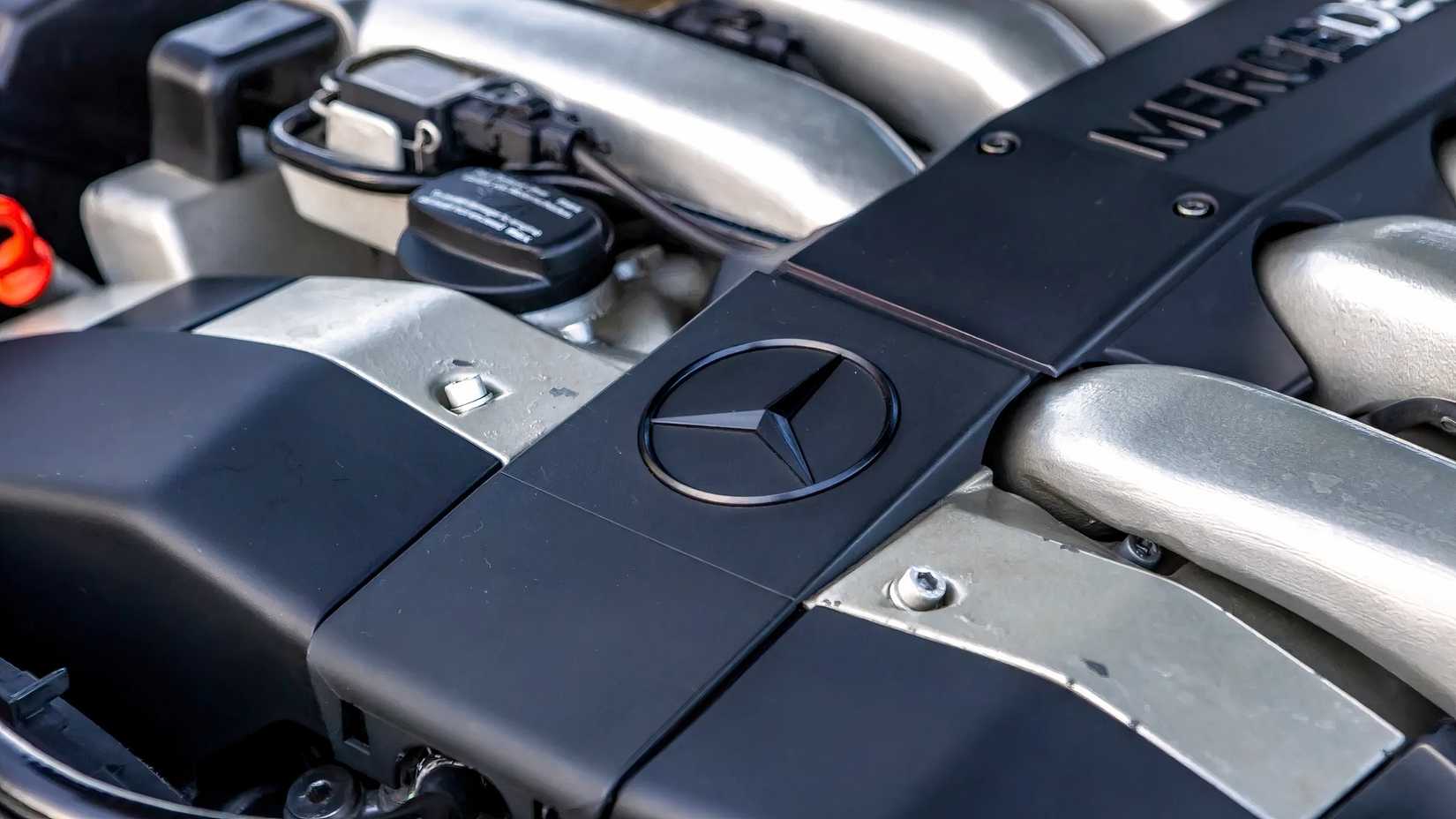
1997 Mercedes-Benz S600 engineBring a Trailer
Reliability Expectations for Modern Hybrid Mercedes Models
There’s a persistent myth that hybrid systems are fragile. It’s a holdover from early electrified tech that didn’t have the benefit of 25 years of refinement. Mercedes hasn’t just thrown batteries and motors into the mix; it has integrated them into the broader engineering philosophy that built the brand’s reputation for durability and luxury.
Hybrids from Mercedes tend to share architecture with traditional drivetrains, reducing the number of unique failure points. Where specialized components exist — like battery modules — they’re engineered with thermal management and longevity in mind. The result: systems that don’t just promise efficiency, they deliver consistency over years of varied use.
For families who don’t want to trade reliability for progress, this makes hybrid Mercedes a legitimate mainstream choice — not an experiment.
Strong Resale Value Compared to Peers
Why Mercedes Hybrid SUVs Hold Value Better Than Many Competitors
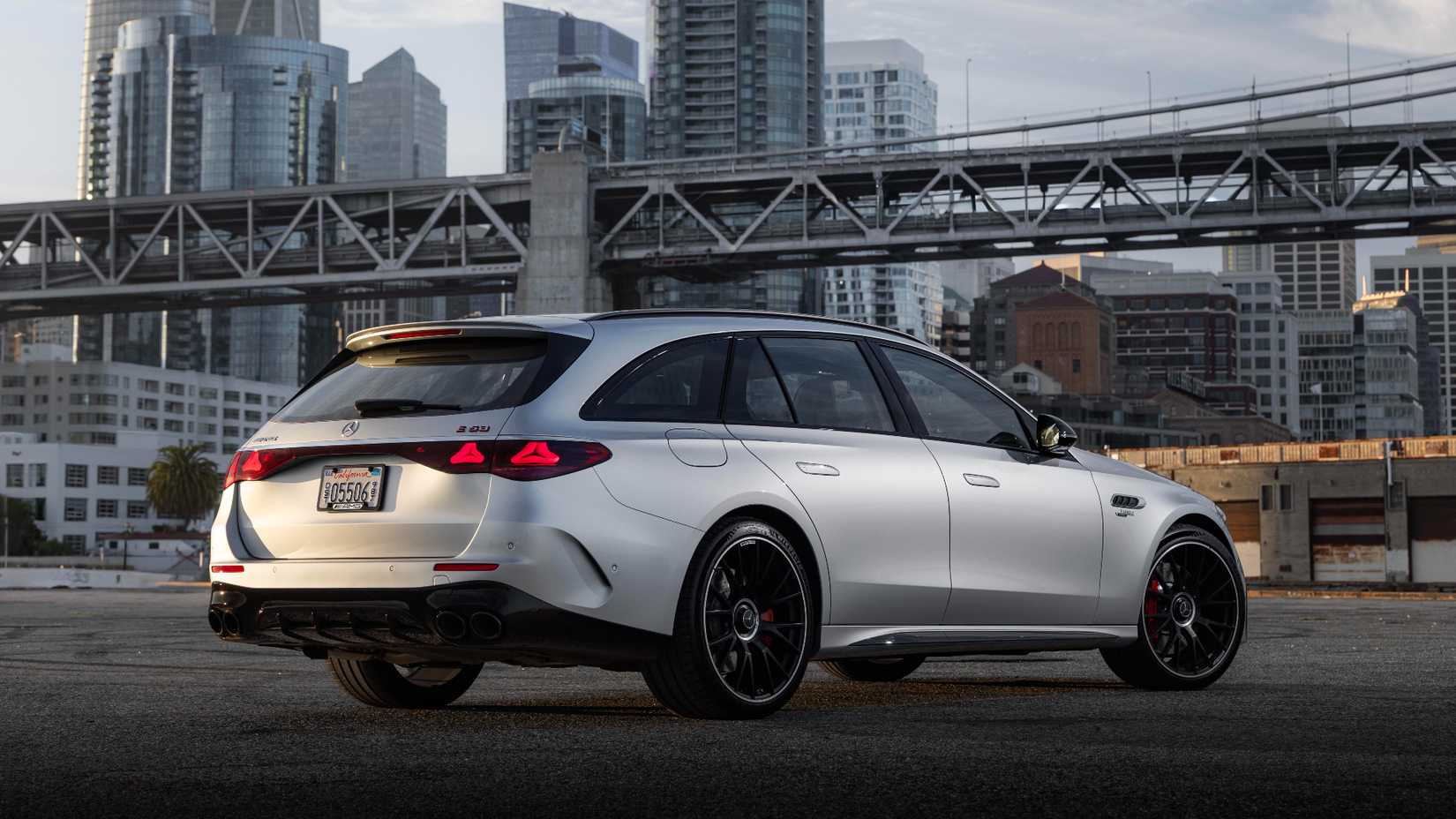
2026 Mercedes-AMG E53 Wagon rear 3/4 shotMercedes-Benz
Luxury hybrids have historically held value better than some pure-EV competitors because they balance innovation with familiarity. Buyers in the used market still defer to brands they trust, and Mercedes combines that brand trust with hybrid practicality. If you look at used luxury SUV price curves, Mercedes hybrids tend to depreciate more slowly than many fully electric or purely gasoline counterparts.
Part of that is brand strength. Part of that is mechanical restraint. And part of it is consumer psychology: people who buy used vehicles often want value more than novelty. A hybrid Mercedes reads as “advanced but proven,” which makes it more attractive on the used roster.
A Bridge to Electric Without Range Anxiety
Mercedes Hybrid SUVs Balance Electric Driving With Long-Range Freedom
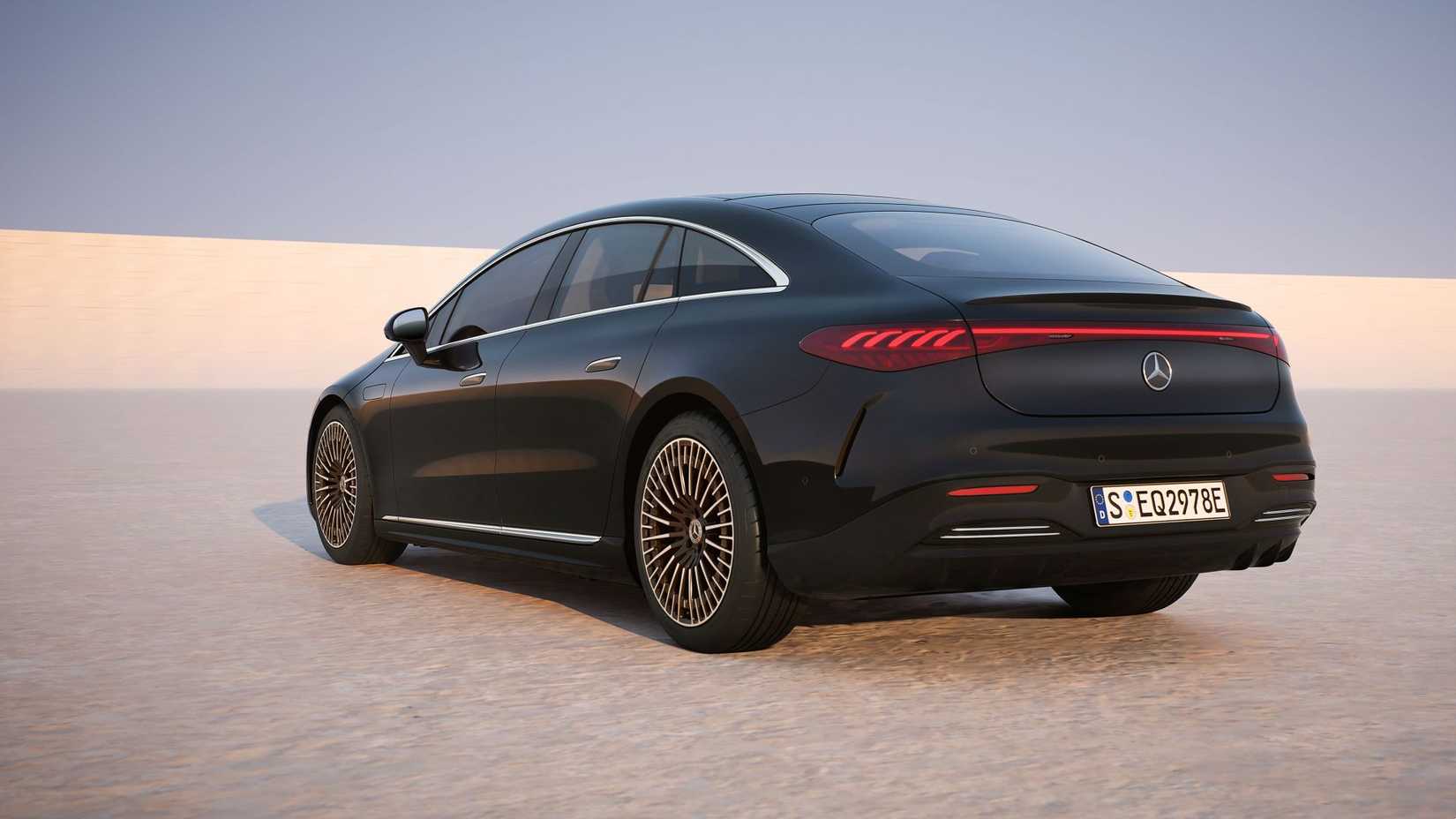
Link Image
Finally, perhaps the most compelling reason to consider a Mercedes hybrid in 2026 is that it feels like progress without sacrifice. Pure electrics are amazing, but range anxiety, charging infrastructure limits, and higher costs still matter for many families. Mercedes hybrids offer a bridge — electric assist for daily efficiency, gasoline backup for long hauls, and a total experience that doesn’t require itinerary planning.
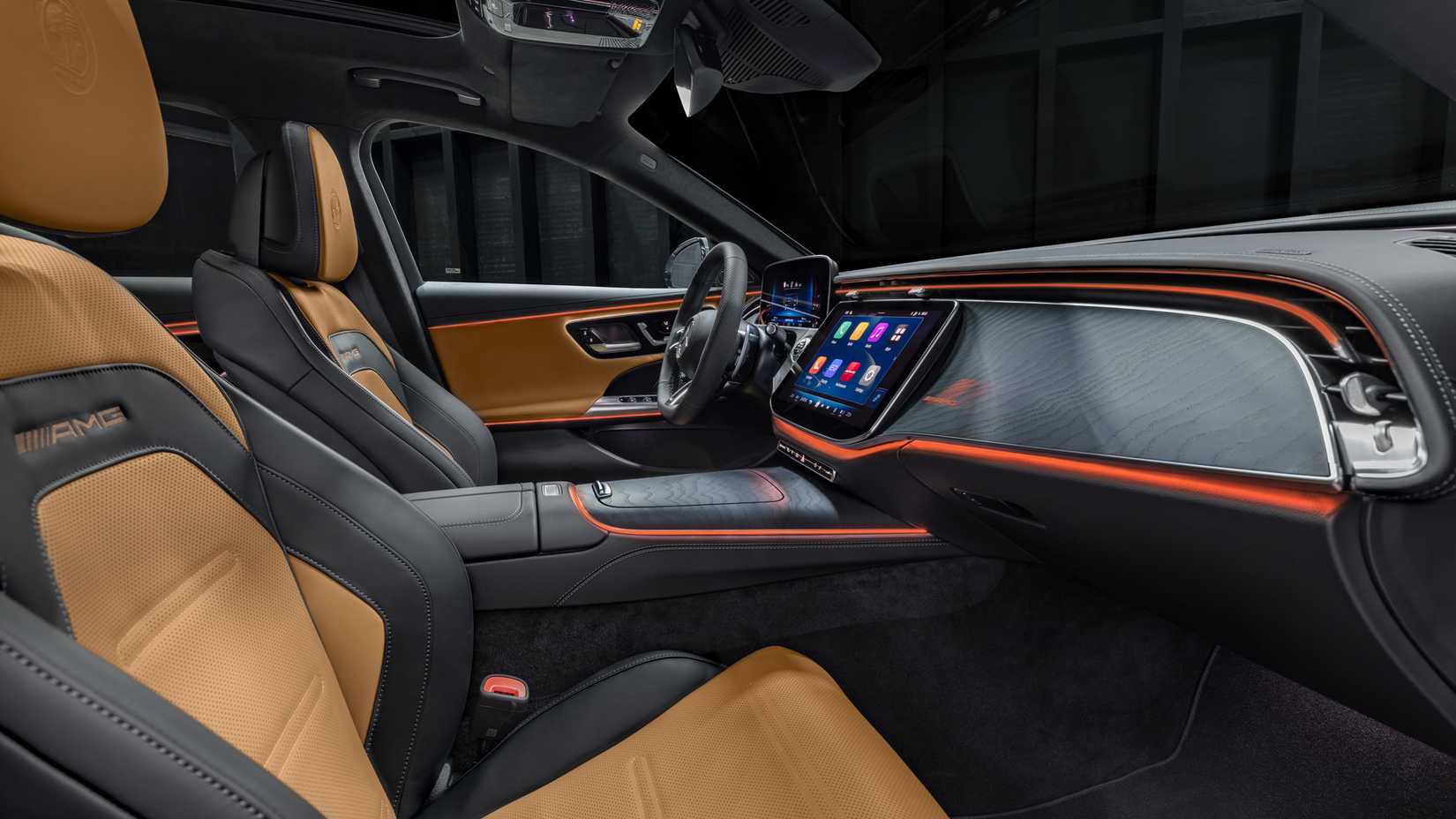
2026 Mercedes-AMG E 53 Hybrid EstateMercedes-AMG
It’s a pragmatic advancement — one that respects where the industry is headed while acknowledging where most drivers live right now. In a world of homogenized tech, subscription gates, and digital complexity, Mercedes hybrids make the case that the future doesn’t have to abandon the past. They offer efficiency, refinement, and real utility without leaving drivers behind.
Related
The German V-12 That Can Last Forever
A naturally aspirated masterpiece, this engine’s legacy transcends its time.