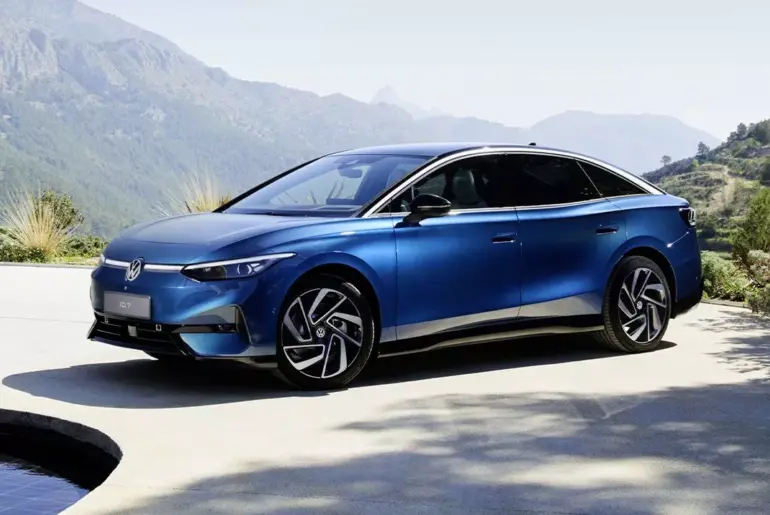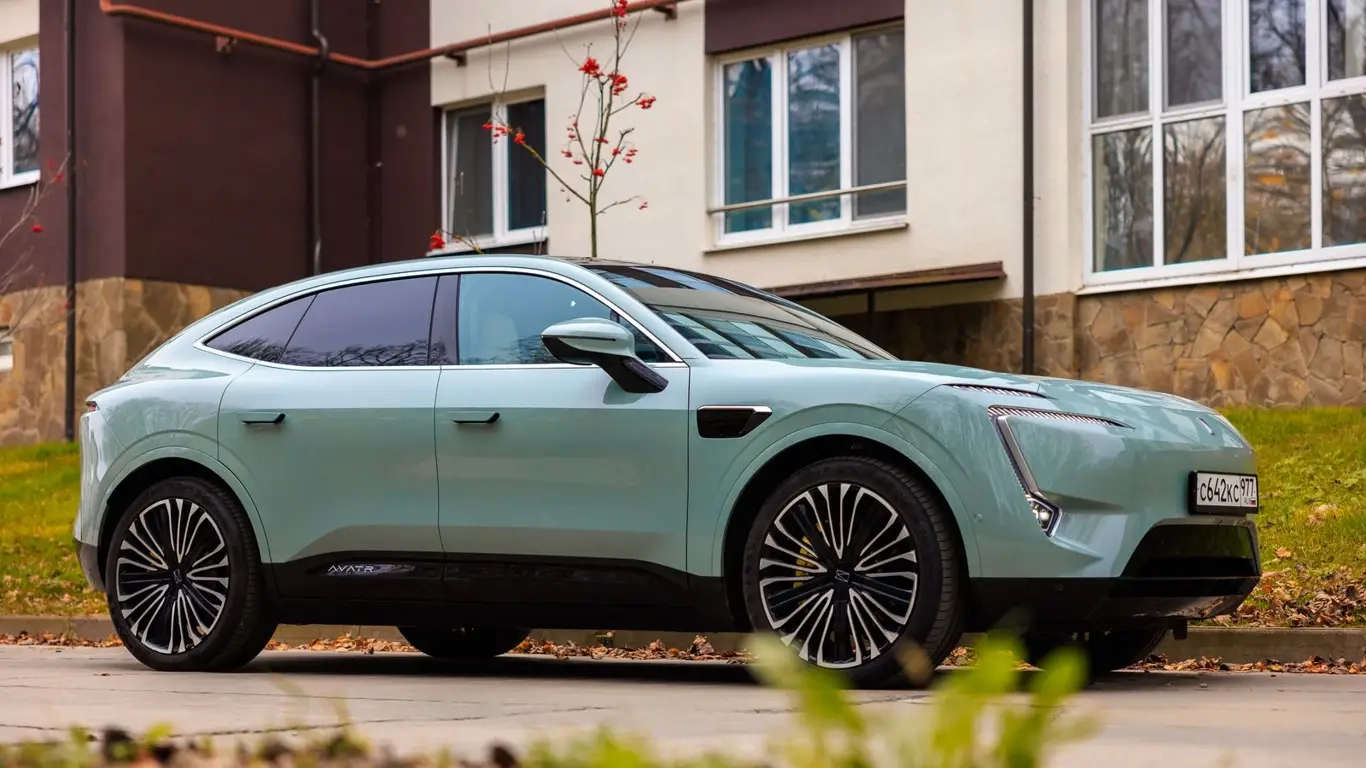
Learn how regenerative braking affects stability in rear-wheel-drive EVs on icy roads. Get expert tips for safer winter driving, including adjusting settings.
Winter driving with rear-wheel-drive electric vehicles demands extra caution. The potential loss of stability often stems from regenerative braking—a feature built into all EVs that activates when the driver lifts off the accelerator.
In these vehicles, the single motor is mounted on the rear axle. When the accelerator is released, the system engages regeneration, slowing the car via the rear wheels. On ice or packed snow, even a modest braking force can exceed the available grip and induce a skid. While the electronics quickly disengage regeneration, the moment of traction loss has already occurred, leaving the stability control system to work with minimal remaining grip.
 A. Krivonosov
Testing has revealed this effect is particularly pronounced on models with standard all-season tires, like the Volvo EX30, but it also occurs on vehicles fitted with winter tires, including the Lucid Air Pure. On icy surfaces, the rear end can begin to slide even at moderate speeds with smooth driver inputs.
In all-wheel-drive electric vehicles, regenerative braking is distributed between both axles, which reduces the risk of a sudden loss of traction. Moreover, such systems can redistribute torque to help stabilize the vehicle’s path. For rear-wheel-drive EVs, the most effective solution remains disabling regeneration or switching it to its lowest setting before driving on slippery roads. This is the precise recommendation highlighted in the manuals for Tesla, Lucid, and Volvo vehicles, yet many drivers are simply unaware of it.