India’s interim trade deal framework with the United States is poised to recalibrate the country’s niche premium mobility segment, with duty concessions on select high-end motorcycles and large-engine vehicles expected to widen consumer choice without materially disrupting domestic industry.
According to a report by The Times of India, American brands such as Harley-Davidson, Jeep and Tesla are likely beneficiaries of the concessions, even as safeguards ensure that Indian manufacturers face little direct competition.
The government’s approach, the report noted, offers targeted relief in segments where domestic participation and volumes remain limited.
At the same time, the broader agreement secures zero-duty access for a wide range of Indian exports–from agriculture and pharmaceuticals to high-value manufactured goods–underscoring a reciprocal structure aimed at balancing consumer access with domestic economic interests, Commerce and Industry Minister Piyush Goyal said.
Also read: Harley-Davidson bikes to get cheaper in India under US trade deal; impact on Hero JV unlikely
 Live EventsPremium imports, limited domestic overlapNotably, fully built Harley-Davidson motorcycles in the 800–1,600cc category will receive zero-duty access once the framework is implemented, marking a concession earlier sought unsuccessfully by previous US administrations.
“The concessions are only for Harley Davidson bikes and not for others,” an official told ToI.
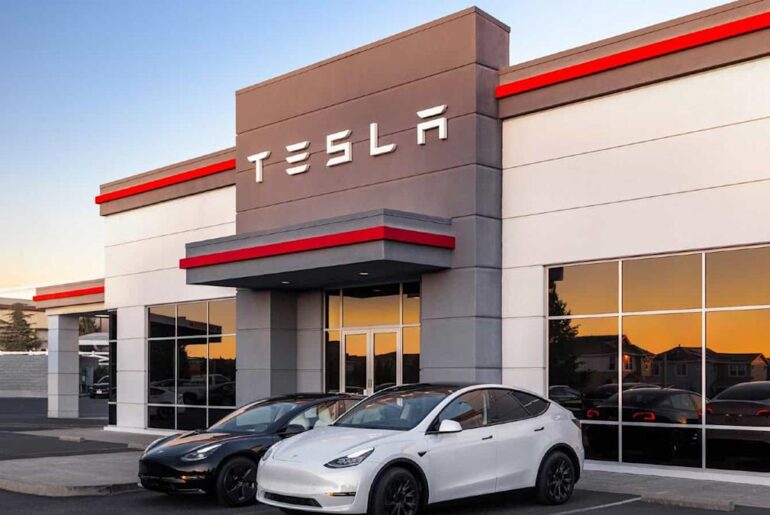
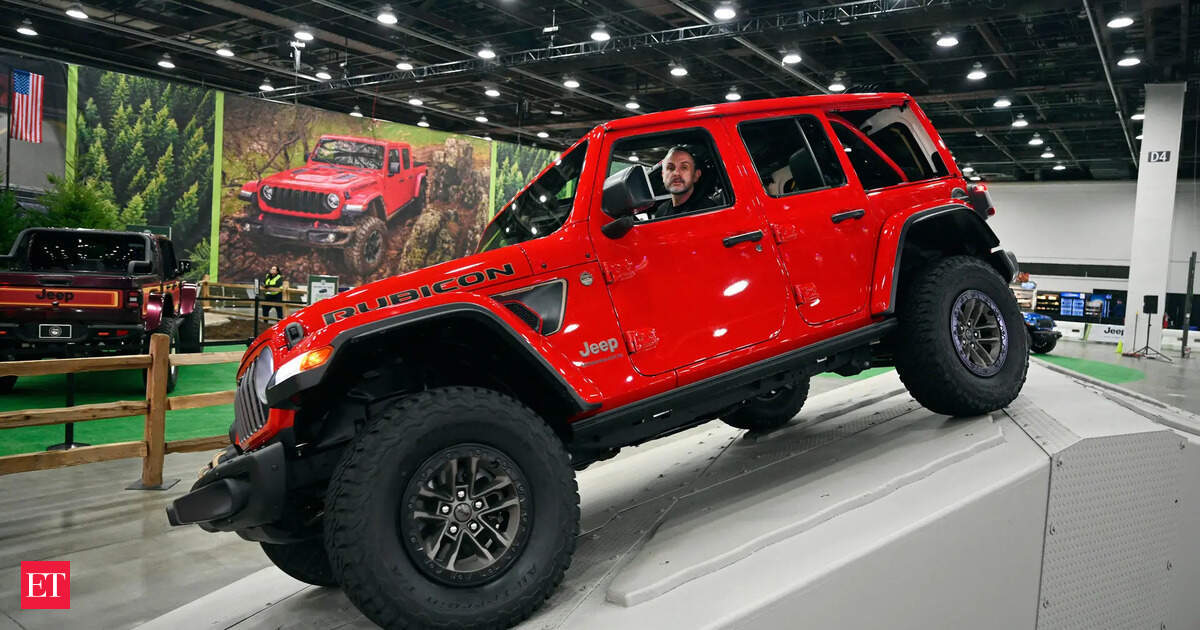
The report added that vehicles with engine capacities above 3,000cc could see import duties reduced from 110% to 50% for a specified number of units, before falling to zero over the next decade–an opening that may benefit Tesla as well as Jeep, particularly after the exit of Ford and General Motors from the Indian market.
Industry executives cited by ToI suggested the impact on domestic manufacturers would be minimal because Indian companies do not operate meaningfully in these high-displacement segments and overall volumes remain low.Price signals and consumer choiceAdditional details reported by The Economic Times indicate that import duties on fully built premium Harley-Davidson motorcycles above 800cc, currently around 44%, are set to be scrapped under the interim pact framework.
The relaxation is “aimed at assuaging American concerns,” said VG Ramakrishnan, managing partner at Avanteum Advisors LLP, adding that the move comes “without meaningfully impacting market access or manufacturing in India,” according to the newspaper.
Premium motorcycles represent only a sliver of India’s roughly 20-million-unit annual two-wheeler market, which is dominated by mass-market engines between 110cc and 250cc, ET had reported earlier.
Harley-Davidson itself sold just 187 fully imported motorcycles in the 800–1,600cc range during the first nine months of the fiscal year, highlighting the limited scale of the segment.
The pact also envisages lower customs duties on certain large-engine petrol and diesel cars, though electric vehicles remain outside the current framework, suggesting that any near-term consumer impact will be concentrated in conventional premium segments rather than mass EV adoption.
Zero duty, open market: Goyal says US doors open tariff free for India’s farmers and pharma
Exports, reciprocity and the wider trade balanceWhile headline attention has centred on high-end imports, the agreement’s larger economic significance may lie in export access.
Goyal said multiple Indian agricultural products–including tea, spices, fruits, cereals and processed foods–will now enter the US market at zero duty, alongside pharmaceuticals, gems and jewellery and several manufactured goods.
“I can say with full confidence that this India–US agreement does not harm the interests of India’s farmers, MSMEs, or the handloom and handicraft sectors in any way,” the minister said, emphasising that domestic safeguards remain intact even as market access expands.
Taken together, the framework suggests a calibrated shift: modestly cheaper access to select global premium vehicles for Indian consumers, paired with significantly wider export opportunities for Indian producers.