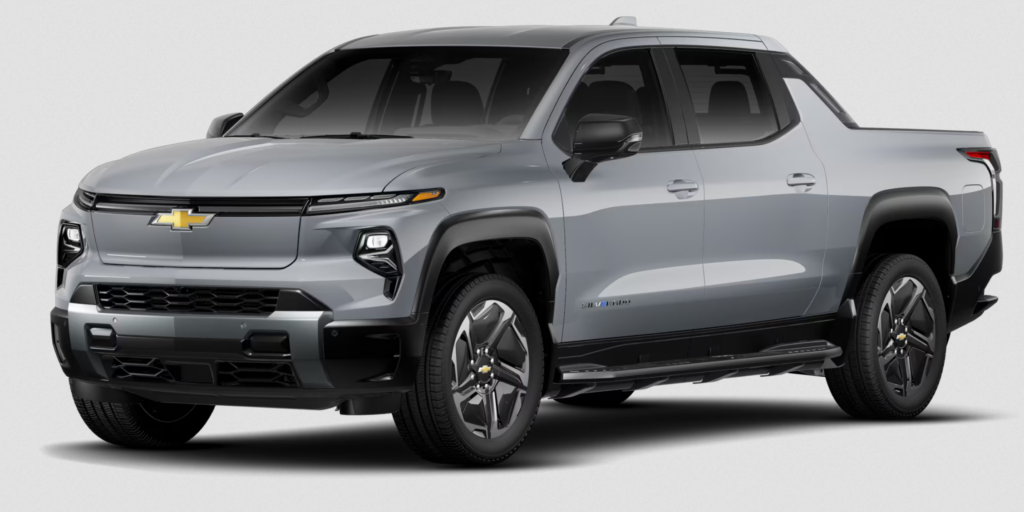
The City of Covington is weighing the costs and benefits of incorporating electric vehicles into its fleet.
“This is not about converting the entire fleet to electric vehicles overnight,” said Todd Sink, Covington’s manager of analytics and intelligence. “It’s about making smart, data-driven decisions when replacement decisions are already being made, and asking whether electric options could reduce long-term costs that will also meet operational needs.”
Mayor Ron Washington had directed Sink to look into the costs and benefits of incorporating electric vehicles into the fleets for various city departments, including police. Sink presented the findings of his analysis to the Board of Commissioners on Tuesday.
Sink’s analysis suggests overall reduced costs for the city if EVs were employed. Sink coordinated with the city’s departments in his analysis, which examined everything from fuel costs, maintenance costs, and up-front costs.
The city had scheduled to replace 12 gas vehicles in 2025. Data from those vehicles was used as a jumping off point for the analysis.
“In a hypothetical scenario, if the city had replaced the 12 vehicles with comparable electric alternatives, we [estimated] that the city could have saved about $23,000 alone on fuel maintenance costs in 2025,” Sink said.
 Chart provided | The City of Covington. Click for larger image.
Sink’s analysis was based on an eight-year vehicle life cycle. There are varying makes and models of EVs available for each city department, but Sink’s analysis estimated the city would save $122,408 over the course of eight years if it bought EVs instead of gas vehicles for the vehicles currently on the docket for replacement.
 Chart provided | The City of Covington. Click for larger image.
No formal action, one way or another, took place at the meeting, but the commissioners, some of whom own electric vehicles themselves, were supportive of the suggestion. Still, some had questions about the infrastructure needed to maintain the vehicles.
Commissioners Tim Downing and James Toebbe inquired about costs related to charging infrastructure.
“That is being investigated right now,” Sink said.
“Did we consider whether our current mechanics will be able to work on EV cars?” asked Commissioner Tim Acri.
Based on his research, Sink said city mechanics should be able handle anything unrelated to the vehicles’ batteries. Anything related to electricity has to be handled outside. Battery warranty periods will vary by dealership, Sink said.
“This is a good time to kind of look at this to see if it works,” Washington said.
Related