15 EVs qualify for up to $5,000 and 10 PHEVs for up to $2,500 starting Feb. 16Canadian-built models like the Charger Daytona and Pacifica PHEV are exempt from the $50,000 capRebate amounts decline each year from 2026 through 2030
The federal government’s new EV affordability program, announced February 5 as part of Canada’s national automotive strategy, reinstates purchase incentives for electric and plug-in hybrid vehicles. The program offers up to $5,000 for battery electric vehicles (BEV) and fuel-cell electric vehicles (FCEV), and up to $2,500 for plug-in hybrids (PHEV). It launches February 16, 2026.
To qualify, the vehicle must be manufactured in Canada or imported from a country where Canada holds an active free trade agreement, and the final transaction value must not exceed $50,000. Canadian-built vehicles are exempt from the price cap.
Based on current base MSRPs, 20 models from 13 manufacturers meet both criteria. An additional five Canadian-built models — one EV and four PHEVs — qualify regardless of price.
This list is based on manufacturer-suggested retail prices and does not account for any current or potential manufacturer rebates, dealer incentives, or regional discounts. It also does not reflect real-time inventory availability. The models listed are those either available to build on manufacturer websites or confirmed as coming soon at the time of writing.
Ottawa Announces Series of Measures, Including the Return of EV Purchase Incentives
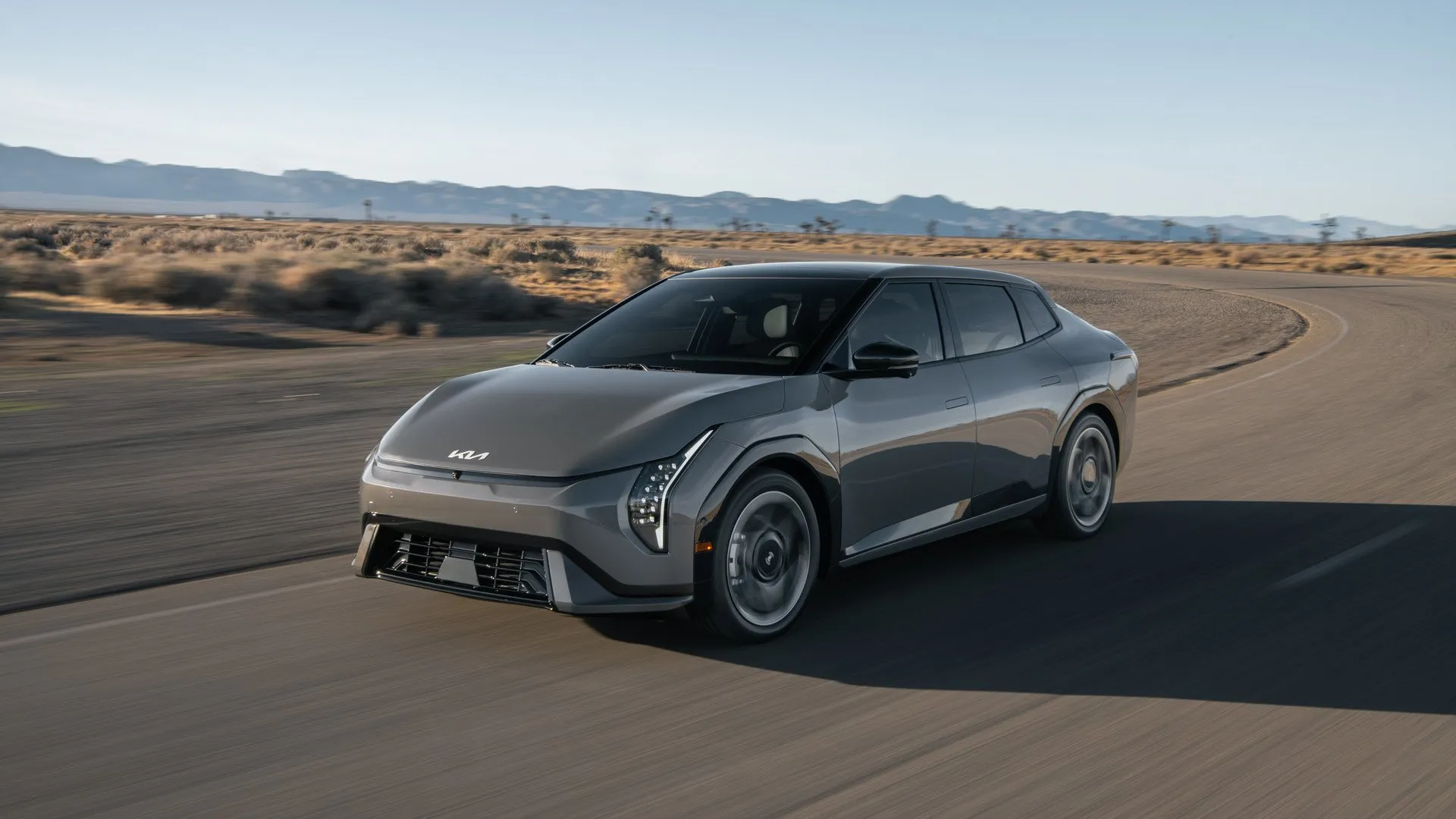
14 Battery Electric Vehicles Eligible for $5,000 RebateModelMYBase MSRPBuilt InKia EV42026$38,995South Korea 🇰🇷Chevrolet Bolt2027$39,999United States 🇺🇸FIAT 500e2025$42,290Italy 🇮🇹Subaru Uncharted2026$42,995Japan 🇯🇵Kia EV52027$43,495South Korea 🇰🇷Hyundai Kona Electric2026$43,999South Korea 🇰🇷Ford Mustang Mach-E2025$44,690Mexico 🇲🇽Nissan LEAF2026$44,998United Kingdom 🇬🇧Kia Niro EV2026$45,595South Korea 🇰🇷Toyota bZ2026$45,990Japan 🇯🇵Chevrolet Equinox EV2026$46,199Mexico 🇲🇽Volkswagen ID.42025$48,495United States 🇺🇸Kia EV62025$48,995South Korea 🇰🇷Tesla Model Y2026$49,990Germany 🇩🇪6 Plug-in Hybrid Vehicles Eligible for $2,500 RebateModelMYBase MSRPBuilt InKia Niro Plug-in Hybrid2026$39,585South Korea 🇰🇷Toyota Prius Plug-in Hybrid2026$40,050Japan 🇯🇵Ford Escape Plug-in Hybrid2026$40,494United States 🇺🇸Kia Sportage Plug-in Hybrid2026$46,395United States 🇺🇸Kia Sorento Plug-in Hybrid2026$48,695South Korea 🇰🇷Mitsubishi Outlander PHEV2025$48,698Japan 🇯🇵How the $50,000 Cap Actually Works
Here’s where the fine print matters. The eligibility threshold is based on “final transaction value,” not the manufacturer’s suggested retail price. In plain terms, that means the price you actually pay at the dealership after negotiation, not the sticker price on the window.
This distinction is worth paying attention to. Several models with base MSRPs above $50,000 could still qualify if the buyer negotiates the transaction price below the cap. The 2026 Mitsubishi Outlander PHEV ($50,498), the 2026 Subaru Solterra ($52,495), the 2026 Nissan Ariya ($52,898), and the 2026 Hyundai Tucson Plug-in Hybrid ($53,299), for example, all sit in a range where a dealer discount, seasonal incentive, or manufacturer rebate could bring them under the line. Buyers shopping in that range should confirm the final transaction value with their dealer before assuming they do or don’t qualify.
Watch the Model Year: The Outlander PHEV Example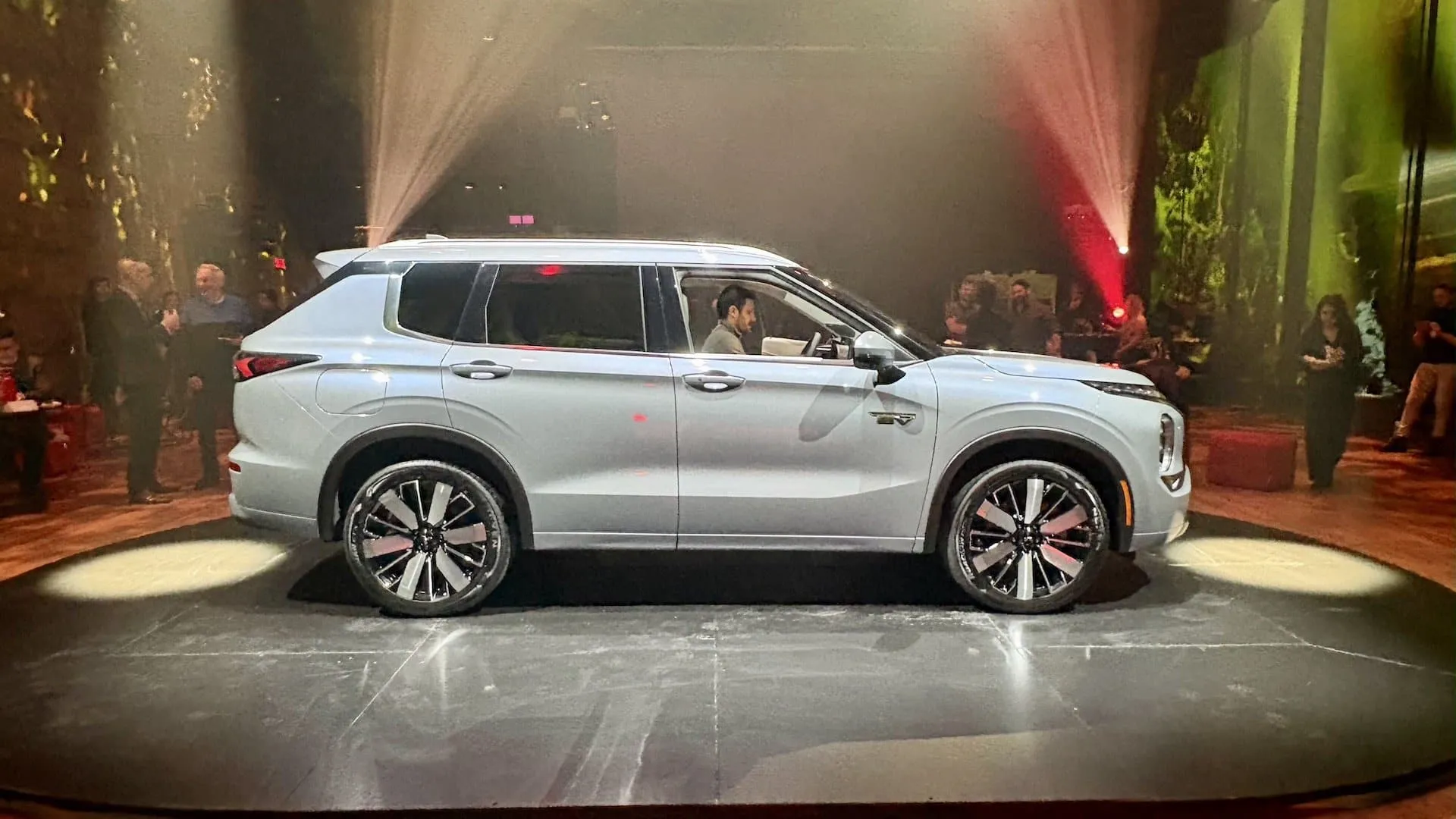 2026 Mitsubishi Outlander PHEV | Photo: Luc-Olivier Chamberland
The Mitsubishi Outlander PHEV illustrates an important detail. The 2025 model year carries a base MSRP of $48,698, placing it comfortably within the $50,000 cap. The 2026 model year, however, starts at $50,498, pushing it just beyond the threshold at sticker price.
Buyers interested in this model who want to secure the $2,500 PHEV incentive have two options: act while the 2025 model year is still available at dealerships, or negotiate a final transaction price below $50,000 for the 2026 model year.
Canadian-Built Models: No Price Cap Applies
The program includes one major exception to the $50,000 transaction value cap: it does not apply to vehicles manufactured in Canada. This opens the door for higher-priced Canadian-built EVs and PHEVs to qualify for the full incentive regardless of sticker price.
Five current models stand to benefit directly:
ModelMYTypeBase MSRPIncentiveBuilt InDodge Charger Daytona2025EV$54,995$5,000Brampton, ON 🇨🇦Lexus NX 450h+ AWD2026PHEV$59,990$2,500Cambridge, ON 🇨🇦Chrysler Pacifica PHEV2026PHEV$62,290$2,500Windsor, ON 🇨🇦Lexus RX 450h+ AWD2026PHEV$78,495$2,500Cambridge, ON 🇨🇦Toyota RAV4 PHEV2026PHEVTBA$2,500Cambridge, ON 🇨🇦
The Dodge Charger Daytona, assembled at the Brampton Assembly Plant in Ontario, is the only Canadian-built battery electric vehicle currently eligible. At $54,995, it would not qualify under the standard $50,000 cap, but the Canadian-built exemption makes it eligible for the full $5,000 BEV incentive.
The Chrysler Pacifica Plug-in Hybrid, assembled at the Windsor Assembly Plant, and the Lexus NX 450h+ and RX 450h+, both assembled at Toyota Motor Manufacturing Canada (TMMC) in Cambridge, all exceed the $50,000 threshold by wide margins. Each qualifies for the $2,500 PHEV incentive solely because of where it is built.
The 2026 Toyota RAV4 Plug-in Hybrid, also assembled at TMMC in Cambridge, is expected to arrive later this spring with pricing still to be announced. Based on the outgoing RAV4 PHEV and the new generation’s positioning, Plug-in Hybrid trims are widely expected to exceed $50,000. The Canadian-built exemption means the 2026 RAV4 PHEV will qualify for the $2,500 rebate no matter where pricing lands.
This exemption is worth paying attention to for anyone cross-shopping PHEVs. A buyer choosing between, for example, the Hyundai Tucson Plug-in Hybrid (built in South Korea, base MSRP $53,299, subject to the $50,000 cap) and the RAV4 PHEV (built in Canada, exempt from the cap) faces two different eligibility scenarios for the same $2,500 incentive.
5 Upcoming Models That Could Qualify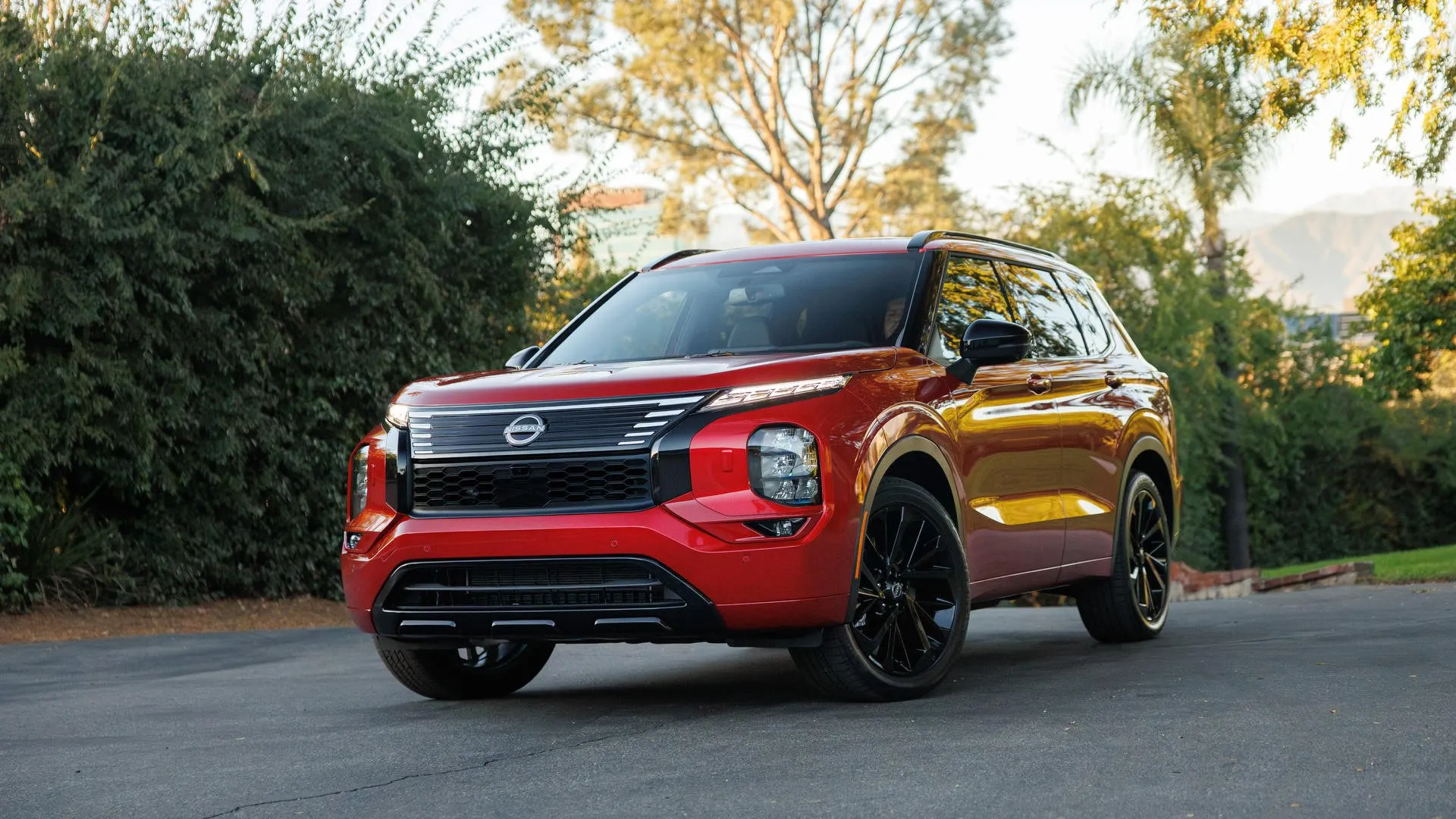 2026 Nissan Rogue PHEV | Photo: Nissan
Several EVs and PHEVs with unannounced Canadian pricing could fall below the $50,000 threshold once confirmed. These are worth watching:
ModelMYTypeBuilt InBase MSRPKia PV52027EVSouth Korea 🇰🇷TBANissan Rogue PHEV2026PHEVJapan 🇯🇵TBAToyota C-HR2026EVJapan 🇯🇵TBAVinFast VF62027EVVietnam 🇻🇳TBAVinFast VF72027EVVietnam 🇻🇳TBAIncentive Amounts Decline Over Five Years
The program runs from 2026 through 2030, with rebate amounts decreasing on a set schedule:
YearBEV/FCEV IncentivePHEV Incentive2026$5,000$2,5002027$4,000$2,0002028$3,000$1,5002029$3,000$1,5002030$2,000$1,000
The federal government projects over 840,000 new EVs will receive incentives through the program’s five-year span. Canadians can begin applying for the rebate starting February 16, 2026.