In late 2024, a legal showdown began that brought together Hollywood’s sci-fi legacy and Silicon Valley’s boldest automaker.
Alcon Entertainment, the production company behind the acclaimed science fiction film Blade Runner 2049, filed a copyright lawsuit in federal court in Los Angeles against Tesla and its CEO Elon Musk, along with Warner Bros. Discovery, over the use of AI-generated imagery at a high-profile Tesla product launch event.
The dispute has risen to renewed prominence this February after a U.S. District Court judge refused to toss out the case, allowing a crucial part of Alcon’s claims to proceed.
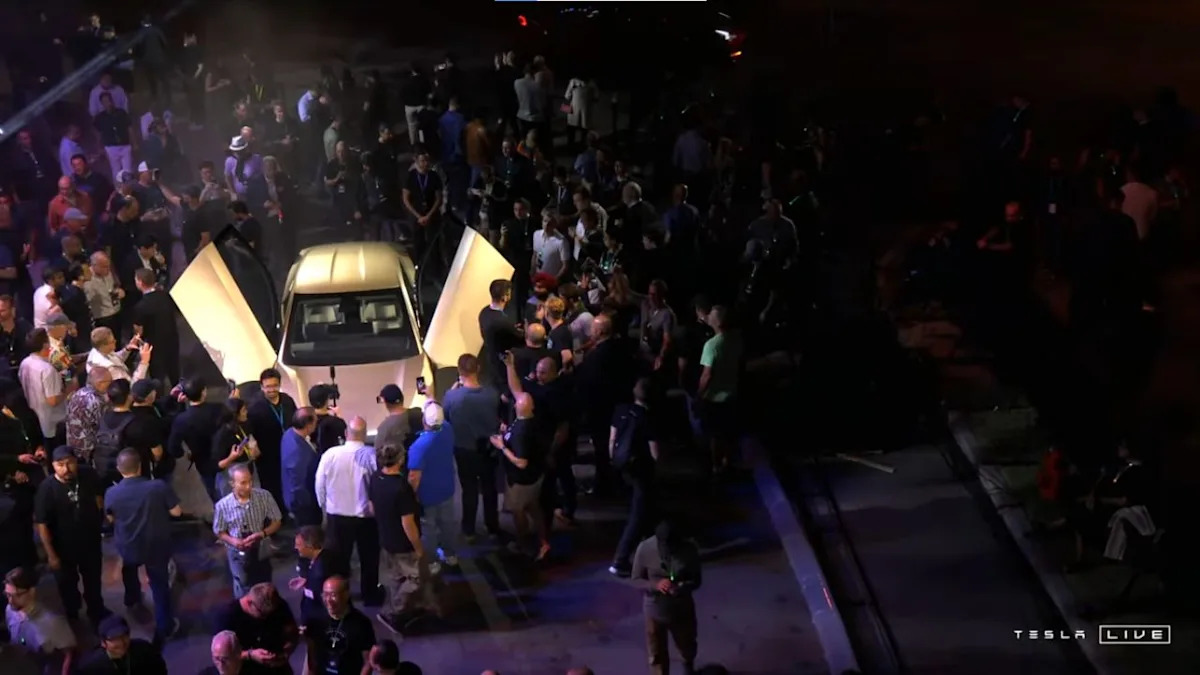
The conflict traces back to October 10, 2024, when Tesla held a livestreamed unveiling for its futuristic autonomous vehicle known at the time as the Cybercab or robotaxi.
At that event, Elon Musk spoke about the company’s vision for a robotaxi future and explicitly referenced Blade Runner, the franchise known for its depiction of dystopian future cities and flying cars.
Although Musk commented to the audience that he admired the film but did not want that bleak future, imagery shown during the presentation included scenes that closely echoed the look and feel of Blade Runner 2049.
Alcon Takes Offense
According to the complaint filed by Alcon, Tesla and its partners initially requested permission to use actual stills from Blade Runner 2049 in their launch presentation, but that request was turned down.
Alcon has contended that it refused outright and expressly did not want the film associated with Tesla’s event or brand. When that request did not succeed, the lawsuit alleges that Tesla then used artificial intelligence tools to produce images that imitated the stylistic elements of the movie’s visual design.
Image Credit: By Avazbek2077 – Own work, CC BY 3.0, Wikimedia.
These AI creations were displayed on screen as part of the Cybercab rollout, projecting an impression in the minds of viewers that Blade Runner 2049 had in some way endorsed or was affiliated with Tesla and its autonomous vehicle.
Beyond visual similarities, Alcon’s legal claims accuse Tesla and Musk of copyright infringement, claiming that these AI-generated visuals were derived too closely from the studio’s protected work.
It also included allegations related to false endorsement and misleading association, asserting that use of the imagery implied a connection between the movie and Tesla that did not exist.
Warner Bros. Discovery was also named because it had collaborated on the event with Tesla and provided the venue and infrastructure used for the presentation.
Early Court Battles
As the lawsuit wound its way through the U.S. District Court for the Central District of California, Tesla and Musk filed motions aimed at dismissing parts of the lawsuit, arguing that Alcon’s claims did not rise to legal sufficiency.
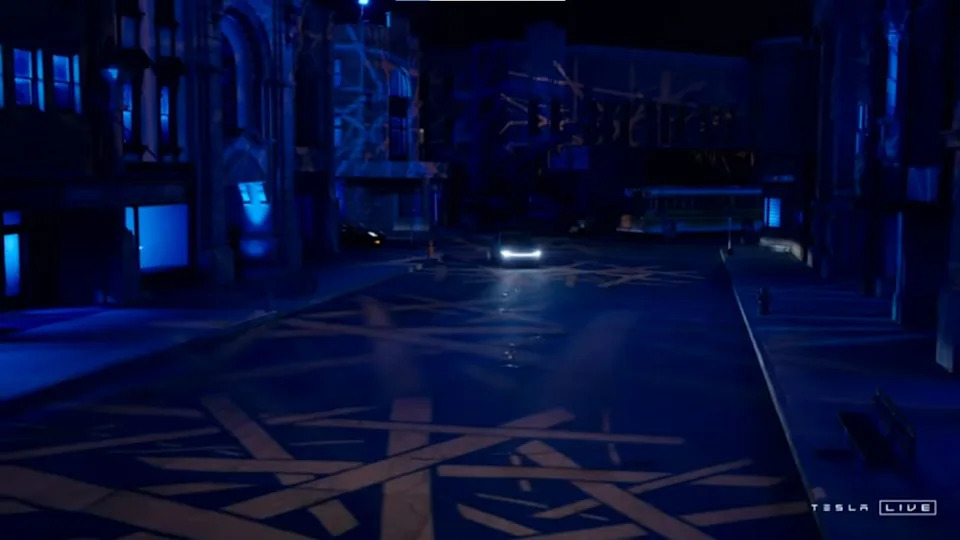
Image Credit: Tesla.
In early proceedings, the judge agreed with Tesla’s team on some aspects, dismissing certain trademark claims that alleged misuse of the Blade Runner brand identity. Those were knocked out before the copyright claims could get tested.
However, in a rather tentative ruling issued in early February 2026, the presiding judge, George Wu, made clear that the heart of Alcon’s copyright infringement claim was “valid and plausible” and could not be thrown out at this stage.
That means the case will move forward into discovery, where lawyers for both sides will examine each other’s evidence in detail. Importantly, Judge Wu also signaled that it was too early to decide whether Tesla might have a legitimate defense based on fair use or other legal doctrines.
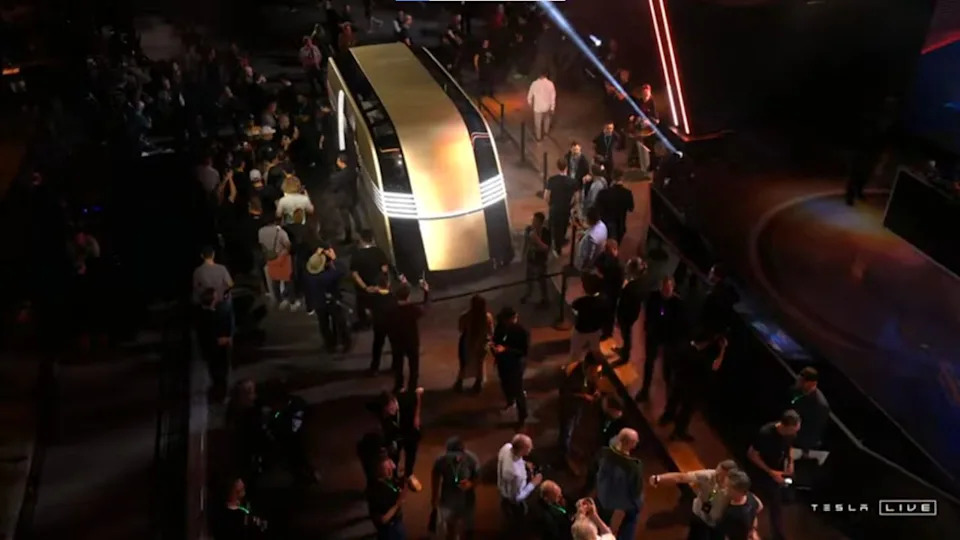
Image Credit: Tesla.
The lawsuit’s potential implications extend well beyond one image or one product launch. The case could become a bellwether for how courts treat AI-generated content that closely mirrors copyrighted material, especially when that content is used in commercial settings like marketing and promotional events.
The issue goes to the heart of how traditional intellectual property laws apply in an era of generative AI, and how companies must balance creativity with legal constraints.
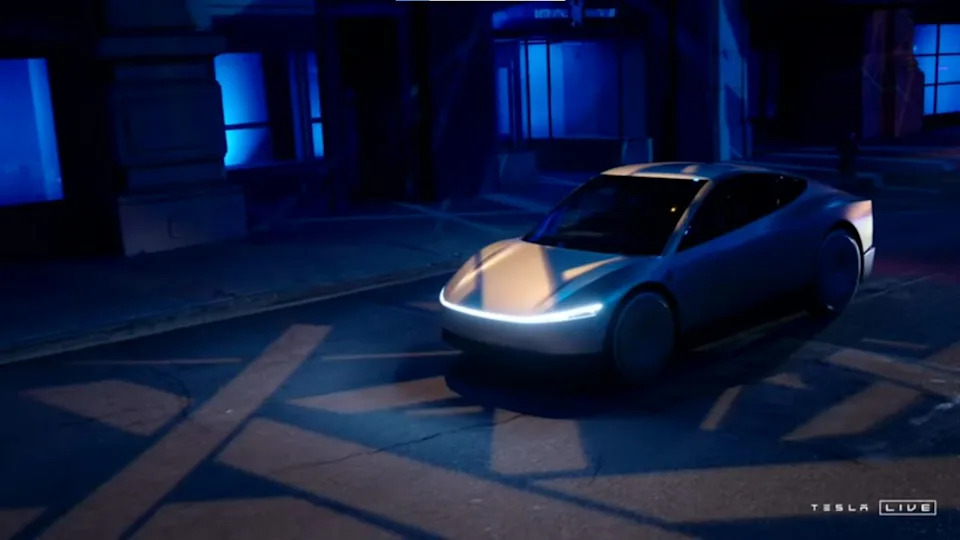
Image Credit: Tesla.
If Alcon ultimately succeeds in proving its copyright claims, Tesla could face financial damages and limits on its use of the disputed material. It could also set a precedent that dissuades other companies from leveraging AI to create derivative visuals without securing proper licensing or clearances first.
The stakes are particularly high for automakers that increasingly use digital media and AI tools to sell futuristic visions to consumers.
Next Steps in the Litigation
With the judge’s refusal to dismiss the core copyright claim, the lawsuit is now poised to enter the next phase of litigation. Discovery will likely involve expert testimony on AI image creation, technical analysis of the disputed visuals, and arguments over whether the images are sufficiently original or infringing.
Settlement remains a possibility, but if the parties cannot reach a deal, the case may ultimately be decided at trial.
For Tesla and Elon Musk, this legal battle adds to a growing list of courtroom challenges that accompany the company’s high-profile innovations and ambitious technology rollouts. For Blade Runner fans and observers of digital rights law, this clash offers a fascinating glimpse into how the future of intellectual property is being shaped in the age of artificial intelligence.
Sources: Reuters