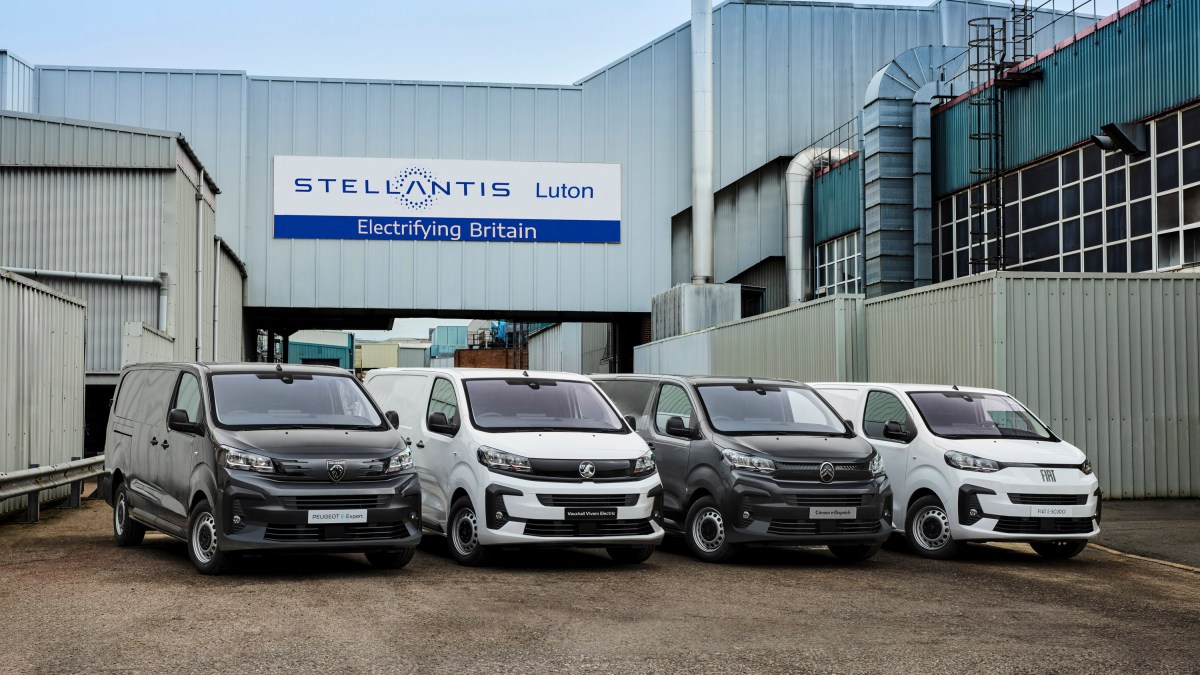
The European carmaker behind Vauxhall, Citroen and Fiat has announced a U-turn on its drive to focus on the production of electric vehicles, booking €22 million of future losses, write-offs and costs for cancelling new models.
The shock news from Stellantis, accompanied by the scrapping of its dividend, prompted a brief halt in trading as shares in the Franco-Italian group began to crash. They continued to fall once trading resumed, and were down 21 per cent at €6.40, the lowest price in five years by 9am UK time.
The strategic volte-face comes with a rebuke for legislators and regulators who have demanded the production of more electric cars, and plays into the agenda of President Trump with the announcement of the return of gas-guzzlers for the American market and a significant increase in production at its factories there.
The company said its future would be governed by “demand not command.”
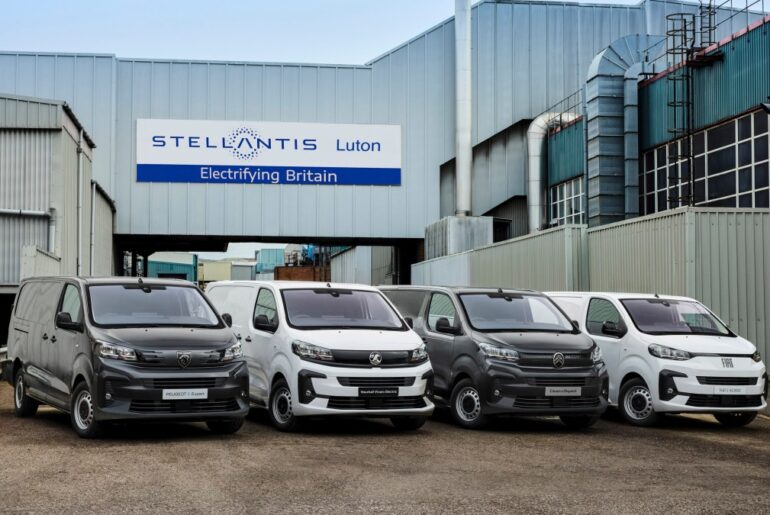
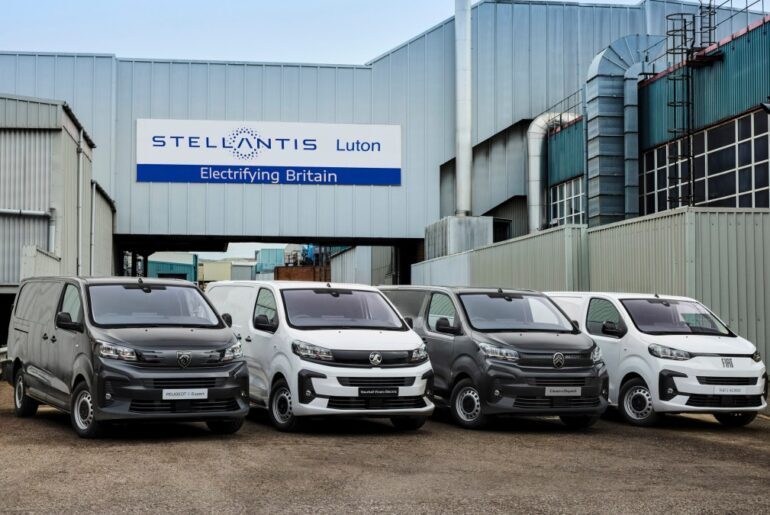
Stellantis is the automotive giant created by the merger of Peugeot and Citroen of France with Fiat of Italy and Chrysler of the US. Its stable of brands includes Vauxhall in the UK, though its industrial presence in Britain is now limited to a small amount of electric van production at Ellesmere Port.
The carmaker has been riven by infighting over future strategy, which led 15 months ago to the departure of its chief executive, Carlos Tavares, and the announcement of a new direction for the company came with his successor sharply criticising the previous regime.
Announcing the €22 billion of charges, which will see €6.5 billion of cash leaving the business, Antonio Filosa, chief executive for the last eight months, said the plans will include a new range of internal combustion engine models rather than electric vehicles, because that is what its customers want.
• The UK’s 10 most popular cars in 2025
Filosa said the change in strategy would reflect “the real-world preferences of its customers” and make Stellantis “a beacon for freedom of choice” for those customers whose lifestyle choices and working requirements amount to a rejection of electric vehicles.
“The reset we have announced today is part of the decisive process we started in 2025 to once again make our customers and their preferences our guiding star,” said Filosa.
“The charges announced today largely reflect the cost of over-estimating the pace of the energy transition that distanced us from many car buyers’ real-world needs, means and desires. They also reflect the impact of previous poor operational execution.”
The change in direction will see $13 billion of investment over the next four years to drive growth in the US, adding more than 5,000 jobs and increasing US manufacturing capacity utilisation.
• New EV tax ‘will put off nearly half of potential buyers’
It will include the reintroduction of the HEMI V8 engine, regarded as a totemic all-American Chrysler high performance internal combustion engine, to the Ram 1500 pick-up truck, and the Jeep Cherokee will return, a bestselling gasoline model ditched by Stellantis three years ago.
The company has also scrapped the RAM 1500 REV, an all-electric version of the pick-up due to go into production later this year.
Stellantis said: “The cancellation of products that will be unable to achieve profitable scale, including the previously planned Ram 1500 REV, recognises both the need to align with customer demand and the changes to US regulatory frameworks.”
• UK car output at its lowest in 70 years, but there is a spark of hope
In a dig at the previous centralisation of the company under the Tavares regime, the company added: “Decisive organisational changes include the re-empowerment of regional teams, freeing them to make decisions based on their direct knowledge of the preferences of the customers they serve.”
Stellantis’s move, although larger in scale, follows similar decisions by its US competitors, Ford and General Motors, marking a retreat by western carmakers makers from battery-powered models in response to the Trump administration’s policies and softer demand.
The company will release final second half and full-year 2025 results on February 26.