Policy changes have put the future of electric vehicles in limbo in America. However, electrification remains the likely way forward. And global manufacturers like Hyundai and Kia will continue to advance the technology, regardless of whether US buyers choose to adopt it. CarBuzz found a joint patent application from the South Korean brands for a new type of electric vehicle layout that could make them, at the very least, more interesting to drive.
In short, the companies have an idea for two batteries to power electric motors rather than one. And it could enable brands to deliver serious electric performance without compromising range.
Hyundai and Kia Patented A Dual-Battery EV System
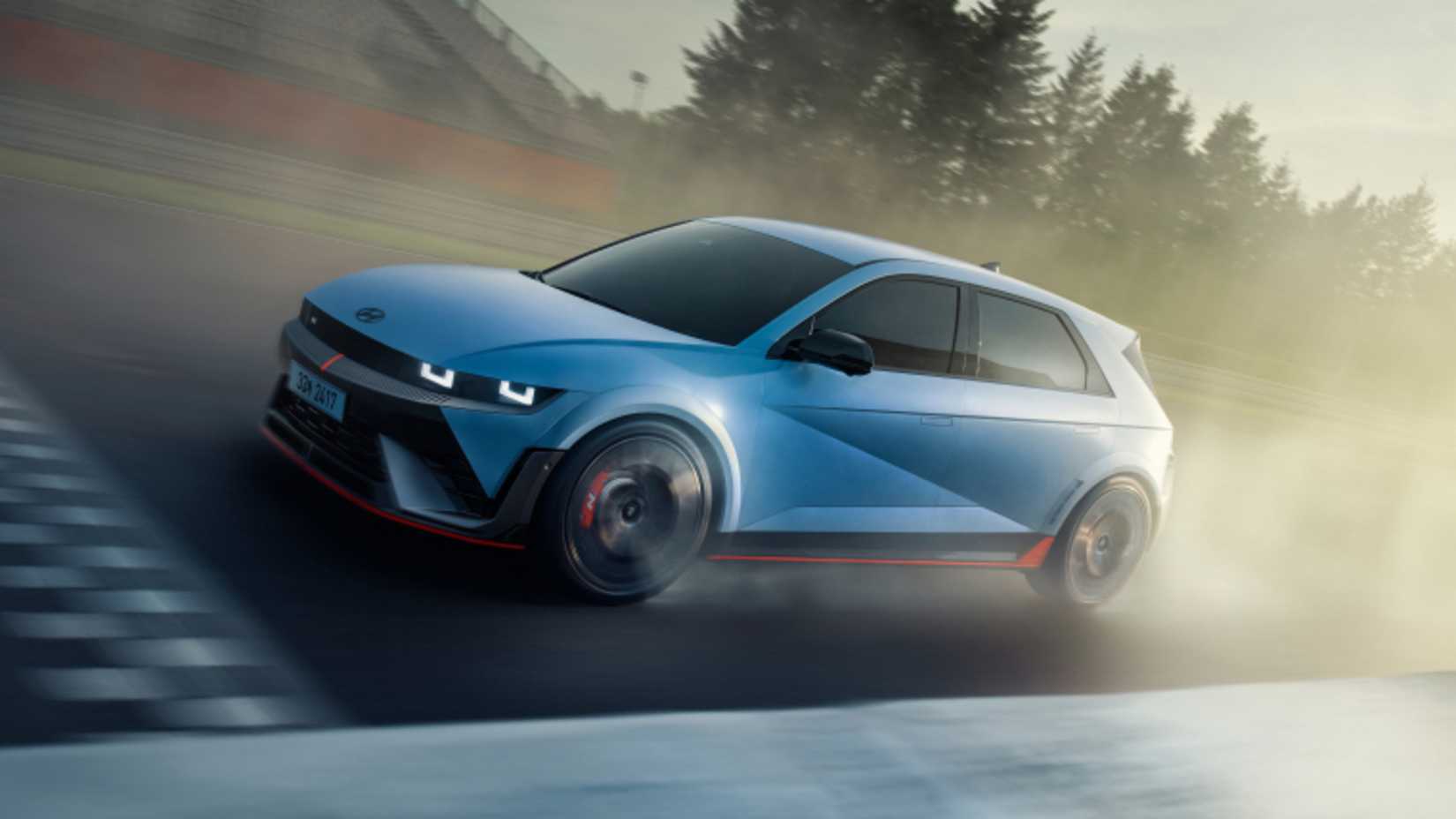
Hyundai Ioniq 5 N Essential on TrackHyundai
Hyundai and Kia’s patent differs from conventional electric vehicles by using two traction batteries. Normal EVs do have two batteries: a main battery that powers the electric motors and a 12V battery that does not. Hyundai and Kia’s vision would include a main battery and a boost battery, both capable of powering the motors.
Related
New Hyundai Patent Hides A Clue About Its Upcoming Pickup Truck
Hyundai is wasting no time patenting truck stuff.
The main battery would be more efficient and have significantly higher capacity. It’s the battery that powers the vehicle most of the time in typical driving conditions. It’s the battery an owner would charge through an external charger, or through regenerative braking. The boost battery would have a much smaller capacity. It would deliver high power output in quick bursts. It could charge either directly from the main battery, or through regenerative braking.
If that sounds suspiciously like a nitrous oxide system for a combustion-powered car, that’s immediately where our minds went. The principles are the same: a main source of “fuel” and an alternative used in small doses for a big shot of extra power. The patent emphasizes high performance with this arrangement, so all we’re missing is a big blue NOS bottle.
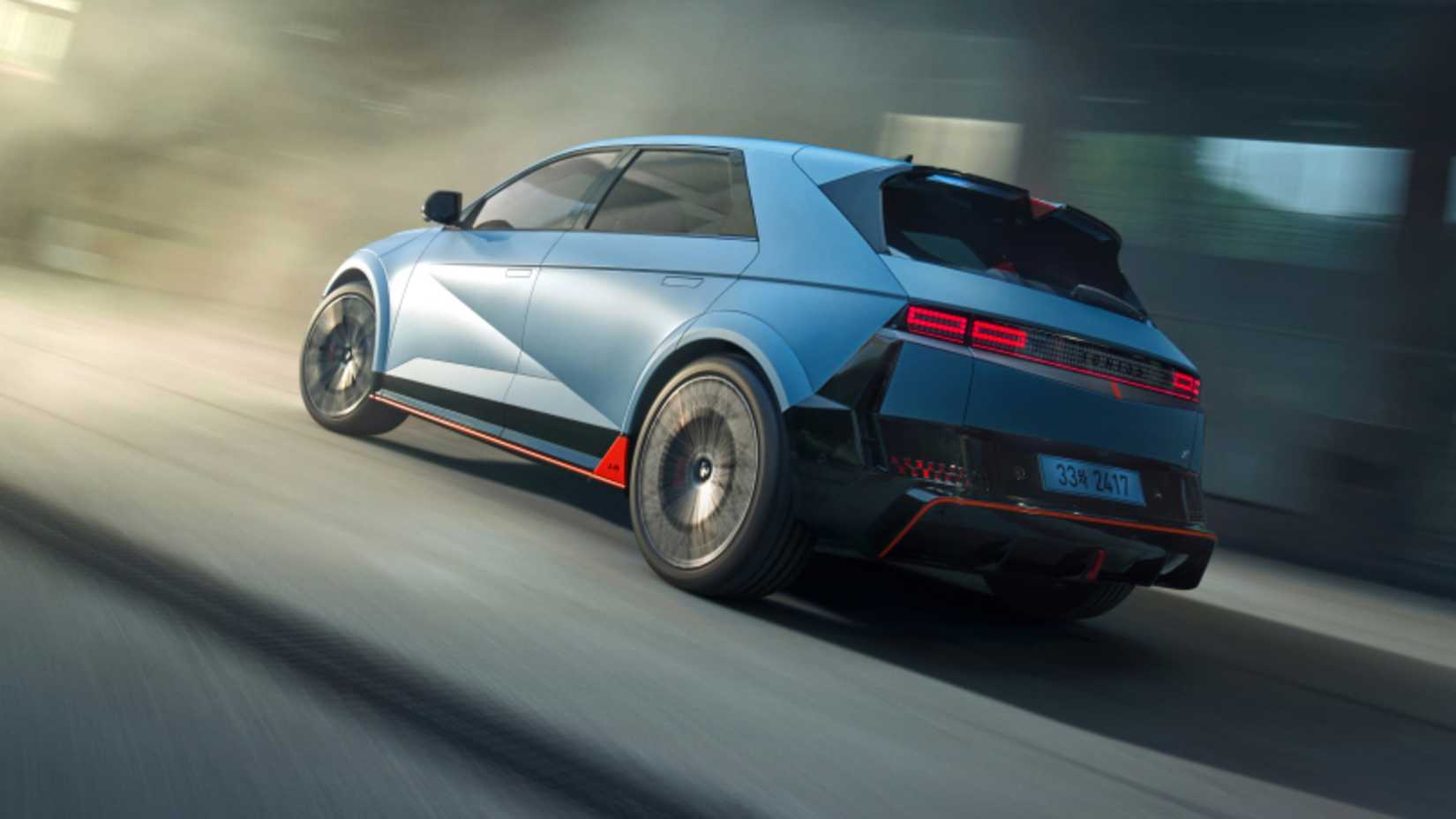
2025 Hyundai Ioniq 5 N Essential rear 3/4 angle in blue while driving on a trackHyundai
The big difference here, obviously, is the power shot comes in the form of more electricity versus nitrous oxide. Additionally, a software controller would manage the system instead of manual control with a button. It would monitor driver demand and the state of charge in both batteries. It would determine when and whether to supplement the main battery with the boost battery. It would also decide which battery to charge with regenerative braking.
Drivers could override the software controller, either by ignoring the boost battery to extend range, or by ensuring the car charges the second battery for performance applications.
Why A Dual-EV Battery System May Be A Good Idea

The Hyundai Ioniq 5 N’s drift mode will shred tires like a real muscle car.Ian Wright/CarBuzz/Valnet
We don’t yet know if Hyundai or Kia plan to use this system; the charts provided don’t even show what a system would look like. But broadly, a single battery forces manufacturers to make compromises. Going all-in on range compromises the battery’s performance. Going all-in on performance output compromises the range. The dual setup would allow engineers to optimize the individual batteries for specific use.
Related
Why Hyundai Is Eating Toyota’s Lunch In The American EV Market
While Toyota dominates the hybrid vehicle market, it’s starting to fall well behind Hyundai in the overall U.S. BEV race. What’s going on?
That could mean the next generation of high-performance electric cars, such as the Hyundai Ioniq 5 N and Kia EV6 GT, may not require as much range sacrifice if you’re driving them like you stole them. It could also make it cheaper and easier for Hyundai and Kia to offer more performance variants of their vehicles, which would require only software tuning and tweaks to the smaller battery.
It’s Not Clear Where Hyundai And Kia EVs Go From Here
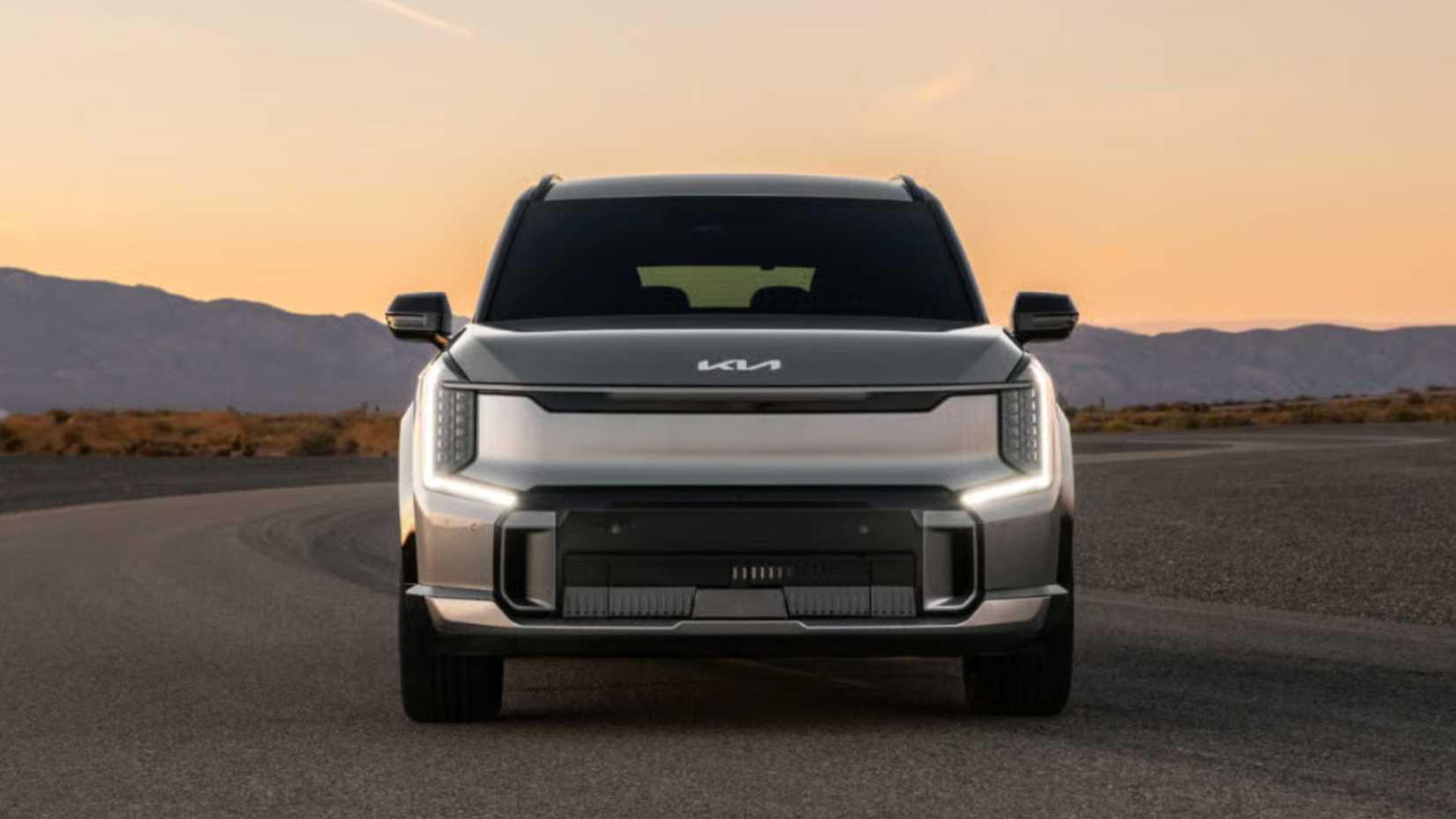
2026 Kia EV9 – front fasciaKia
The elimination of the federal tax credit has certainly changed the electric landscape in the US. Sales are way down, though Kia was already struggling with its EVs even before the tax credit went away. And the brand was offering $10,000 discounts to move electric metal before the end of the year. If this patent can improve fun and function without adding significant cost to the sticker price, your future Ioniq 5 N just might have a big blue NOS-branded battery under the rear hatch.
Yeah, probably not. But it would look cool.
Patent filings do not guarantee the use of such technology in future vehicles and are often used exclusively as a means of protecting intellectual property. Such a filing cannot be construed as confirmation of production intent.
Source: USPTO