
Published
05/02/2026 às 16:47
Updated
05/02/2026 às 16:48
Toyota has set a goal to produce 6.700.000 hybrid and plug-in hybrid cars per year by 2028, expanding the volume of these technologies by approximately 30%. These technologies already account for up to 42% of global sales and have sustained the brand’s leadership since 2020.
Hybrid car production as the central axis of the industrial strategy.
The world’s leading manufacturer has established that hybrid and plug-in hybrid cars will remain central to its strategy. The target of 6.700.000 units annually by 2028 represents approximately 60% of all projected production, reinforcing a position previously indicated.
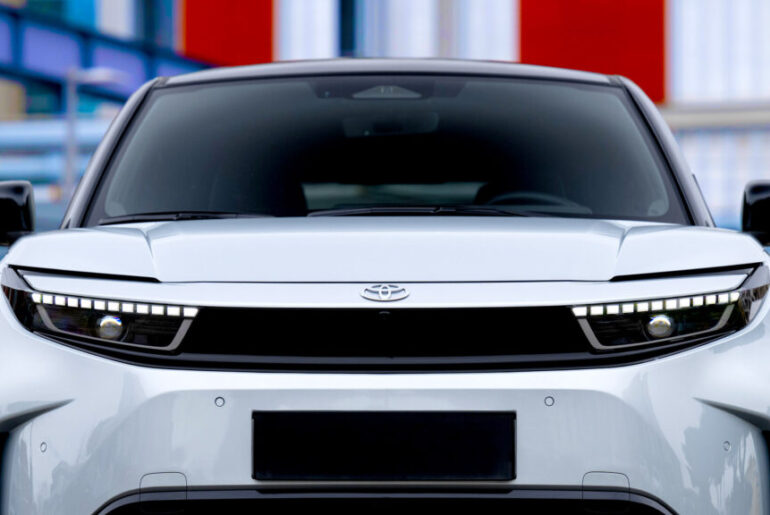
This direction had been anticipated months earlier and confirmed with the launch of the new Toyota RAV4, available exclusively with hybrid engines and plug-in hybrid versions, consolidating the prioritization of these technologies in the brand’s global portfolio.
— ARTICLE CONTINUES BELOW —
See also other features
Fewer valves, fewer parts, and fewer failures: why engines with only two valves per cylinder can last longer than multi-valve designs in popular cars.

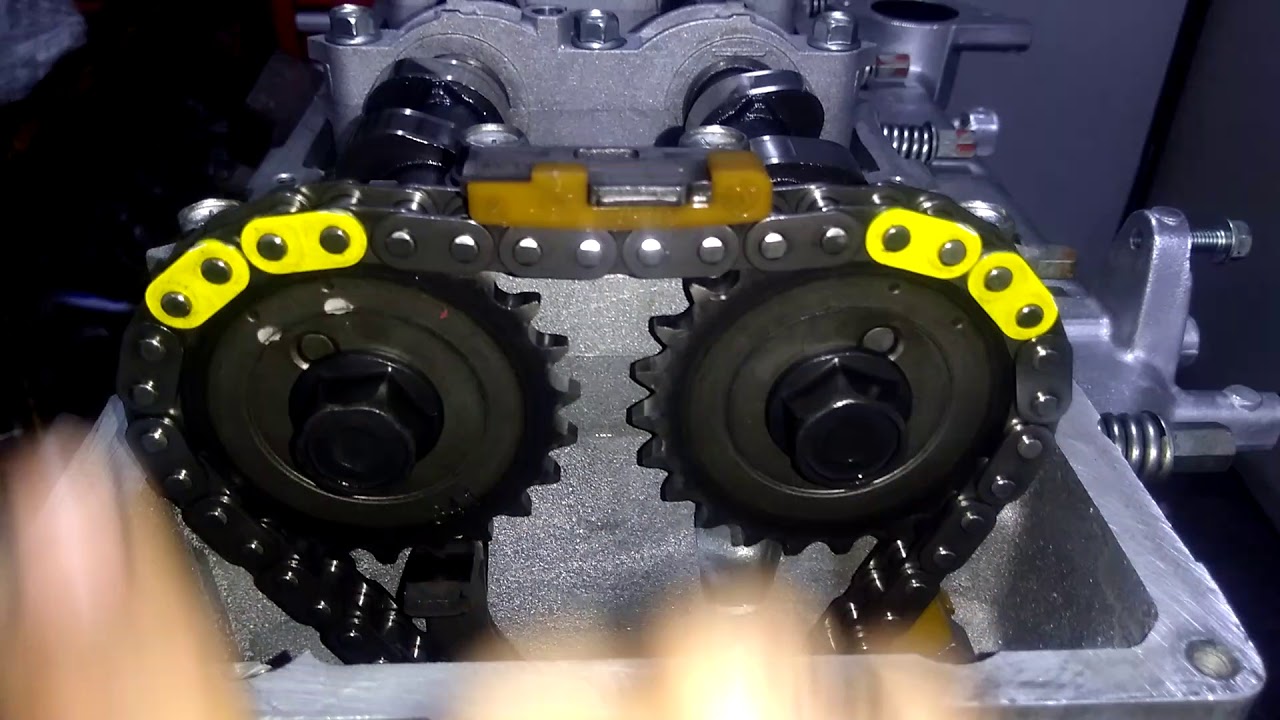
Fewer rubber parts, more metal, and a longer lifespan: why timing chain engines tend to last longer than those equipped with timing belts.

Priced at around R$ 41 and featuring a 243 hp V6 engine, this American sedan with all-wheel drive, leather upholstery, and luxury car performance remains one of the best value-for-money options in the country; get to know the Ford Fusion 3.0 V6.
Created for heavy loads, low-end torque, and severe off-road use: the Mitsubishi diesel engine with an iron block, conservative design, and reputation for running 400 to 500 kilometers in SUVs and 4×4 pickups.

30% growth driven by the commercial performance of hybrids.
The goal of selling at least 30% more hybrid cars stems from the consistent commercial performance of these models. By 2025, up to 42% of vehicles produced by the Toyota Group will be hybrids or plug-in hybrids, equivalent to almost 5 million units.
In total, the group produced 11,3 million vehicles in 2025, a 4,3% increase compared to 2015. The automaker aims to reach a stable production level of nearly 5 million hybrid vehicles by 2026.
Market leadership and regional performance of hybrid cars
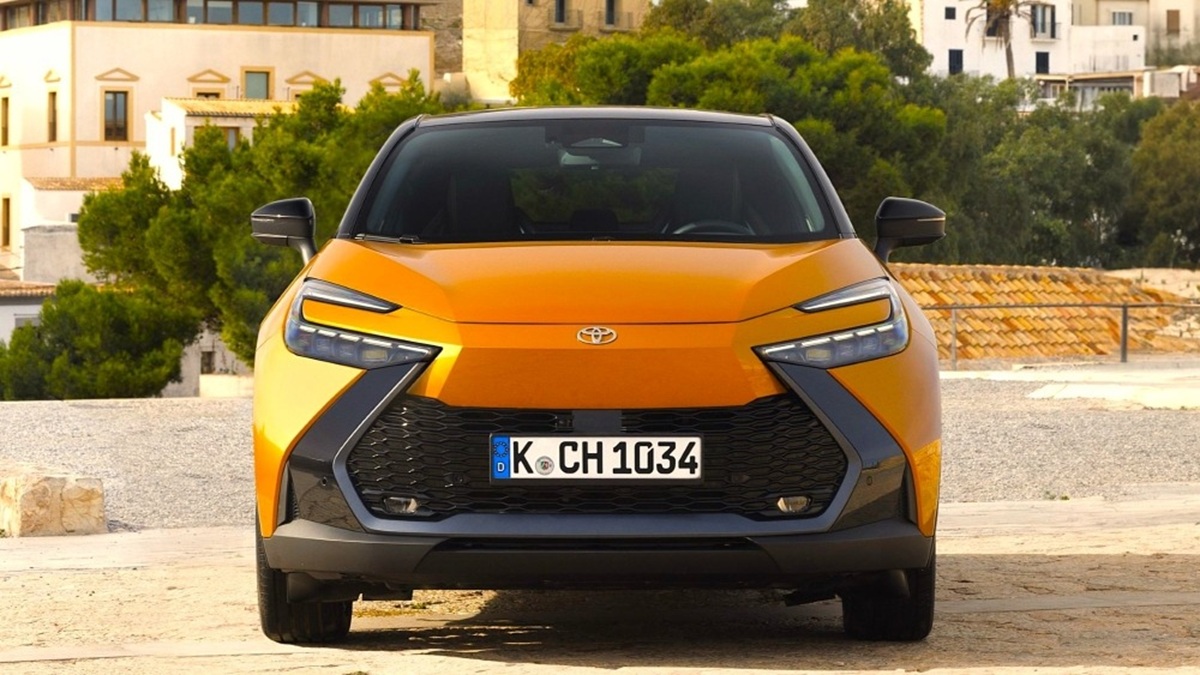
In Spain, Toyota was the best-selling brand in 2025, with the Toyota Corolla leading among the most sold hybrids. The model maintained its performance at the beginning of the following year, in a segment also dominated by the Yaris Cross and C-HR.
In Japan, hybrid and PHEV cars already account for almost 50% of the market, largely led by Toyota. In the United States, sales are projected to grow by 8% in 2025, with 47% of deliveries corresponding to electrified vehicles.
Other technologies maintained in parallel with the hybrid focus.
Despite prioritizing hybrid cars, Toyota will maintain investments in other technologies. The company will continue with hydrogen-related projects, even in the face of limited commercial results, and will cautiously advance in the production of electric cars.
In China, the world’s largest automotive market, Toyota’s sales grew by 0,25% last year. Within this context, hybrid models accounted for almost 35% of registrations, sustaining the brand’s presence in a heavily electrified market.
Source: hybrids and electrics