Tesla TSLA released its fourth-quarter earnings report on Jan. 28. Here’s Morningstar’s take on Tesla’s earnings and stock.
Key Morningstar Metrics for TeslaWhat We Thought of Tesla’s Q4 Earnings
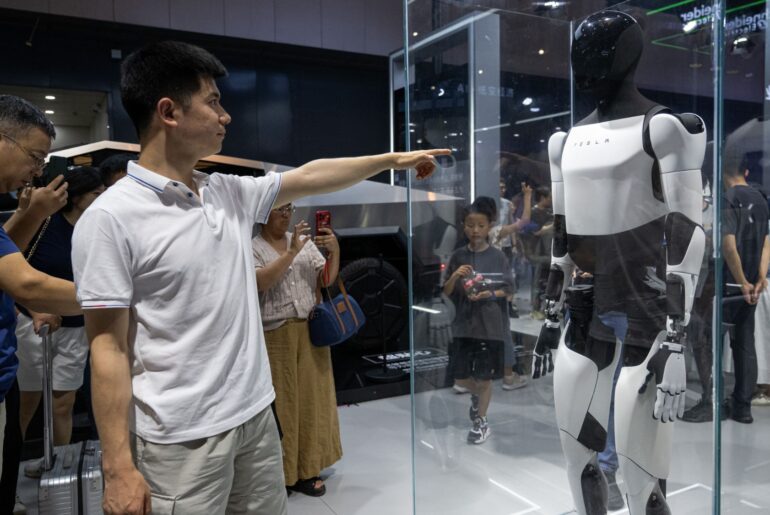
The highlights of Tesla’s fourth-quarter earnings report were management’s plans to expand its autonomous driving ride-hailing to more US cities and begin mass-producing its humanoid robots by the end of 2026. Tesla shares were up in after-hours trading as the market reacted favorably to the news.
Why it matters: Tesla has been testing its robotaxi autonomous driving ride-hailing service in Austin, Texas, and the Bay Area of California. Tesla plans to expand to seven more US cities in the first half of 2026 and started removing its employees from its robotaxis in Austin.
This shows the autonomous driving software is progressing well through testing. Improving software should also support Tesla’s auto sales and its autonomous driving subscription software for Tesla owners.The plan to begin mass manufacturing the Optimus humanoid robot this year surprised us, as we thought the project was still several years away. To do this, Tesla will stop selling its Model S and X vehicles and retool the factory that produces them to enable robot production.
The bottom line: We raise our fair value estimate for narrow-moat Tesla to $400 per share from $300. The primary drivers are a higher robotaxi valuation, increased adoption of Tesla’s autonomous driving subscription software at a higher price, and a higher valuation of the humanoid robot business.
At current prices, we view Tesla shares as fairly valued, trading around 10% above our fair value estimate, placing it in 3-star territory.The bulk of our valuation comes from the long-term free cash flow generation of Tesla’s subscription software from its autos, robotaxis, and humanoid robots. While Tesla continues to test its software, we expect the stock to remain volatile as it progresses with these new products.Fair Value Estimate for Tesla
With its 3-star rating, we believe Tesla’s stock is fairly valued compared with our long-term fair value estimate of $400 per share. In 2026, we forecast deliveries will fall to 1.56 million versus the 1.64 million deliveries in 2025, largely due to the US EV tax credit expiration in September of 2025 and increased competition in Europe, where Tesla is currently unable to sell its autonomous driving software. As Tesla is ramping up production of its new, lower-priced Model Y and Model 3 vehicles, we expect automotive gross margins excluding credits will remain in the mid-teens, below management’s long-term goal of 20%.
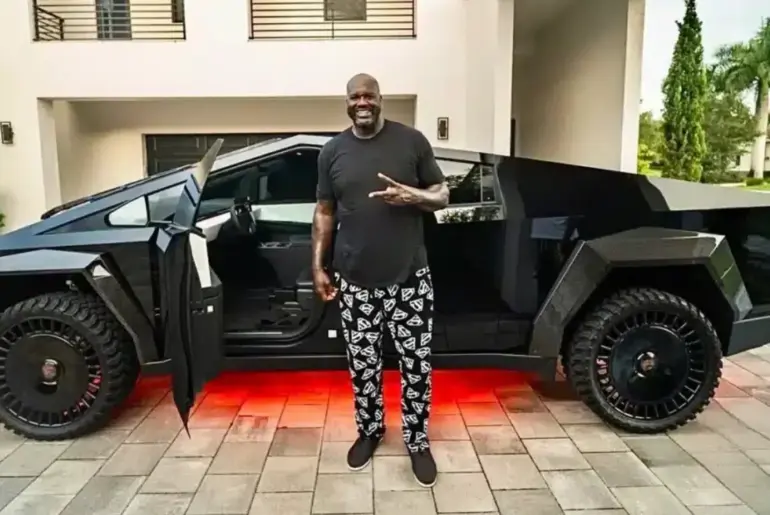
In the longer term, we assume Tesla will deliver around 2.8 million vehicles per year in 2030, driven by the adoption of full self-driving software and the more affordable versions of the Model Y and Model 3. We forecast that the vast majority of deliveries will come from the Model Y and Model 3 platforms. Tesla plans to discontinue to Model S and Model X and we see Cybertruck, Roadster, and semitruck combining for roughly 30,000 deliveries per year.
Read more about Tesla’s fair value estimate.
Economic Moat Rating
We award Tesla a narrow moat, stemming from the firm’s intangible assets and cost advantage. The company’s strong brand cachet as a luxury automaker commands premium pricing, while its EV manufacturing expertise allows the company to make its vehicles cheaper than its competitors.
Tesla’s brand cachet is not likely to be impaired anytime soon as other automakers move into the battery electric vehicle space because we expect the company to keep innovating to stay ahead of startup and established competitors. The Model S Plaid, the most upgraded version of Tesla’s luxury sedan, offers 390 miles of range, at the high end for electric vehicles. By focusing on the luxury auto market first, Tesla was able to create tremendous media publicity for the company that reaches beyond its customers. This generated strong consumer demand for its subsequent vehicles at lower price points, such as the Model 3 and Model Y. As other new vehicles are launched, such as the affordable SUV, we expect the company’s strong brand will continue to generate consumer demand.
Read more about Tesla’s economic moat.
Financial Strength
Tesla is in excellent financial health. Cash, cash equivalents, and investments were $44 billion and far exceeded total debt as of Dec. 31. Total debt was around $8.2 billion; however, total debt excluding vehicle and energy product financing (nonrecourse debt) was less than $5 million.
Tesla’s growth going forward will be largely self-funded. With its positive free cash flow generation and large cash balance, we think Tesla should be able to fund its growth plans over at least the two three years without needing to raise debt.
Historically, the company used credit lines, convertible debt financing, and equity offerings to raise capital. We think the company would have no problem raising debt if needed to fund its robotaxi and humanoid robot growth plans.
Read more about Tesla’s financial strength.
Risk and Uncertainty
We assign Tesla a Very High Uncertainty Rating, as we see a wide range of potential outcomes for the company. The automotive market is highly cyclical and subject to sharp demand declines based on economic conditions. As an EV market leader, Tesla is subject to growing competition. As new lower-priced EVs enter the market, Tesla has cut prices and offered lower-cost versions of its Model 3 and Model Y vehicles. Further price cuts could reduce profits.
The company is also investing heavily in R&D and capital expenditures to develop autonomous driving software, robotaxis, and humanoid robots with no guarantee these investments will bear fruit. As of the last SEC filing, Tesla’s CEO owns roughly 12% of the company’s stock and uses it as collateral for personal loans, which raises the risk of a large sale to repay debt.
Tesla also faces political risk related to the political activities of CEO Elon Musk. Musk served as an advisor to US President Donald Trump but has since made statements against Trump’s policies. Musk also campaigned for the far-right Alternative for Germany party. These activities risk turning away some consumers from buying a Tesla.
Tesla faces ESG risks. As an automaker, it is subject to potential product defects that could result in recalls, including its autonomous driving software. We see a moderate impact should this occur. Another risk involves employee retention. If Tesla is unable to retain key employees, such as Musk, its image as an innovative company could decline. We see a low probability but moderate materiality.
Read more about Tesla’s risk and uncertainty.
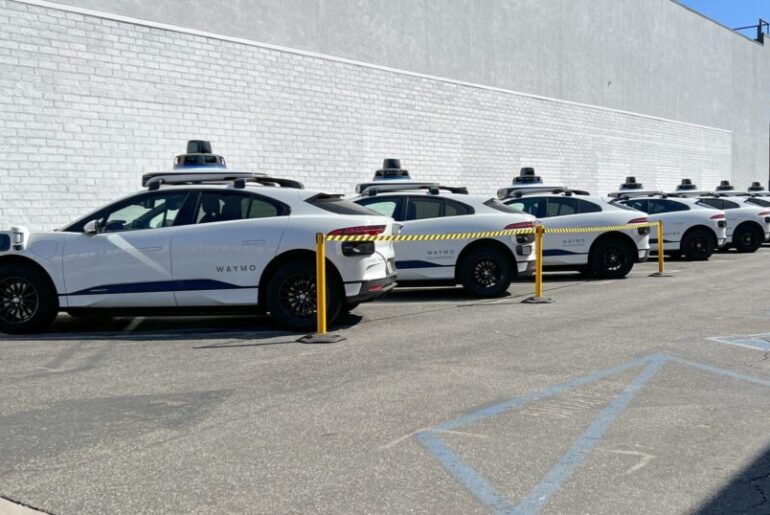
TSLA Bulls SayTesla could disrupt multiple industries with its technology for EVs, AVs, batteries, and humanoid robots.Tesla’s full self-driving software should generate growing profits in the coming years as the technology continues to improve, leading to a robotaxi service, increased adoption by Tesla drivers.Tesla’s humanoid robot will create shareholder value as its ability to perform multiple functions will transform manufacturing and be useful to consumers.TSLA Bears SayTraditional automakers and new entrants are investing heavily in EV development, which will result in Tesla seeing a deceleration in sales growth and being forced to cut prices due to increased competition, eroding profit margins.Tesla’s large investment into autonomous driving software will be value destructive as the robotaxi product will face delays and competition from Waymo, who already offers a robotaxi service.Tesla CEO Elon Musk’s political activities will turn consumers away from buying a Tesla in key markets including the US and Europe, leading to lower sales and profits.
This article was compiled by Rachel Schlueter.
This article was generated with the help of automation and reviewed by Morningstar editors.
Learn more about Morningstar’s use of automation.