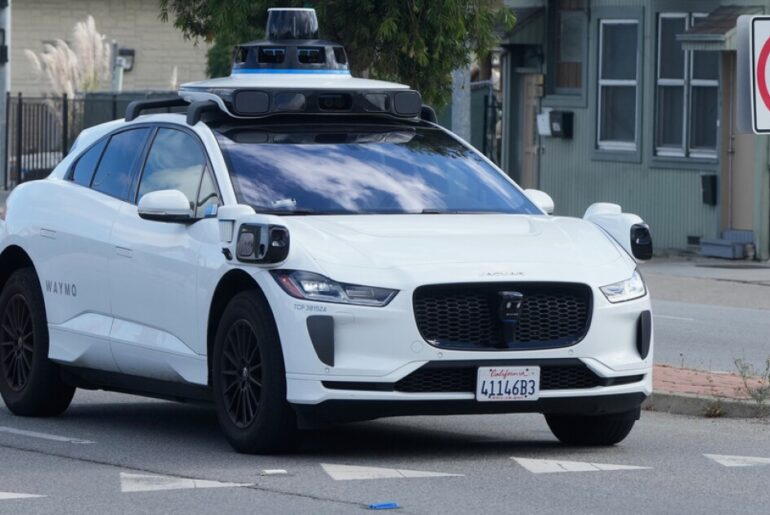
Waymo and Tesla executives made their case to the US Senate Wednesday for federal autonomous vehicle legislation, but after two hours of intense questioning on safety failures, Chinese manufacturing, and legal liability, the path forward remains unclear. Lawmakers grilled both companies over recent incidents – including Waymo robotaxis illegally passing school buses and striking a child in Santa Monica – while debating whether Congress can finally advance regulation that’s been stalled for years.
Waymo and Tesla executives walked into a buzzsaw Wednesday. During a two-hour Senate Commerce Committee hearing, both companies pitched federal lawmakers on the urgent need for autonomous vehicle legislation – only to face a barrage of questions about safety lapses, Chinese supply chains, and whether America’s regulatory apparatus can handle the job.
The hearing, overseen by Sen. Ted Cruz (R-TX), was supposed to advance the conversation around integrating self-driving cars into the Surface Transportation Reauthorization Act. Instead, it exposed deep divisions over whether these companies deserve federal protection or stricter oversight. Lars Moravy, Tesla’s VP of vehicle engineering, warned that outdated regulations are holding back innovation. “Federal regulations for vehicles have not kept up with the pace of the rapid evolution of technology,” he told senators. “Many standards were implemented decades ago and do not adequately address modern advancements, such as electric drive trains, automated driving systems, and over-the-air software updates.”
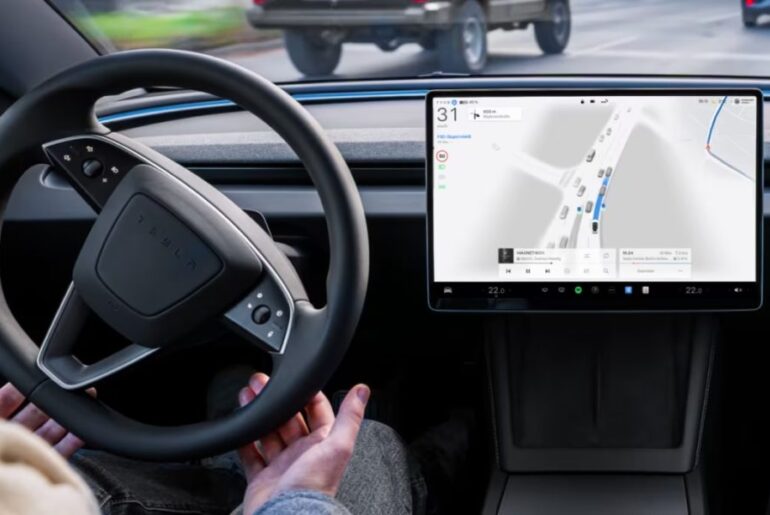
But Sen. Maria Cantwell (D-WA) wasn’t buying it. She zeroed in on Tesla’s marketing practices, noting the company was allowed to brand driver-assistance features as “Autopilot” despite requiring constant human supervision. “Tesla was allowed to market their technology, which they knew needed human supervision, as Autopilot because there were no federal guardrails,” Cantwell said during the hearing. She questioned whether the federal government can effectively regulate the industry after NHTSA lost 25% of its workforce under Elon Musk’s DOGE initiative, leaving the Office of Automation with just four staffers at one point.