This is a free preview of the upcoming Africa EVs Weekly Digest, part of the new CGSP Intelligence service.
This week, we continue looking at the alternatives African countries have for electric vehicle (EV) manufacturing.
Across the continent, employment is a headache for many governments, while the systems that could catalyze job creation are largely nonexistent or conveniently absent as politics and vested interests take center stage.
But for countries that have created the systems, the return on investment is already becoming a reality.
This week in Africa’s EV scene:
Kenya’s Rideence $2.46 Million Local EV Assembly Partnership
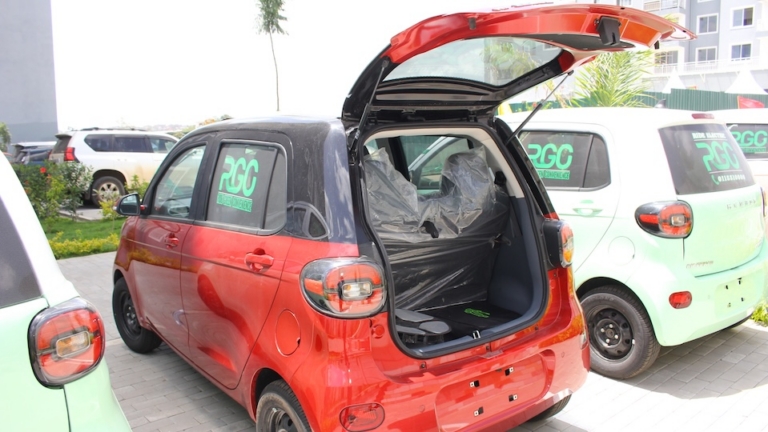
Rideence Africa Limited, a pioneer of Kenya’s lease-to-drive model in the electric-vehicle sector, has announced a $2.46 million partnership with Associated Vehicle Assemblers in Mombasa to begin local EV assembly. Under the initial phase of the project, the partners plan to assemble 152 vehicles from completely knocked-down kits by February 2026, including 132 units of the Henrey electric taxi and 20 Joylong electric high-roof matatu minibuses.
Why This Matters: While the lease-to-drive programs offer a pathway into work for people who cannot afford vehicles upfront, their appeal is fading as drivers remain perpetual renters, with no prospect of ownership. Local assembly could change that equation, making vehicles available for purchase, creating jobs, and laying the groundwork for a domestic manufacturing industry.
BYD Claims 46% EVs and Hybrid Car Market in Morocco
BYD has announced that its plug-in hybrid electric vehicle (PHEV) and EV sales grew in Morocco’s electric car market last year. The company reportedly controls 46 percent of the hybrid and electric vehicle market.
Why This Matters: Chinese automakers are entrenching themselves in Morocco’s auto sector, and BYD’s numbers show that the investments are starting to bear fruit. This means increased competition for legacy brands as well as helping the country’s nascent EV sector build confidence to attract more investments.
Nigeria to Host Africa’s First EV Manufacturing Plant in Collaboration with South Korea
Nigeria will partner with South Korea’s Asia Economic Development Committee (AEDC) to set up Africa’s first full electric vehicle manufacturing plant. The news comes shortly after another announcement that the Nigerian government is establishing EV manufacturing in partnership with Chinese stakeholders.
Why This Matters: Full vehicle manufacturing in Nigeria will take time, given energy shortages and vested oi interests. This latest announcement may fizzle out like its predecessors, unless there are solid, actionable steps with set timelines.
China Bans Hidden Car Door Handles Over Safety
China now requires cars to have mechanical door handle releases on both the inside and the outside, following a ban on concealed door handles for electric vehicles.
Starting Jan. 1, 2027, cars sold in China will be required to implement the new safety measures issued by the Ministry of Industry and Information Technology on Monday. Models already approved by the regulator and in the final stages of launch in China have until January 2029 to change their designs.
Why This Matters: While China’s new regulations will apply to future exports, secondhand vehicles flowing into African markets are likely to face far less scrutiny. The risk is that the continent could become a destination for excess inventory already circulating within China, raising concerns about quality and oversight.
In context
Chinese EV technology remains the easiest option for many African countries seeking to build local vehicle manufacturing capacity. As such, the longer these countries take to create an enabling environment, the shorter the window becomes for them to benefit from the EV value chain.
The takeaway:
Creating a successful vehicle manufacturing sector in African countries will require less policy and more speed if the benefits of EVs are to be realized. As it is, only countries that invest in the EV sector will reap its benefits before the door closes.