Dead phone anxiety meets car shopping when your current ride can’t guarantee you’ll reach the next charging station. Toyota gets this panic, which explains why the world’s largest automaker just became Japan’s leading EV brand—not through flashy announcements, but by making electric cars that actually work for your Tuesday school pickup routine.
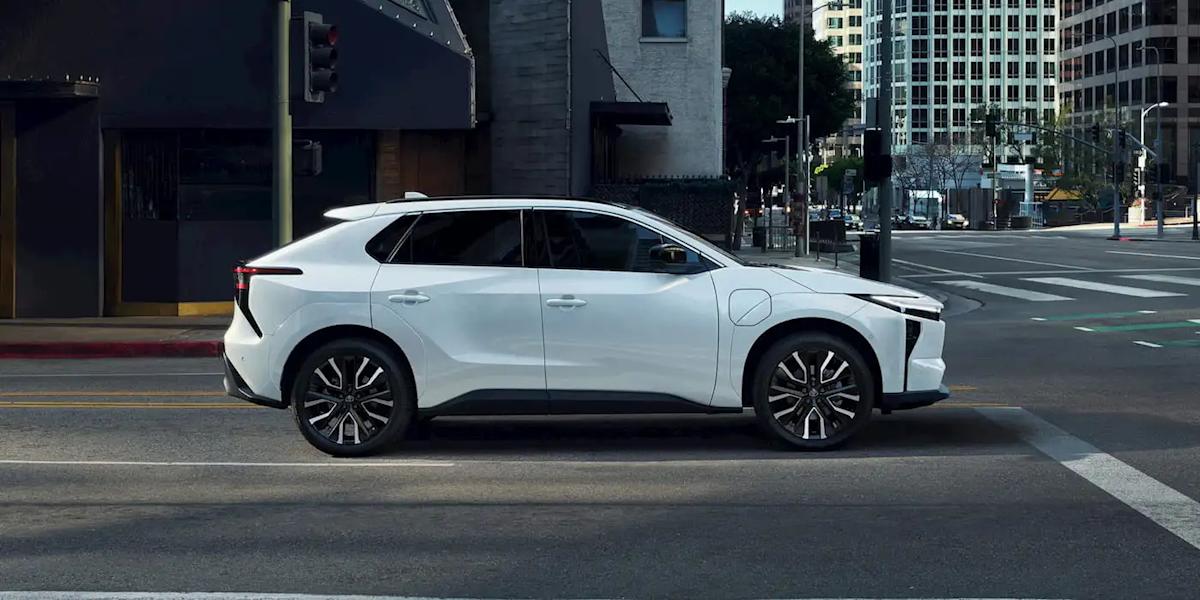
The 2026 bZ4X ditches the science project vibe for grown-up functionality. Range jumps 25% to 314 miles, charging drops to 30 minutes (10-80%), and NACS compatibility means you’re not playing charging station roulette anymore. Starting at $34,900, it’s priced like a Camry Hybrid, not a luxury statement piece. Your range anxiety gets therapy; your wallet stays intact.
Behind this practical approach sits Toyota’s “1:6:90” battery strategy—materials for one pure EV could power six plug-in hybrids or 90 regular hybrids instead. It’s resource optimization that sounds boring until you realize it’s climate math that actually works. Coming in 2026:
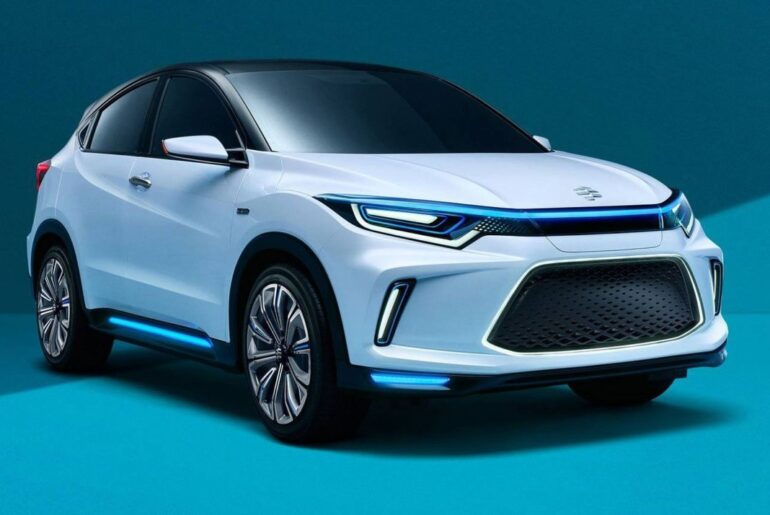
The electric C-HR crossover (290 miles, around $41K)
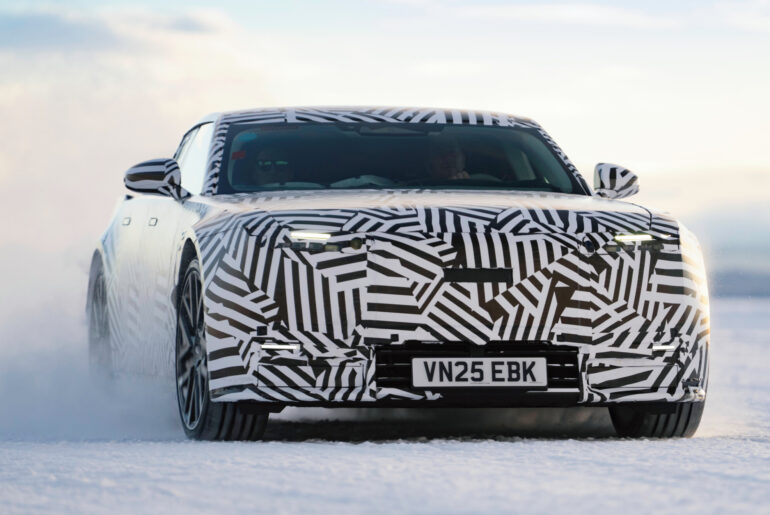
A three-row family SUV built specifically for American road trips and soccer practice logistics
Here’s the plot twist: Toyota cut 2026 EV production targets by 30% while rivals like Ford and GM delay launches. This isn’t defeat—it’s reading the room. Pure EVs represent just 1% of Toyota’s record 11.3 million global sales, but their hybrid dominance gives them flexibility while the market sorts itself out.
Your EV transition doesn’t need to feel like joining a tech startup. Toyota’s betting that most families want reliable transportation that happens to be electric, not a rolling computer that occasionally drives places. Sometimes the tortoise strategy wins, especially when the hares keep stumbling over their own charging cables.
From the coolest cars to the must-have gadgets, GadgetReview’s daily newsletter keeps you in the know. Subscribe – it’s fun, fast, and free.