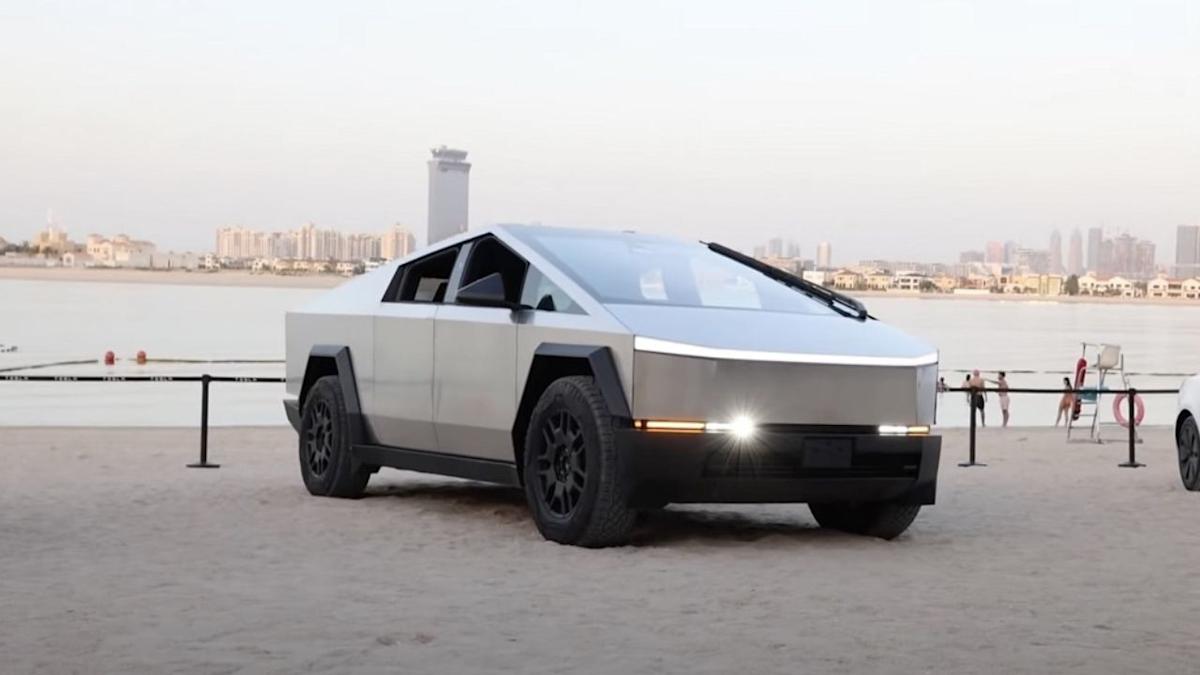
In the heart of Europe’s largest economy, a quiet storm is reshaping one of the world’s most iconic electric car brands. Once celebrated as the spearhead of zero-emission transport and hailed by German policy makers as a symbol of the future, Tesla is now facing a wave of rejection from the very market it once courted so eagerly.
Recent data indicate that a clear majority of Germans have turned away from the idea of buying a Tesla vehicle, leaving industry analysts scrambling to understand what has gone wrong in a country traditionally enamored with automotive innovation.
According to a survey published in January 2026 by the German Economic Institute in Cologne, roughly three out of every four Germans say they would not consider purchasing a Tesla electric car.
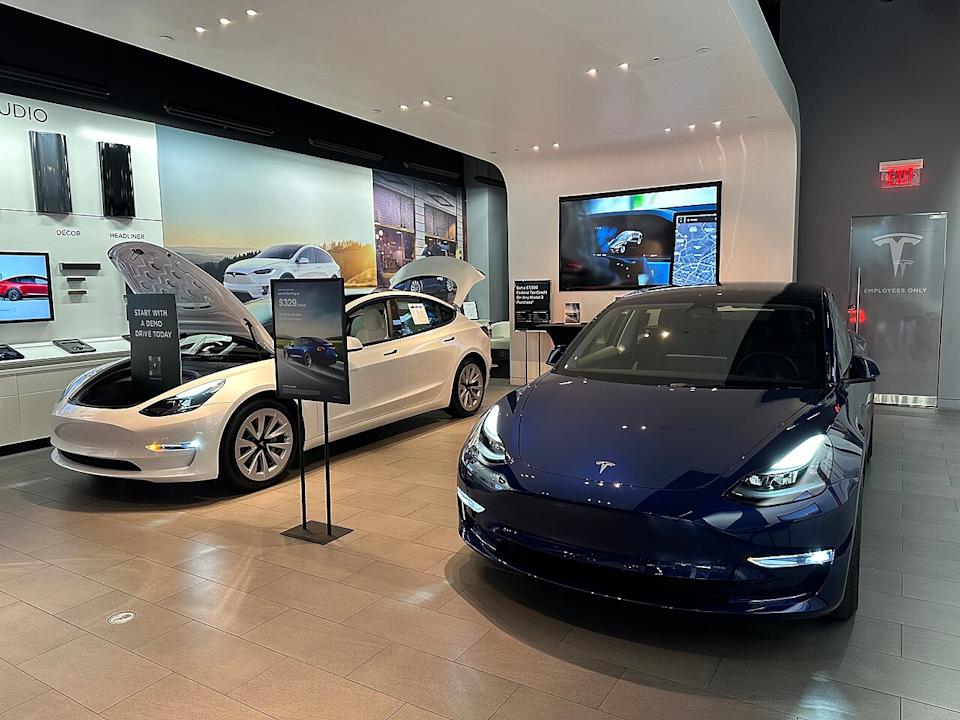
Image Credit: Phillip Pessar – CC BY 2.0, Wikimedia.
Over 60% percent of respondents described the possibility of buying a Tesla as “completely out of the question,” while another 16 percent said they were unlikely to consider it. These figures underscore a steep decline in consumer enthusiasm for a brand that once led the charge for electric mobility in Europe.
The Survey: Three Out of Four Germans Reject Tesla
The representative survey conducted by the Institut der deutschen Wirtschaft (IW Köln, the German Economic Institute) in summer 2025 (June 25 to July 3, 2025), with a core analysis based on 1,781 respondents (from a larger sample of 5,392 adults in Germany), found that more than 75% of Germans fundamentally reject the idea of buying a Tesla electric car.
So, this adds up to over three-quarters (approximately 76%) rejecting the purchase.
The IW published these findings on January 20, 2026, in a press release and short report titled “E-Mobilität: Für drei von vier Deutschen kommt Tesla nicht infrage” (Electromobility: For three out of four Germans, Tesla is out of the question), in collaboration with TU Dresden.
Multiple reputable German and international outlets reported on the survey, including DW, Handelsblatt, ZEIT, and Yahoo Finance Germany.
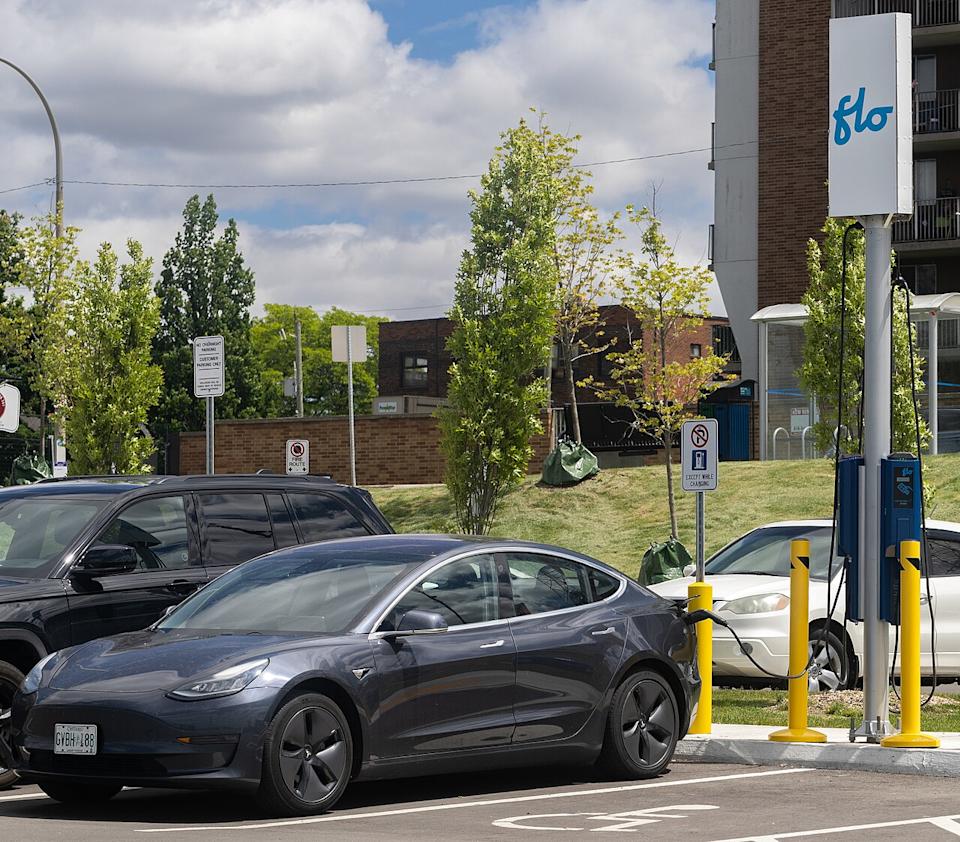
Image Credit: Crisco 1492 – Own work, CC BY-SA 4.0, Wikimedia.
The survey also noted broader context, such as Tesla’s sharp sales declines in Germany (down ~48% in 2025 overall, with steeper drops in periods) and political factors (e.g., Elon Musk’s public stances alienating certain demographics, including low interest even among some right-leaning groups).
It’s critical to note that this differs from the much-discussed 2025 T-Online reader survey (which initially showed ~94% rejection but faced bot manipulation claims and swings). The IW study is a distinct, academically oriented, quota-representative survey—not an open online poll.
The context for this shift is complex and multifaceted. Germany remains one of the most important car markets in the world with a strong legacy of domestic manufacturers like Volkswagen, BMW and Mercedes-Benz.
These companies have been racing to catch up in the electric vehicle sector, introducing a wider range of battery-powered models that appeal to different consumer segments. In that environment, Tesla’s relative novelty is losing its shine.
A separate analytical data also show that Tesla’s share of the German electric vehicle market has contracted significantly in recent years as competitors expand their lineups and deepen their foothold with drivers.
The “Musk Factor”
Image Credit: Gage Skidmore, CC BY-SA 2.0, Wikimedia.
Beyond marketplace competition, other forces appear to be shaping public perception in unexpected ways. The survey highlighted that political attitudes play an outsized role in car buying decisions among German consumers. Many respondents explicitly linked their reluctance to buy a Tesla to CEO Elon Musk’s political activities and public persona.
Critics have accused Musk of engaging in polarizing political behavior, including public endorsements of controversial figures in international politics and perceived alignment with far-right political parties. This has unsettled segments of the German public that view such positions unfavorably and see them as inconsistent with their own values.
The debate over Musk’s political footprint in Germany has been heated. In the run-up to the 2025 German national election, Musk’s social media posts and perceived support for the Alternative for Germany party drew backlash from various quarters.
Even though the AfD garnered only modest support in the ballot box, its association with right-wing nationalism has made Musk’s public involvement toxic among many voters. In a nation with deep sensitivities about political extremism rooted in twentieth century history, the optics resonated strongly and divided opinion.
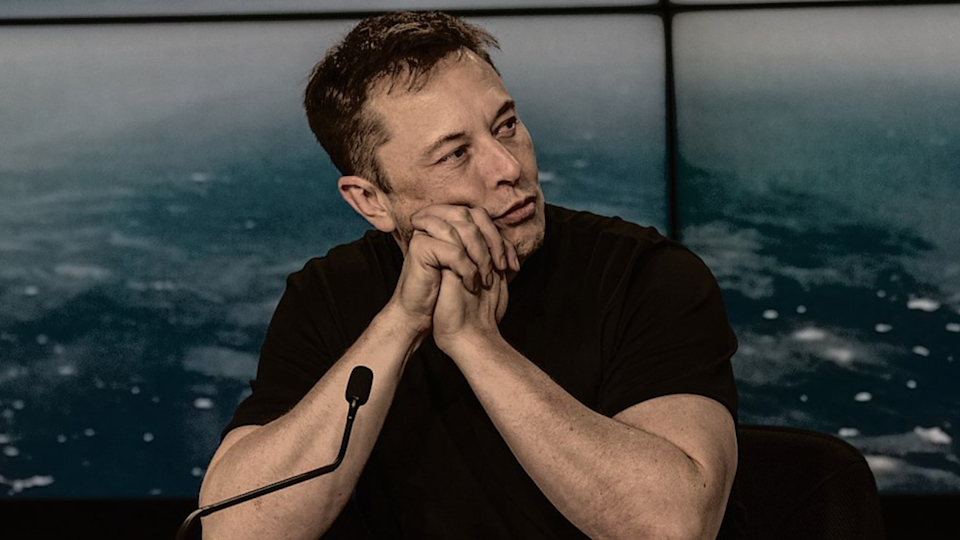
Image Credit: Daniel Oberhaus, CC BY-SA 4.0, via Wikimedia Commons
These political undercurrents are compounded by practical considerations. Tesla’s recent production disruptions in Europe have affected delivery timelines and consumer confidence.
The COVID-era surge in demand for vehicles has subsided and German buyers are now more cautious, weighing range, price, and after-sales support as core factors in their decisions.
At the same time, the broader shift toward electrification in Germany has been bumpy, what with fluctuating government incentives and uneven charging infrastructure development across regions.
A Path to Redemption or Irrelevance?
Even with these headwinds, not all experts believe the story ends in failure. Tesla remains a globally recognized brand with a strong technological reputation in battery systems and autonomous driving software.
Some may argue that the company could still reclaim ground in Germany if it recalibrates its strategy to better align with local expectations, collaborates more closely with European partners, and distances its brand from divisive political narratives.
Ironically, Tesla is actively stepping back from the car business to focus more on robotics. However, if the upcoming launches of updated vehicle models and renewed marketing campaigns see the light of day, they could yet reshape public sentiment if executed with sensitivity to cultural and market dynamics.
For now, however, Germany stands as a striking example of how consumer preferences in an advanced market can shift quickly when innovation collides with politics, national identity, and social values.