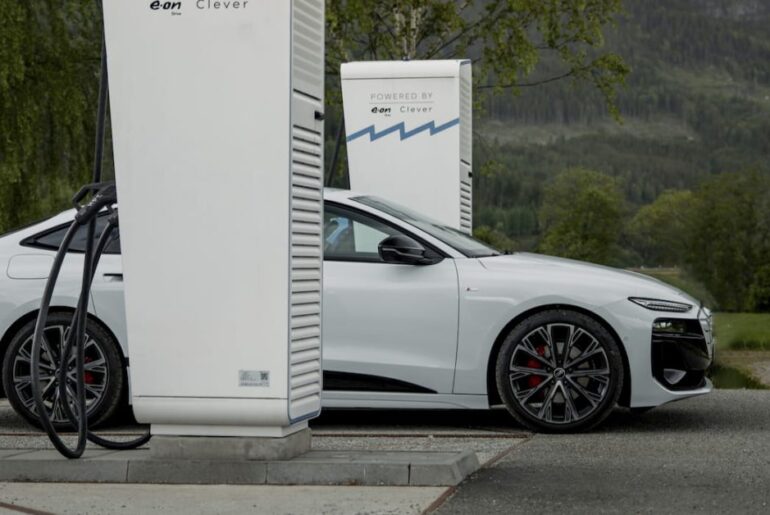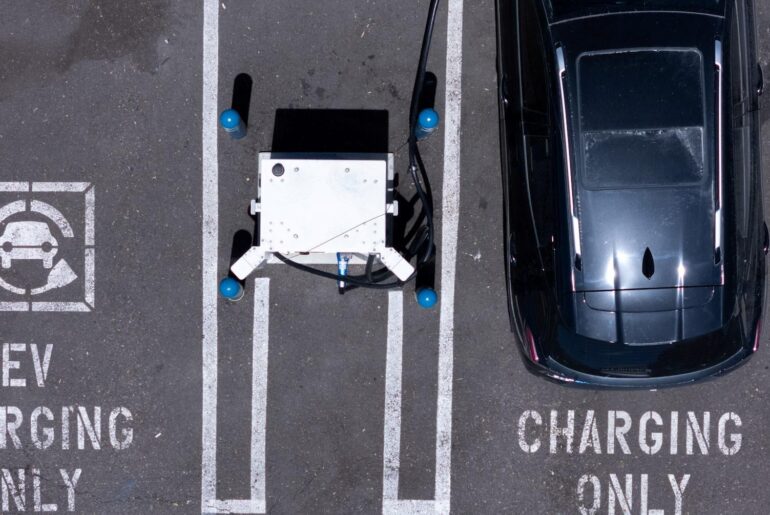
Vehicle emissions contribute to one-fifth of global carbon dioxide emissions, making them a large contributor to world pollution. Electric vehicles (EVs) are often framed as the primary solution to these issues; however, understanding the science, statistics, and regional context behind different vehicle types is crucial when evaluating their true sustainability. The environmental impact of a vehicle depends not only on its operation but also on how it’s manufactured, fueled, and ultimately disposed of.
An article published from the International Conference from Mobility Data Management stated that efficient internal combustion vehicles, electric vehicles, and reduced personal car ownership are the leading drivers to a more sustainable transportation system.
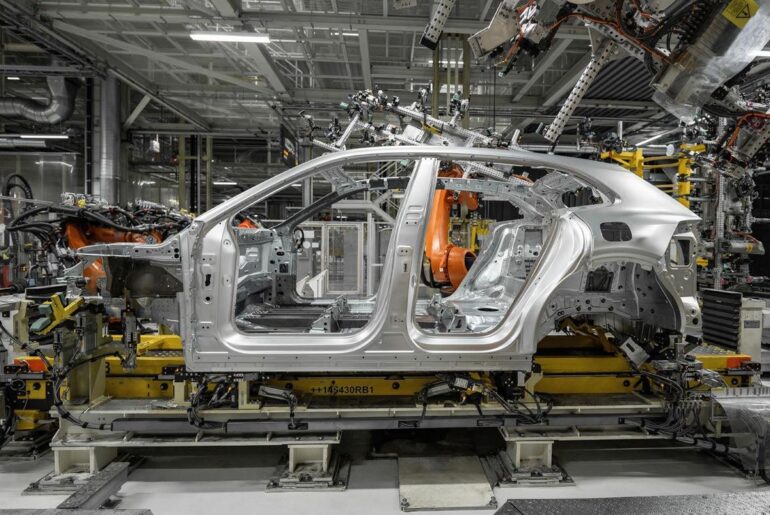
Evaluating sustainability requires a cradle-to-grave approach, which includes emissions from vehicle manufacturing, energy production, operation, and end-of-life disposal.
While electric vehicles produce zero tailpipe emissions, electricity generation at power plants can still produce significant emissions. In regions with higher emission activity, such as cities, the overall sustainable benefit from electric vehicles and plug-in hybrid electric vehicles is much smaller.
Conventional gasoline and diesel vehicles produce both tailpipe and evaporative emissions during operation, whereas electric vehicles produce none at the tailpipe. However, when considering well-to-wheel emissions, including fuel production and electricity generation, electric and plug-in hybrid vehicles still contribute substantial emissions due to energy extraction, processing, and power generation.
Global electric car sales exceeded 17 million in 2024. The rapid growth of electric vehicle production has also increased demand for mineral mining, particularly for the lithium used in battery production. Innovation on lithium sulfur batteries was presented by nano energy, creating batteries with high capacity and long cycling life
Due to the demand for mining minerals and oil extraction to produce EVs, electric vehicles are significantly increasing this activity.
A study from the University College Cork School of Chemistry states that it’s unknown whether substantial advancement in the longevity and accessibility of lithium batteries will be in place by 2050. Challenges from the production and manufacturing of lithium batteries are the first step to resolving this issue, as the environmental effects are so drastic they will be difficult to overcome.
Shifting towards recycling and material recovery represents a promising strategy for reducing reliance on raw material extraction and improving the sustainability of both electric and internal combustion vehicles. The school of engineering science at Lahti University of Technology states that the increase in recycled materials from scrap metal and end-of-life vehicles is expected to rise in present years, saving around 133-161m of energy between 2010 and 2050, as well as a reduction in CO2 emissions in the same period.
Electric vehicles overall greenhouse gas emissions consist of 17 per cent manufacturing and end of life processes, 65 per cent feedstock and fuel production, and 18 per cent battery production.
On the other hand, gasoline cars consist of 9 per cent manufacturing and end of life processes, 74 per cent vehicle operation, and 17 per cent feedstock and fuel production. Although electric vehicles have nearly double the manufacturing-related emissions, their overall greenhouse gas emissions are significantly lower, averaging approximately 150 grams of CO₂ per mile compared to 375 grams per mile for gasoline vehicles.
Despite these challenges, vehicles remain essential to modern life. By reducing unnecessary travel, increasing awareness of regional energy sources, improving recycling practices, and continuing research into more sustainable vehicle technologies, the environmental impacts of the automotive industry can be significantly reduced.
Tags
Electric vehicle, emissions, EVs
All final editorial decisions are made by the Editor(s) in Chief and/or the Managing Editor. Authors should not be contacted, targeted, or harassed under any circumstances. If you have any grievances with this article, please direct your comments to journal_editors@ams.queensu.ca.