New Chinese rules mandate mechanical door releases on EVs and could reshape vehicle design worldwide
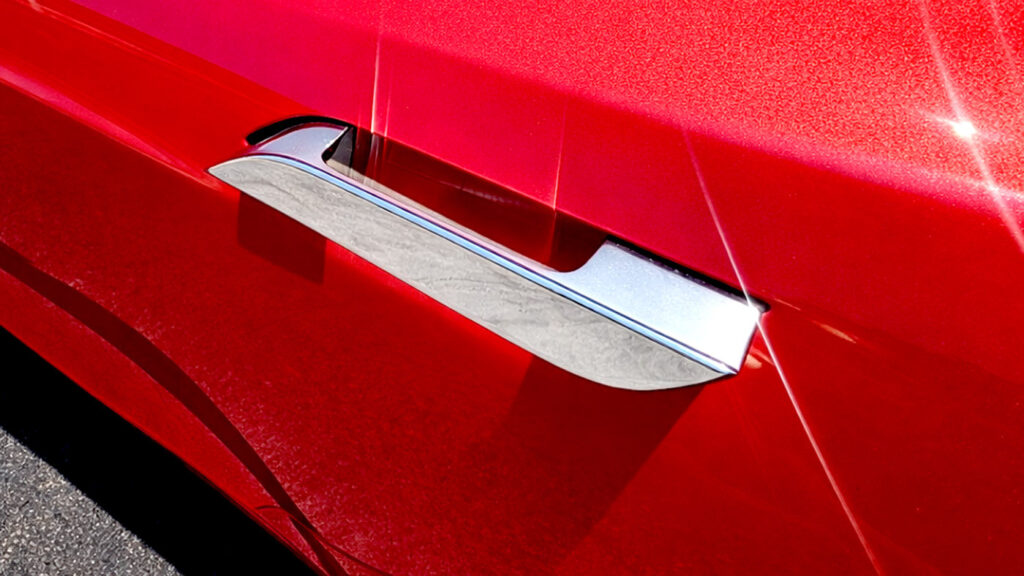
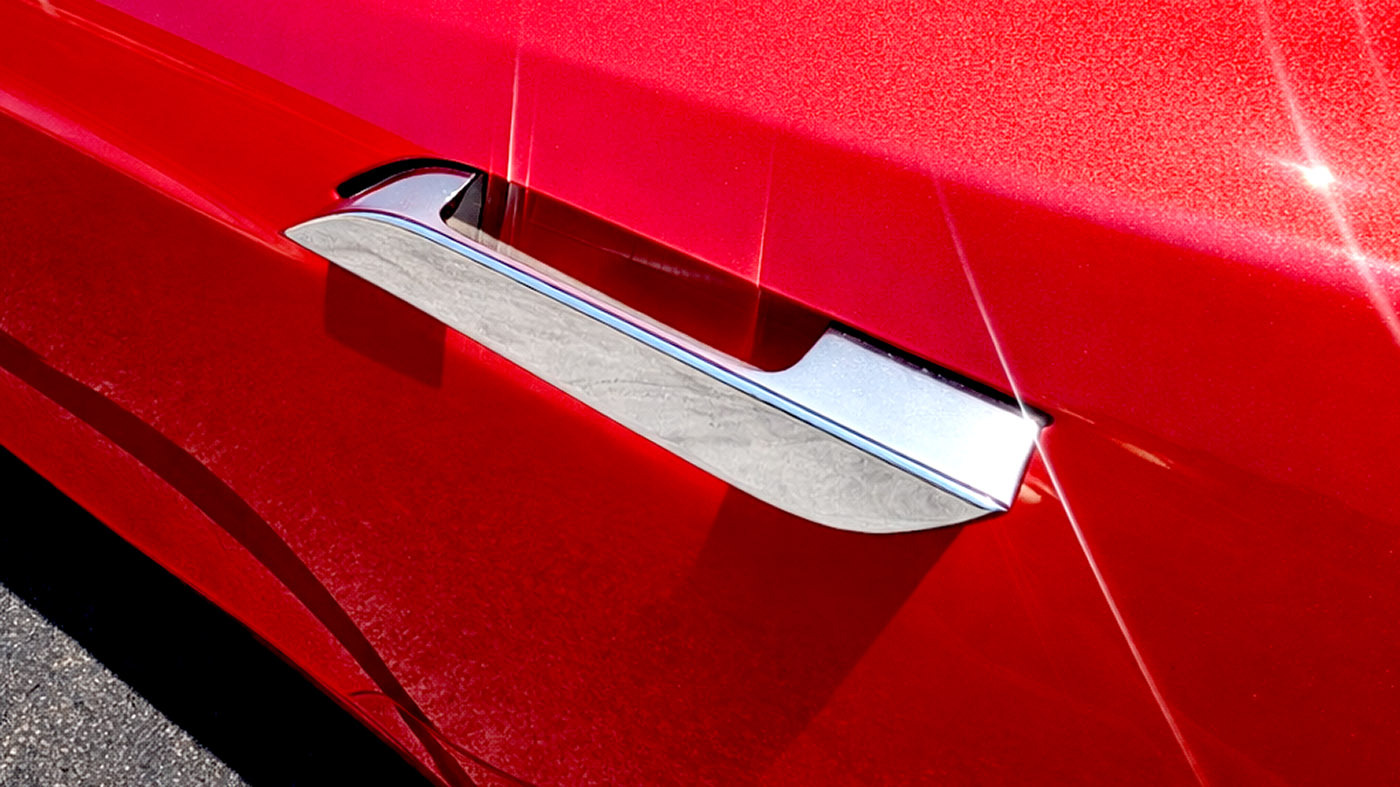
China will ban concealed EV door handles starting in 2027.
New rules require mechanical releases inside and out.
Gas cars with similar handles remain exempt for now.
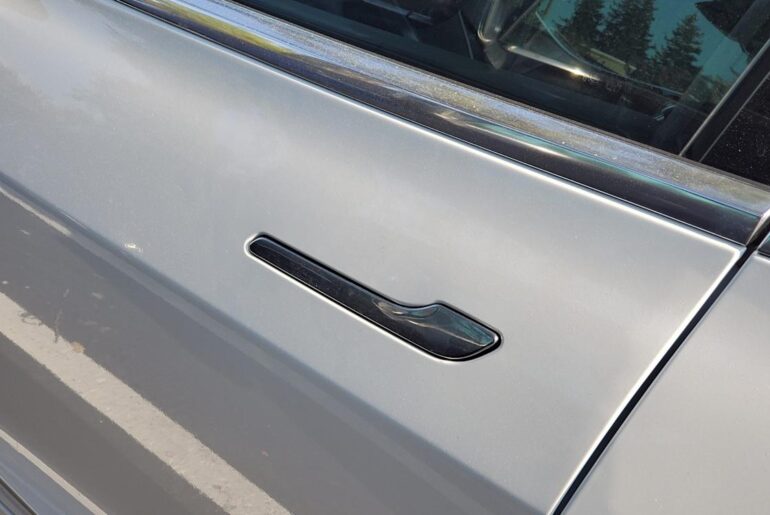
It’s official. China has banned electronic door handles on electric vehicles. First popularized by theTesla Model S, these sleek designs have since spread far and wide across the industry. But their safety has come under scrutiny following several high-profile fatal accidents, including incidents where children were reportedly trapped inside.
Starting in 2027, manufacturers will be required to install mechanical door handles both inside and outside electric vehicles sold in China.
More: New Bill Finally Targets Electric Door Handles, But Only One Brand Gets Blamed
The regulation takes effect on January 1, 2027, though models already approved and nearing launch will be given until January 2029 to comply. The decision follows a string of high-profile and fatal crashes in which power failures were suspected to have prevented doors from opening.
What Sparked the Change?
Most notably, two fiery Xiaomi EV crashes drew widespread attention after reports suggested occupants and rescuers were unable to open the vehicles’ electronically operated doors in time. Safety officials in China responded with a sweeping review of design standards for emergency access.
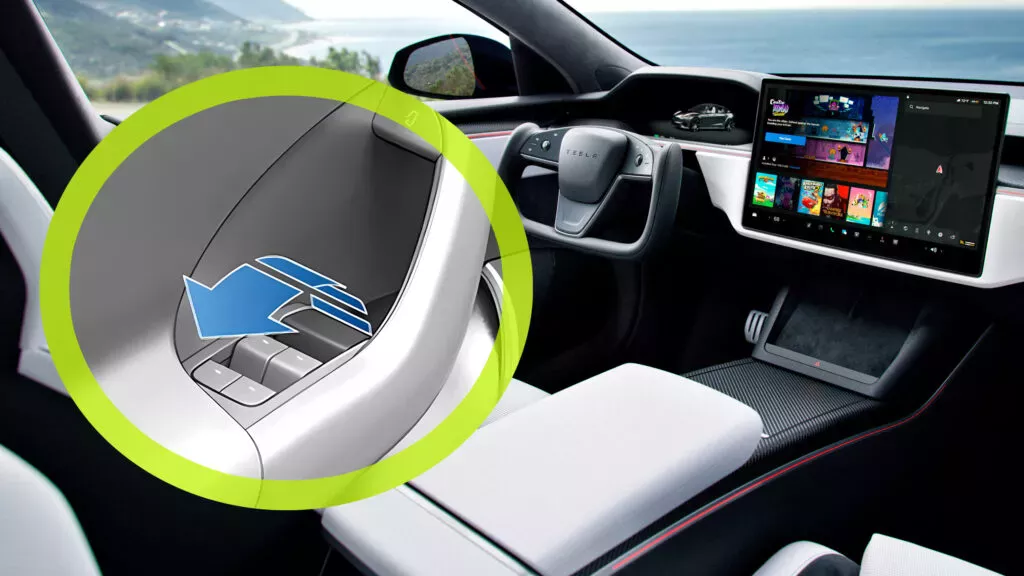
According to Bloomberg, China’s new rules are unusually specific. Exterior handles must provide a recessed handhold measuring at least 60 mm by 20 mm (2.36 inches by 0.79 inches), ensuring rescuers can physically grasp and pull them even after a crash. Inside the cabin, manufacturers must clearly label door releases with visible signage showing how to open the door in an emergency.
Interior signage must be at least 1 cm by 0.7 cm (approximately 0.39 inches by 0.28 inches), and both the interior and exterior door handles must be installed in clearly defined positions. Under the updated guidelines, automakers can no longer rely solely on electronically powered systems, even those supplemented by backup batteries or mechanical pull cables.
How Many Cars Are Affected?
That’s a major shift. Roughly 60 percent of China’s top 100 best-selling new-energy vehicles reportedly used concealed door handles as recently as April, particularly on higher-margin luxury models. The list of affected cars includes Tesla’s Model 3 and Model Y, BMW’s upcoming China-spec iX3, and offerings from Nio, Li Auto, Xpeng, and Xiaomi.
Some automakers have already seen the writing on the wall. Recent models from Geely and BYD have quietly reverted to traditional exposed handles. Tesla’s design head commented months ago, when the Chinese ban was first suggested, that the brand was already working on a solution.
Even so, the redesign process could be steep. A source with knowledge of EV development in China told Bloomberg that adapting existing door systems to meet the new standards might cost upwards of 100 million yuan per model, or about $14.4 million.
One Market’s Rule, Everyone’s Problem
That helps to underscore just what a big deal this ban actually is. While Americans might not ever get their hands on a BYD or a Geely, they’re certainly familiar with Tesla. By requiring EVs to have these door handles, it’ll likely reshape the way automakers design handles worldwide.
Rather than build different versions for different markets, simplifying handle design so that it’s compliant worldwide will save cash.
Why Only EVs?
Hilariously, there appears to be one big caveat in this whole situation. The ban in China doesn’t affect cars that aren’t electric. In other words, what the state sees as dangerous door handles can continue on other vehicles that also need a battery to operate.
That’s notable because most EVs use a 12v battery to operate their electric door latches and handles. Put another way, they’re not really any different, in terms of basic function, from a gas-powered car. Despite that, gas-powered vehicles can continue to have these “dangerous” handles under the new law.
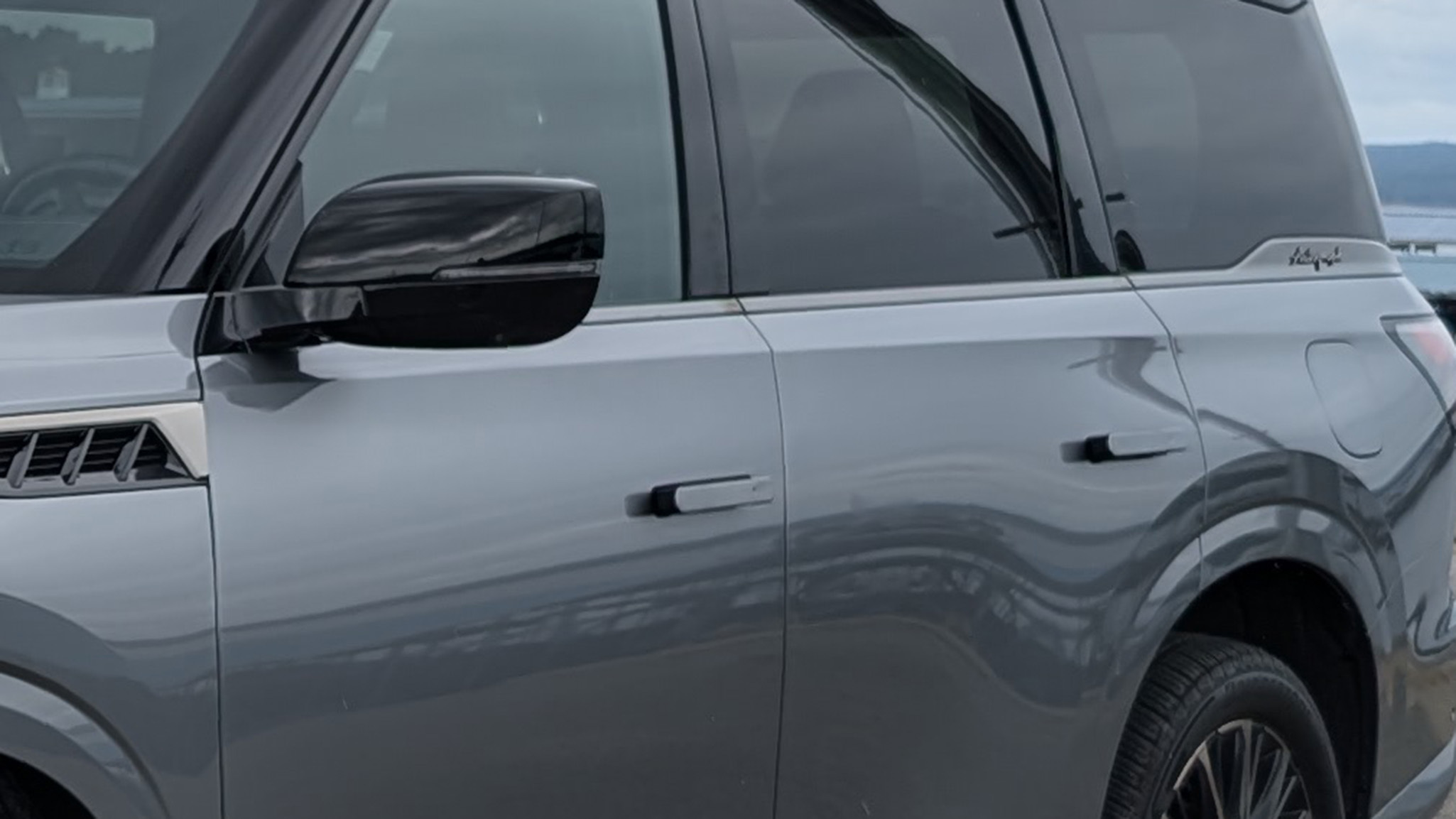
Stephen Rivers for Carscoops
Some already use similar systems. The Infiniti QX80, for example, features pop-out door handles that depend on electrical power to present themselves. If the battery were dead or damaged in a serious crash, those handles could theoretically fail in much the same way as the EV designs China is now banning.
The Beginning of the End for Hidden Handles?
Still, the precedent matters. By drawing a hard line on power-only door access, China may end up stopping this design trend from spreading further across the industry. And if regulators in Europe or the U.S. follow suit, the rulebook could eventually expand to cover all passenger vehicles, regardless of what’s under the hood.
In fact, early signs suggest that may already be happening. Tesla is currently facing a formal investigation into its door systems in the United States, and European regulators have begun exploring restrictions of their own.