Introduction and model history
Shall we start with who Xpeng is, before we talk about its first model – the Xpeng G6? Let’s do that. Xpeng is a Chinese brand that’s existed since 2014 in its domestic market, and has been in a number of European markets since 2021. It’s very much targeting Tesla with its tech-first approach, and it’s sold nearly a million cars since launch – with nearly 400,000 of those in 2025, so things are certainly ramping up quickly for Xpeng.

The brand arrived in the UK in the first half of 2025, starting with a rollout of 20 dealerships. The G6 was its first car on sale in the UK, and remains the only Xpeng model you can buy over here, although there are various new Xpeng EVs due to arrive in the next year or so to bolster the lineup. Maybe that will include the Xpeng P7+ that Nicola had a look around recently? We’ll have to wait and see.
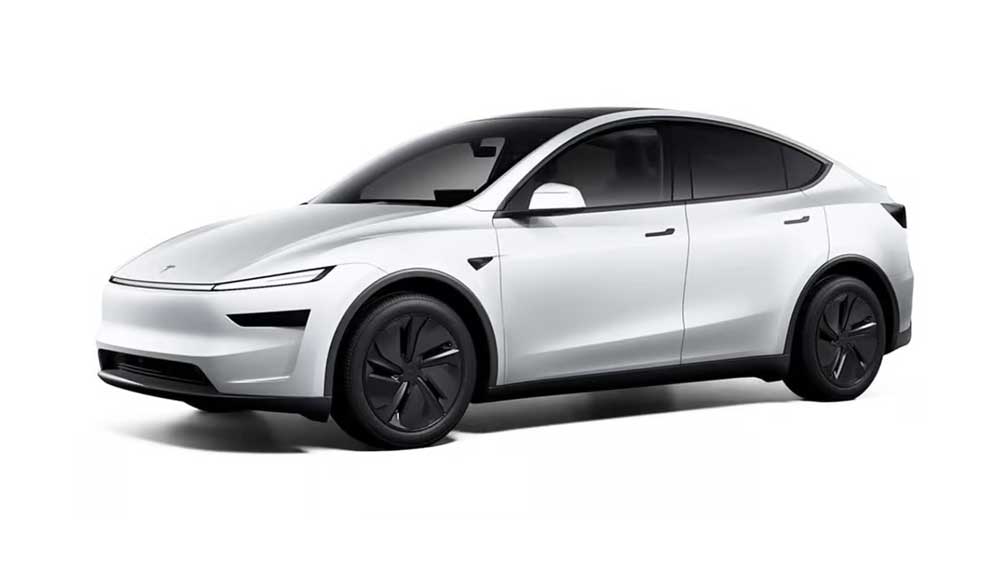
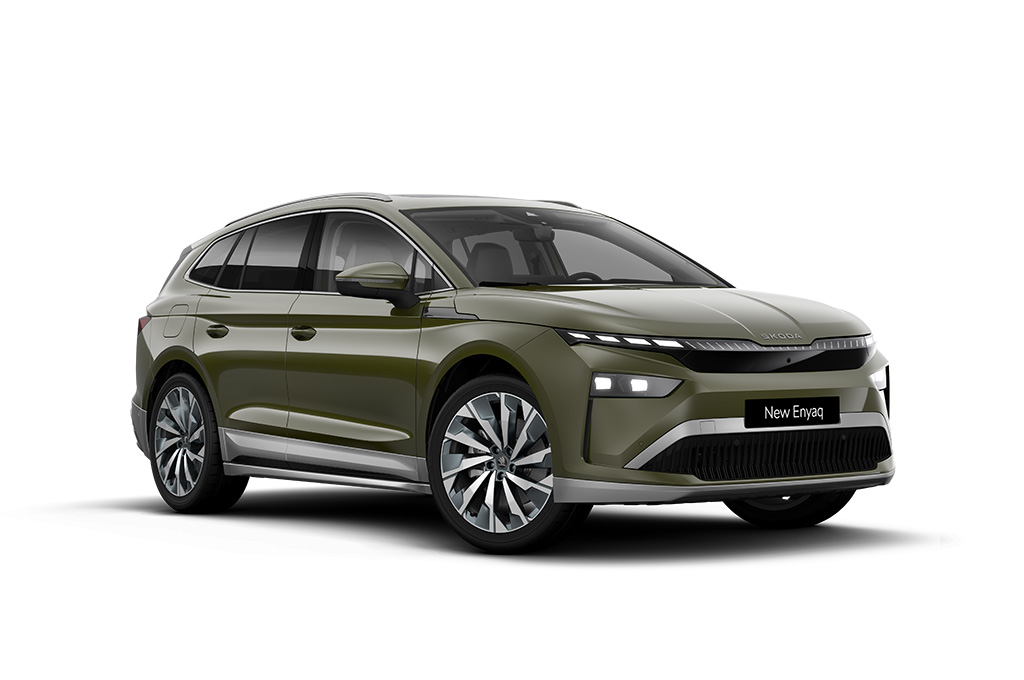
In the meantime, the G6 has already had a facelift, with some new tech and styling. At just under 4.8m long, the G6 is spot on for rivals like the Tesla Model Y, Skoda Enyaq, Peugeot 3008, Kia EV5, VW ID.4, BYD Sealion 7, Leapmotor C10 and more.
Range, battery and charging
The Xpeng G6 gets an 80kWh LFP battery (usable), which is good for a range of up to 326 miles in the G6 Long Range RWD, while the Performance manages 316 miles. Peculiarly, the G6 Standard Range RWD gets a 66kWh LFP battery, yet manages 292 miles – which isn’t much less than you get on the Long Range, is it, given the much bigger battery?!
Just goes to show that sometimes a smaller, lighter battery and less power can make for a drastically more efficient car.
Speaking of efficiency, I’ve only driven the G6 Performance Black Edition, which has an abundance of power and chunky 20-inch Michelin tyres on black alloys. It all looks very Knight Rider – and it’s certainly rapid – but it wasn’t efficient on the long, winter motorway journeys that I did in it. I only returned around 2.3m/kWh, which is just over 180 miles to a charge, but I’d expect that to creep up towards 250 miles in summer conditions when any electric car is more efficient.
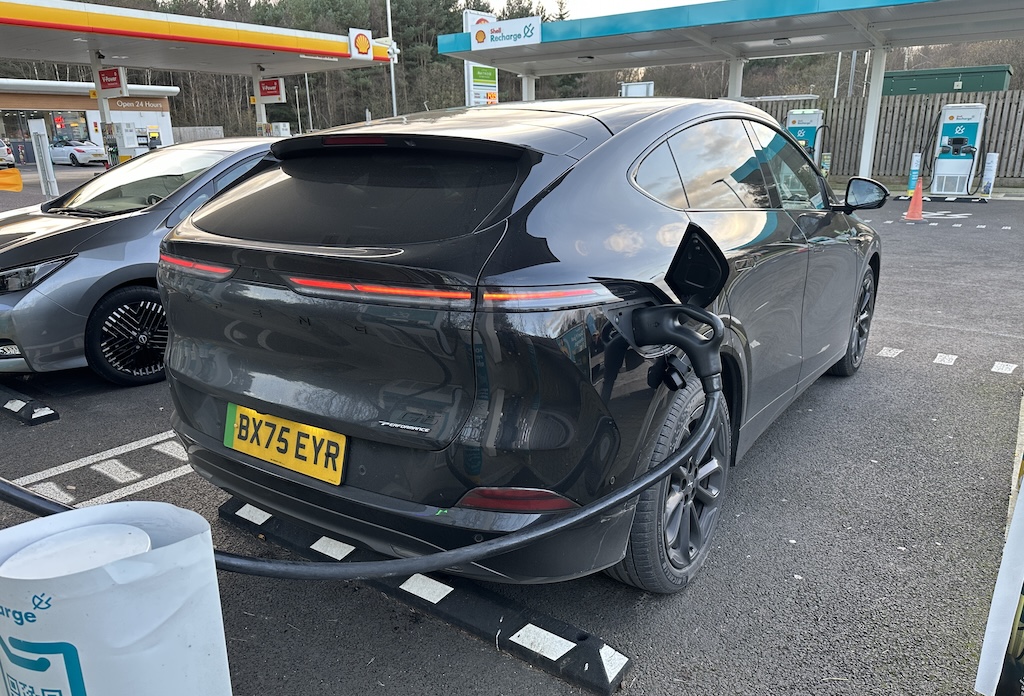
I’d like to have a go in the Xpeng G6 Standard Range to see if it gets closer to its claimed range, but I’d certainly say that you should avoid the Performance variant if range is your priority.
Mind you, the charging speeds on the G6 do go some way to making up for underwhelming winter range. This is one of the fastest-charge electric cars in the world. The 800V system allows for DC rapid charging speeds of up to 382kW for the Standard Range, and 451kW for the Long Range and Performance models. If you can find a powerful enough charging station, that means that you’ll get a 10-80% charge in some 15- to 20 minutes – or a 100 mile top-up in under 10 minutes. Even on the 150kW charger that I used, and despite cold weather, the G6 charged really quickly.
The Xpeng also gets vehicle-to-load (V2L) as standard, which means that you can charge your electrical devices from the car’s battery at 3.3kW (which is a fraction faster than a normal domestic socket that you plug your lamp into at home). It’s useful tech for charging your e-bike, powering your garden tools down at the allotment or just… well, anything that needs electricity while you’re out and about.
You also get a heat pump included on every Xpeng G6.
Practicality and boot space
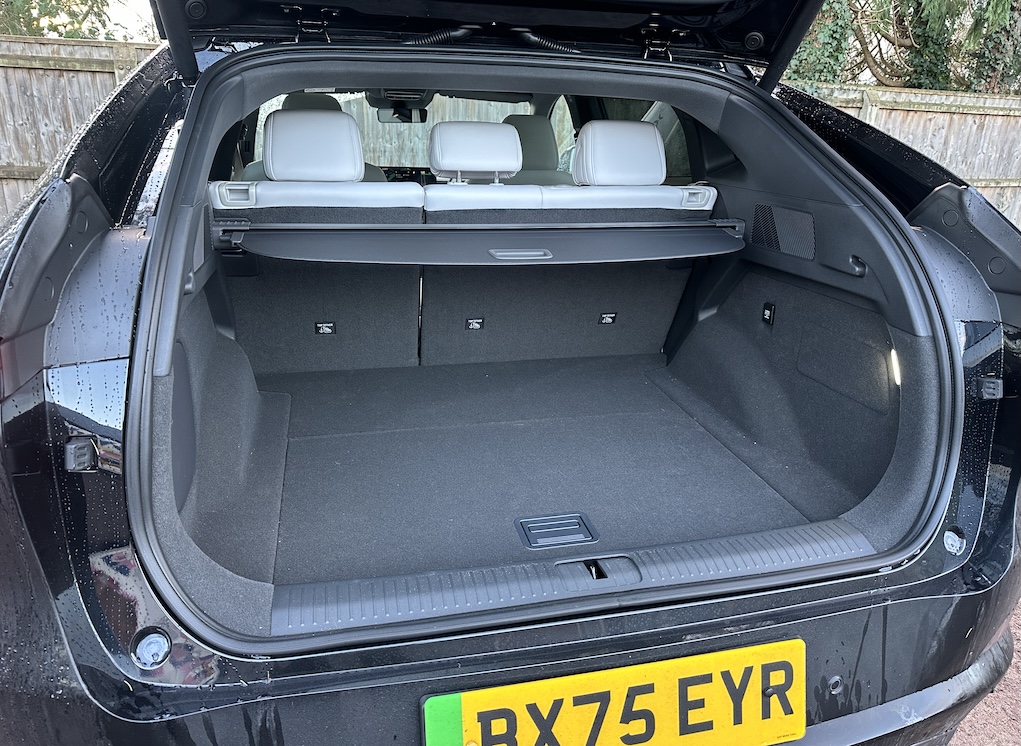
This is a real strong point with the G6. It’s got a huge, 571-litre boot that has a really deep, wide boot floor. There’s not quite as much depth to the boot as you get in the Skoda Enyaq or Peugeot 5008, but this is still a really good luggage space that’ll work well if you’ve got a double buggy, or other chunky stuff to carry around.
A shallow frunk (or froot, if you’re in the UK) brings some extra storage space under the bonnet, which is a useful place to keep your cables neatly out of the way.
There’s also tons of space in the rear seats, so even long-legged adults will be comfy in the back where there’s a standard panoramic roof that makes it feel light and airy. You can even recline the seat backs for a bit of extra luxury.
Interior, design/styling and technology
The Xpeng G6 has a minimalist cabin with leatherette upholstery as standard, a couple of wireless phone charging pads, a huge centre storage cubby under the armrest, and rather smart ambient-lit panels that run horizontally across the dash and doors. It does feel a bit sparse given that there are no buttons, so even your side mirrors are adjusted through the screen, which can be a bit annoying if you regularly have different drivers using the car. But the trim panels and materials feel pretty good and look classy, so the G6 certainly feels like quite a premium car – and I’d say it’s probably a bit better than Tesla for a sense of luxury.
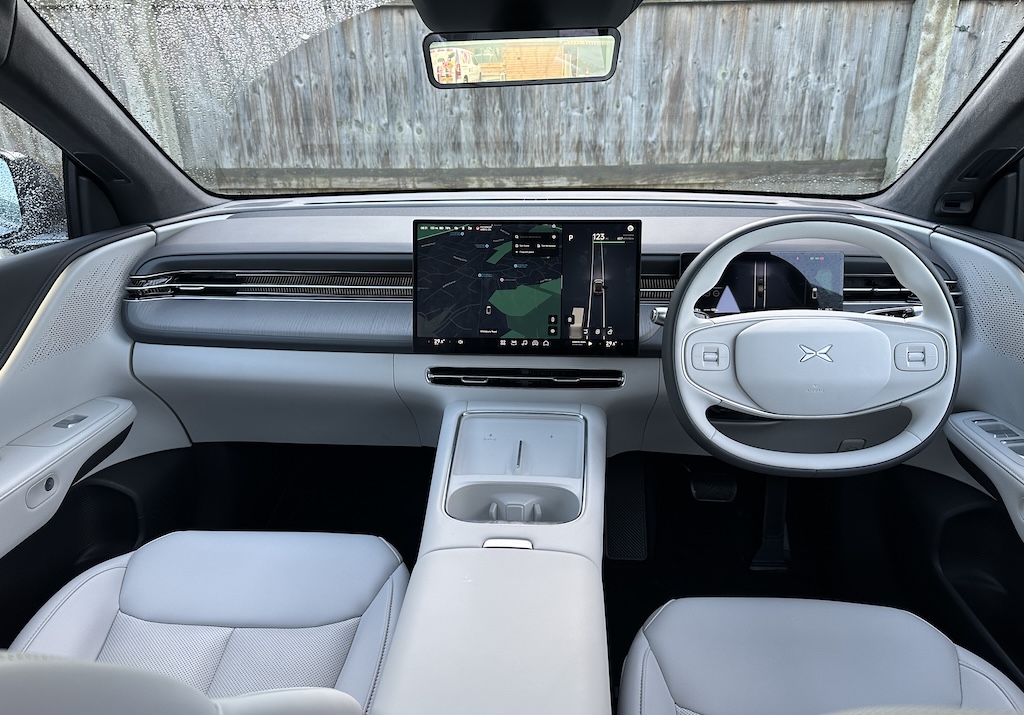
The heated, ventilated and massaging seats also go a long way to making you feel pretty smug about your posh EV, too. I do love a massage seat!
There’s loads of tech, too. Even the rear-view mirror in the Xpeng G6 is a camera, although you can switch it to a conventional mirror if you prefer. The rear visibility is poor through the narrow rear windscreen on the G6, so the camera option can be useful, but I’m glad that there’s the option of both. Weirdly, my septuagenarian mother loved the rear-view camera and thought it was great fun to watch all the cars in it – like it was some kind of computer game. Fair enough, Mum…
Naturally there’s an enormous, 15.6-inch touchscreen system, which is your window to all of the car’s features. I find the systems in Tesla and Kia a bit easier to use, with more intuitive menu layouts, but when you’ve worked out the shortcuts on the Xpeng it’s really not a difficult system to live with.
There are seven airbags and a full suite of safety driver aids including a semi-autonomous drive mode that will keep the car in its lane while following traffic ahead at a safe distance.
Motors, performance and handling
The Xpeng G6 can do 0-62mph in 6.9-, 6.7- or 4.1 seconds depending on whether you go for the Standard Range RWD, Long Range RWD or Performance AWD. I’ve only had the chance to drive the G6 Performance AWD Black Edition, and it is incongruously fast for such a huge car.
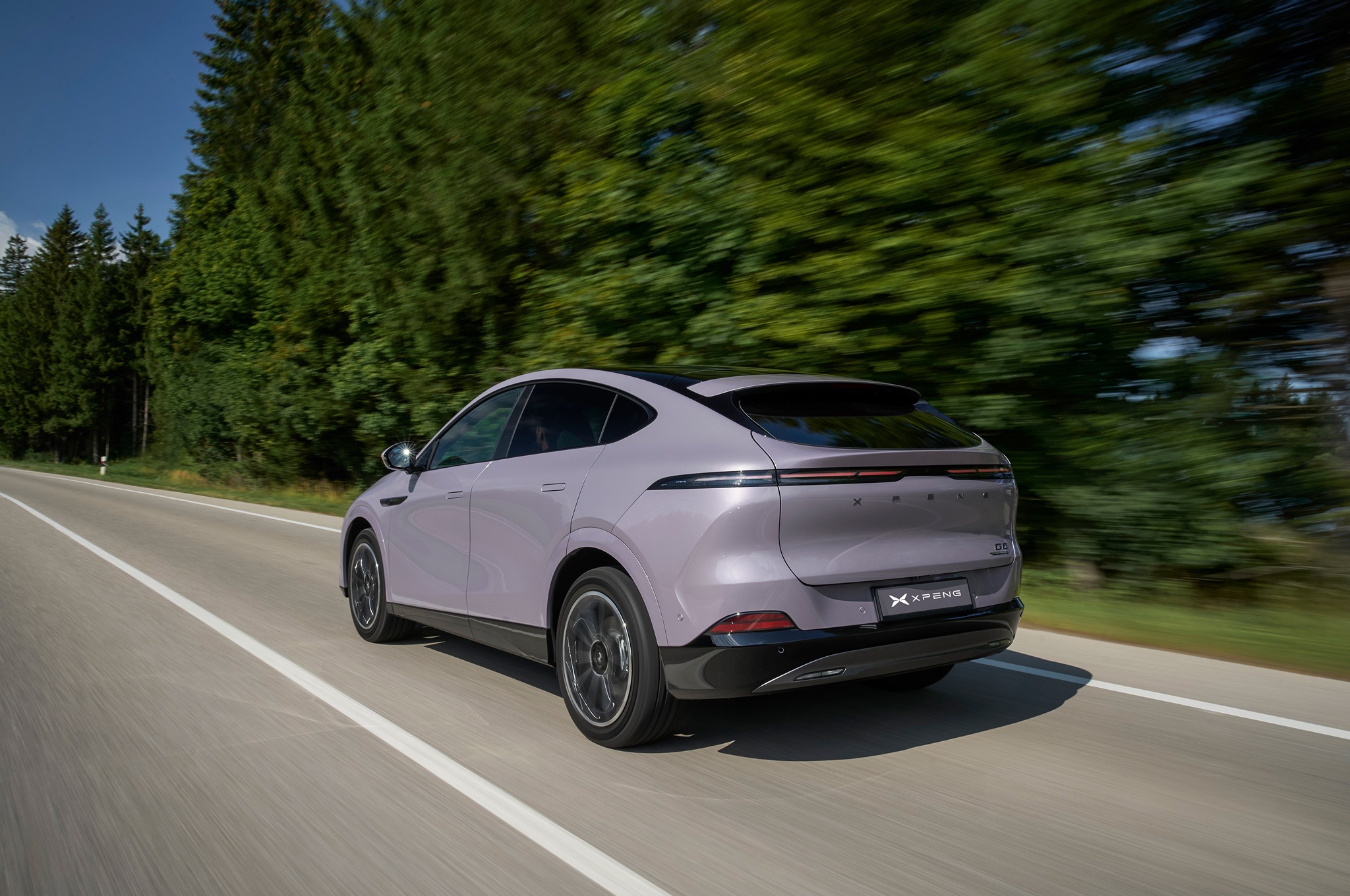
More than that, it’s not a car that feels like it’s been set up to be fun to drive, in the way that you might reasonably imagine would be the case for a car with that’s almost as fast as a Porsche 911. You can change the steering weight, and there a four brake regen’ modes including a one-pedal setting, but the G6 uses passive suspension (so you can’t adjust it), but it doesn’t matter what you do with the adjustable dynamic settings; the G6 never feels like a sports SUV despite its huge, laugh-out-loud straight line pace.
It’s a heavy car that weighs over 2.2 tonnes, and you feel that weight in the corners. The suspension has been adjusted for the UK market but the car’s body still wallows quite a bit over big bumps or undulations, while cracked surfaces and potholes thump quite heavily at low speeds. If you just sit back and enjoy the massage seats, the Xpeng G6 is a perfectly decent way of getting about – I doubt you’d find the ride comfort to be a deal breaker, especially as it all calms down a bit at higher speeds. However, I would definitely say that the G6 is merely ‘okay’ to drive rather than being anything special in the dynamic department. A Skoda Enyaq is definitely more comfortable and feels more natural to drive overall, and while the Tesla Model Y has its own issues with ride comfort, it’s still better than the G6 for handling and steering precision.
Running costs and pricing
The G6 really does make a lot of its rivals look pretty expensive. Given that equipment is so generous with every G6 getting the panoramic glass roof, leatherette upholstery, adaptive cruise control, keyless entry, heated seats, 360-degree parking camera, V2L and more, the starting price of just under £40,000 for the Standard Range is very tempting. It’s another £5,000 for the Long Range RWD, which I suspect will be the most popular option, while the Performance AWD (currently only available as the Black Edition) comes in at just under £50,000.
That doesn’t sound cheap but it does mean the G6 undercuts a lot of its rivals including the Tesla Model Y. Even so, you may well be better of hiring or leasing the G6 rather than buying, as depreciation is an unknown and could be very steep given that this is still a rather unknown brand in the UK.
The contract hire rates on the G6 also look much more tempting than the PCP finance deals, with contract hire deals offering monthly costs of around £350 after a deposit of around £3,000 even if you want the Long Range. You can also check out the best EV lease and finance deals on our weekly deals page, right here.
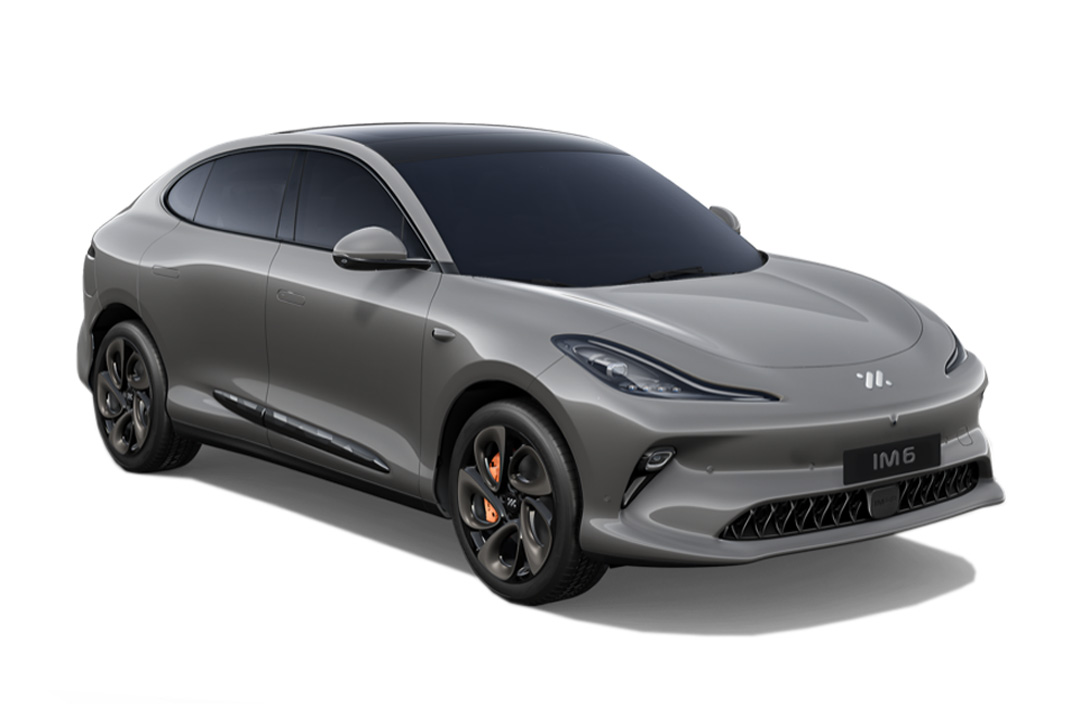
A five-year, 75,000 miles warranty is included on the Xpeng G6, and the battery is covered for eight years and 100,000 miles. You’ll get a longer warranty on the MG IM6, Kia EV5, Hyundai Ioniq 5 and Peugeot E-3008 but the Xpeng’s standard warranty is still more generous than on most rivals.
Verdict
The Xpeng G6 is an impressive amount of car for the money. Not just in terms of the equipment and space, but also in terms of the battery tech and charging. It’s also got quite a presence on the road and isn’t lacking in ‘look at me’ factor, so you really do feel like you are getting got quite a posh, attention-grabbing car with hugely impressive tech for less money than you’d pay for most rivals.
However, there are compromises. The G6 is acceptable to drive but there are others that are more comfortable and enjoyable, and real-world range was disappointing over the wintery week that we spent with the Performance.
Like the Xpeng G6? Try these…