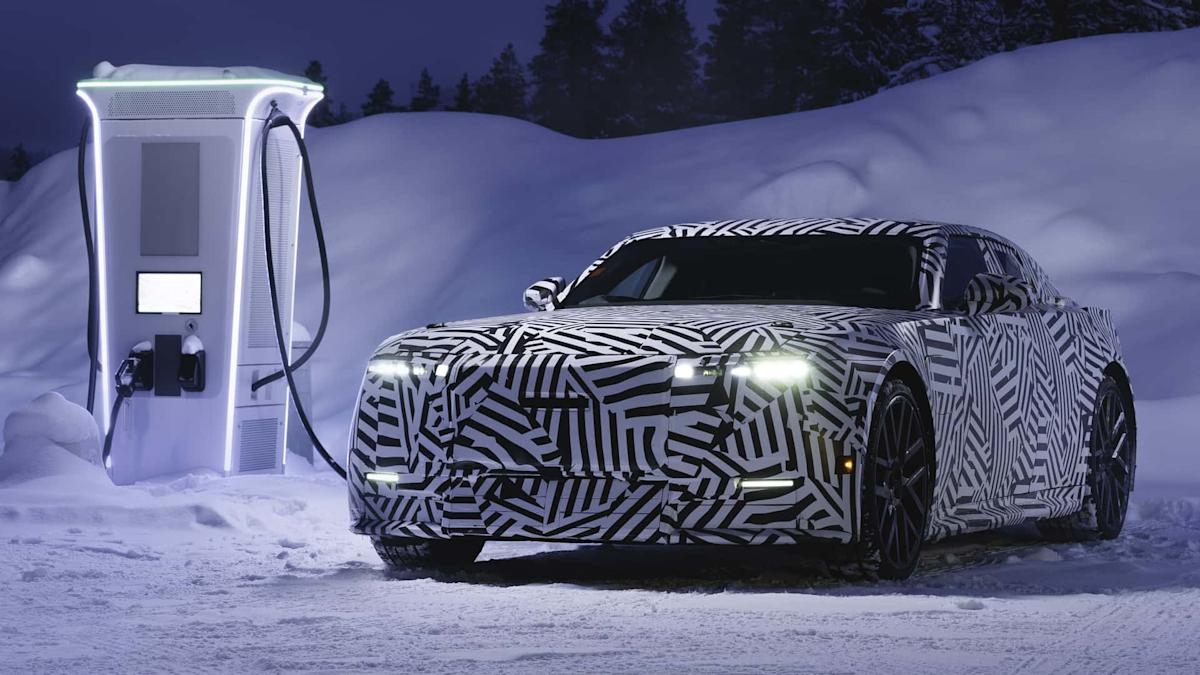
We’ll have to wait until summer for the camouflage to come off.
It’s already been a little over a year since Jaguar hit the reset button with the outlandish Type 00. The striking concept that set the internet ablaze with its distinctive proportions and controversial marketing campaign still hasn’t transitioned into a production model. However, the company is easing the wait with fresh teasers ahead of a full reveal scheduled for late summer.
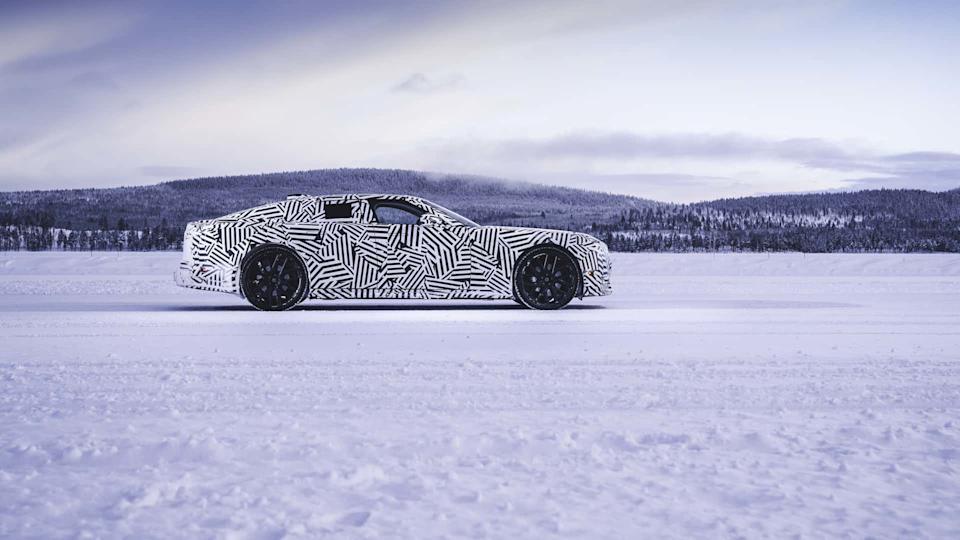
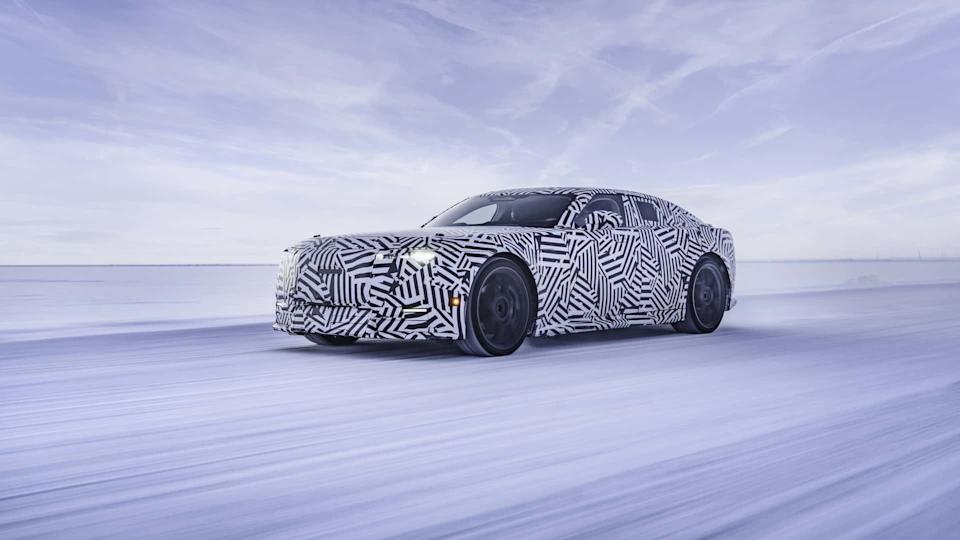
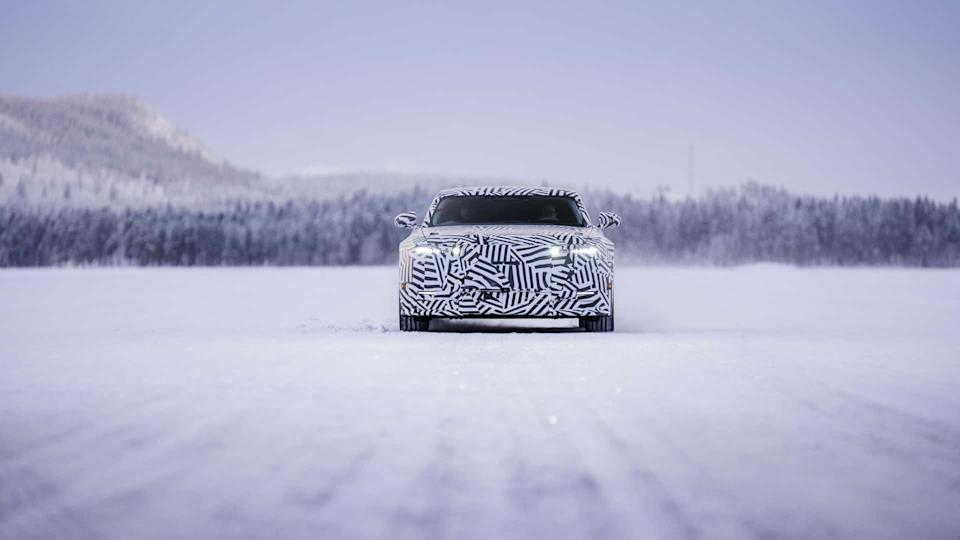
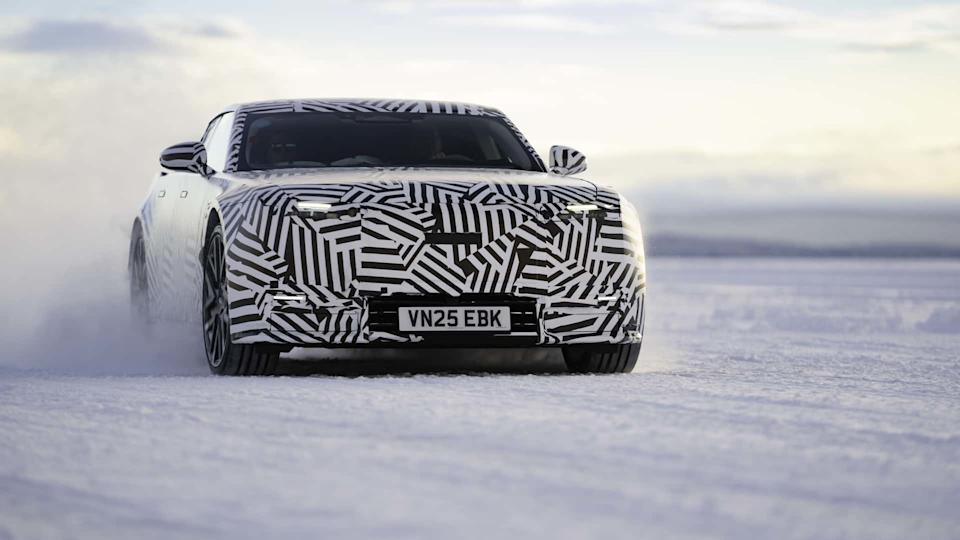
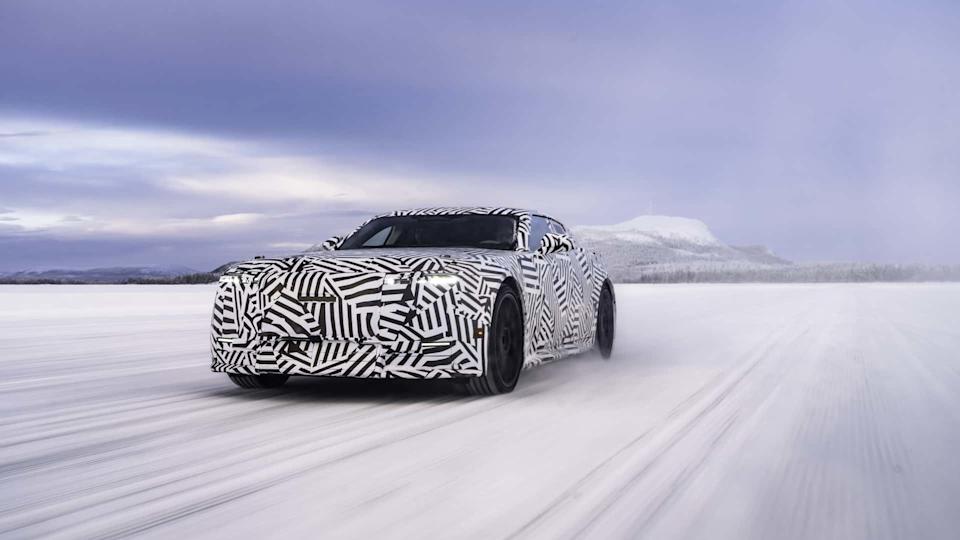
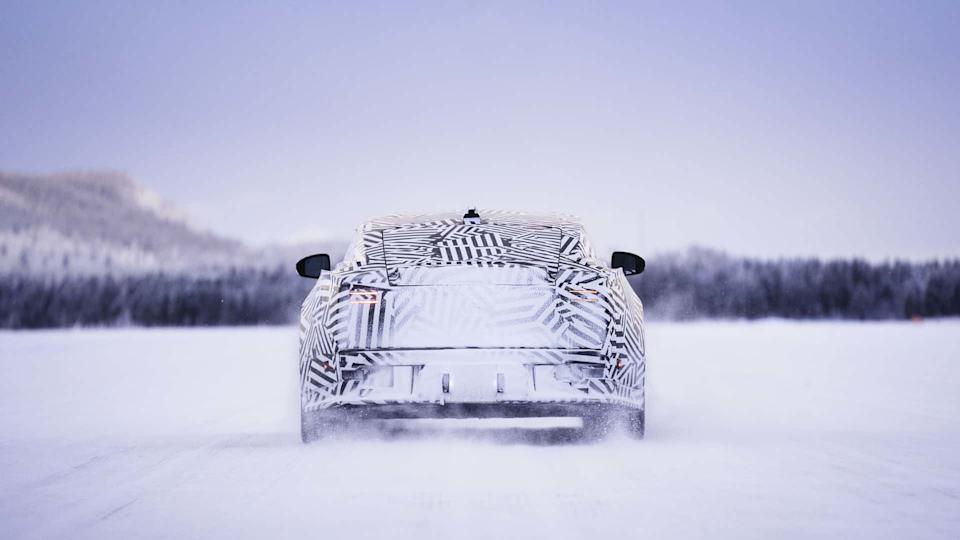
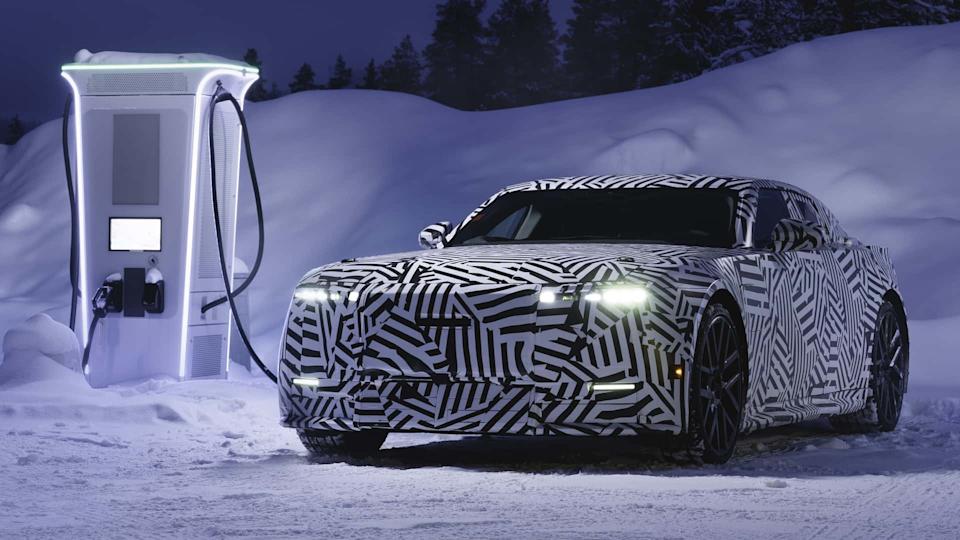
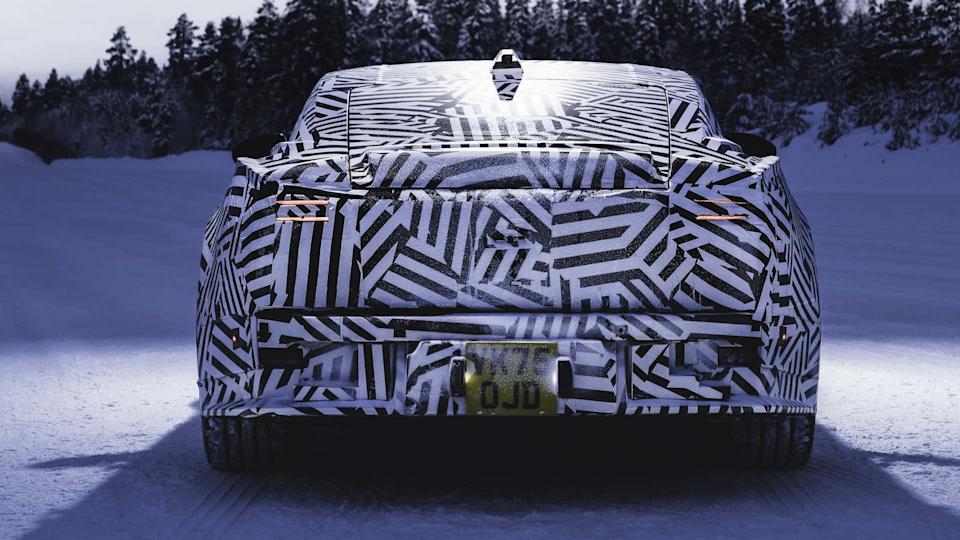
New images show the unnamed model undergoing cold-weather testing in the Arctic Circle at temperatures as low as -40°F (-40°C). While it remains heavily camouflaged, Jaguar has confirmed the production version won’t have a rear window, echoing the Polestar 5. As already evident in earlier images, the new EV will feature rear doors rather than the concept’s less practical two-door layout.
Alongside photos of the EV sliding across frozen lakes, Jaguar is sharing some spicy details. From the moment the concept broke cover, it was immediately obvious this would be a big car. Measuring more than 204.7 inches (5.2 meters) long, it’s roughly on par with the Mercedes EQS. Although the relatively small side windows and the absence of rear glass may raise concerns about a dark cabin, Jaguar counters with a massive glass roof stretching from front to rear, ensuring the interior is bathed in light.
Standard 23-Inch Wheels
The dedicated electric vehicle platform has allowed engineers to stretch the wheelbase to a gargantuan 126 inches (3.2 meters). While EVs typically sit higher than combustion-engine cars, Jaguar’s imposing grand tourer stands just 55 inches (1.4 meters) tall. It rides as standard on stately 23-inch wheels with bespoke tires, including a Pirelli winter setup.
Despite its size, rear-wheel steering of up to six degrees cuts the turning circle to 37.7 feet (11.5 meters), roughly matching that of the much smaller XE sedan. It will roll off the assembly line with 255/35 front and 295/30 rear tires. Smaller 21-inch wheels will be offered in some markets to better cope with poor road conditions.
Beyond the numbers, Jaguar claims the new GT “will drive like no other electric car thanks to a suite of electric propulsion technologies.” While the statement is bold yet vague, we do know the car will feature selectable drive modes, air suspension with active twin-valve dampers, torque vectoring, and a tri-motor setup producing more than 1,000 horsepower and 1,000 pound-feet (1,356 Newton-meters) of torque.
400+ Miles Of Range
The front-mounted single electric motor and the pair of rear-mounted motors draw energy from a battery with a net capacity of around 120 kWh. Jaguar estimates a range of more than 400 miles (644 kilometers) on a single charge in the EPA test cycle, and up to 430 miles (692 kilometers) under the more lenient WLTP standard. As a refresher, the company recently denied rumors about developing a range-extended version with a gas engine serving as a generator.
Jaguar Managing Director Rawdon Glover explains the intent behind the much-debated luxury GT:
‘Our aim from the outset has been to deliver a true Jaguar driving experience, and we have crafted a hugely desirable car that will be as captivating to drive as it is to look at.’
Motor1’s Take: The Type 00 remains just as intriguing as when we first laid eyes on the concept in December 2024. A lot is riding on this car, especially given that Jaguar has effectively sacrificed its entire lineup in a bid to reinvent itself as a super-luxury SV brand. Not leading this transformation with an SUV is a bold move, one many of us can get behind, regardless of how we feel about the brand’s radical transformation.
Still, being comfortable with effectively losing much of your existing customer base is a risky strategy. It’s a hard pill to swallow for Jaguar loyalists, knowing their beloved brand will never build gas-powered cars again. On top of that, pricing is climbing into a higher echelon, as JLR now aims to challenge Bentley, and even Rolls-Royce, rather than continue chasing BMW and its peers.
Source: Jaguar
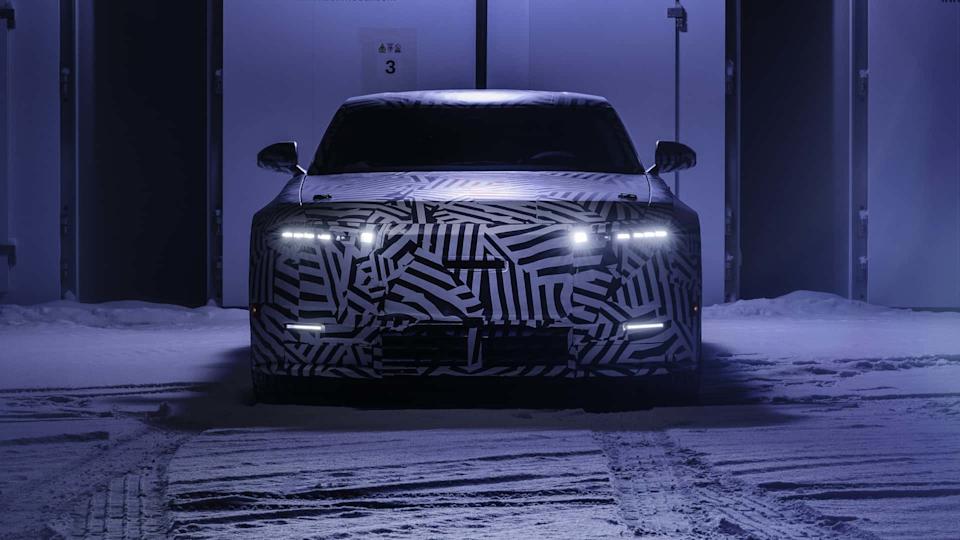
Jaguar Type 00 Prototype testing
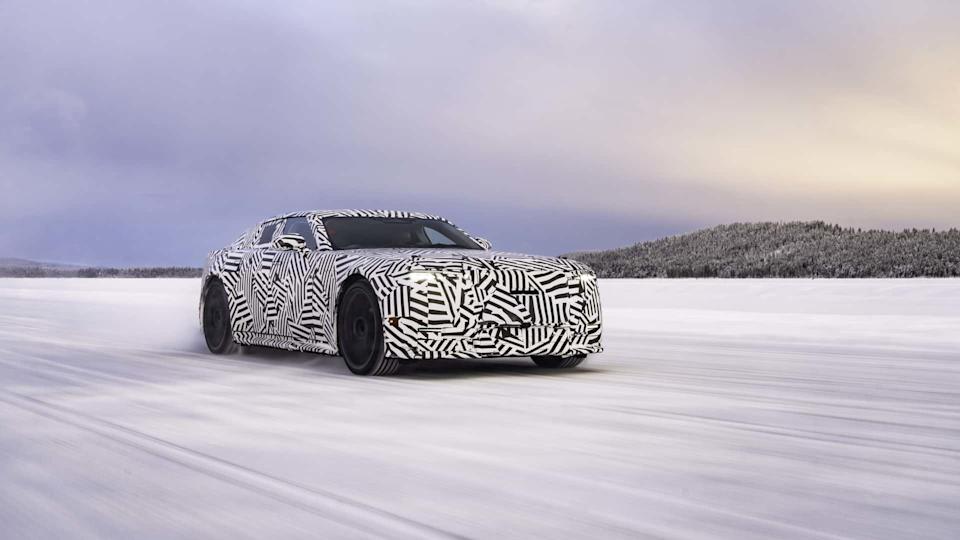
Jaguar Type 00 Prototype testing

Jaguar Type 00 Prototype testing
Jaguar Type 00 Prototype testing

Jaguar Type 00 Prototype testing
Jaguar Type 00 Prototype testing

Jaguar Type 00 Prototype testing

Jaguar Type 00 Prototype testing
Jaguar Type 00 Prototype testing
Jaguar Type 00 Prototype testing
Jaguar Type 00 Prototype testing
Jaguar Type 00 Prototype testing
Jaguar Type 00 Prototype testing
Jaguar Type 00 Prototype testing
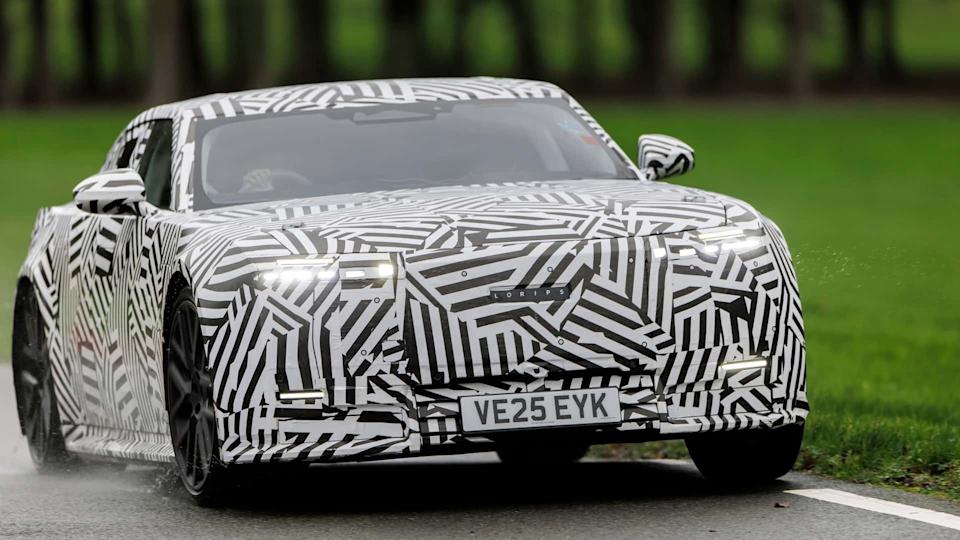
Jaguar Type 00 Prototype Testing
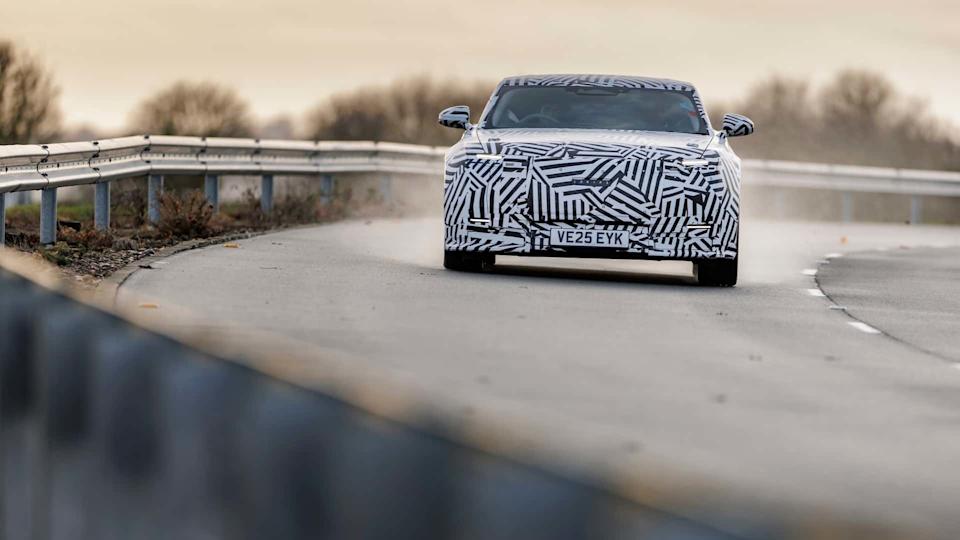
Jaguar Type 00 Prototype Testing
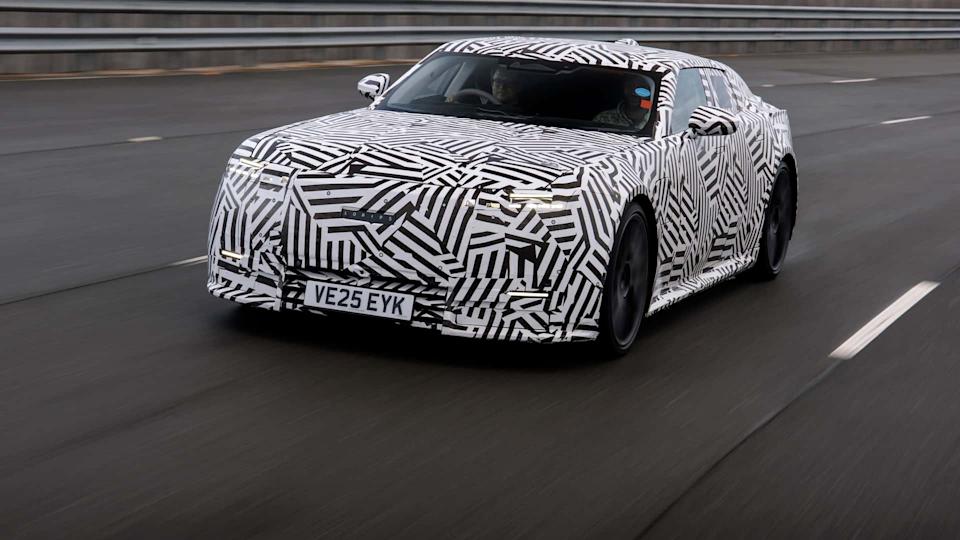
Jaguar Type 00 Prototype Testing
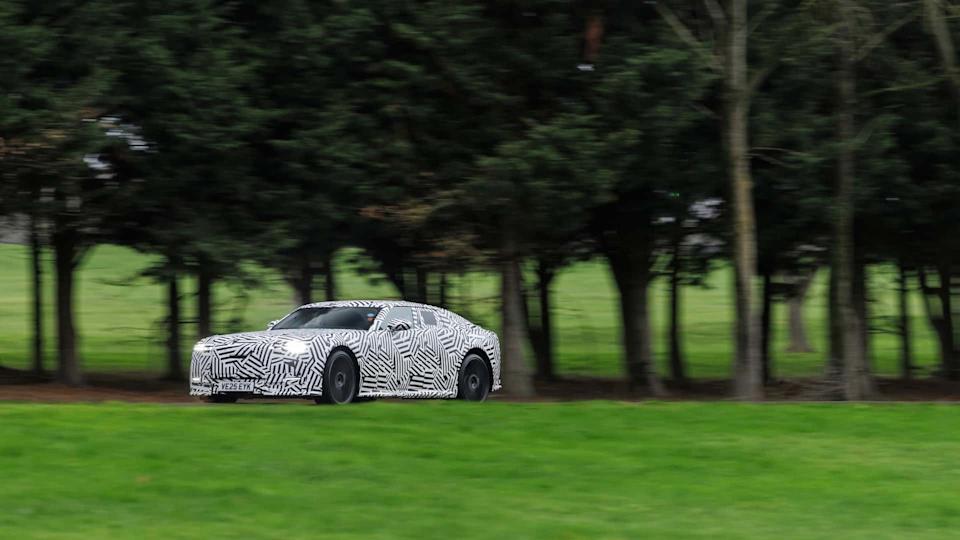
Jaguar Type 00 Prototype Testing
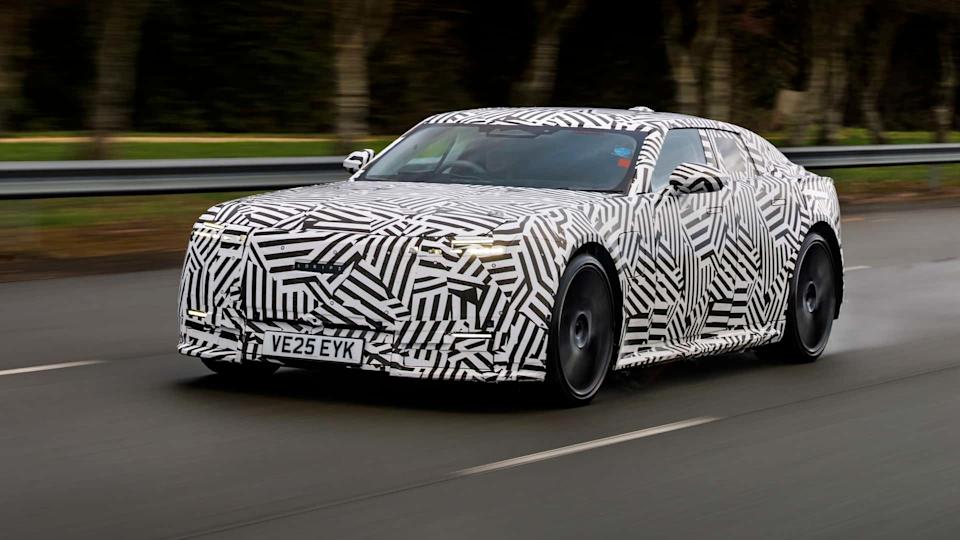
Jaguar Type 00 Prototype Testing
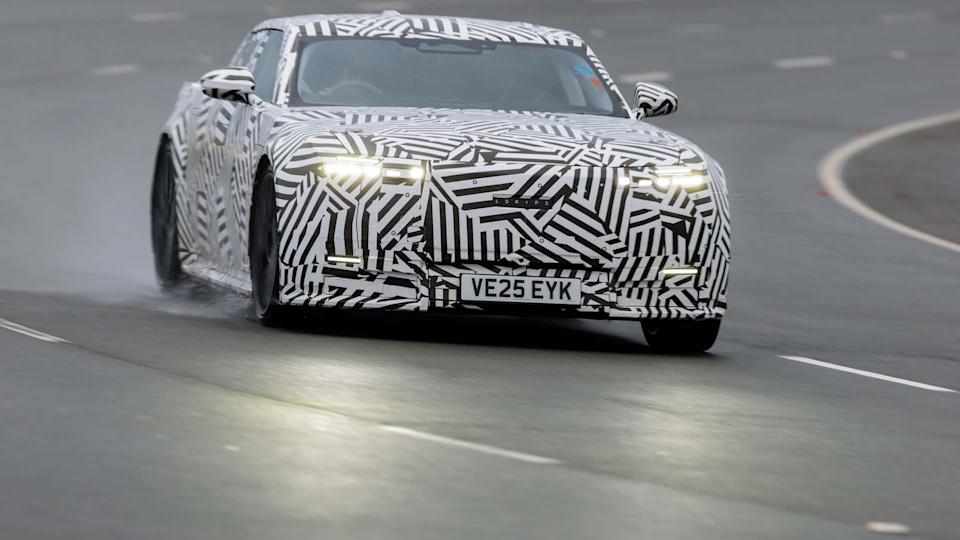
Jaguar Type 00 Prototype Testing
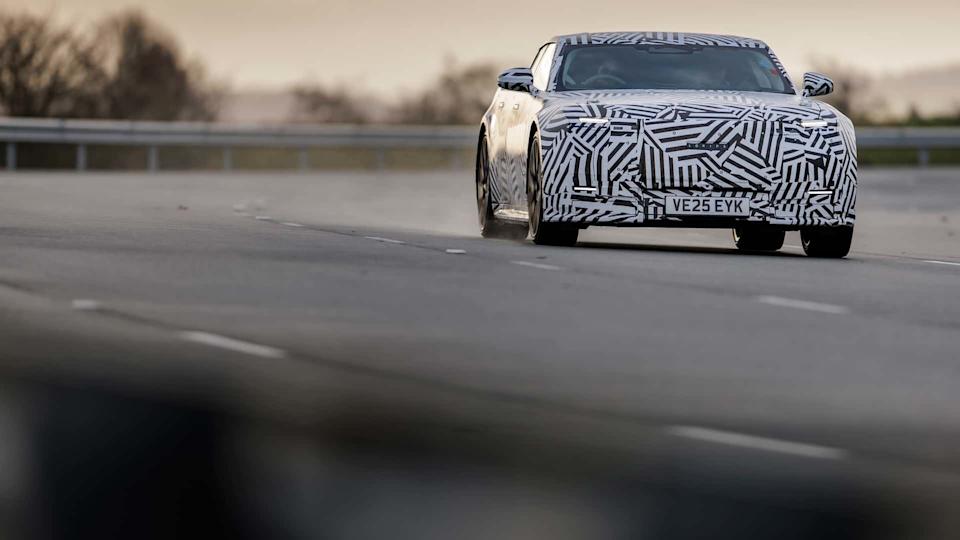
Jaguar Type 00 Prototype Testing
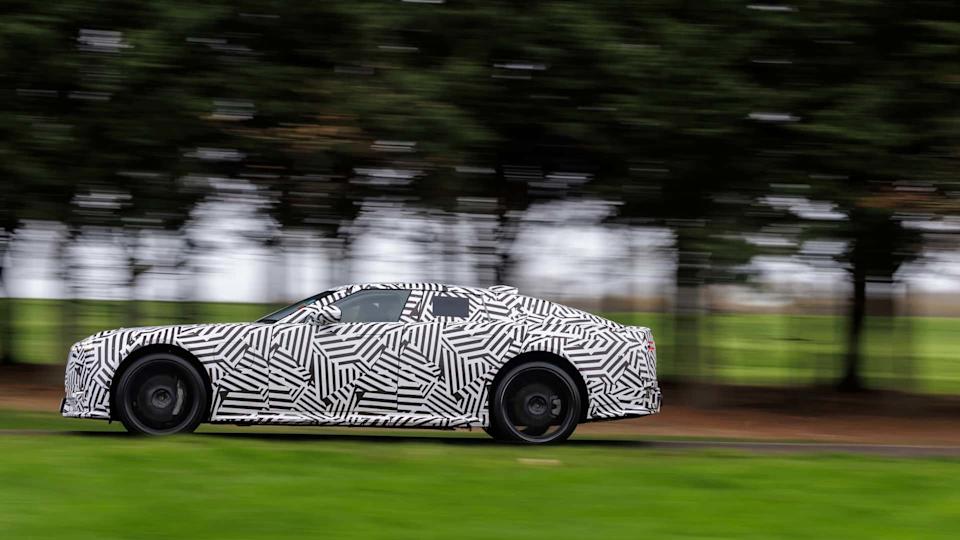
Jaguar Type 00 Prototype Testing
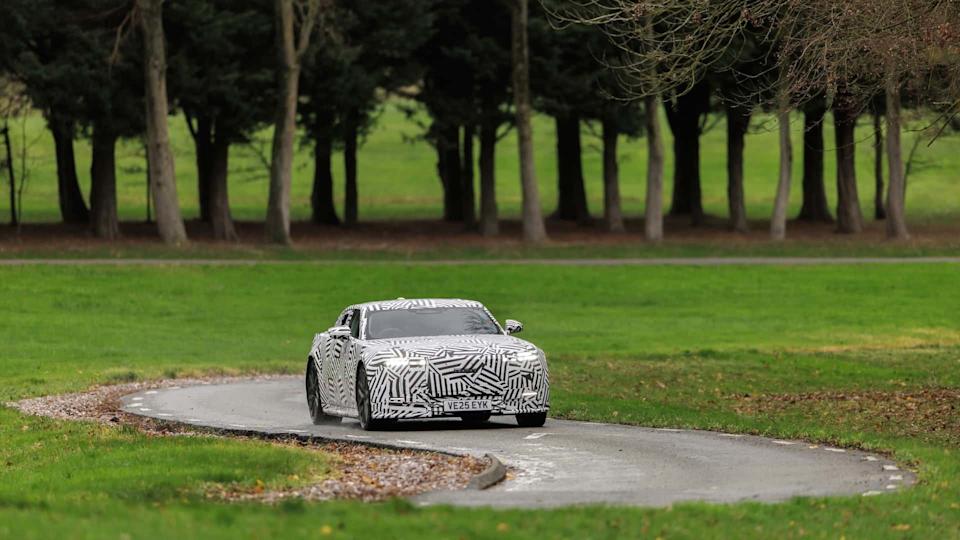
Jaguar Type 00 Prototype Testing
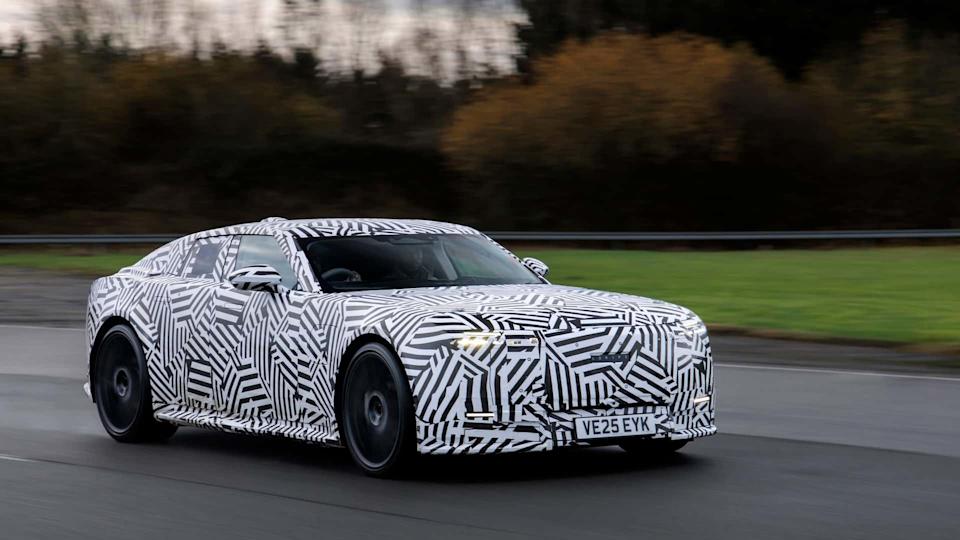
Jaguar Type 00 Prototype Testing
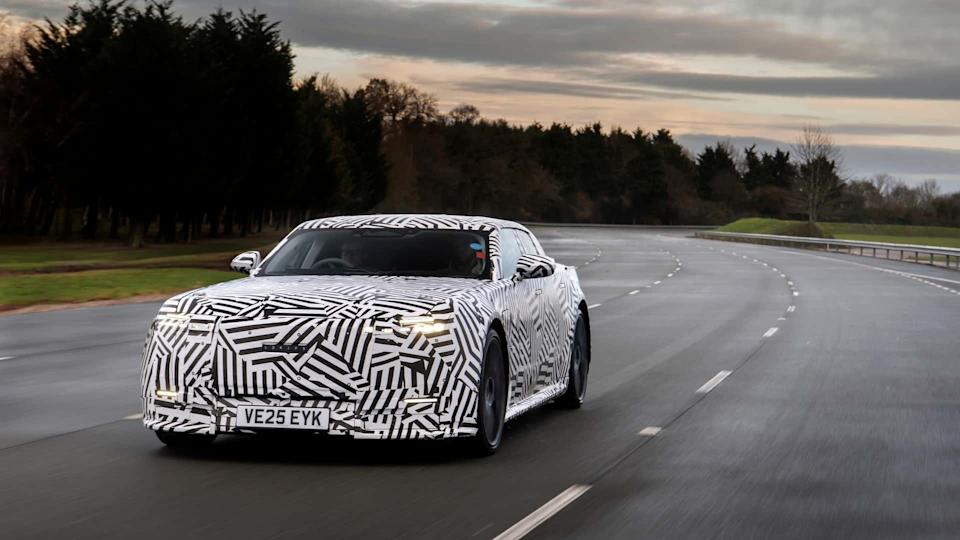
Jaguar Type 00 Prototype Testing
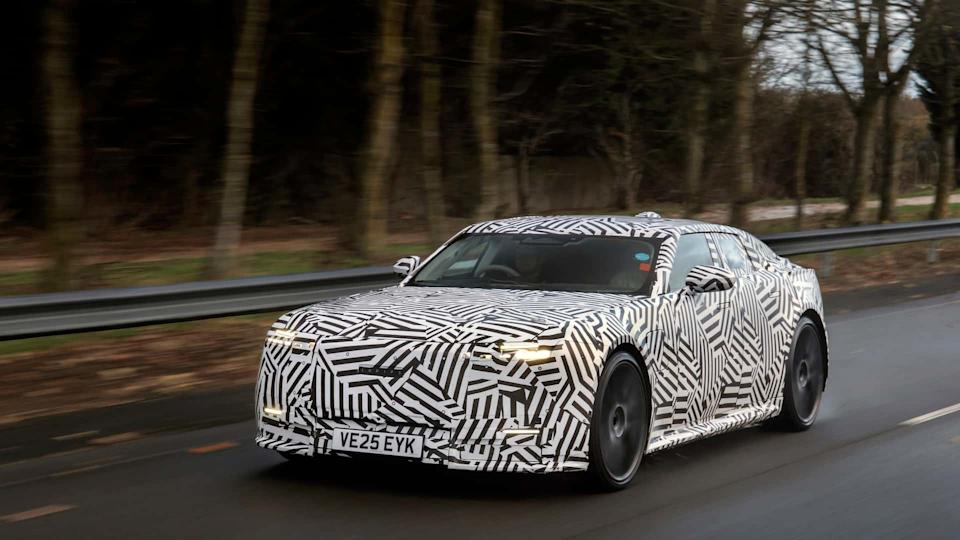
Jaguar Type 00 Prototype Testing
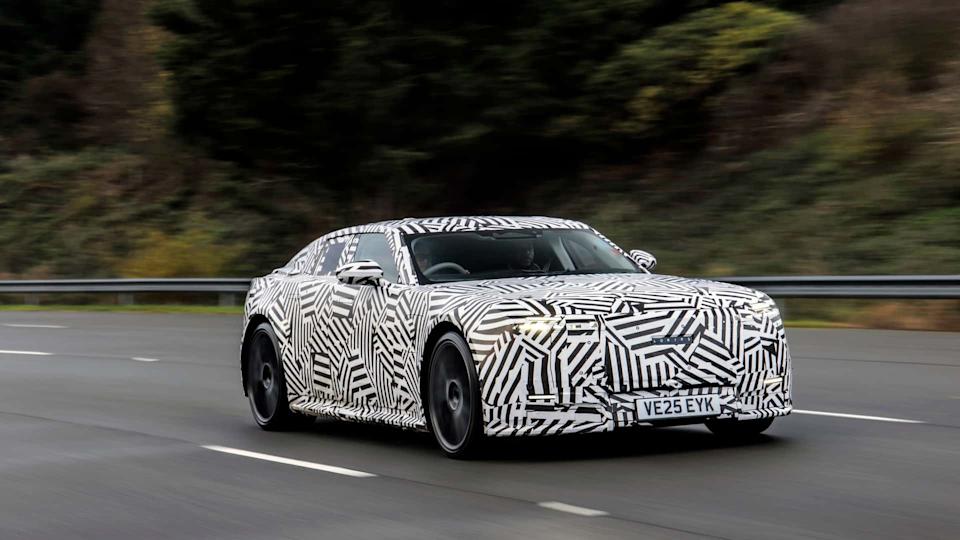
Jaguar Type 00 Prototype Testing
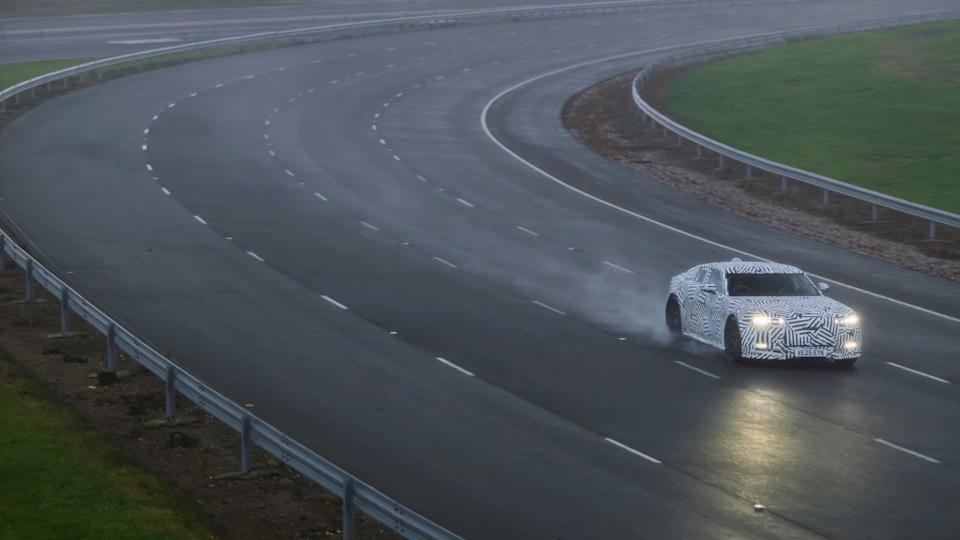
Jaguar Type 00 Prototype Testing
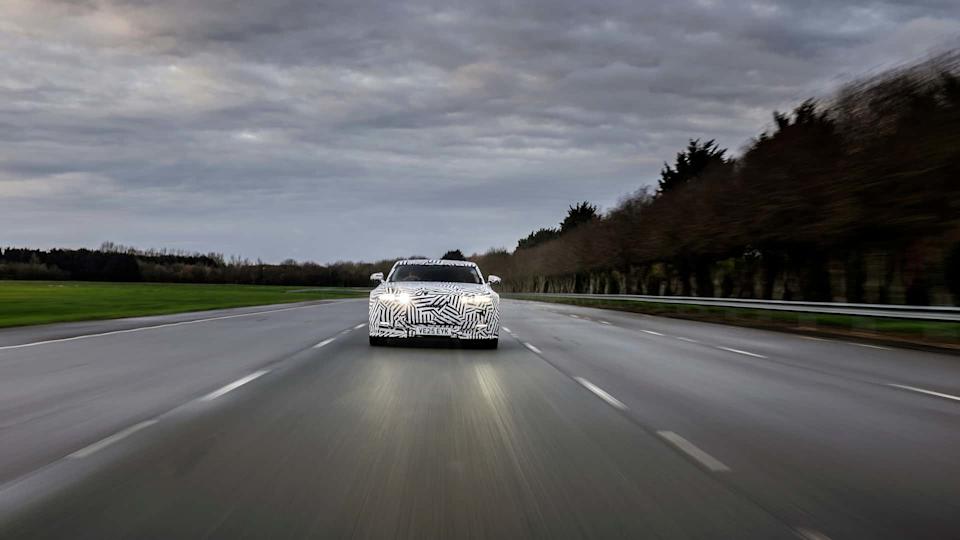
Jaguar Type 00 Prototype Testing
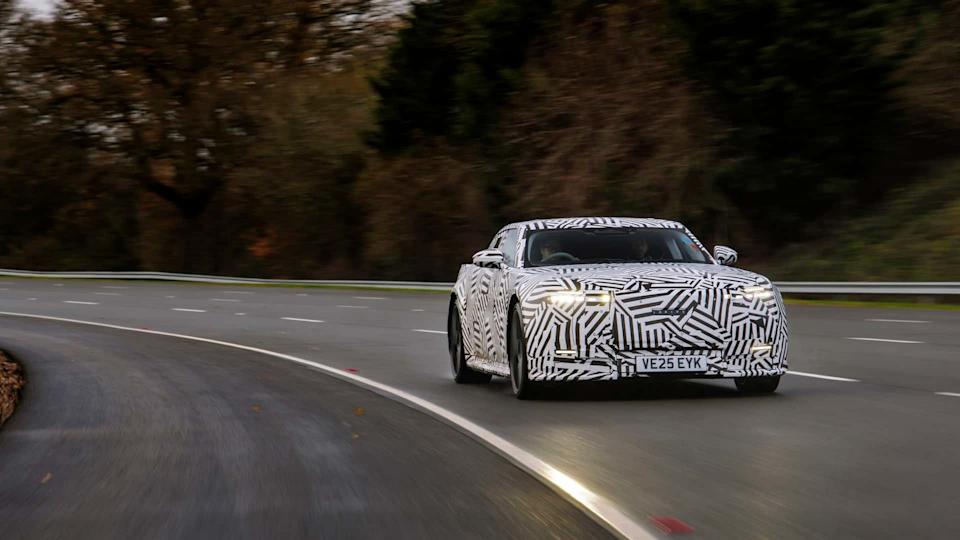
Jaguar Type 00 Prototype Testing
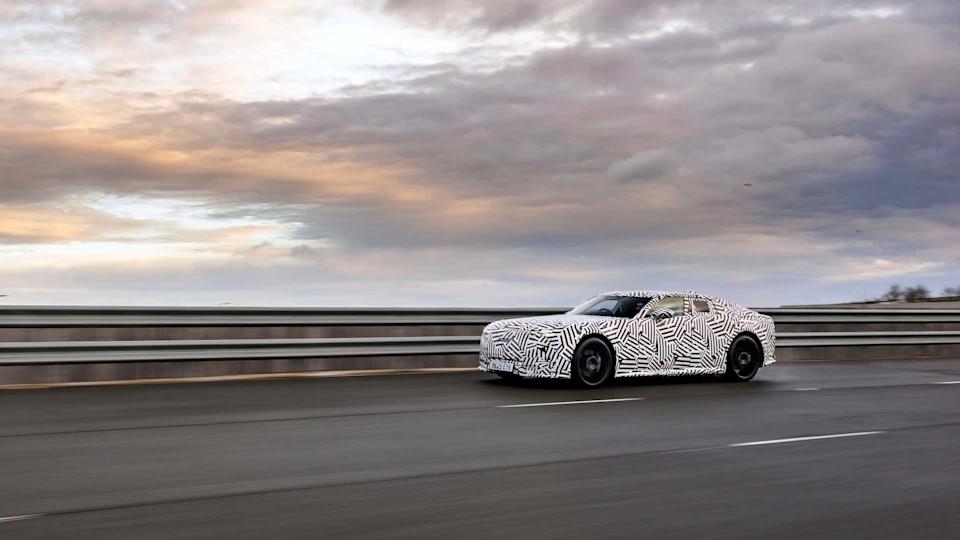
Jaguar Type 00 Prototype Testing
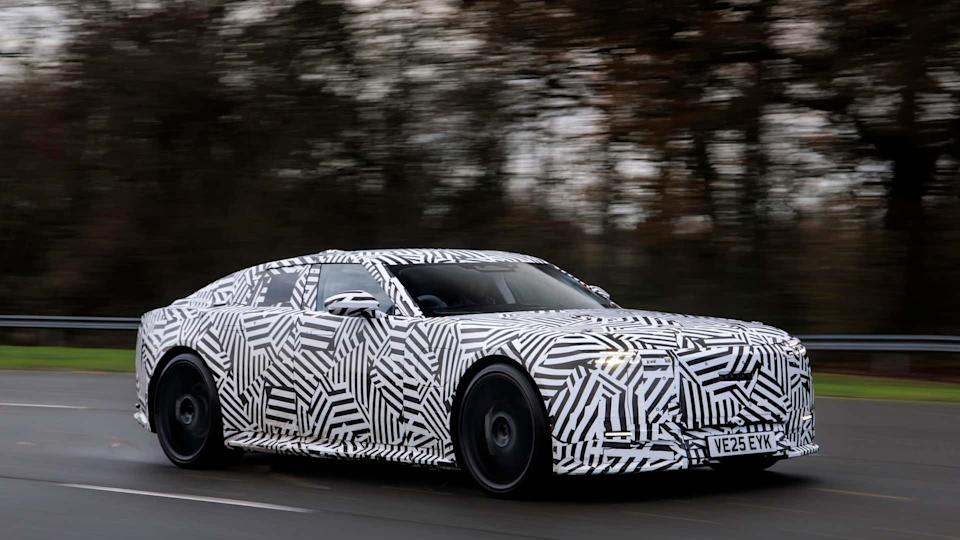
Jaguar Type 00 Prototype Testing
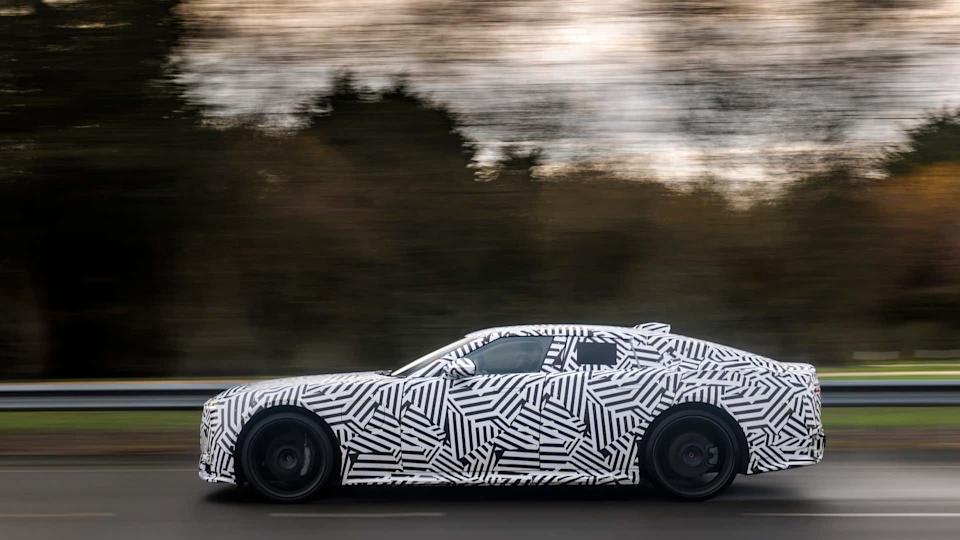
Jaguar Type 00 Prototype Testing
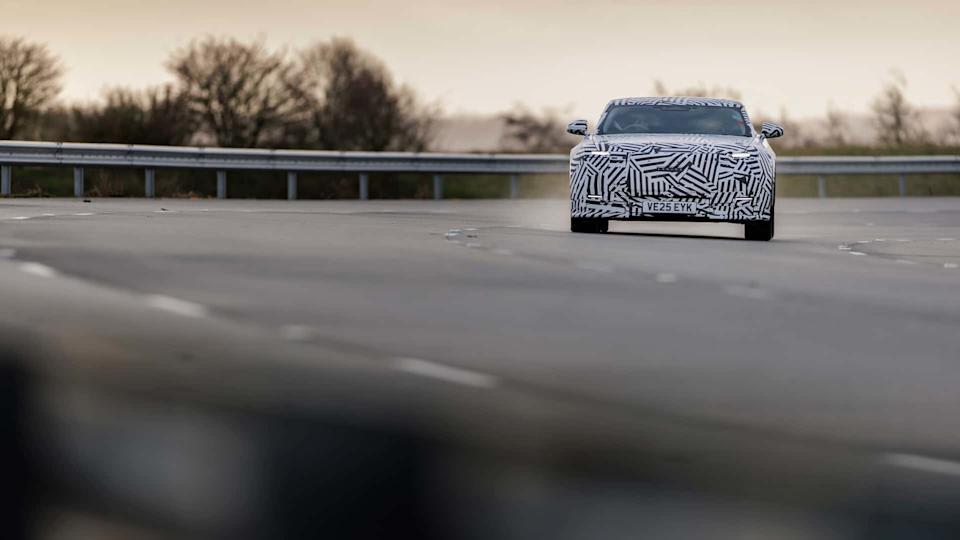
Jaguar Type 00 Prototype Testing
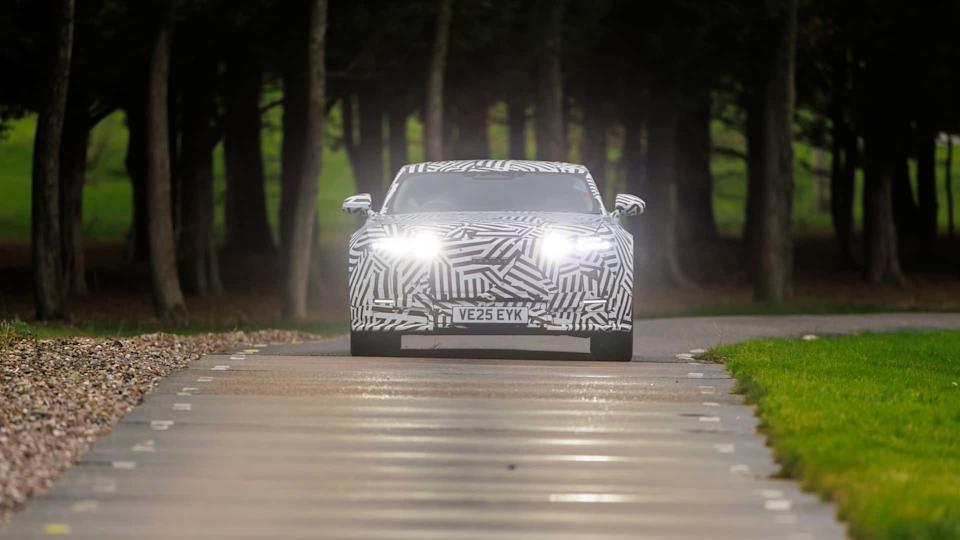
Jaguar Type 00 Prototype Testing
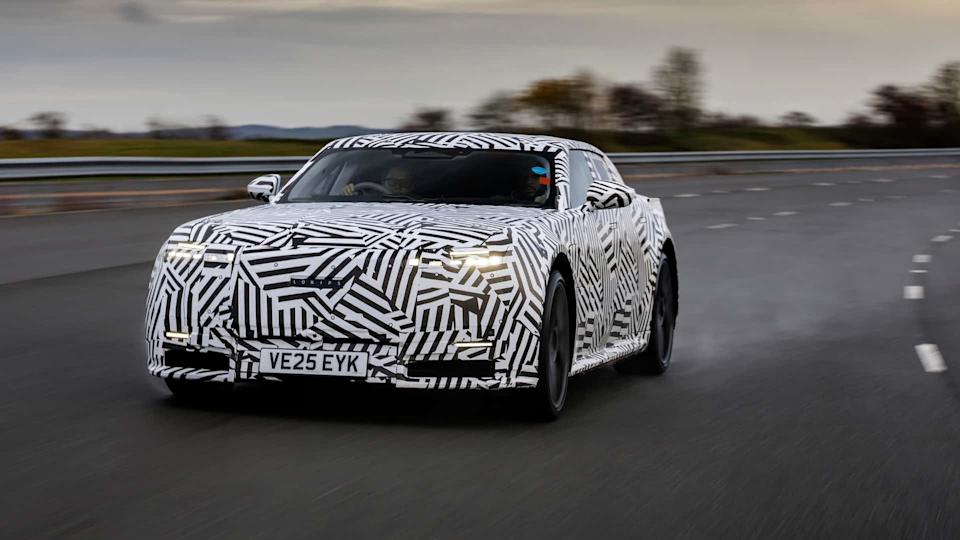
Jaguar Type 00 Prototype Testing
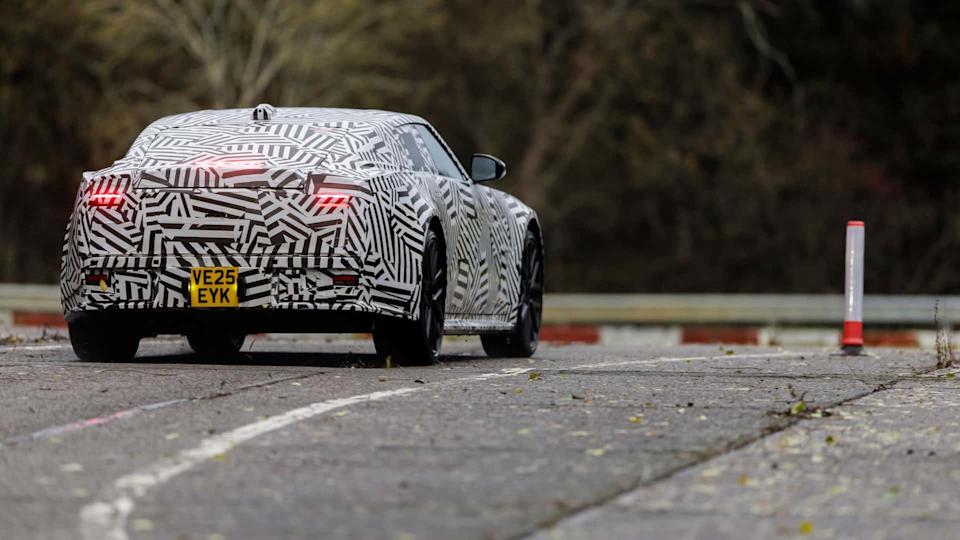
Jaguar Type 00 Prototype Testing
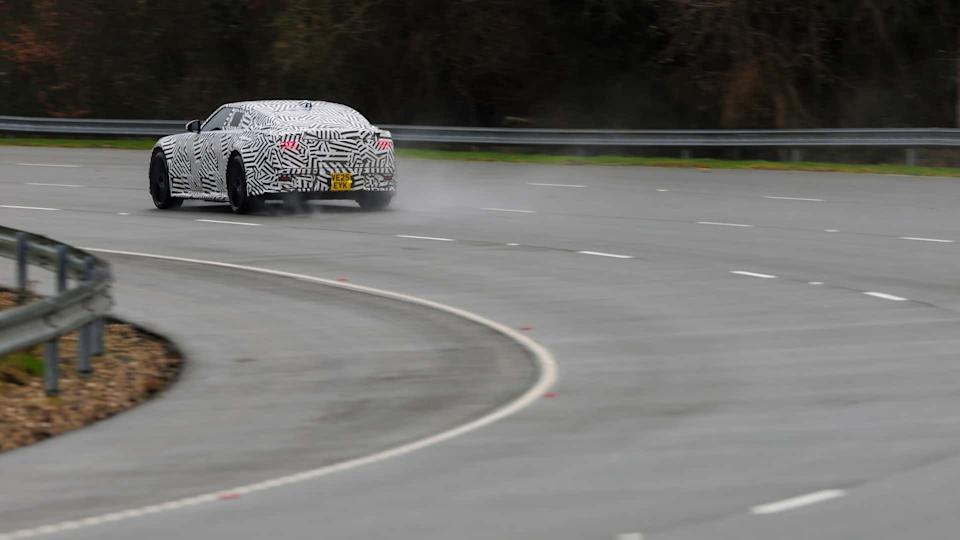
Jaguar Type 00 Prototype Testing
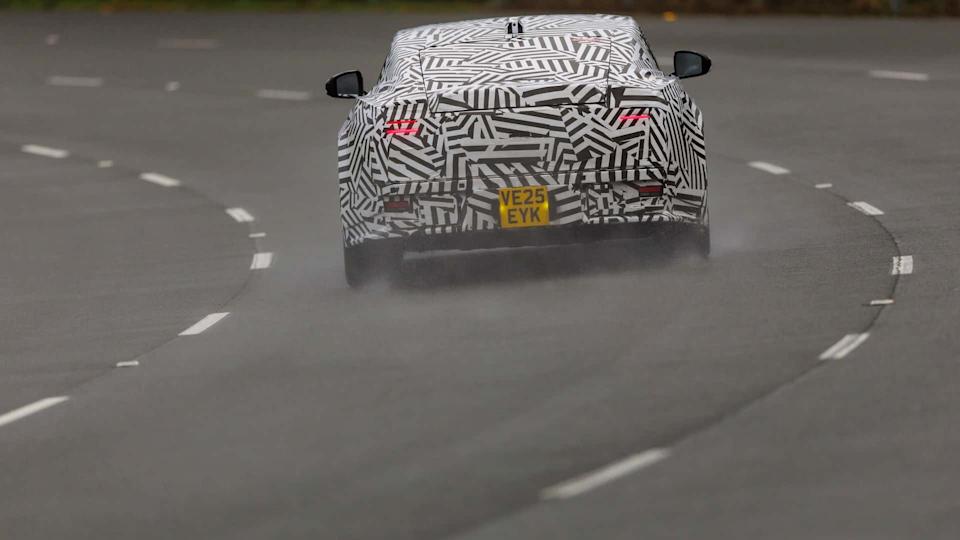
Jaguar Type 00 Prototype Testing
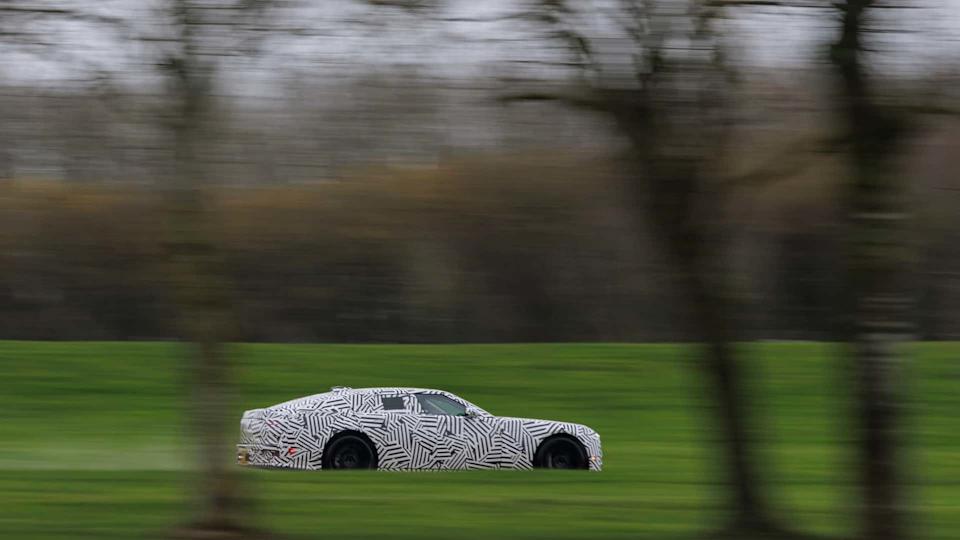
Jaguar Type 00 Prototype Testing
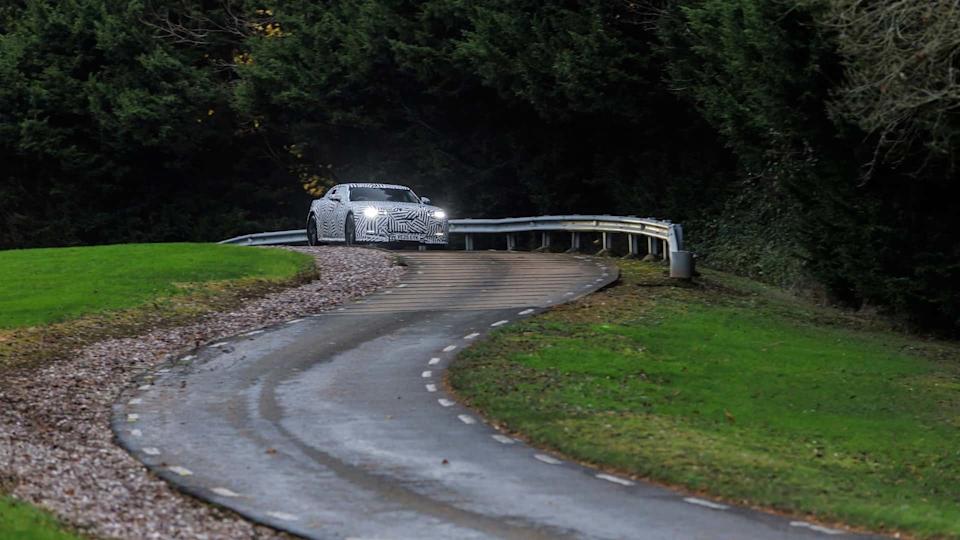
Jaguar Type 00 Prototype Testing