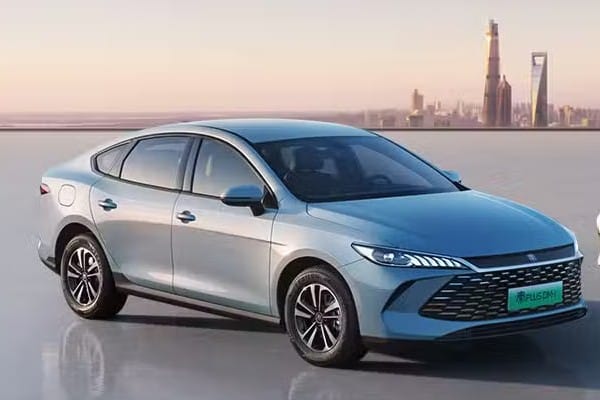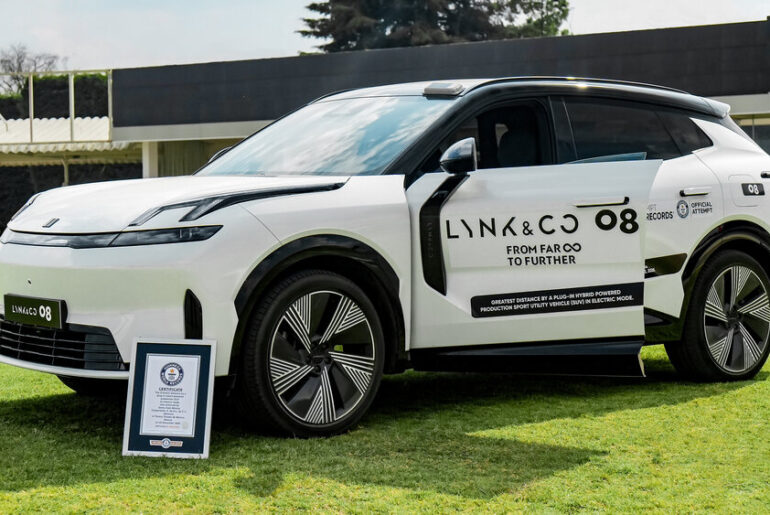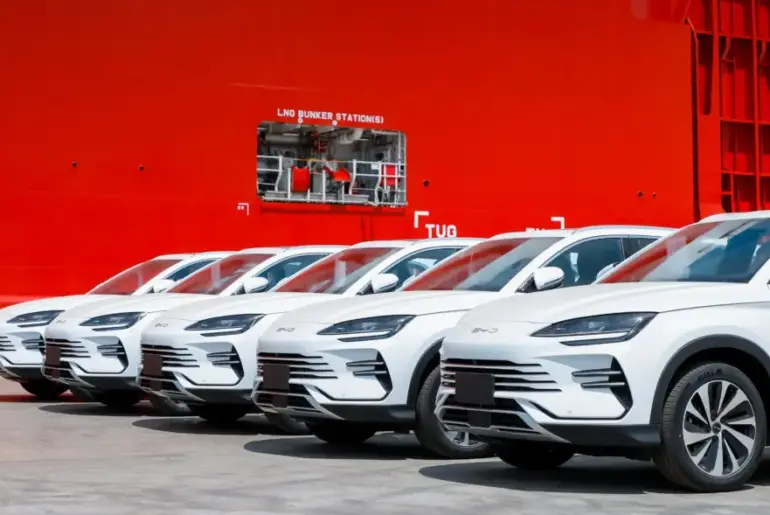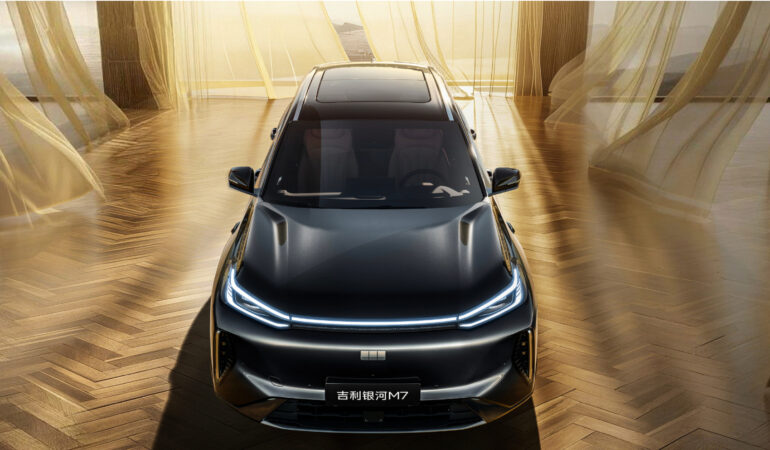
The car world as we know it is changing at a pace that we’ve never really known. By the end of the year, Autotrader predicts there could be as many as 80 car brands all competing with each other in the new car market. For context, in 2019, there were around 45.
This explosion in carmakers is almost entirely down to the Chinese. A vast number of previously unheard of car names have arrived in the UK over the past couple of years, and they’re going to keep on coming. Chinese car brands secured nearly a tenth of the new car market in 2025. It’s really quite incredible.
An early leader has been BYD. It was the first to arrive with any great scale, and as of the start of 2026, it has a model range of nine cars that come in hybrid and pure-electric forms, and which are available from 125 dealerships across the country. It’ll keep adding to this as well – there will be more hybrids coming in 2026, including a pick-up, and yet more dealers cutting the ribbons to shiny new showrooms.
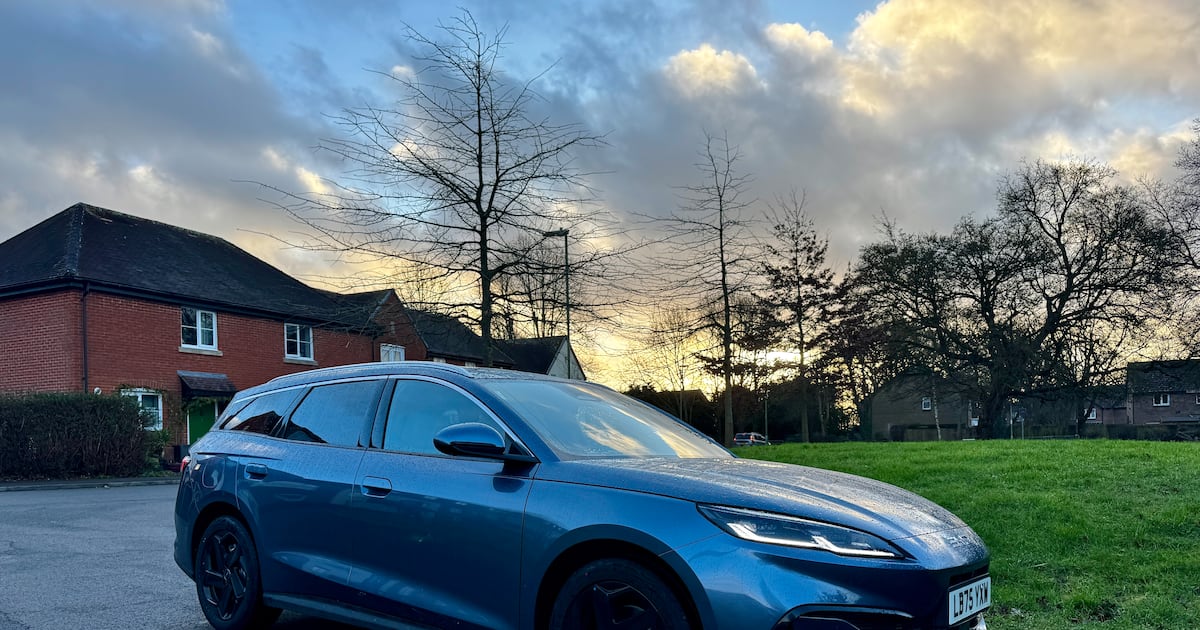
 The Seal 6 Touring rivals the Volkswagen Passat Estate eHybrid.
BYD – or ‘Build Your Dreams’ – accelerated past Tesla last year to become the world’s largest seller of EVs. The Chinese firm sold 2.25 million of them – a near-28 per cent rise on 2024 – compared to the 1.64 million Teslas that Elon managed. All this from a company that only built its first car in 2005. It’s gobsmacking.
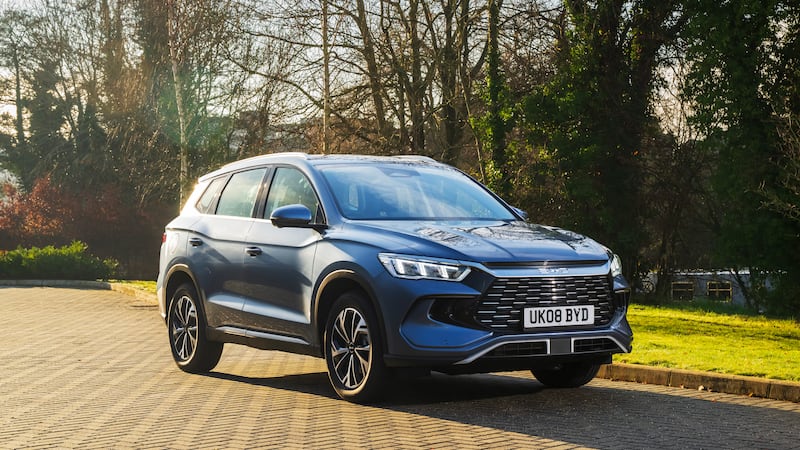
I and my Press Association colleagues have been watching all of this with interest, which is why we’ve been keen to live with a BYD for some time. You kind of know what the ownership experience will be with cars from long established manufacturers like BMW and Volvo, but what will life with a BYD be like? Well, we’ve got six months to see why Brits are turning their backs on the traditional car brands and going Chinese.
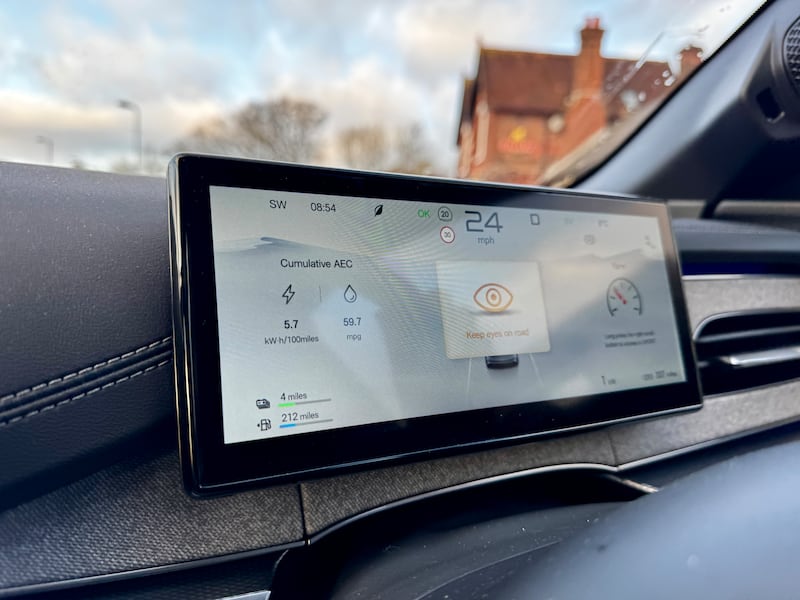 The car’s driver monitor sensor is very intrusive.
We’ve plumped for one of BYD’s very latest models, the Seal 6. It’s an intriguing car because it’s a plug-in hybrid (PHEV) and not a pure-EV like that other saloon BYD makes, the Seal. Confusingly, the Seal 6 is a completely different car from the Seal (are you keeping up?), and is part of BYD’s hybrid range. The company has found great success with PHEVs in the UK, particularly with the Seal U (another Seal but this time an SUV), due to the potential for some seriously huge driving ranges and fuel efficiency.
This Seal 6 DM-i (which stands for ‘Dual Mode Intelligent’ and is the name given to all of BYD’s PHEV models) comes as a saloon and as a ‘Touring’ estate. In the latter form, it’s effectively a direct rival to the excellent Volkswagen Passat eHybrid rival, and mixes a 1.5-litre four-cylinder petrol engine with twin electric motors and one of BYD’s famous ‘Blade’ batteries – a 10.8kWh pack on the entry-level car, and 19kWh on the higher spec models. BYD calls this system a ‘Super Hybrid’ and, admittedly, it’s rather clever.
For most of the time the car drives around in EV mode – up to 34 miles for the smaller battery and up to 65 miles in the larger one. Once the battery is depleted, the car switches to HEV mode with the petrol engine acting as a generator, charging up the battery to maintain electric driving. Or, when extra power is needed, the petrol engine switches from being a generator to working with the electric motors to directly power the front wheels. You can even ‘save’ the charge for use later on if you like, and there’s V2L (Vehicle-to-load) – which allows you to charge other electrical devices using the car’s battery (included with our Seal 6 is a cable that’s similar to an extension cable).
BYD claims fuel consumption of up to 188.3mpg and a combined petrol-electric range of 935 miles, which, again, is hugely impressive. But like with a lot of hybrids, especially PHEVs, the real-world fuel economy is significantly less.
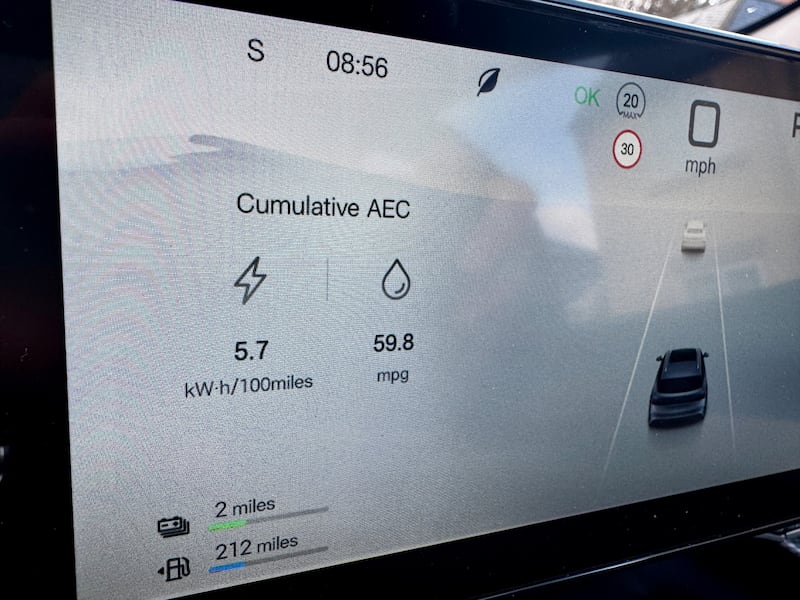
Since it arrived, pretty much brand new with just 240 miles on the clock, I have only driven around 100 miles. Most of that has been in EV mode, so I was expecting better fuel consumption than 59.8mpg. But it’s early days and I would imagine that once the engine gets a few miles on the clock its efficiency will improve.
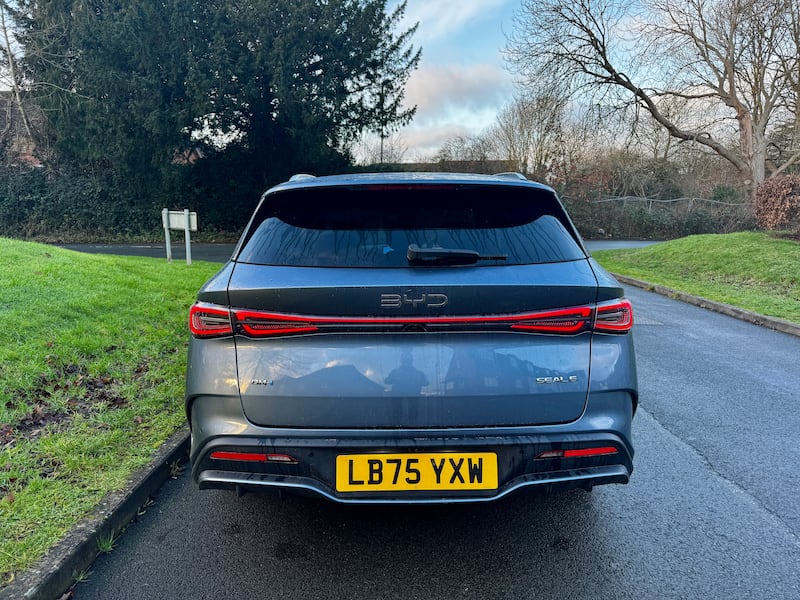
Early impressions of the Seal 6 are impressive material build quality (a hallmark we’ve come to expect from many Chinese carmakers, especially BYD), and loads of interior space. The boot is of a very good size – 675 litres, rising to 1,535 litres with the seats down.
But there are some annoyances already making themselves known. The suite of safety gizmos such as the speed warning and lane-keep assist are pretty easy to turn off, but you have to remember to dive into the touchscreen to do this at the start of every journey – there’s no handy ‘off’ button like in some cars. The camera that monitors your face to make sure you’re not taking your eyes off the road is especially annoying – even glancing in the driver’s door mirror or rear view mirror leads to a loud bonging noise and a frantic warning message being displayed on the driver’s display. This, as far as I can work out, cannot be turned off.
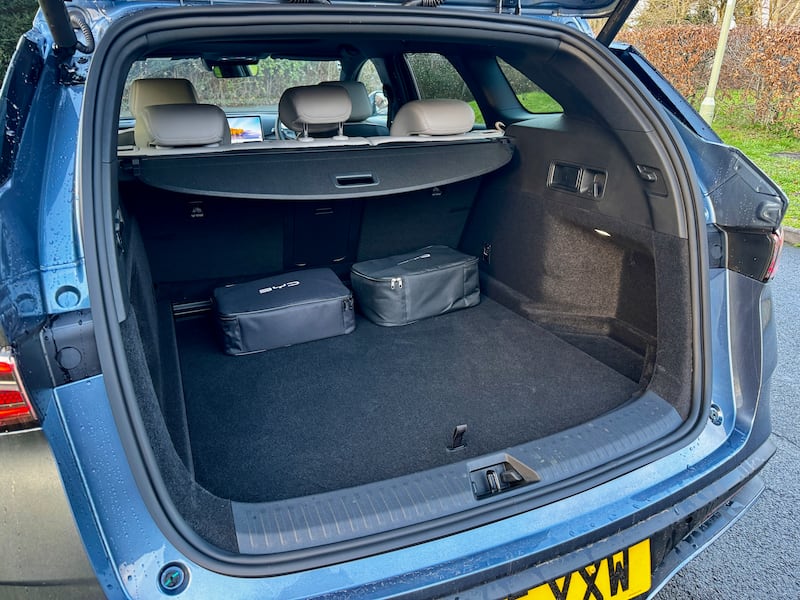 The car provides a copious boot capacity.
The next six months look like they could be enjoyable, though, and it’s going to be fun to spot another Seal 6 Touring on the road for the first time. Judging by how much success BYD has found so far in the UK, I doubt this will take very long.
Model as tested: BYD Seal 6 DM-i Touring Comfort LitePrice as tested: £37,990Engine: 1.5-litre turbocharged petrol, plus twin electric motorsPower: 209bhp0-60mph: 8.3 secondsTop speed: 112mphMPG: 188.3mpgCO2 emissions: 34g/kmMileage: 352 miles