Supply chain transformation and output
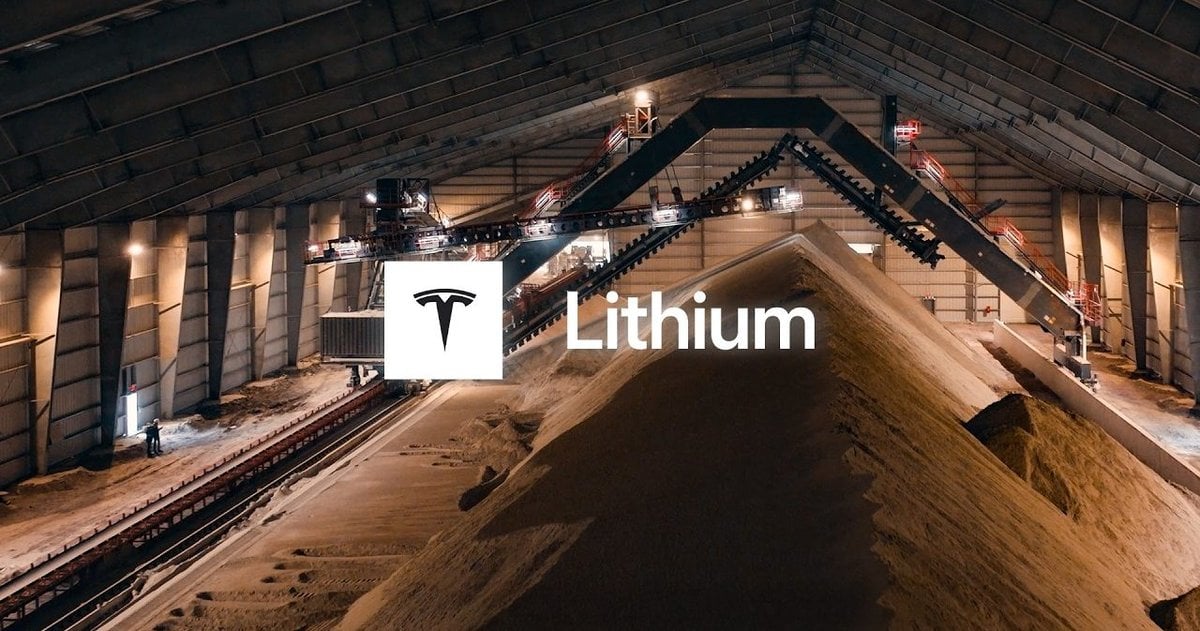
The refinery’s primary output is battery-grade lithium hydroxide, a critical component for high-nickel cathode batteries. By processing spodumene concentrate, hard-rock ore, directly on-site, Tesla has bypassed the lengthy 20,000-mile shipping route that traditionally sees raw materials sent to Asia for refining before returning to Western factories.
This regionalisation of the supply chain does more than simply reduce costs; it decreases the carbon footprint associated with logistics. With a designed capacity to support the production of approximately a million electric vehicles annually, ramping towards 50 GWh, the facility represents a cornerstone of Tesla’s mission to accelerate the global transition to sustainable energy.
The timing of this announcement is particularly significant. Following the facility reaching full operational capacity, Tesla announced the ‘honourable discharge’ of its legacy Model S and Model X programmes. The production lines at the Fremont factory, which once established the luxury electric sedan market, are currently being repurposed to manufacture the Optimus humanoid robot.
This transition signals Tesla’s evolution from a hardware-focused car manufacturer into a “physical AI” powerhouse. While the Texas refinery secures the lithium needed for the millions of Model 3, Model Y and Cybertruck units still being produced, it also provides the chemical foundation for the substantial battery requirements of an autonomous future, one where robots and self-driving vehicles represent the company’s core business.