Asked when he last sold a petrol car, the marketing manager of Oslo’s largest Volkswagen dealership joked: “I really don’t remember that far back in history.”
“It was 2023,” he added. “But sales were really low in the years before then, too.”
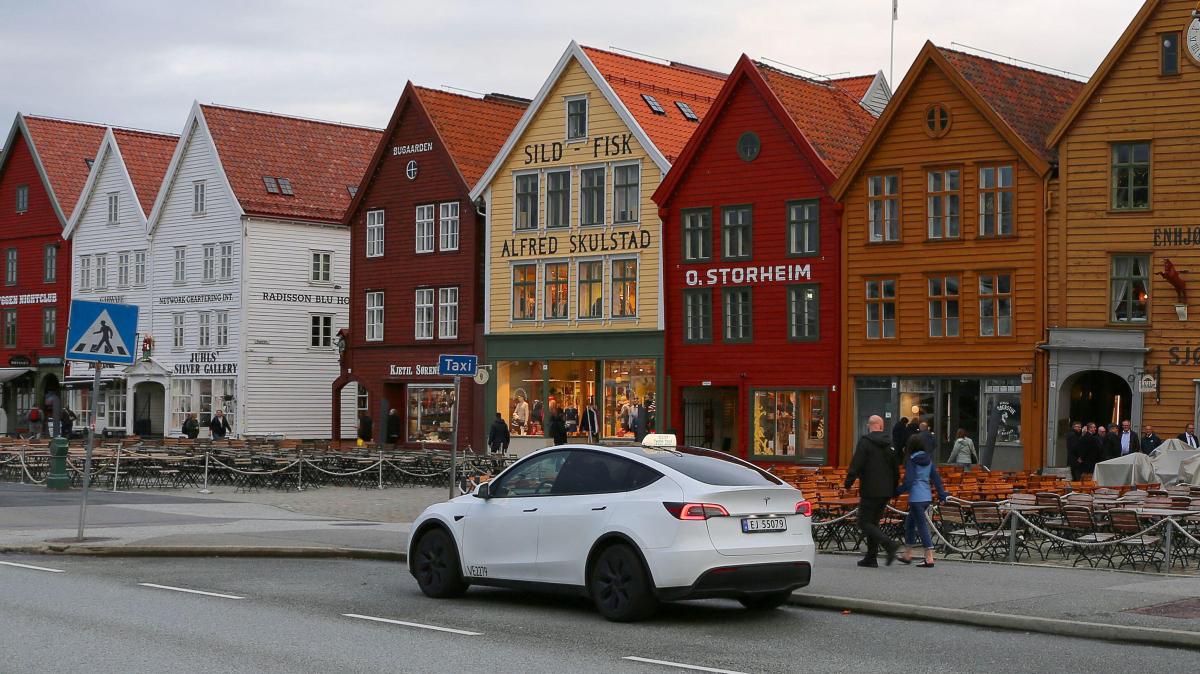
Over the past decade, Svein Morten Bergh, has watched his country switch to electric vehicles (EVs) faster than anywhere else in the world. Market share is now at 97.6 per cent, up from less than 25 per cent just over a decade ago.
It’s effectively mission accomplished for the Norwegian government’s goal of phasing out the sale of petrol cars by 2025. “There is still some anxiety about EVs, but that’s just a few customers,” Bergh said. “Many people in Norway are now on their third or fourth electric car.”
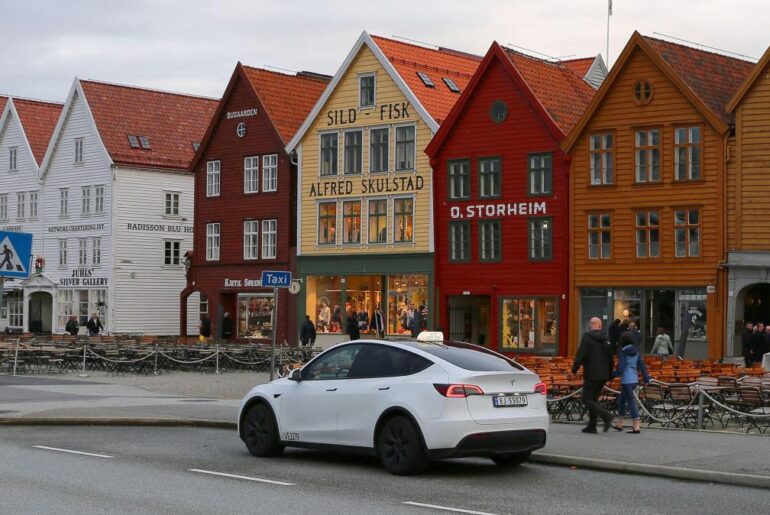
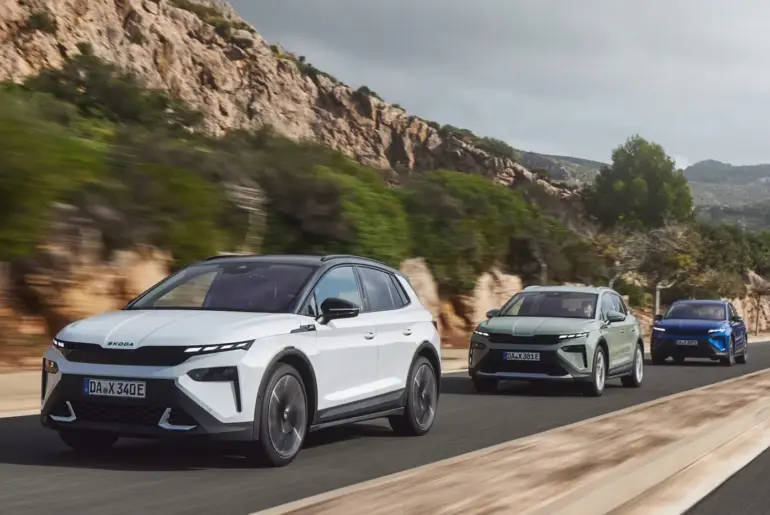
With its ubiquitous public chargers and streets humming with Teslas, Polestars and VW ID7s, Oslo is like a sneak peek into the future that Labour, with its goal of phasing out petrol car sales by 2030, wants to bring to the UK.
British drivers increasingly believe in this future: in March, more than half told the AA their next car would probably be electric. However, while EV sales grew 24 per cent last year, they still made up less than one in four cars sold.
The government is trying to speed up their adoption by threatening carmakers with fines if they don’t increase EVs’ market share to 33 per cent this year. It argues that this target gives businesses confidence to invest in new charging stations and EV factories, but the Society of Motor Manufacturers and Traders says it’s forcing carmakers to offer “unsustainable” discounts.
• The UK’s 10 most popular cars in 2025
That electric cars are the future, carmakers agree: they offer lower running costs, cleaner air, and the chance to refuel at home. Why has that future arrived so much more quickly — and seemingly easily — in Norway, and what can Britain learn from it?
According to Christina Bu, secretary-general of the Norwegian EV Association, the answer is not that Norwegians are more environmentally friendly. “In fact,” she said, “it’s probably the opposite.”
Nor is it just that Norway has a handy £1.3 trillion sovereign wealth fund, based on the sale of oil, to spend on EV subsidies, though that has certainly helped.

Christina Bu
PETTER BERNTSEN/AFP/GETTY IMAGES
Perks for EV drivers
Curiously, the answer begins with the Norwegian synth-pop band A-ha, famous for the song Take On Me.
In 1990 they drove around Oslo in a converted electric Fiat Panda, refusing to pay road tolls on the basis that EVs should not be charged for pollution they were not emitting. While the city authorities impounded the car, they also agreed to exempt EVs from road tolls.

A-ha in 2022, commemorating their stunt
Since then, EV drivers have been offered many perks, including free parking and the use of bus lanes.
While many of these perks have now been withdrawn, Chris Heron, secretary-general of E-Mobility Europe, believes they played a crucial role in kick-starting the shift to EVs. “These nudges can be very effective, and they don’t cost much for the government,” he said. Nottingham has followed Oslo’s example by letting EVs drive in bus lanes.
Clear signals
Heron believes the biggest lesson Norway offers Britain is that if the government wants drivers to go electric, it must consistently signal in that direction.
The Norwegian government flashed that signal with a VAT exemption for EVs, worth more than £10,000 for more expensive models. Then it flashed it again by ramping up taxes on petrol cars. Only now that EVs are ubiquitous is it beginning to tax them.

The ease of charging EVs in Norway makes them an attractive option
ALAMY
In Britain, meanwhile, government messaging on EVs has been all over the place. In 2020, Boris Johnson’s government set a 2030 phaseout date for petrol cars. Then in 2021 it cut EV subsidies.
• Has the big drive to electric cars run out of energy in the UK?
Labour has reintroduced subsidies and restored the 2030 ban, postponed by Rishi Sunak, but it has also announced a 3p-per-mile tax on EVs, beginning in 2028. With Britain’s EV market still in a “delicate position”, Heron thinks this tax could “really damage consumer confidence” and should not be introduced until EVs are “the mass-market option”.
Leading the charge
The Norwegian government has also done a lot to make it easier for drivers to charge their cars. In Britain, leaseholders have no recourse if the owner of their freehold doesn’t want them to install a charger. In Norway, however, housing associations have to let residents install chargers, and the government will cover part of the cost. All new residences must be built with a charger, and Oslo’s local government even has a helpline for those seeking to install one.
With its cheap hydropowered electricity and robust public finances, it was always going to be easier for Norway to speed ahead in the EV race, but there are advantages to following in its slipstream.
When Norway set its 2025 petrol phaseout date, the VW e-Golf’s range was only 118 miles. The VW ID7’s larger battery model now claims to offer up to 433.
“With strong government policies, it’s going to be easier for Britain than Norway,” Bu said. “The most surprising thing about this fast transformation has been the number of people, especially middle-aged men, coming up to me and saying: ‘I was never going to buy an electric car, and now I’ve changed my mind.’ ”