On February 1st, Beijing time, according to foreign media reports, Waymo is planning a new round of financing at a valuation close to $110 billion, with the financing amount reaching up to $16 billion.
Among them, Waymo’s parent company, Alphabet, plans to continue investing $13 billion, and investors such as Sequoia Capital, Digital Sky Technologies Group, and Longyue Capital will take the remaining quota.
It is reported that this round of financing is planned to be completed this month. Meanwhile, official information from Waymo shows that it has completed over 20 million autonomous driving trips.
Nearly 15 months have passed since Waymo completed its last round of financing in October 2024. At that time, Waymo’s valuation exceeded $45 billion, an increase of 144.4%.
Finally, a company in the Robotaxi industry has achieved a valuation of over $100 billion! There is no longer a huge gap in valuation compared with large – model companies.
In 2024, Robotaxi faced unprecedented challenges.
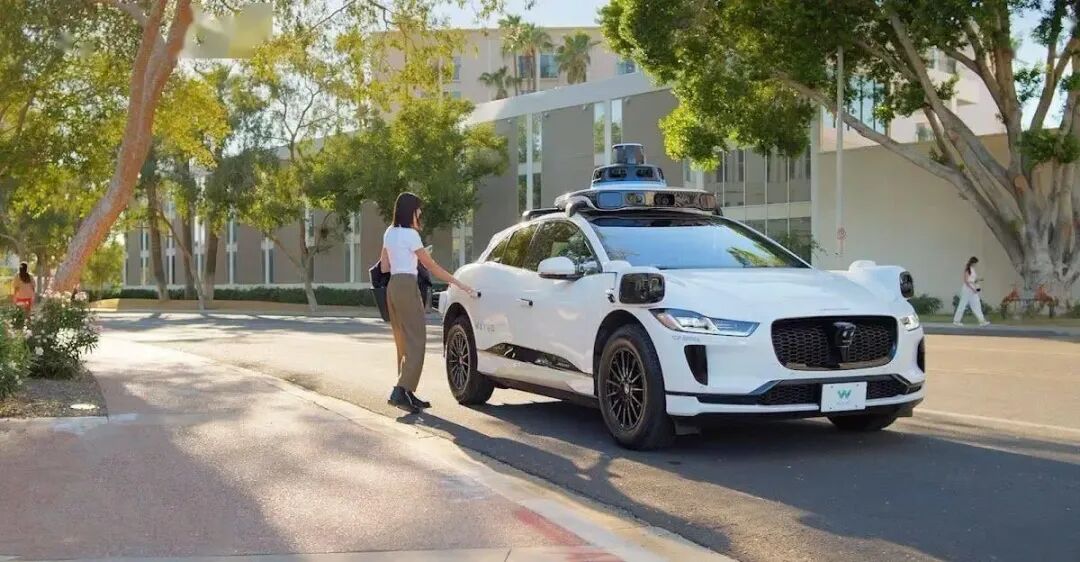
Waymo’s only competitor in the United States, Cruise, suspended operations due to a fatal accident in October 2023. In July 2024, General Motors stopped the research and development of Cruise’s exclusive driverless model, Origin, and announced its withdrawal from the Robotaxi market in December of the same year.
However, the good news is that in April 2024, before his visit to China, Elon Musk suddenly announced that he would launch a Robotaxi product on August 8th (later postponed to October 10th) that year, and finally released the Cybercab.
It’s really hard to say whether Alphabet would have continued to firmly support Waymo without Tesla’s entry. Therefore, the financing that Waymo completed at that time was more like a lifeline.
At that time, money in the market was flowing crazily into large AI models, especially in the US market.
As time moved into 2025, the development of Robotaxi entered the fast lane.
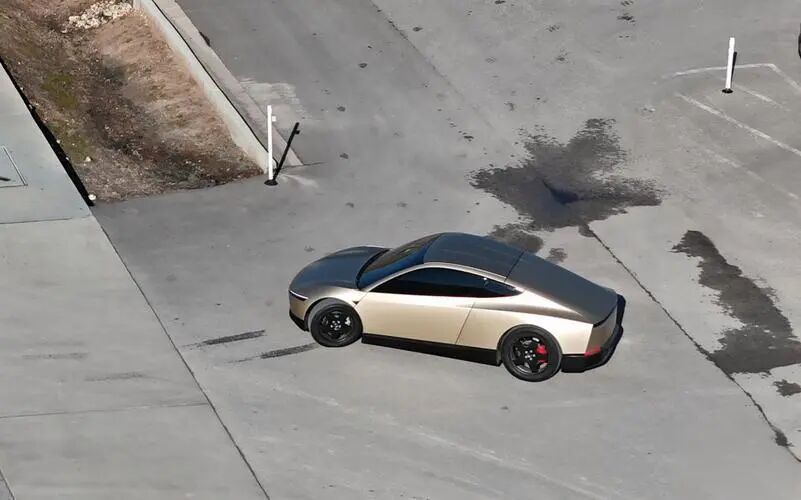
Tesla launched a Robotaxi service. It took only 6 months from having a safety driver in the front – passenger seat in June 2025 to removing the safety driver in December 2025. In late January 2026, Tesla opened its driverless Robotaxi service to the public in Austin. Meanwhile, Tesla also announced the mass production of its Robotaxi model, Cybercab.
For Waymo, 2025 was a year of rapid commercial development. There are reports that Waymo’s annualized revenue reached $350 million, almost doubling compared with 2024.
To expand its revenue scale, Waymo is actively expanding its fleet. For example, the autonomous driving model jointly developed with Geely’s Zeekr was named Ojai on January 7th, 2026. It is equipped with Waymo’s sixth – generation autonomous driving system, including 13 cameras, 4 lidars, and 6 millimeter – wave radars.
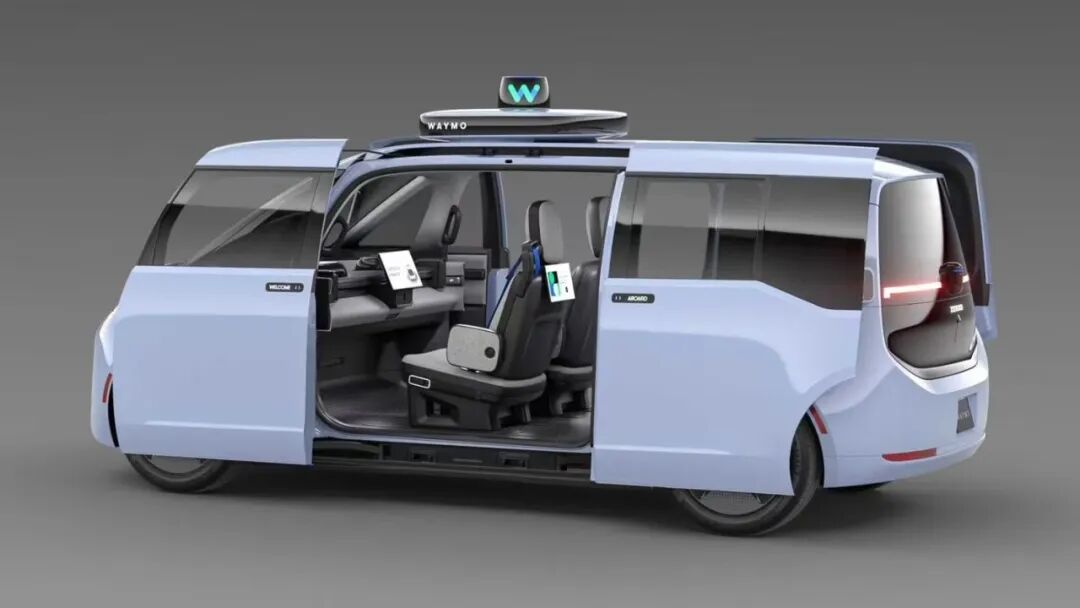
Compared with Tesla’s Cybercab, which uses a pure vision system, Waymo’s hardware cost is much higher. However, the high unit price of Robotaxi rides in the United States is enough to cover this cost.
After completing a new round of financing in February, Waymo is presumably preparing to face Tesla’s challenge.
In the US Robotaxi market, it basically comes down to Waymo and Tesla (Nvidia and Amazon are also making progress). Currently, Tesla’s valuation is mainly supported by the Robotaxi concept and the Optimus concept. With Tesla’s market value approaching $1.5 trillion, Waymo’s valuation of $110 billion is actually not expensive.
After Waymo completes a new round of financing, it will also greatly promote the development of the Robotaxi market in China.
Compared with the two – horse race in the US Robotaxi market, there are more players in the Chinese Robotaxi market, including Baidu Apollo’s Luobo Kuaipao under Baidu, WeRide and Pony.ai which are listed companies in Hong Kong and the US, the autonomous driving company under Didi, as well as players from ride – hailing platforms and automakers. Among the automakers, XPeng plans to launch its Robotaxi business in 2026.
XPeng is the most similar to Tesla, including its pure vision technology route, involvement in the robotics business, and launch of the Robotaxi business. Of course, XPeng is also involved in flying cars, which Tesla has not entered. In contrast, XPeng’s market value is much smaller than Tesla’s. It remains to be seen whether the secondary market is willing to value XPeng according to Tesla’s logic.
After Waymo completes a new round of financing and announces its entry into the international market, Baidu Apollo should also start financing and seek support from international capital to expand its presence in overseas markets. Baidu’s subsidiaries, such as Du Xiaoman and Kunlun Chip, have plans for independent financing or spin – off listings.
Apollo is the result of Baidu’s more than 10 – year investment in the AI field, and it’s really hard to determine its valuation. After all, under the current China – US game, SoftBank is less willing to invest large amounts of money in China. However, capital from Europe and the Middle East should be very interested.
You can tell this by how busy the diplomatic front has been since 2026.
This article is from the WeChat public account “Che Zhi” (ID: invehc), author: Michael Yuan, published by 36Kr with permission.