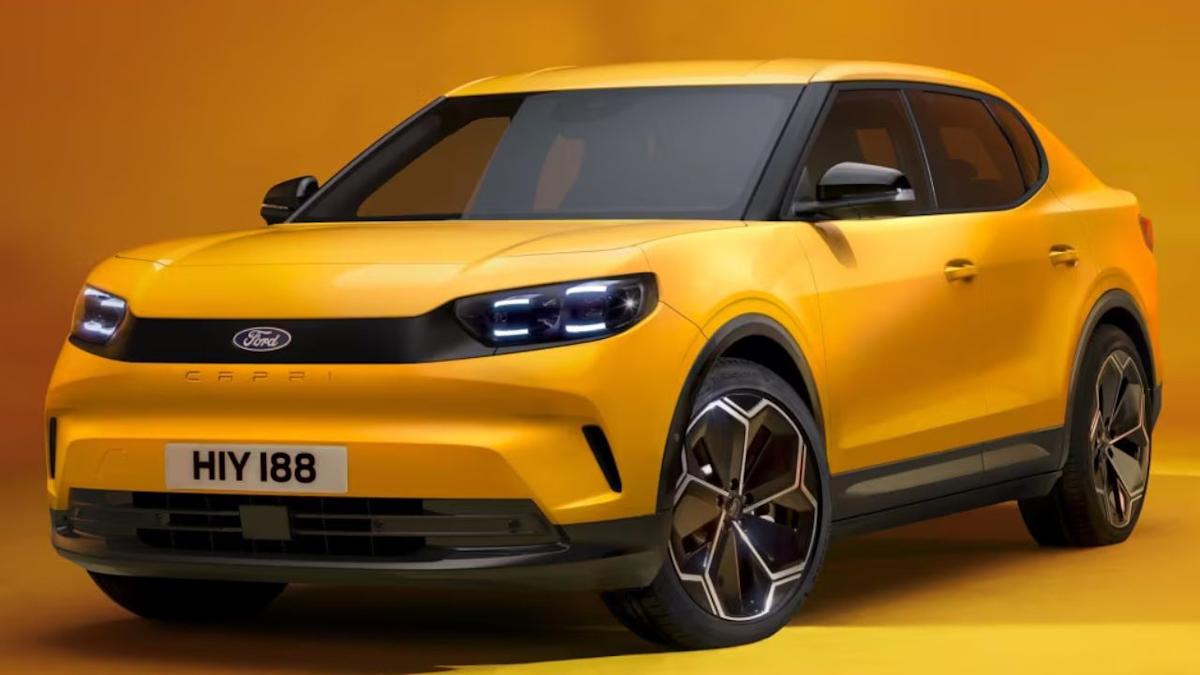
Ford has confirmed significant upgrades for the Standard Range versions of its fully electric Explorer and Capri in Europe, bringing meaningful changes to the powertrain. The key updates include a new battery option and a more powerful electric motor, strengthening Ford’s position in an increasingly competitive European electric SUV segment.
It is worth recalling that Ford and Renault announced a strategic partnership on December 9, 2025, covering passenger cars and light commercial vehicles, with a clear focus on affordable electric models for Europe. The cooperation begins with the development of two electric passenger cars wearing Ford badges, based on Renault’s Ampere platform. At the same time, the two companies left the door open to joint development of light commercial vehicles for the European market under both brands.
That announcement naturally brought back memories of Ford’s earlier cooperation with Volkswagen, which includes the current Volkswagen Amarok engineered and built by Ford alongside the Ford Ranger, as well as the electric Explorer and Capri built on Volkswagen’s MEB architecture. While the new partnership with Renault raised questions about the future of Ford’s relationship with Volkswagen, the American manufacturer has shown no intention of ending that collaboration. On the contrary, Ford has now confirmed “significant upgrades” specifically for the MEB-based electric Explorer and Capri.
More Range and Stronger Performance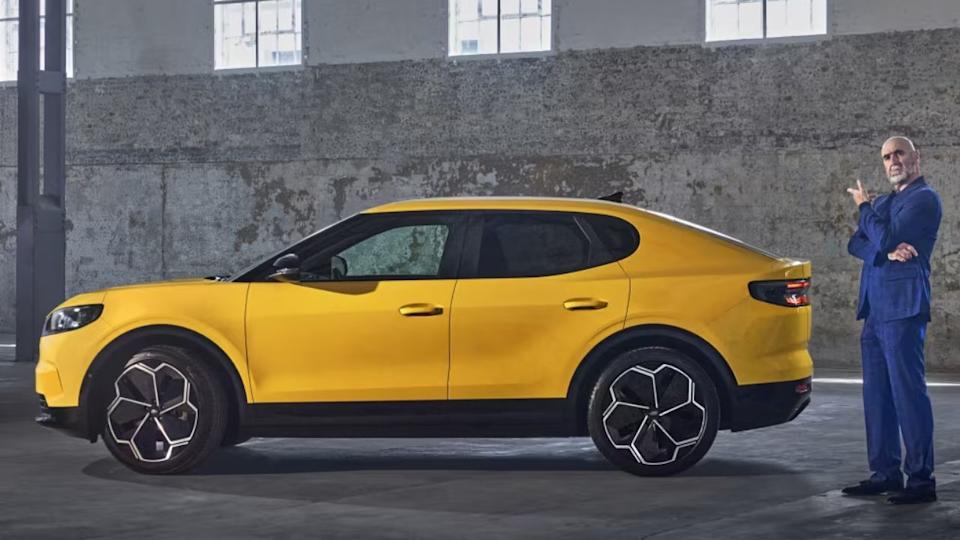
Photo Courtesy: Autorepublika.
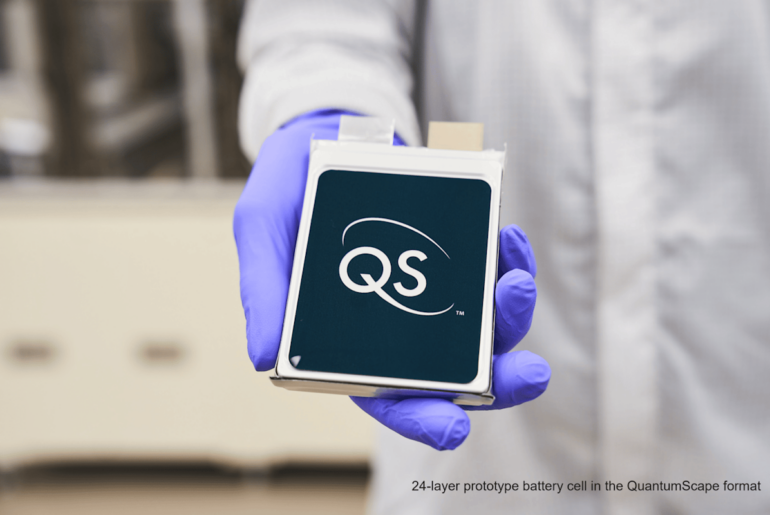
The updates focus on the most affordable Standard Range versions and introduce a higher-capacity battery using LFP chemistry. Ford says the lithium iron phosphate battery chemistry allows drivers to regularly charge to 100 percent capacity without concerns about battery degradation. Thanks to the new battery, Ford now quotes up to 444 km (about 276 miles) WLTP for the Explorer Standard Range and up to 464 km (about 288 miles) WLTP for the Capri Standard Range. Ford says the upgraded powertrain brings a range improvement of up to 70 km, about 43 miles, versus the previous Standard Range figures.
At the same time, the electric motor has been upgraded and now delivers about 187 horsepower and 258 pound-feet of torque. This enables acceleration from zero to 62 miles per hour in roughly eight seconds. According to Ford, these changes result in livelier performance and a more engaging driving feel, even in the entry-level versions of both models.
Why LFP Matters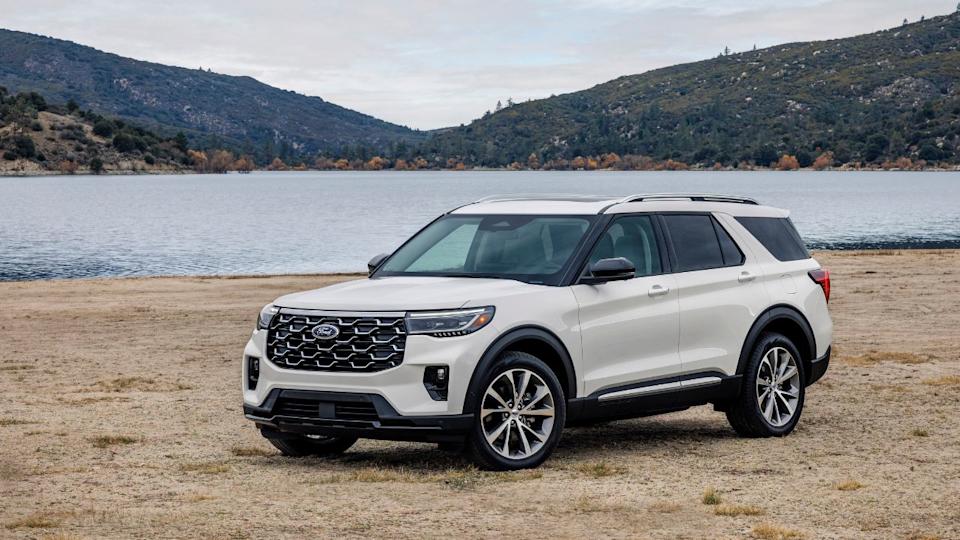
Photo Courtesy: Ford.
The switch to LFP battery technology is a key part of this evolution. While LFP batteries typically offer lower energy density than NMC alternatives, they are cobalt-free and can reduce reliance on high-demand raw materials. They are also known for their long service life, which gives owners peace of mind when regularly charging to full capacity.
It remains to be seen whether the increased range and improved performance will translate into stronger demand for these battery electric models built on Volkswagen’s electric architecture, or whether Ford loyalists will prefer to wait and see what the new Ford-Renault collaboration delivers in the coming years. One thing is certain. Ford is not standing still and is clearly signaling its ambition to remain a relevant player in Europe’s rapidly evolving electric vehicle race.
This article originally appeared on Autorepublika.com and has been republished with permission by Guessing Headlights. AI-assisted translation was used, followed by human editing and review.