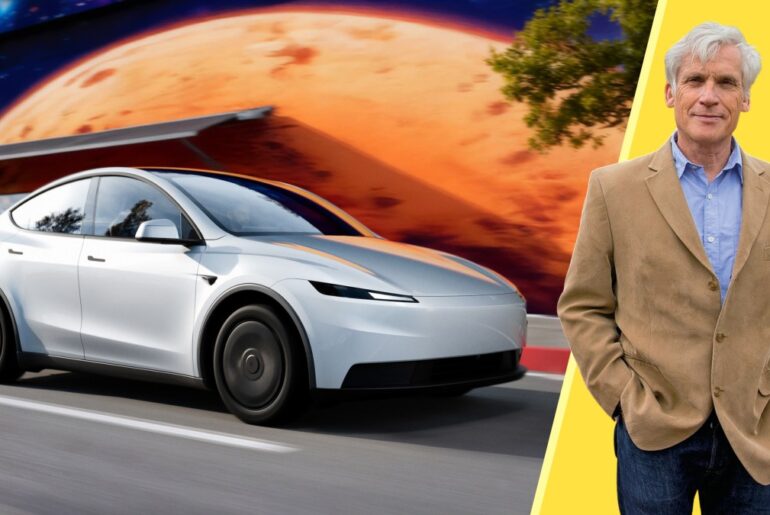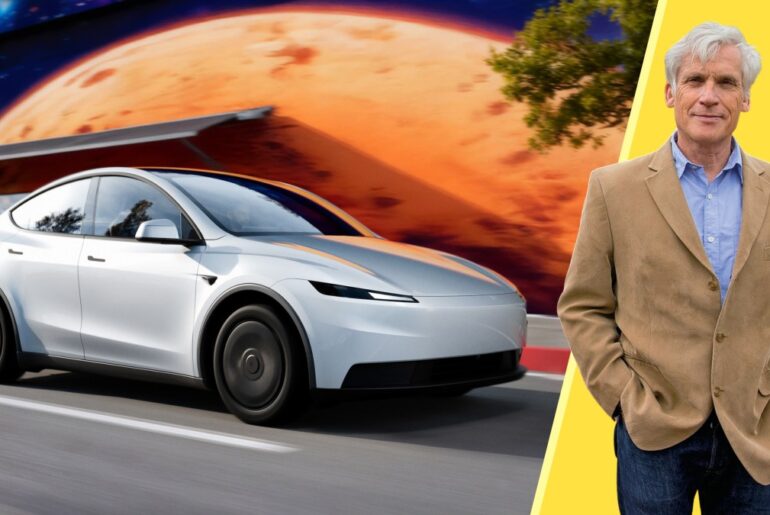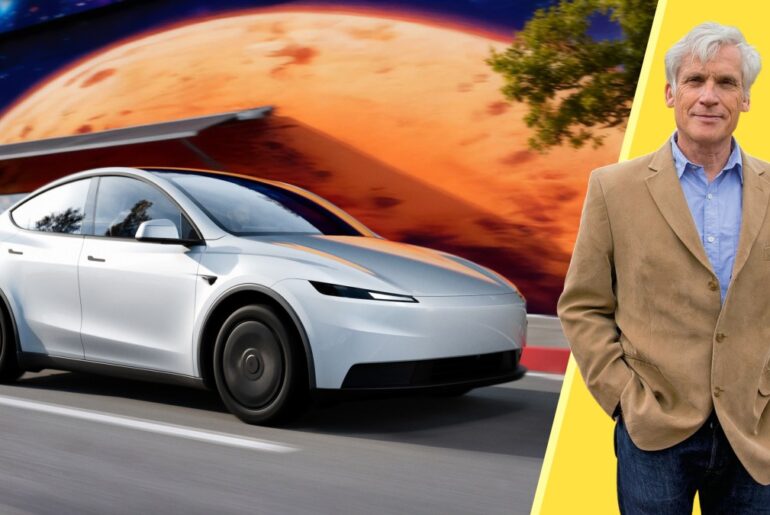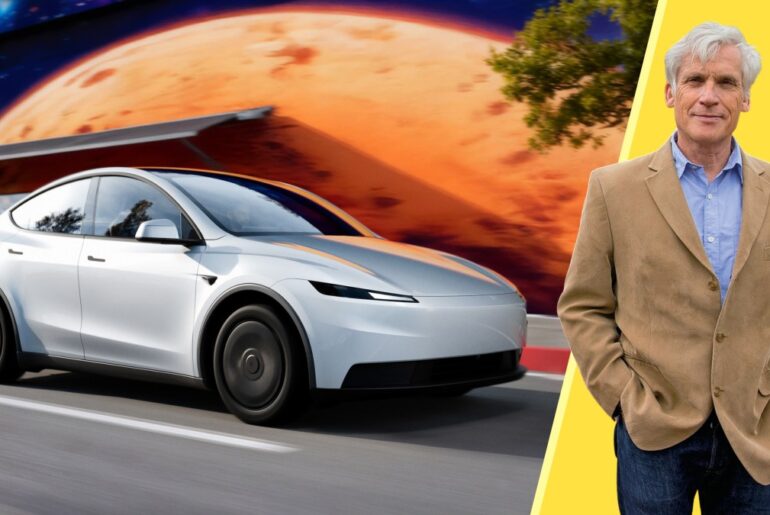
Norwegian tests reveal electric vehicle range has grown by about 200 km over six years, with many models now exceeding 500 km. Learn how real-world performance matches claims.
Real-world electric vehicle testing shows a steady increase in their range. Over the past six years, the average range has grown by roughly 200 kilometers, significantly shifting perceptions of electric transport.
Twice a year, the Norwegian Automobile Federation conducts large-scale tests of electric cars in summer and winter conditions. All vehicles start the route simultaneously, allowing for objective comparisons. Five or six years ago, the average range barely exceeded 350 kilometers; today, it reaches about 550 kilometers according to official data. The turning point came in 2022, when most new models first crossed the 500 km threshold.
The 2026 winter tests took place in extreme conditions with temperatures as low as minus 32 degrees Celsius. The Lucid Air posted the best result, while the MG4 EV and Hyundai Ioniq showed the smallest gap from their WLTP-certified figures. Out of 25 tested models, 17 claim at least 500 km of range, and eight exceed the 600 km mark. For comparison, only two such cars existed six years ago. NAF representatives stress that the goal of these tests is not to set records, but to assess how real-world mileage matches advertised specifications.
This range growth coincides with advances in fast-charging technology and an expanding model lineup. Family cars and estate models are increasingly common in these tests, indicating that electric vehicles are moving beyond a niche market. Although the rate of average improvement has slowed, the technological potential remains high, with some models already approaching 1,000 kilometers of range in the CLTC cycle.
Electric vehicles continue to evolve, gradually overcoming key limitations of past years. The increase in real-world range makes them more versatile and confirms that the shift to greater autonomy is a matter of the coming years, not the distant future.