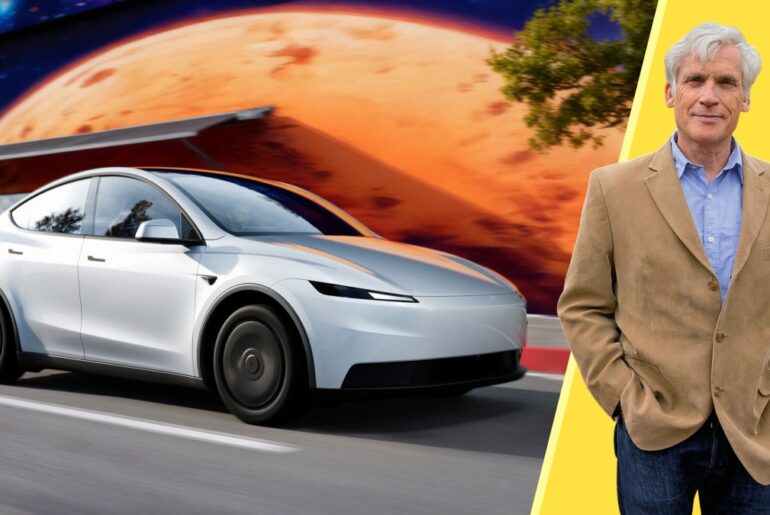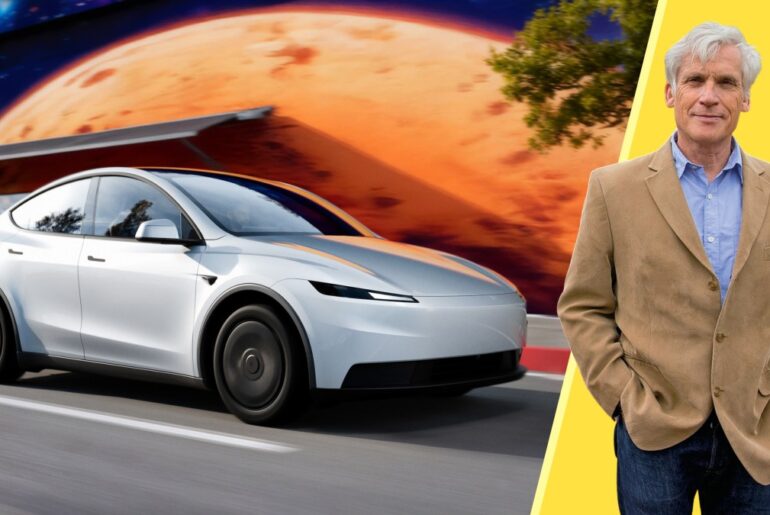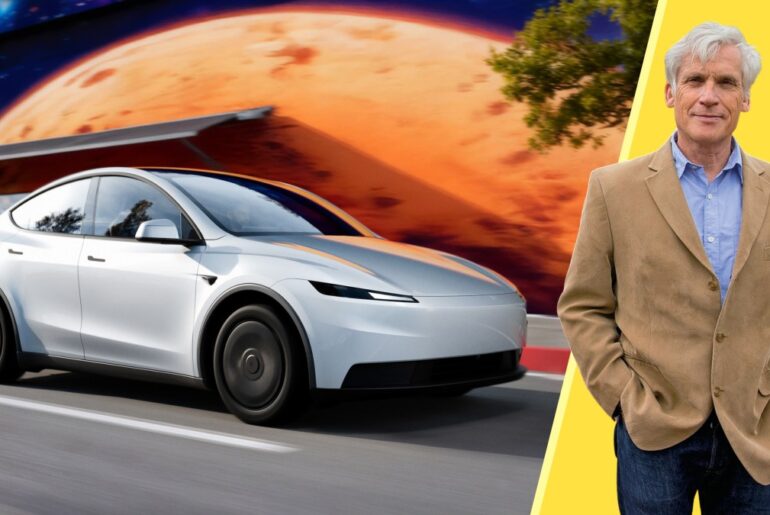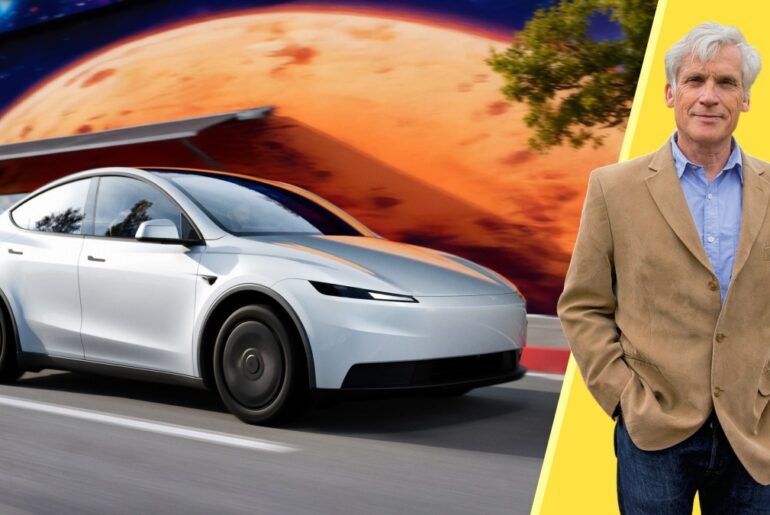

Xiaomi headquarters in Beijing on May 11, 2025 Photo: VCG
A Financial Times (FT) report claiming that US automaker Ford Motor held discussions with Chinese electric vehicle (EV) maker Xiaomi about forming a joint venture to build EVs in the US has been denied by Xiaomi on Sunday.
In a statement sent to the Global Times, a Xiaomi spokesperson said: “Reports that Xiaomi is discussing a joint venture with Ford Motor Company are false. Xiaomi does not sell its products and services in the United States and is not negotiating to do so.”
The response followed an FT report, citing “four people familiar with the talks,” said that Ford has held talks with Chinese EV maker Xiaomi “over a partnership that would pave the way for Chinese carmakers to gain a foothold in the US.”
According to the FT report, Ford has also spoken with BYD and other Chinese carmakers about potential collaboration in the US.
Earlier this month. US President Donald Trump, during a Michigan visit, openly invited Chinese automakers to build factories in the US, noting they would create jobs using American labor, while he balanced the call with continued tariffs on imported Chinese vehicles. Analysts see potential openings from the remarks, adding that Chinese automakers’ entry to the US is beneficial for both sides, but warn of major political, regulatory and market risks for Chinese firms.
Zhang Xiang, secretary-general of the International Intelligent Vehicle Engineering Association, told the Global Times that Chinese automakers entering the American market involves multifaceted risks, including political and policy volatility, extended factory construction timelines and stark regulatory differences.
Zhang noted that imposing tariffs has never been a feasible way to prompt foreign carmakers to invest and produce in the US. He said that the US should create a true open and non-discriminatory environment with no potential barrier risks, urging the US to create a fair and level ground for Chinese investors.
The US imposed a 25 percent tariff on all imported automobiles starting from April 2, 2025. Regarding this, He Yadong, a spokesperson for MOFCOM, said that China firmly opposes the US imposition of relevant tariff measures based on the so-called “Section 232 investigation.”
The global auto industry relies heavily on cross-border industrial and supply chains. Artificially severing the industrial and supply chain between the US and other regions, the US measures do not contribute to so-called “national security” or help the domestic US industry; they only highlight the unilateralism, protectionism, and bullying nature of the US actions, said He.