 Key PointsTesla reports 1.1 million active FSD users globally for first timeFSD adoption now exceeds 12 per cent of Tesla’s total fleetSubscription growth accelerates despite softer global vehicle delivery numbersAustralia and New Zealand led global rollout for right-hand-drive FSDEurope and China approvals could unlock next wave of subscriber growth
Tesla has crossed a threshold it has rarely spoken about in public. More than one million drivers around the world are now actively using its Full Self Driving Supervised software, marking the first time the company has disclosed concrete adoption numbers for the controversial system.
The figure appeared quietly in Tesla’s Q4 2025 earnings deck, buried in an operational summary rather than highlighted in a headline slide. As of the end of 2025, Tesla reported 1.1 million active FSD subscriptions or purchases, out of a cumulative 8.9 million vehicles delivered globally.
That puts FSD Supervised penetration at roughly 12.4% of Tesla’s entire global fleet. Not a majority, but no longer niche either.
What makes the milestone notable is not just the raw number, but the pace of growth. Active FSD users have nearly tripled since 2021, rising from 400,000 to 1.1 million in just four years, despite regulatory hurdles, regional restrictions, and ongoing scrutiny of the system’s capabilities.
▶️MORE: Tesla’s FSD Supervised Quietly Clocks 10 Billion Kilometres Worldwide
Subscriptions reshape Tesla’s autonomy strategy
Tesla’s shift toward subscriptions is no longer theoretical. It is now the backbone of its autonomy business.
Earlier this month, CEO Elon Musk confirmed Tesla will stop selling Full Self Driving as a one-time purchase, a package that previously cost more than $10,000 in Australia, and instead focus entirely on recurring subscriptions. In Australia, the monthly FSD Supervised subscription currently starts at $149, significantly lowering the barrier to entry for owners curious about the system.
Tesla Rolls Out FSD Supervised Subscriptions in Australia
This strategic pivot is already visible in the data. Active subscriptions climbed from 800,000 in 2024 to 1.1 million in 2025 alone, an increase of nearly 38% year-on-year. That growth comes even as Tesla’s total vehicle deliveries dipped slightly in 2025, highlighting that software uptake is now decoupling from car sales volume.
It also aligns with broader company trends. While vehicle production and deliveries softened last year, Tesla’s energy storage deployments surged nearly 50%, and its Supercharger network expanded to more than 8,100 stations globally. Tesla is increasingly positioning itself as a platform company, not just a carmaker.
▶️MORE: Tesla Model Y Circles Australia With 13,500 km Of FSD Supervised
 Australia’s early access puts local owners at the front
Australia plays an outsized role in Tesla’s FSD story.
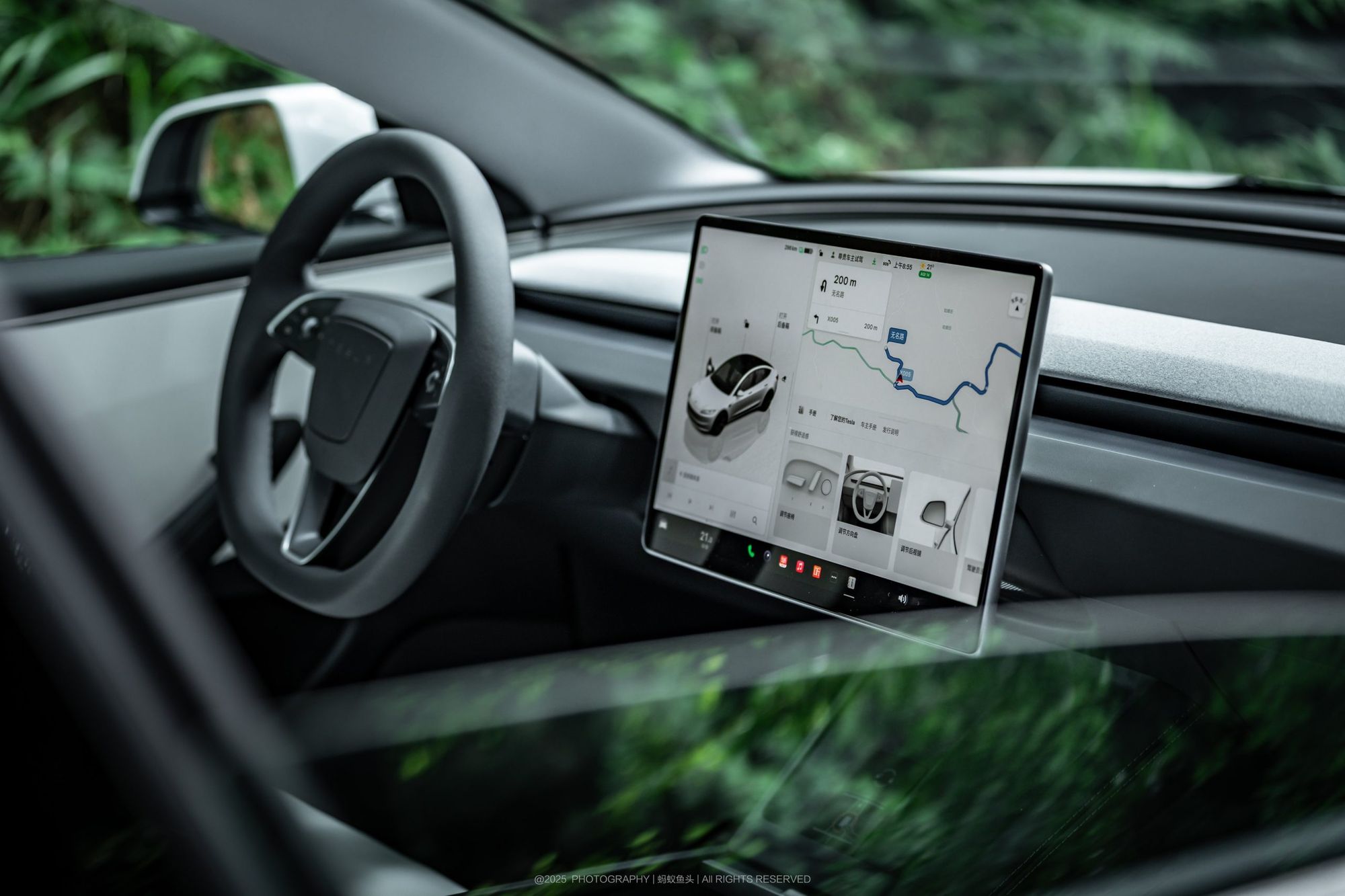
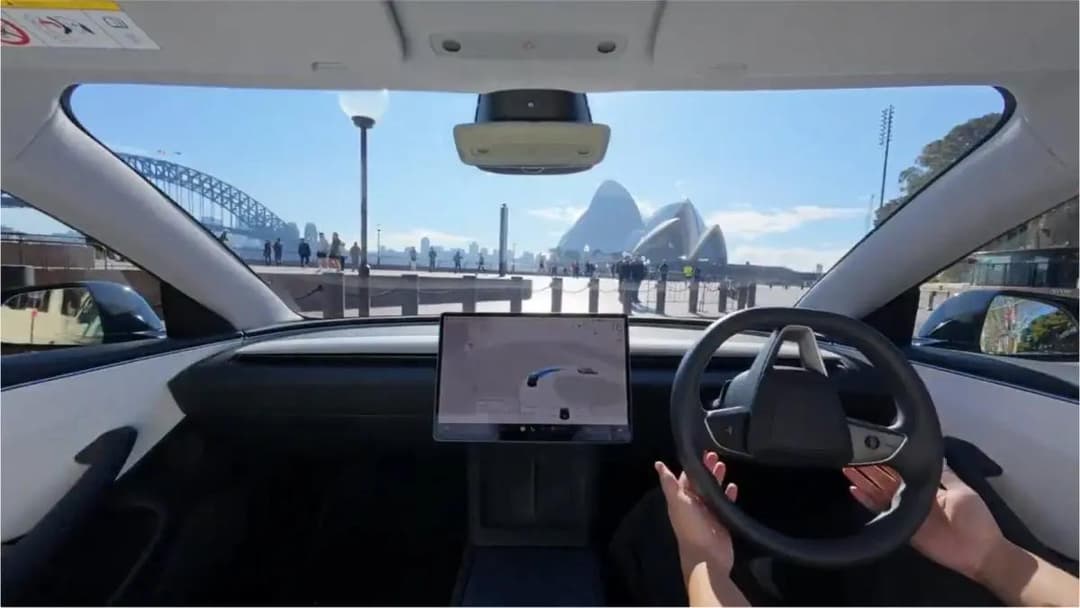
On 18 September 2025, Tesla rolled out FSD Supervised to eligible vehicles across Australia and New Zealand, making them the first right-hand-drive markets anywhere in the world to receive the software. Within two weeks of launch, Tesla reported that local owners had already driven more than one million kilometres using the system.
That early access has given Australian drivers a rare front-row seat to Tesla’s autonomy ambitions, but with caveats. FSD Supervised is not available on older Hardware 3 vehicles, limiting uptake among early adopters. The system also remains supervised, requiring constant driver attention, despite its branding.
The next phase of growth is likely to come from overseas approvals. Musk has indicated Tesla expects regulatory clearance for FSD Supervised in Europe and China as early as February. Those two markets represent Tesla’s largest remaining pools of potential subscribers and could dramatically reshape adoption numbers in 2026.
If approvals land as expected, the million-user milestone may soon look like a stepping stone rather than a destination.