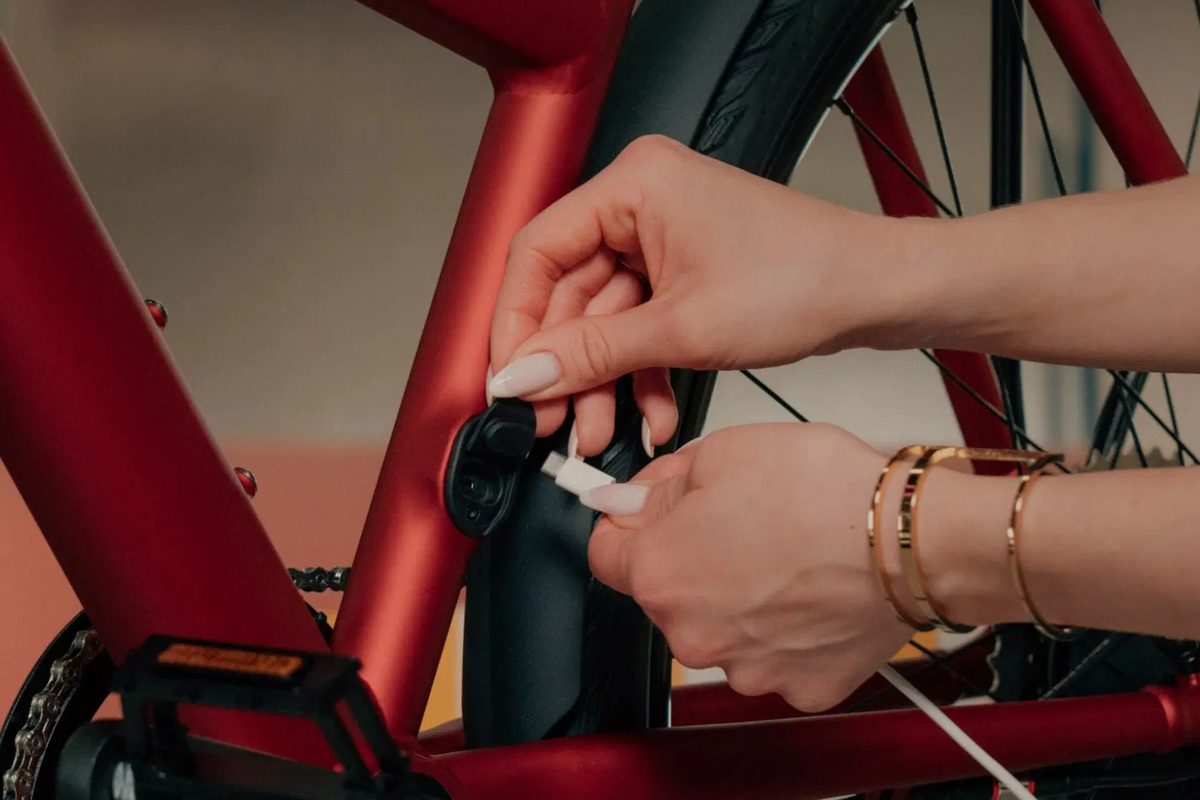
USB-C cables are commonly used for supplying power to electrical goods, including laptops and phones. Could these ubiquitous cables be all you need to charge any ebike, including its electronic accessories?
Such a move would do away with bucketfuls of surplus battery chargers, causing untold amounts of plastic and metal waste every year.
Some incredibly innovative tech from Orbea’s OOLab and Ampler Bikes, and key legislation from the European Union (EU) could be the difference between a pie-in-the-sky dream and an imminently achievable reality.
Can you charge an ebike with a USB-C cable?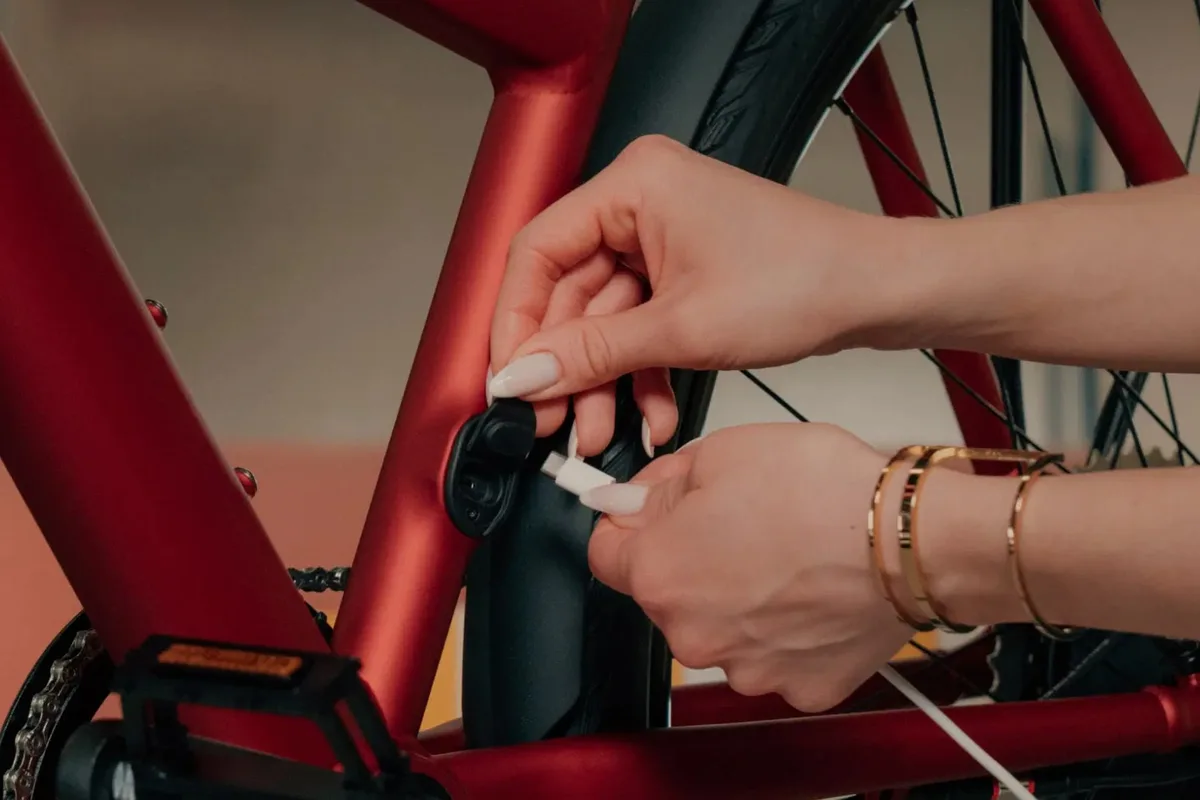 The Ampler Nova uses a USB-C cable to charge the bike’s main battery. Ampler
Electric bike chargers are hugely variable in size, design and functionality. Most ebikes use chargers that input a maximum of 100-200W to the bike during charging.
Original USB-C cables were rated at 100W maximum power capacity, so would be right at or over their allowable rating in order to charge an ebike.
However, the newer USB PD 3.1 cable was introduced in 2021. This standard allowed the Extended Power Range (EPR), which added three new fixed voltages: 28V, 36V and 48V. Importantly, maximum power capacity increased to 240W.
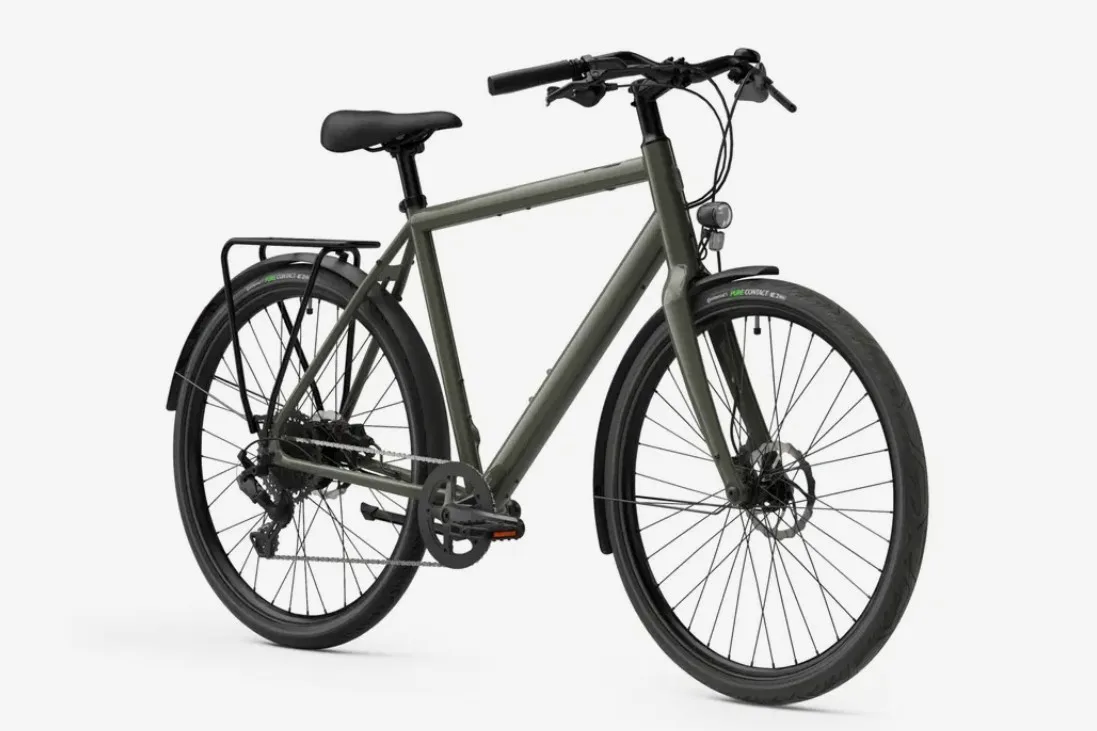 The Ampler Nova’s charging port can be used to charge consumer electronics from the bike’s battery. Ampler
Ampler is leading the charge for USB-C compatible ebikes with its Nova ebike. It uses a USB-C cable to replenish the battery, and the same port can be used to charge your smartphone (or any USB-C compatible device).
If more companies adopt this system, it could one day be possible to charge your ebike with a USB-C cable, instead of using a different charger for each bike.
However, in an increasingly connected world, bikes now commonly have electronic gears, electronic dropper posts and even electronic suspension. Could all these pieces of tech be charged at the same time from only one USB-C lead?
Orbea RS system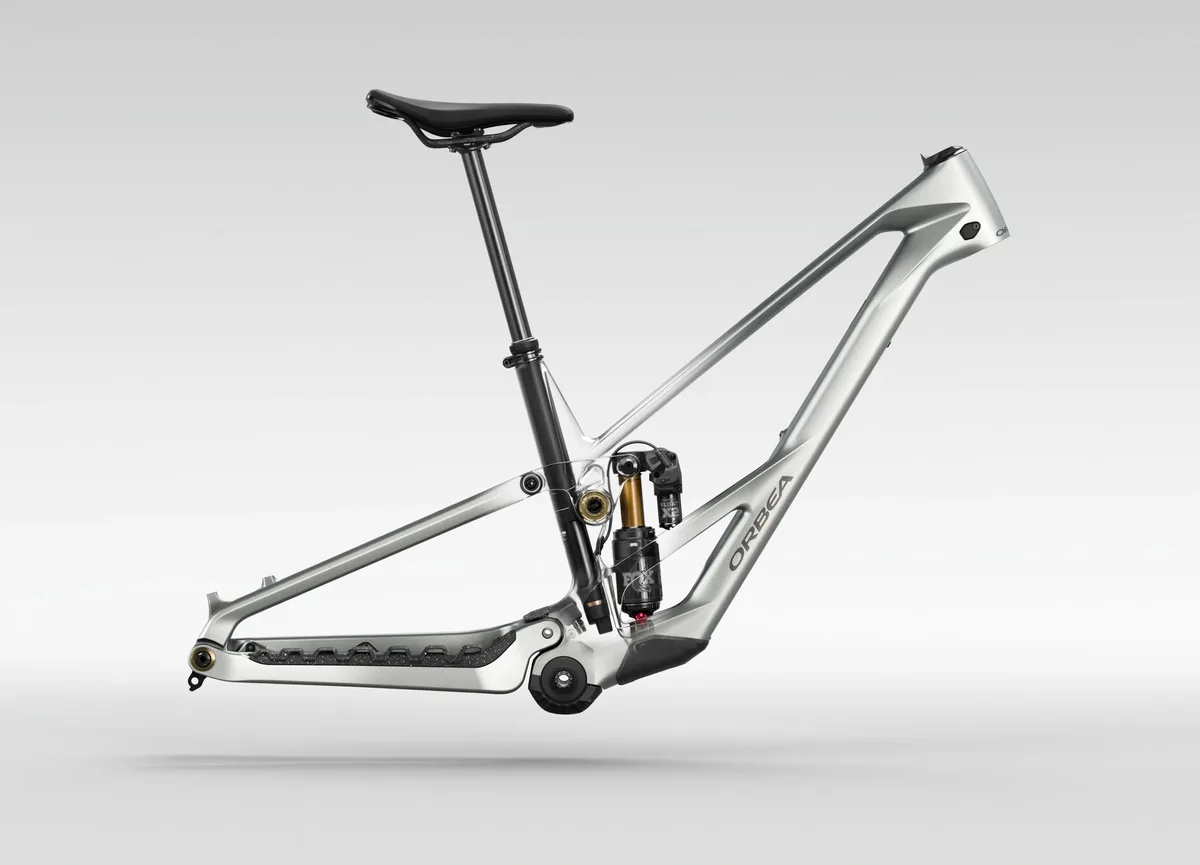 Orbea’s RS system is intended to integrate all the electronic components within a common ecosystem, striving towards using one battery to power all the electronic components on the bike. Orbea
Orbea launched its RS system in September 2025. It’s seen on the new Rise and the Rallon RS, which launched this week.
It involves a whole-system approach to electrical integration, and once you know the details, it’s not only elegant but could be an incredibly useful and practical upgrade, too.
The RS system is designed to run all the electrical components off the main ebike battery, rather then their own unique power supplies. This increases the usability of ebikes, minimises non-reusable battery waste, and could even make bikes lighter to boot.
The RS system removes the need for non-rechargeable ‘coin’ batteries in the remote switch for the dropper post, as well as the need for separate, rechargeable batteries on the dropper post and derailleurs.
In the case of the top-spec bike, it hard-wires the Fox NEO electronic shock in, too, doing away with the rechargeable battery that’s usually mounted to it.
Some ebikes, such as the Scott Patron, Nukeproof Megawatt and new Atherton S.170E, already integrate the derailleur into the electronic loom of the bike, using the ebike’s main battery to power it. Orbea’s RS system takes things much further, although not to their theoretical zenith.
This system still requires one extra battery outside the main, central ebike battery – the non-rechargeable battery in the gear shifter.
So, at least in theory, if an engineer could expand the system to include the shifter, a whole ebike, including electronic drive, shifting, dropper post and electronic suspension, could be run off one battery. This is the logical conclusion of electronic integration in bicycle technology.
European legislation on USB-C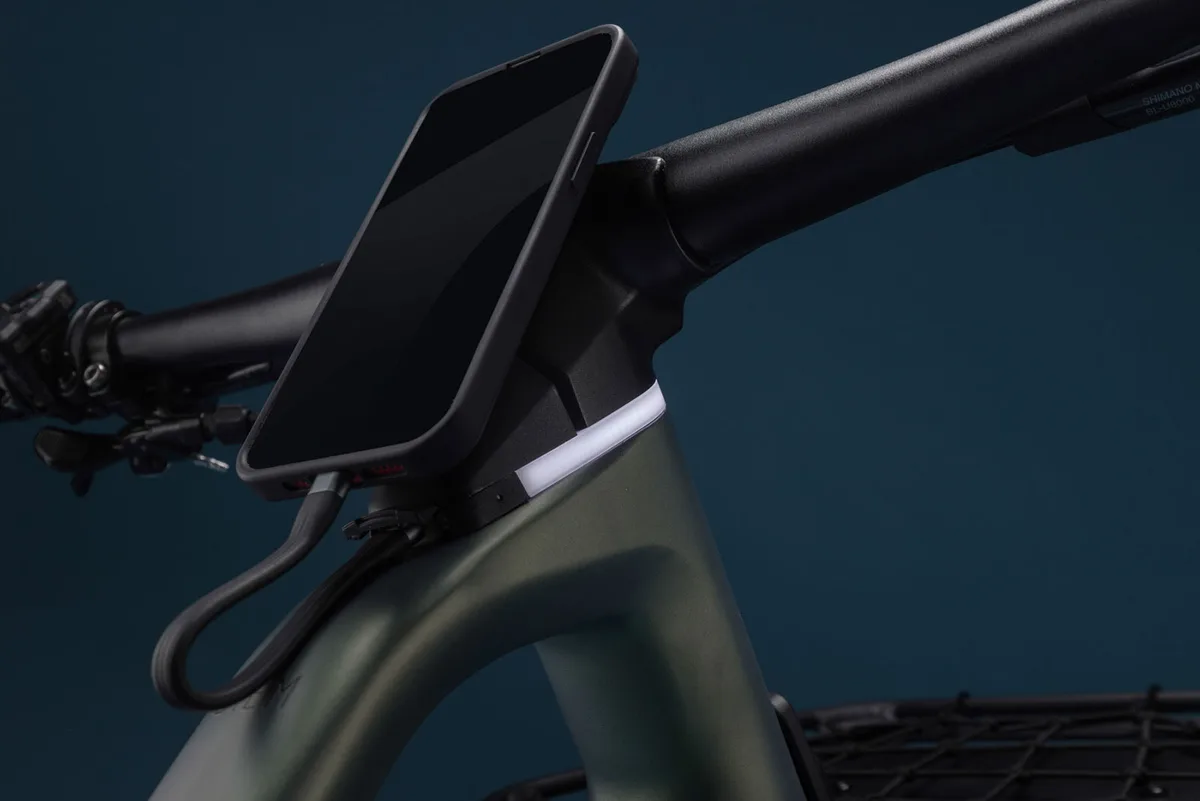 European Union legislation means all phones (including iPhones) have to be supplied with a USB-C port. Orbea
EU legislation (Directive (EU) 2022/2380) states: “All new mobile phones sold in the EU must feature a USB-C charging port.” This regulation forced Apple to abandon its proprietary Lightning connector in favour of USB-C for all portable devices.
This was in a bid to reduce waste from outdated chargers and equipment, which is remarkably similar to the issue now facing ebike owners.
There is currently no legislation governing which connectors are used on ebike chargers, but it is possible that further consumer electronics legislation could follow a similar path to that of mobile phones.
The future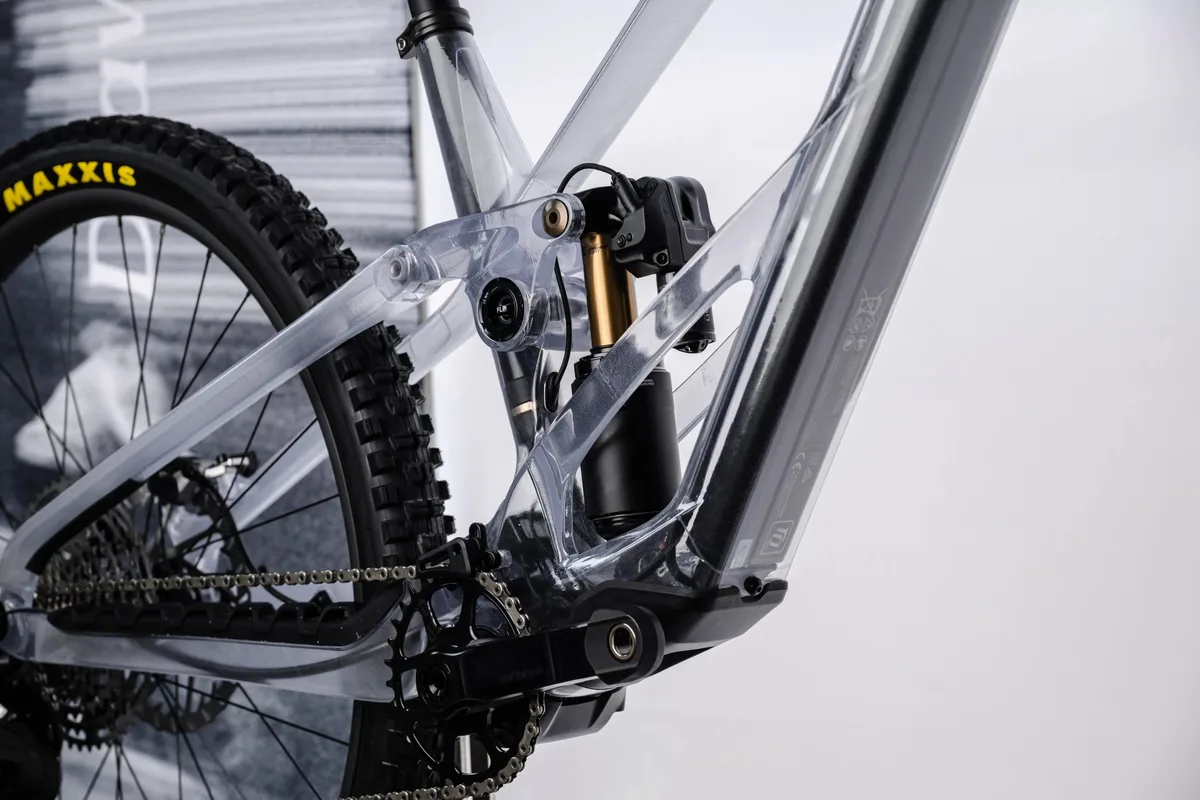 Orbea partnered with brands including Shimano, Fox and TQ, enabling its OOLab to build unprecedented integration into the RS system found on bikes such as the new Rise RS and Rallon RS. Orbea
Thanks to these elements, we could well be heading toward a future with more compatibility, less obsolescence and less waste.
Orbea is very close to creating an ebike with one battery that runs everything. Ampler has shown that, with modern electronics, common cables with USB-C connectors can handle the power needed to charge a modern ebike.
Combining and refining technologies such as these could create the ultimate electronics-filled bike of the future, meaning fewer batteries to charge, fewer unique chargers and increased integration.

!['He was able to get … [a] bike, no money out of pocket'](https://www.evshift.com/wp-content/uploads/2026/01/e-bike-rebatesimage-recXGCriXQAmLnjP3-1-770x515.jpg "‘He was able to get … [a] bike, no money out of pocket’")