WASHINGTON — Federal regulators are officially asking if the nation’s trucking fleet is moving too fast toward electrification without a safety net.
The Pipeline and Hazardous Materials Safety Administration, a modal agency within the U.S. Department of Transportation, published on Friday a formal Request for Information (RFI) to investigate the “distinct safety risks” of transporting hazardous materials via heavy-duty electric vehicles (EVs) compared to traditional internal combustion engines (ICE).
PHMSA’s notice arrives as the Trump administration continues its aggressive dismantling of Biden-era “EV mandates.” Over the past year, the Environmental Protection Agency has moved to eliminate Greenhouse Gas Phase 3 standards and revoked California’s “Advanced Clean Trucks” waivers, which previously forced manufacturers toward zero-emission targets. Infrastructure funding for EV charging, meanwhile, has faced pauses and legal battles.
Industry groups like the American Trucking Associations and the Owner-Operator Independent Drivers Association have hailed these rollbacks as major regulatory wins, arguing that original timelines were unachievable, threatened supply chain stability, and that the costs outweighed the benefits.
For the trucking industry, this PHMSA inquiry may signal the next phase of the administration’s deregulatory pivot. By identifying new technical hazards, the agency could provide a safety-based justification for a permanent retreat from electric heavy-duty fleets in the hazmat sector.
PHMSA is asking the public to “compare the risks between heavy-duty EVs and ICE motor carriers, with a focus on hazmat packaging and product safety, as well as risks to the vehicles.” The agency wants specific feedback on several concerns, among them:
Thermal Runaway: How the fire risks, burn temperatures, and durations of EV battery fires differ from diesel incidents when transporting hazmat.
Weight and Stability: Whether the added weight of EV powertrains negatively impacts cargo safety and vehicle stability.
Electronic Interference: If EV battery systems emit radiofrequency signals that could interfere with sensitive cargo like electronic detonators or tracking monitors.
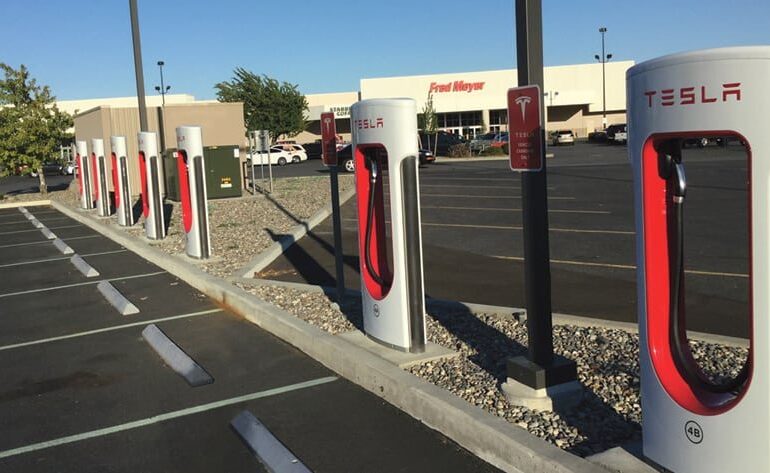
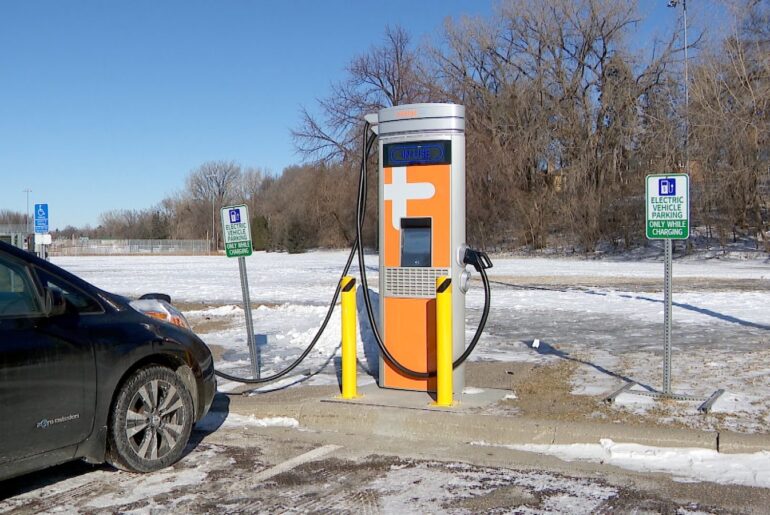
Infrastructure Hazards: The risks of charging hazmat-laden trucks at public stations, including the proximity of charging ports to cargo and the potential for spill ignition.
The RFI also questions if current Emergency Response Guidance is sufficient for EV hazmat fires in confined spaces like tunnels.
While previous policies viewed EVs as a critical decarbonization tool, the current administration’s Unleashing American Energy initiative has re-prioritized fossil fuels and labeled electric transition goals as market distortions.
The public has until May 4 to submit data to PHMSA.
Related articles:
Click for more FreightWaves articles by John Gallagher.