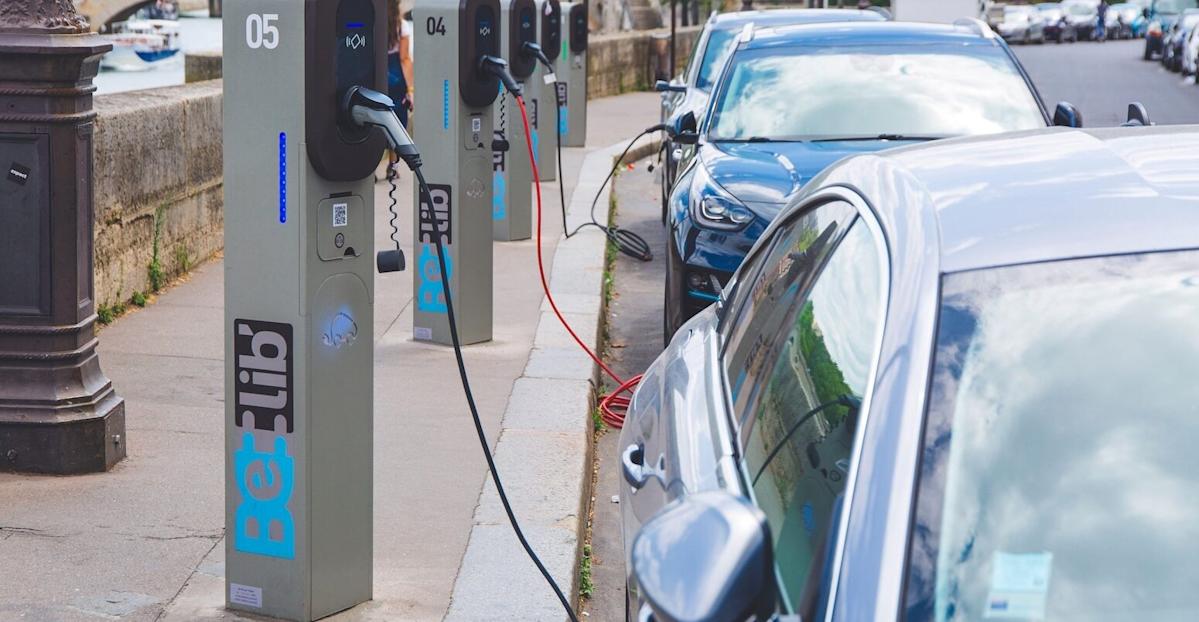
Dead petrol engines shouldn’t surprise anyone anymore, yet December 2025 delivered the inevitable milestone: battery electric vehicles outsold pure gas cars in Europe for the first time ever.
The numbers tell a story your next car purchase will feel directly. Battery EVs registered 217,898 units across the EU in December, edging past petrol cars at 216,492—a razor-thin victory that signals a seismic shift. Including the broader European region, EVs hit 308,955 units while gas cars dropped to 254,449, according to the European Automobile Manufacturers’ Association.
The Market Reality Behind the Headlines
Affordable options and Chinese competition reshaped everything in 12 months.
This wasn’t some policy-driven fluke—real market forces drove the change. Genuinely affordable EVs like the Renault 5 E-Tech hit showrooms at roughly £23,000, making electric cars accessible beyond early adopters.
Chinese automaker BYD exploded with 228% growth, selling 129,000 units and grabbing nearly 2% market share from basically nothing. The brand proved you don’t need Silicon Valley credentials to compete in Europe’s most sophisticated automotive markets.
Meanwhile, Tesla—the brand that made EVs cool—crashed 37.9% as European buyers discovered they had actual choices beyond the Model 3.
Winners and Losers in the New Order
Traditional automakers found their footing while former EV champions stumbled badly.
Volkswagen maintained its European dominance at 26.7% market share, proving legacy automakers could adapt faster than Silicon Valley darlings. Tesla‘s decline to just 2.2% market share marked the worst performance among major manufacturers—a reality check for any company assuming first-mover advantage lasts forever.
The geography reveals deeper patterns too. Germany led with 43.2% growth, followed by the Netherlands, Belgium, and France. These four countries accounted for 62% of all European EV sales, creating regional charging networks and dealer support that make electric ownership genuinely practical rather than aspirational.
Policy Softens, Momentum Doesn’t
EU regulators eased 2035 targets, but consumer behavior already shifted independently.
The EU slightly relaxed its 2035 zero-emission mandate, allowing 10% of “emissions” through e-fuels and biofuels instead of pure electric. Industry lobbying worked—partially.
Yet consumer momentum suggests policy changes won’t matter much. With hybrids dominating at 34.5% market share and full-year EV adoption at 17.4% (up from 13.6%), European car buyers are choosing electric-adjacent options regardless of regulatory pressure.
Your next car decision happens in this transformed landscape: more models, competitive pricing, and infrastructure that actually works. The tipping point wasn’t about environmental virtue—it was about having better options.
From the coolest cars to the must-have gadgets, GadgetReview’s daily newsletter keeps you in the know. Subscribe – it’s fun, fast, and free.