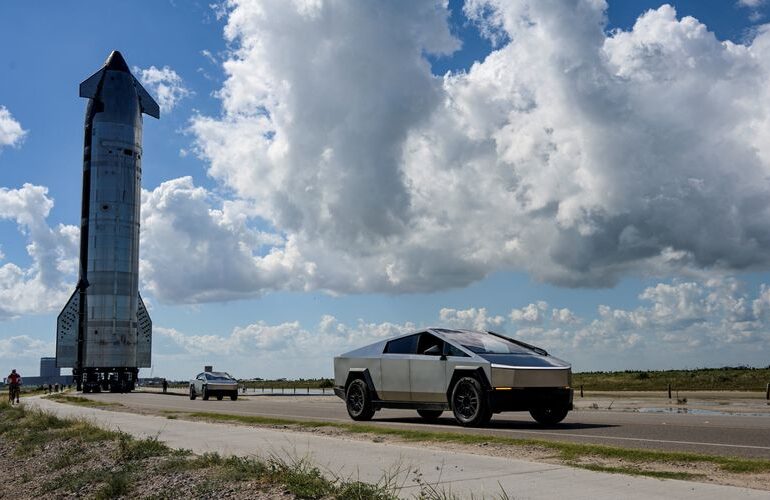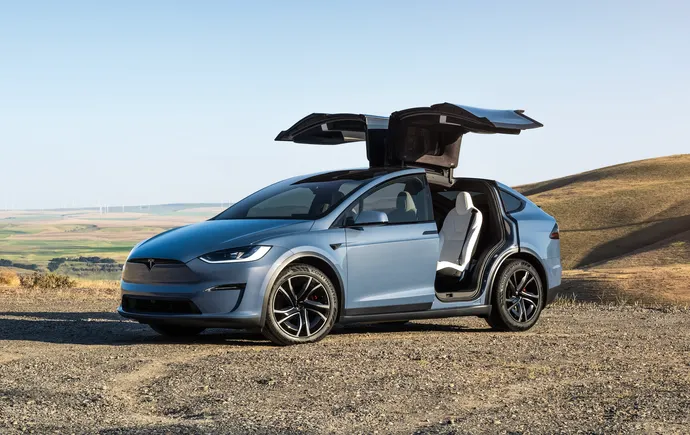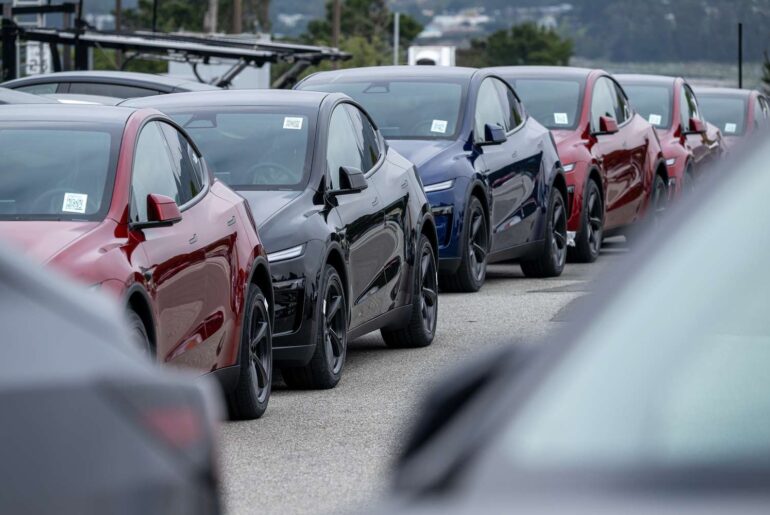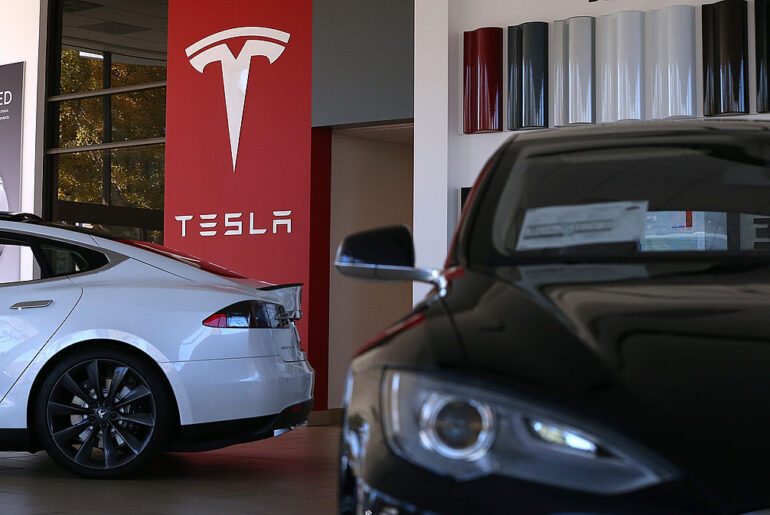
On Wednesday, Tesla reported a drop in revenue (its first full-year revenue drop), vehicle deliveries, and gross profit for the full year 2025. Perhaps the company’s most surprising announcement, though, was that it plans to scrap production of its Model S and Model X cars and instead use those factories to manufacture bipedal automatons. (The solar panels, however, will still be “proudly made on Earth by humans,” per company materials.)
While Tesla’s core business suffered last year, its energy division shone brightly — as automotive revenues fell by 10% for the year, “energy generation and storage revenue” grew by 27%, though the division still makes far less money than its core business. The company deployed an immense 46.7 gigawatt-hours of storage in 2025, more than 10 times the rate just four years prior. But while Tesla freely discloses battery capacity delivered by its generation and storage business, it does not share solar capacity deployed, making it hard to gauge the significance of solar relative to energy storage.
Tesla launched a lease offer last year to monetize those remaining tax credits; customers can choose to buy out their systems after five years. As a U.S.-based domestic manufacturer, the company also should be able to claim the advanced manufacturing production credit (45X) for its production in Buffalo.
So in spite of the market turbulence, Tesla can still avail itself of supportive federal policies even though the budget law passed — over the protestations of CEO Elon Musk. But Tesla is far from alone in making solar panels in America these days: It will be competing against the likes of Qcells, the most prolific manufacturer of residential panels in the U.S., which operates more than 8 gigawatts of module capacity, compared with Tesla’s 300 megawatts.
Scale matters in this industry. Lacking that, Tesla does have an advantage: its connected ecosystem of home energy products.
“To my knowledge, we’re the only manufacturer out there that’s directly producing electric vehicles, charging, storage, mounting hardware, solar panels, all of the controls that you can use to integrate these devices and make them work together for your home, and one app to have that full experience in,” Hastings said.
That could be enough to carve out a profitable niche in what’s left of the U.S. rooftop solar market in the second Trump administration.
{
if ($event.target.classList.contains(‘hs-richtext’)) {
if ($event.target.textContent === ‘+ more options’) {
$event.target.remove();
open = true;
}
}
}”
>