Key Takeaways
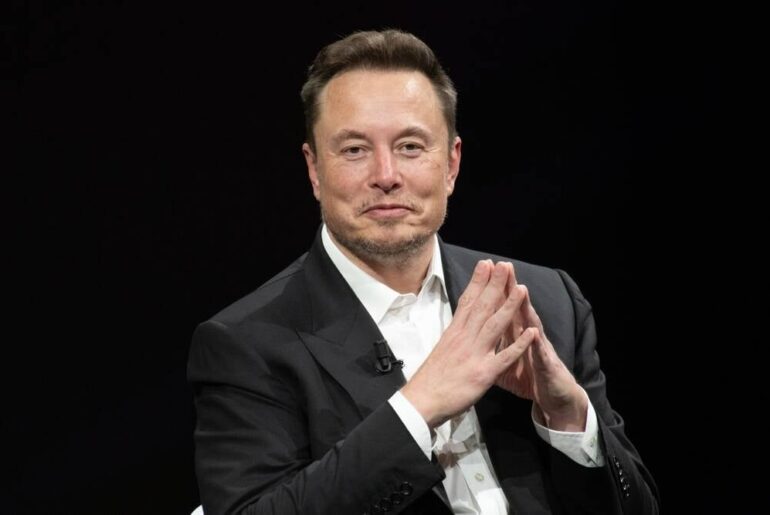
Tesla this week detailed how many active subscriptions to its “FSD” self-driving software product it has for the first time. The number is important to Tesla, but also CEO Elon Musk, whose pay is in part tied to whether the company can get it to 10 million from around 1 million at present.
Is Tesla’s self-driving software selling? Investors can now see for themselves.
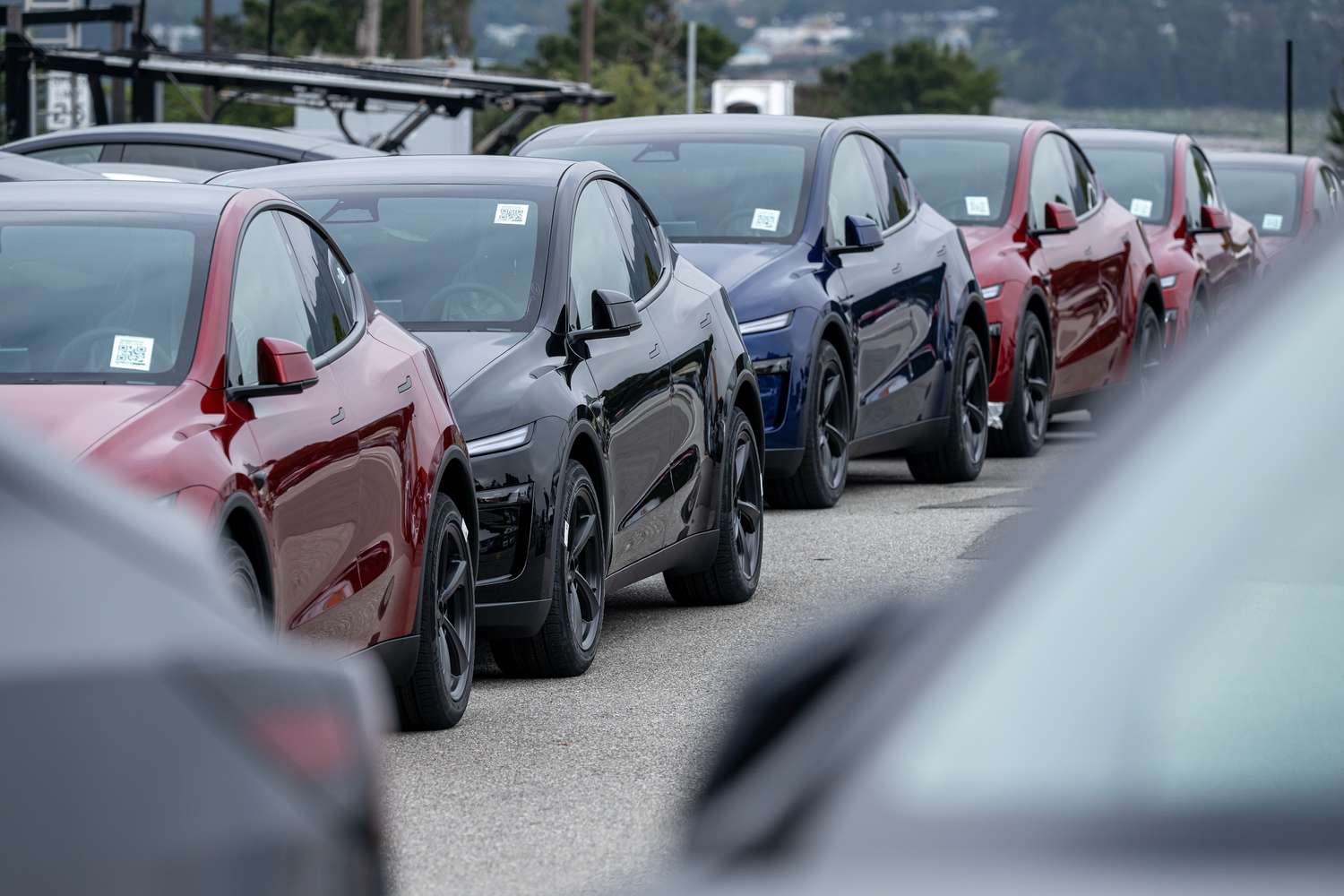
The EVs-and-more company last night reported its latest financial results, sharing news that has the shares drooping on a down day for stocks. Tesla (TSLA) also shared a number of updates on changes to its business—including the decision to scrap two car models in favor of factory space to build robots, but also the addition of a line item about how many active subscriptions it has for its “FSD” product.
That decision follows the Magnificent Seven company’s move to shift the product from a one-time purchase to a subscription, which bears the promise of recurring revenue but passes on larger one-time payments.
Why This Matters to Tesla Investors
Tesla has long sold its self-driving software via a one-time payment. Now, as it’s shifting to subscriptions, it’s begun detailing those sales—which, by the way, is a key metric in CEO Elon Musk’s efforts to get full benefit of his pay package.
The company on Wednesday reported 1.1 million active subscriptions as of the end of 2025, up from 1 million at the end of Q3 and 800,000 at the end of 2024. (Most of the current subscriptions are still of the one-time variety, making that an inflection point likely to be watched closely. FSD revenue, meanwhile, wasn’t broken out.)
FSD currently sells for $99 per month, according to Tesla’s web site. That price, Musk has said, is likely to rise.
Tesla’s latest quarterly release also highlights progress toward operational metrics that are part of the company’s massive new compensation plan for Musk. One of those metrics is active FSD subscriptions, with a target of 10 million.
Shares of Tesla were recently down more than 3% as broader markets, pulled lower by tech weakness, retreated. Read Investopedia’s full coverage of today’s markets here.