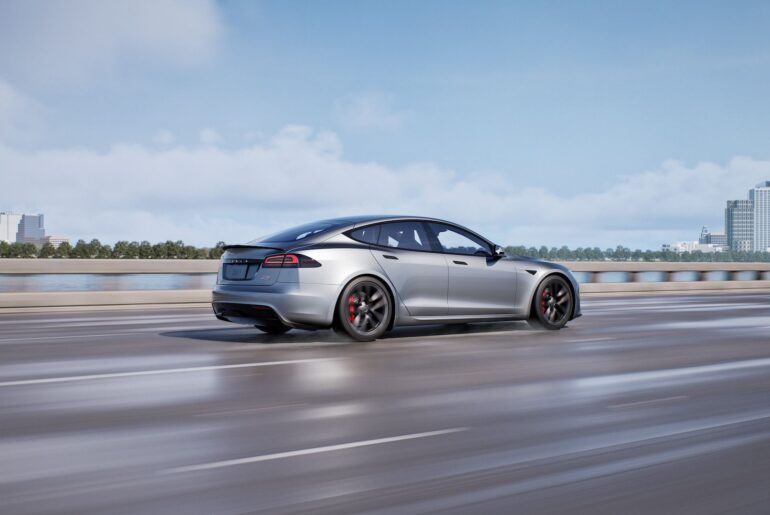
For the first time, researchers have drawn a direct, measurable line between the adoption of electric vehicles (EVs) and cleaner air in local neighborhoods. A groundbreaking study from California has found that for every 200 zero-emission cars added to a community, nitrogen dioxide levels dropped by 1.1%, offering a powerful validation of e-mobility policies.
Nitrogen dioxide (NO2) is a nasty byproduct of burning fossil fuels, notorious for triggering asthma, bronchitis, and heart disease. The study, which tracked data from 2019 to 2023, shows that the health benefits of EVs are not theoretical or distant—they are happening now, at the street level. The correlation was stark: neighborhoods with the highest uptake of EVs saw the most significant improvements in air quality.
Lessons for Nairobi
While the data comes from California, the implications for Nairobi are profound. As the city pushes for the adoption of electric matatus and bodabodas, this study provides the scientific ammunition to justify the transition. Nairobi’s air quality, often choked by exhaust fumes, is a public health crisis. The California data suggests that even a gradual shift—adding EVs by the hundreds—can begin to scrub the sky clean.
“This is the proof of concept we needed,” says an environmental policy expert at the UNEP headquarters in Gigiri. “It shows that you don’t need 100% adoption to see health benefits. Every electric bus we put on Waiyaki Way is literally saving lungs.”
The Asthma Link: The reduction in NO2 is directly linked to fewer emergency room visits for asthma attacks. For vulnerable populations, particularly children, the switch to electric transport is a preventative health measure.
Localized Impact: The study debunks the myth that EV benefits are only global (climate change). It proves the benefits are hyper-local, improving the specific neighborhoods where the cars are driven.
The Road Ahead
The study underscores that EV adoption is a public health tool. As cities like Nairobi grapple with pollution-related diseases, the transition to electric mobility moves from being a “green” luxury to a medical necessity. The prescription for cleaner air is parked in the driveway.