Heading into Wednesday’s hoy trinity of earnings — which saw Meta, Microsoft, and Tesla report within five minutes of each other — everyone knew that updates on AI progress would be the only game in town.
How those results ended up playing out shed crucial light on where we are in the AI trade right now.
The overarching focus for the Big Tech trio was not who has immediately seen results from AI investment. Instead, it was whether those companies were doing enough to support the appearance of maybe, eventually doing something. Investors love the prospect of future upside, and want a reason to preserve their optimism.
Each of the three companies showcased this trend in their own unique way. Let’s go one by one:
Meta
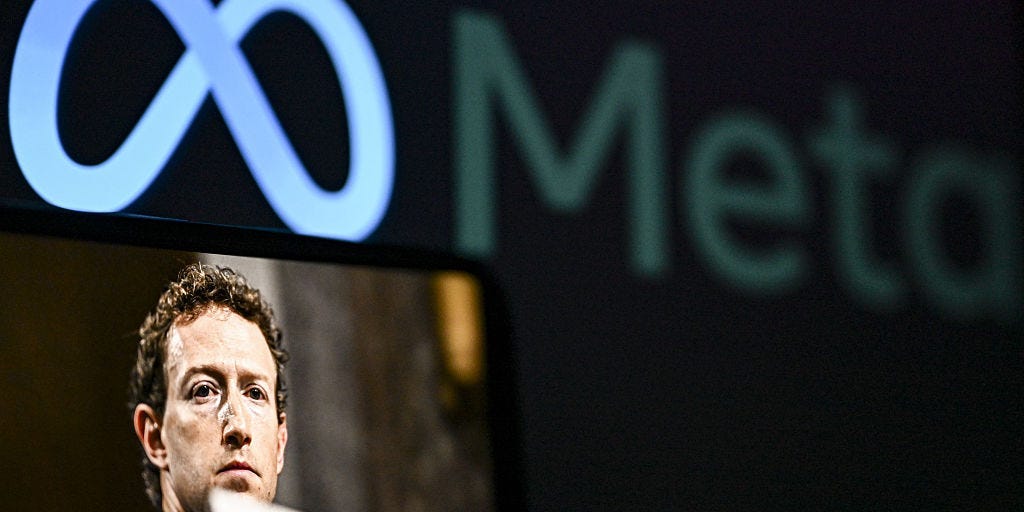
Last quarter, Meta was punished for its capex-spending plans. This quarter, the company once again blew the doors off spending forecasts … but this time the market seemed OK with it.
What changed? Look no further than the company’s stronger-than-expected first-quarter revenue, driven by a big beat in advertising. Meta CFO Susan Li also got investors hyped on the earnings call by saying the company will fund its AI ambitions primarily with cash, rather than debt.
In the end, it’s not that Meta has tangible proof that its AI spending is going to generate monstrous future earnings growth. The company has instead fallen back on its cash-cow advertising business to alleviate financing pressures and buy itself more time.
We haven’t yet gotten an answer about whether the AI spending will pay off. We just know the company can afford to keep pursuing it.
Market reception: Very positive
Microsoft
I present the counterpoint to Meta’s well-received quarter. Microsoft also announced much larger-than-expected spending plans … and its stock fell.
The difference? One of Microsoft’s main cash cows — its Azure cloud-computing unit — showed slowing growth. Suddenly, big spending doesn’t look so appealing when your backstop is weakening.
Market reception: Negative
Tesla
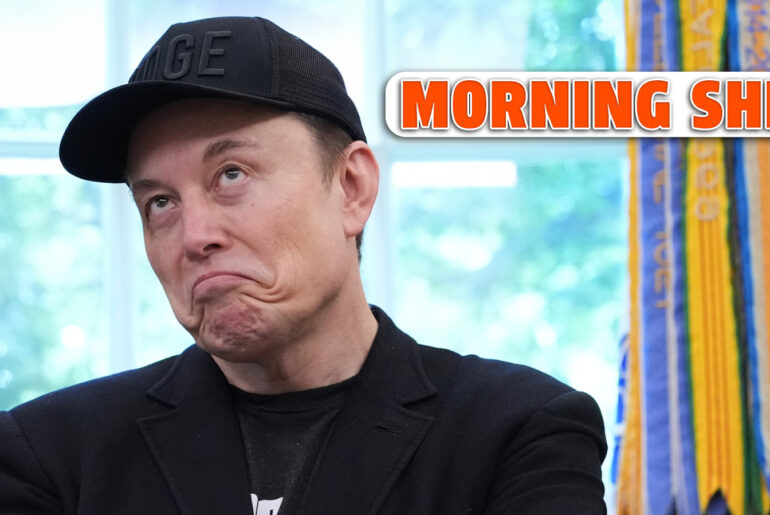
While Tesla’s AI push has taken the form of self-driving vehicles and robotics, the company’s lofty valuation is still being largely driven by hopes that big AI-linked profits will one day be unlocked.
But unlike Meta, the EV-maker is doing it at a time when its core business is in decline. One overlooked highlight of Tesla’s report was that — even though the company posted a bottom-line beat — it also saw first-ever decline in annual revenue.
It didn’t matter. Investors instead focused on Tesla’s $2 billion investment in xAI, the company owned by Elon Musk. They also seemed to take the discontinuation of the Model S and Y vehicles in stride.
Again, the perception of eventually monetizing AI won out. In the AI race, it’s not what you’re doing, it’s what you can convince everyone you’re going to do down the line.
Market reception: Positive