Jaguar is exploring the development of a part-petrol car in what could be seen as a major reversal of plans for an all-electric reboot of the British brand.
Under a secret initiative to soothe drivers’ concerns about running out of power on long journeys, engineers have been asked to build a hybrid engine.
This would extend the range of new Jaguar models from 700km to 1,100km, according to sources familiar with the situation.
• Britain’s cars are older than ever — but is that a bad thing?
The move, under new chief executive PB Balaji, follows a backlash against the “complete reset” of the Jaguar brand.
Rooted in quintessential high-performance British racing engineering, parent company Jaguar Land Rover (JLR) unveiled one of the most divisive rebrands in automotive history in late 2024.
To revive Jaguar, plans were unveiled to transform it into an all-electric, ultra-luxury brand by 2026.
Under the slogan “Copy Nothing” — a nod to the carmaker’s founder, Sir William Lyons — Jaguar’s “Growler” logo was removed alongside the feline “Leaper” from the car bonnet. They were replaced by an all-lower-case branding and aspirational phrases such as “Delete Ordinary” and “Live Vivid”. An advert featuring models in brightly coloured outfits did not even show an image of a car.
• Jaguar ridiculed for rebrand that doesn’t mention its cars

The rebrand backfired on Jaguar
Such was the strength of feeling that Elon Musk, the world’s wealthiest person, reacted on X — formerly Twitter — “Do you sell cars?” The rebrand later attracted the attention of Donald Trump, who lambasted it as “stupid” and “seriously woke”.
The UK-based team behind Jaguar’s tightly controlled hybrid engine are understood to be focusing their efforts on what is known as a range-extended electric vehicle (REEV).
Traditional plug-in hybrid cars combine a traditional petrol-powered engine with an electric motor and a larger battery. REEVs are powered by an electric motor, but have a small internal combustion engine that acts as a generator to recharge the battery when it runs low.
Sources close to JLR insisted that new Jaguar cars due to be unveiled later this year would be all-electric. But they added that a range of other engine options were in the early stages of development. JLR declined to comment.
REEVs, however, would not qualify as zero-emission under the UK’s electric vehicle sales quotas. This year, 33 per cent of all new car sales in the UK must be zero-emission, rising to 80 per cent by 2030 — by which point, sales of new petrol and diesel cars will be outlawed. REEVs would be classified as hybrid cars, meaning that, under current rules, they could be sold until 2035.
Jaguar has paused car production while it revamps its factories in preparation for Jaguar Electric Architecture, a bespoke manufacturing line for the carmaker’s new models.
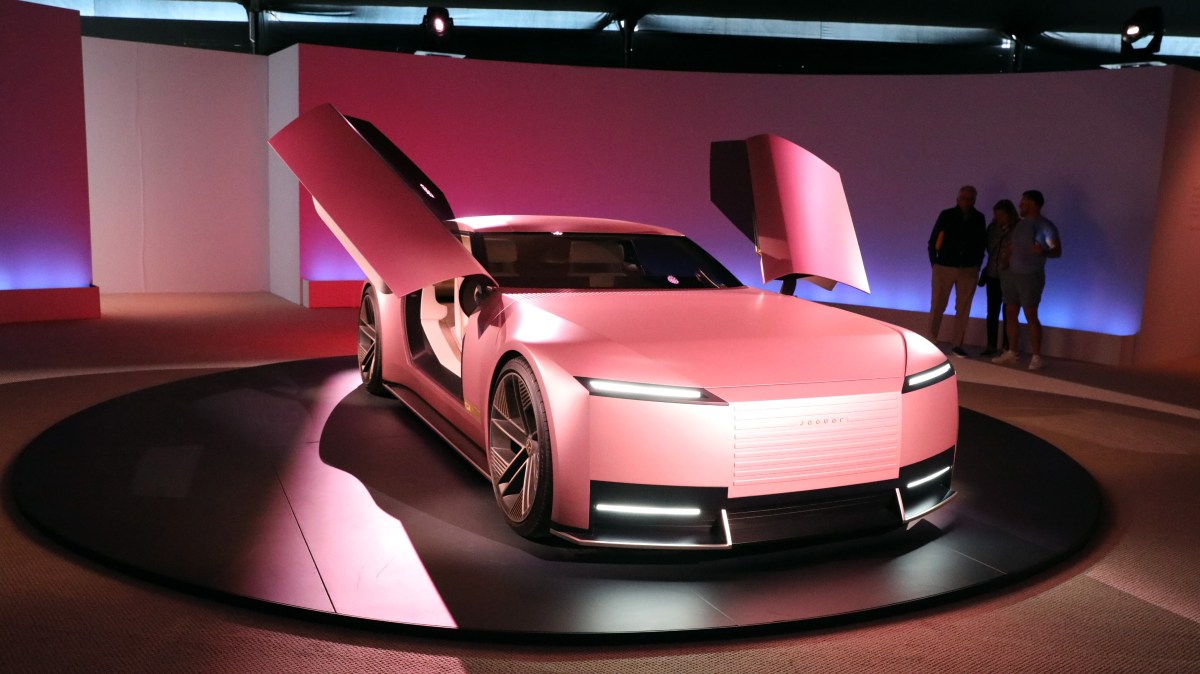
A £100,000 four-door electric grand tourer (GT) boasting 1,000 horsepower is to be the first production car in the new range, followed by the Type 00 concept — an “exuberant modernist” vehicle with a long bonnet and no rear window.
• Jaguar ‘ditches designer’ behind its pink brand relaunch
Gerry McGovern, 70, who quit as creative head of the company within a fortnight of new chief executive PB Balaji taking office in the autumn, said that the “ordinary” Jaguar brand was “drowning” in a sea of German competitors such as BMW and Audi.
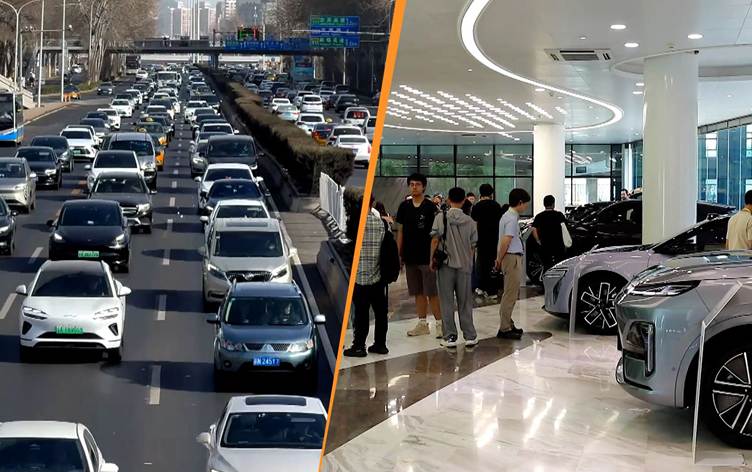
REEVs have proved extremely popular in China, rising by 79 per cent in 2024 to 1.2 million cars. They are also expected to gain ground in the US, as and when the country grasps the switch to electric. In Europe, however, REEVs are comparatively rare.
On Saturday evening, a spokeswoman for JLR insisted that “plans to reinvent Jaguar as an electric-only luxury automotive brand are unchanged”. She added: “We are looking forward to unveiling the first new electric Jaguar later this year.”