Transcript
Transcript
Transcript
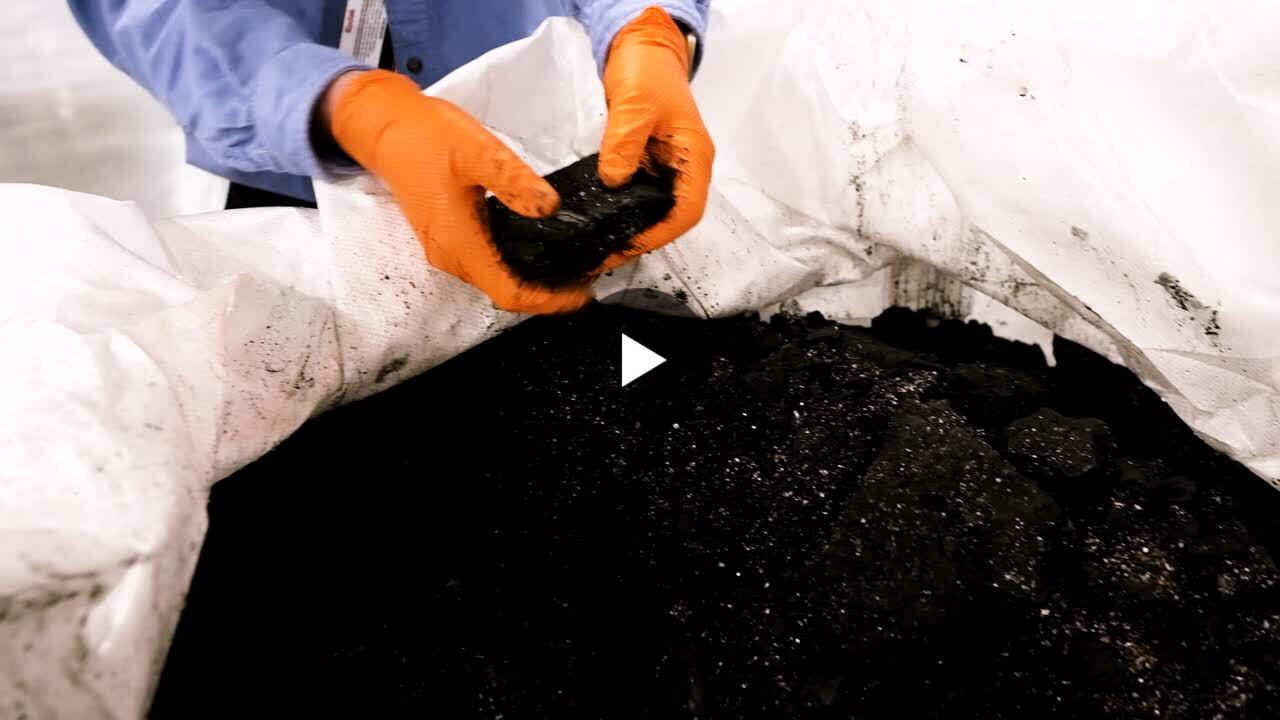
This is called black mass. It’s made of rare metals recycled from lithium ion batteries, the kind of power most smartphones, laptops and electric cars. Less than half of these ever get recycled. Electric cars are supposed to help the planet, but could their batteries create the next trash problem? And why are those batteries so difficult to recycle? The batteries from traditional gas powered cars called lead acid batteries are made mostly of, well, lead. And they’re highly toxic if they end up in a landfill. But in the US, strict laws in most states mean that almost 100% of them get recycled. Most electric cars, on the other hand, use lithium ion batteries. They’re not nearly as toxic as lead acid batteries, but they’re much bigger and sometimes. Lithium ion batteries explode. A lot of companies have shyed away, typically from handling the material because of that core safety challenge. Lifecycles founders started the company in 2016 to find a safer way to deal with this waste stream and to capitalize on a growing market. We saw recycling as the glaring hole in the supply chain. Only about 5% of cars sold globally in 2020 were electric, and these batteries will last about 10 years by that time. There could be almost 100 Eiffel Towers worth of used up lithium ion batteries to recycle. And people think, isn’t recycling just needed like 10 years from now and the problem is already here in the form of leftover scrap and rejects from battery factories. There is a tsunami coming at us. And the process is the same one used to recycle smaller batteries from phones and laptops. One of the first steps is dumping the batteries onto tables to shake off a flame retardant packing material called vermiculite. We’ll tip it up onto the first screen and we’ll remove that vermiculite material before it goes on to our first feed. Conveyor companies make batteries in different ways, but the founders say they found one recycling method that can handle them all, and they can process large electric car batteries with almost no disassembly. Other groups will typically dismantle manually to get to a cell level. At that sort of scale of a pack, you have potentially thousands of cells. Instead of that, this system slices lithium ion batteries into confetti like shreds. Because these batteries can catch on fire under pressure, you can’t just throw them into any old shredder. When you crush a lith my battery standard device it short circuits and that short circuiting is what can drive a thermal event AKA fire. So how does lifecycle shred the batteries without blowing them up? The founders keep some of the details secret, but a key part is the liquid that’s hidden inside this shredding system. There’s no oxygen there. Without oxygen, there’s no fires. That liquid also helps separate the plastic, which most recyclers just burn away. As the batteries are being broken up, the low density plastic is floating up to the top. We separated out, we bag it ready for our customers. Bicycle plans to have this plastic recycled at some point, but wouldn’t tell us where it currently goes. Machine separate what’s left in the system into two categories, metallic foil and black mass. So behind me, we’re bagging that metallic foil and we sell this for the copper content as well as the precious metals. The most valuable metals are in the black mass. Black mask contains the nickel, the cobalt, manganese, graphite, lithium, et cetera. Experts say that if current trends continue, the world could run low on battery metals like nickel and manganese in less than a decade. One metric ton of black mass. The amount in each of these bags is worth about $3500. Chemical treatments can separate the rare metals out of it, but life cycles chemical facilities aren’t up and running yet. So for now it has to ship the black mass to a smelter. Smelting uses chemicals and extremely high temperatures to purify metals. It requires a lot of energy and creates pollution. This method gets nickel and cobalt from the black mass, but the rest of it goes to waste. They can’t recover the lithium, they can’t recover the graphite. So there’s a lot of value that’s left behind. Life cycles not alone. Most lithium ion battery recyclers don’t recover lithium. But the founders say they’re building another plant next to this one that will recover everything. This could reduce the need for mining, which contributes to global warming, contaminates soil and can involve an ethical labor practices. OK. Once the company is recovering all the metals for every ton of batteries recycled, the founders say they will avoid 5 tons of CO2 emissions that would have come from mining new metals. And they say recycled metals are cheaper than mine ones too. This could lower the cost of electric cars. Which experts say is a good thing because even though the batteries take a toll on the environment, electric cars are still better for the planet than traditional ones, are much more efficient than they were 5-10 years ago. It’s better for the environment from a greenhouse gas perspective than driving an internal combustion engine car because we’ve seen all these performance improvements both at the vehicle level and in our electricity grid. Right now, life cycle process is about 10,000 tons of batteries per year. It’s roughly equivalent to about 30,000 electric vehicle equivalent per year. That’s a fraction of. Projected 550 million electric cars on the road by 2040. But it has plans to scale up and build more recycling plants like this one, right next to factories that make batteries. When you scale that across the global application, it really allows for lithium ion batteries to support this transition into a more sustainable future.