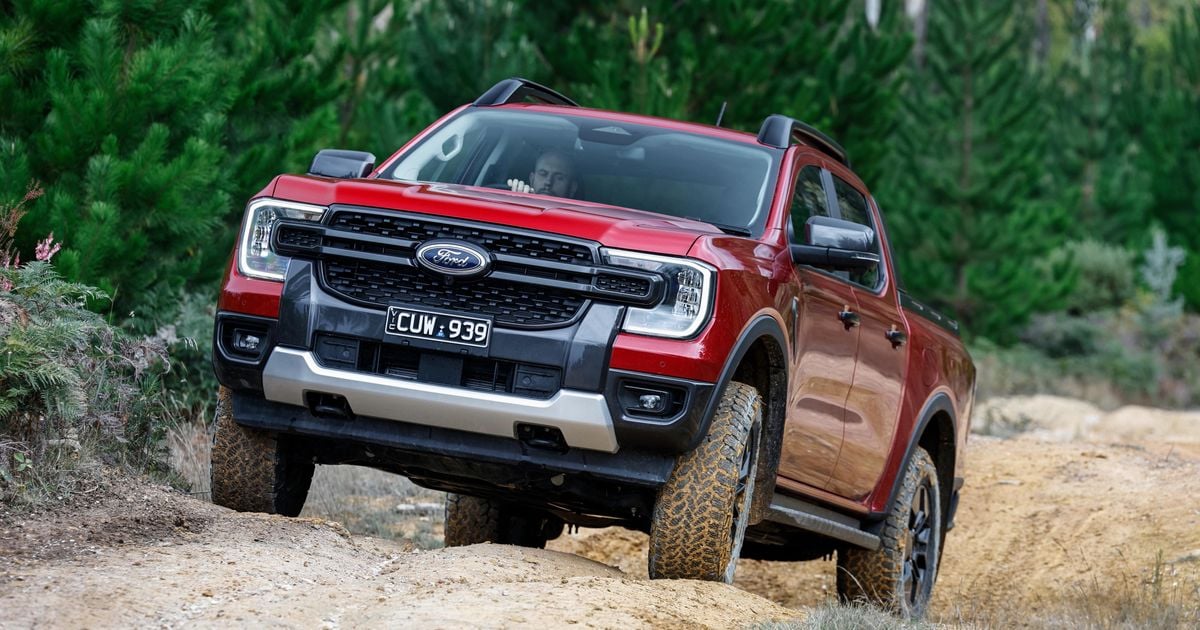
Australia’s new‑vehicle market hit a new record of 1,241,037 sales in 2025, but behind the breakdown of combustion-powered, hybrid, plug-in hybrid and electric cars, there is data that shows which buyer group was most attracted to which vehicle type.
At a high level, buyers are splitting into four distinct camps: battery-electric vehicles (EVs), plug‑in hybrids (PHEVs), hybrids (HEVs), and the still-dominant world of petrol- and diesel-powered vehicles – including mild-hybrids (MHEVs).
Based on 2025 volume, that looks like:
EVs: 103,270 sales (8.3 per cent of the market) – including just two hydrogen fuel-cell electric vehicles (FCEVs)PHEVs: 53,484 sales (4.3 per cent) – including a small slice of extended‑range electric vehicles (EREVs)Hybrids (no‑plug): 199,133 sales (16.0 per cent) – conventional hybrids plus self-charging systems like Nissan e‑PowerCombustion (petrol/diesel, including MHEVs): 884,944 sales (71.3 per cent)
CarExpert can save you thousands on a new car. Click here to get a great deal.
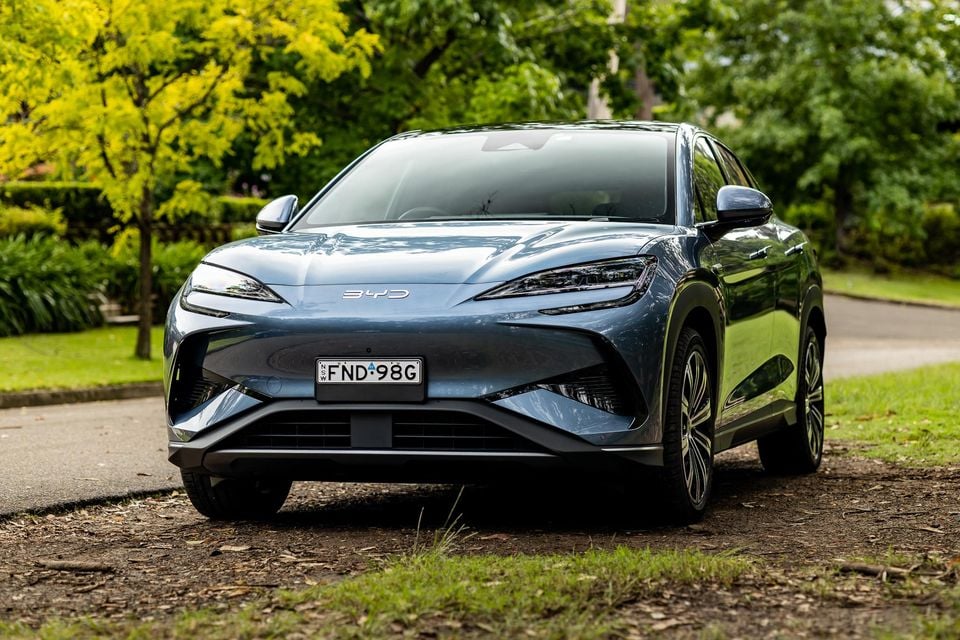
The numbers show EVs are now a meaningful part of the market but they’re still largely a private and business purchase, not a rental one.
PHEVs are even more private buyer‑led, and rental fleets have barely touched them.
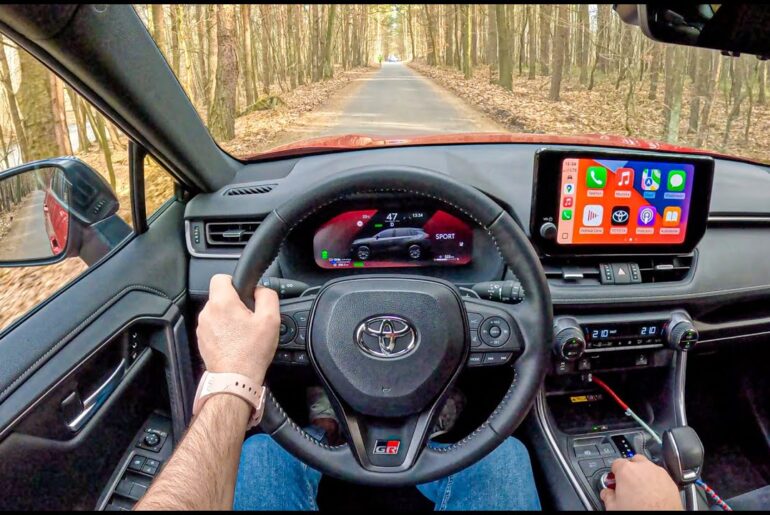
Regular hybrids are no longer a niche ‘electrified’ footnote, thanks in large part to Toyota. They’re a mainstream chunk of the market and, importantly, they have a much healthier rental market presence than EVs or PHEVs, suggesting they’ve become the low‑risk fuel‑saving option for fleets.
Meanwhile, combustion vehicles (petrol/diesel plus mild-hybrids) remain the default choice across every buyer group simply because they still account for more than seven in every 10 new vehicles sold.
EVs
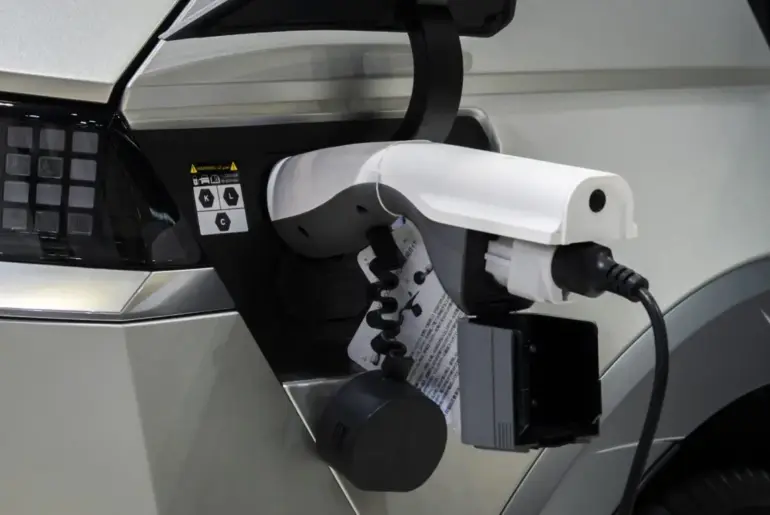
In 2025, Australians bought 103,270 battery-electric vehicles, accounting for around 8.3 per cent of the total market.
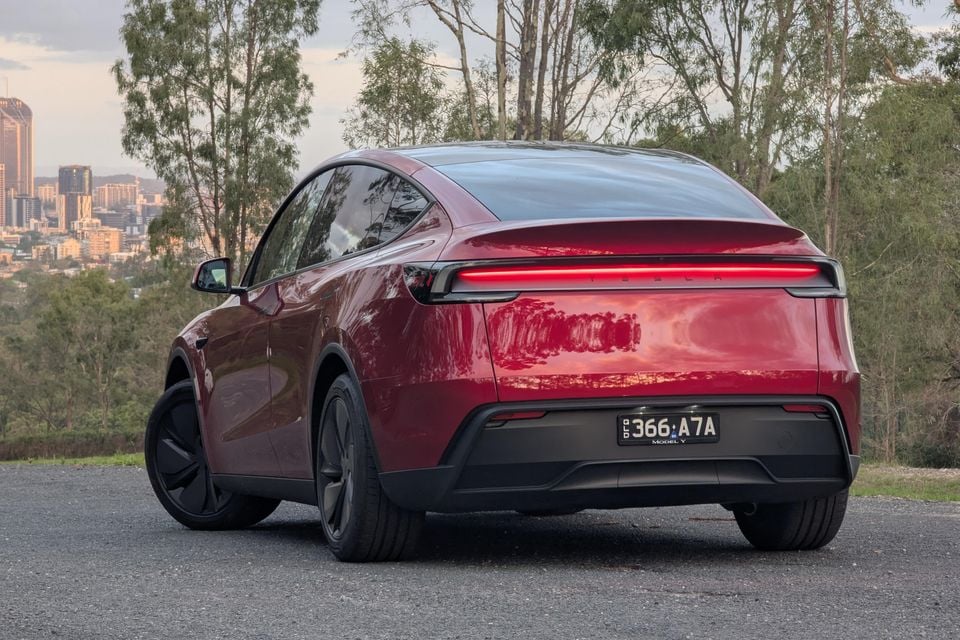
EVs were driven primarily by private buyers, but business remained a major contributor apart from rental companies which were barely involved.
Across EV sales where buyer type could be split cleanly, EVs were 66.2 per cent private and 31.1 per cent business.
That’s a very different profile to conventional petrol/diesel vehicles, for which rental buyers represent a much more meaningful slice of demand.
PHEVs
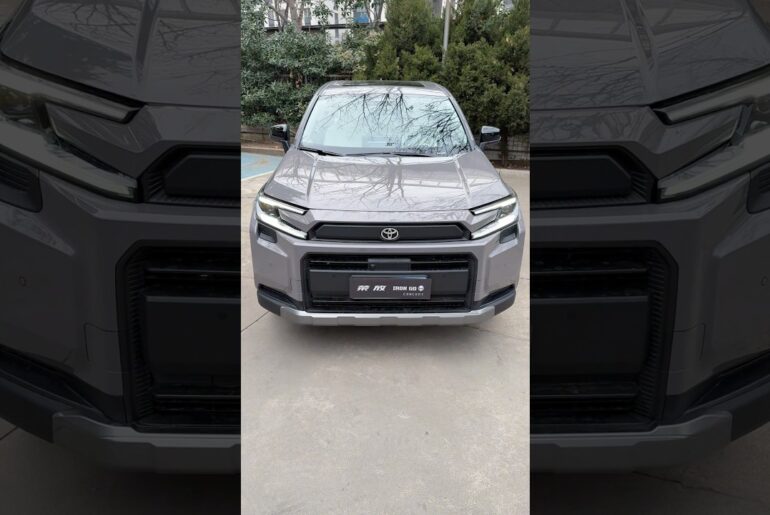
In 2025, 53,484 plug‑in hybrids were sold – 4.3 per cent of the total market – making them the most private buyer‑led of the major powertrain categories.
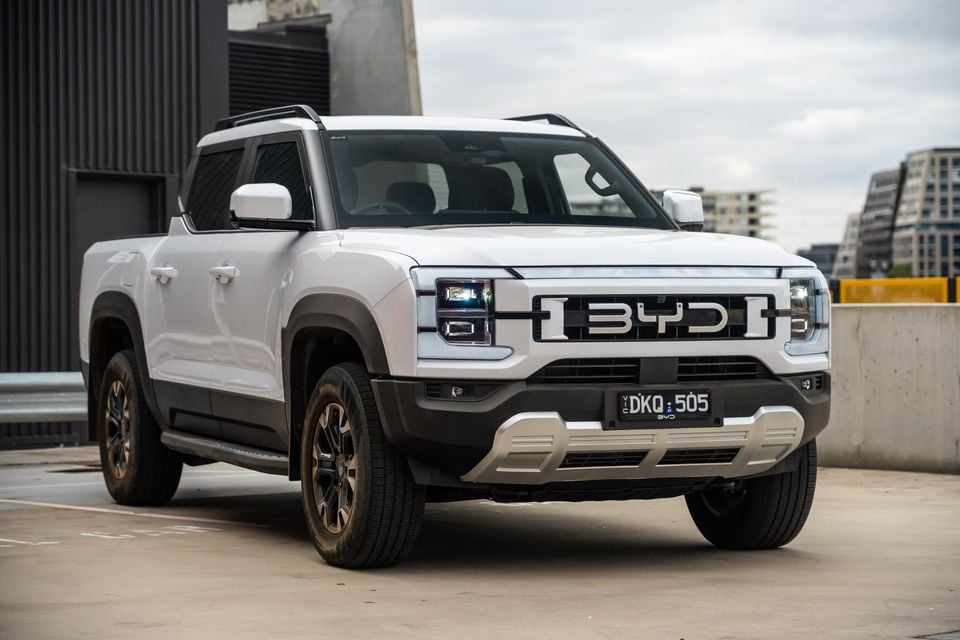
The plug‑in hybrid split is as follows:
Private buyers: 34,758 (65.3 per cent)Business: 17,652 (33.1 per cent)Government: 664 (1.2 per cent)Rental: 175 (0.3 per cent)Hybrids
Hybrids (totalling 199,133) have become a mainstream part of what Australians are buying, and they’re also shaping fleet behaviour.
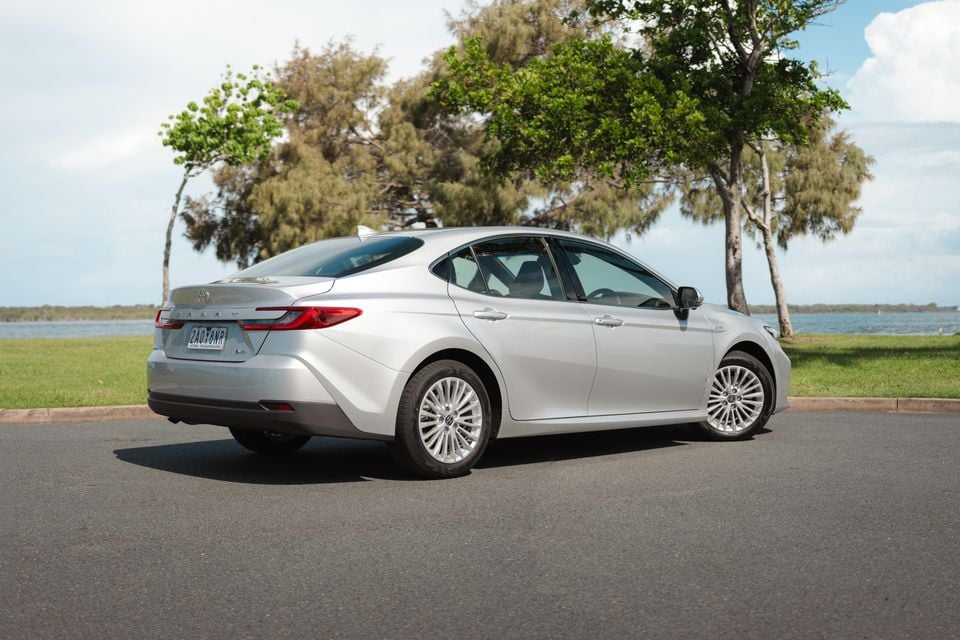
The hybrid split by buyer type looks like this:
Private: 115,588 (58.0 per cent)Business: 59,549 (29.9 per cent)Government: 7,575 (3.8 per cent)Rental: 16,421 (8.2 per cent)
Conventional hybrids had the highest rental share of the three “no‑plug” sub-categories (petrol/diesel-only, mild-hybrids, and conventional hybrids). Rentals accounted for 16,157 hybrid sales in 2025 – 8.3 per cent of all hybrids – compared to 6.4 per cent of petrol/diesel-only vehicles and 3.2 per cent of mild-hybrids.
That suggests hybrids have become the “low‑risk electrification” option for fleets that want better fuel economy without changing refuelling habits or charging infrastructure.
Petrol and diesel
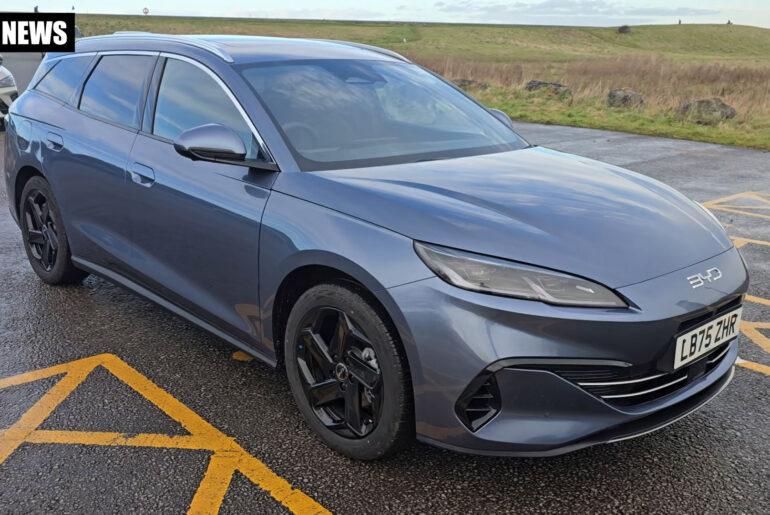
If we combine petrol/diesel vehicles and mild-hybrids (which includes members of the Toyota HiLux, Mazda CX-80 and Suzuki Swift lineups), that tallies up to 884,944 sales in 2025 – 71.3 per cent of the entire market.
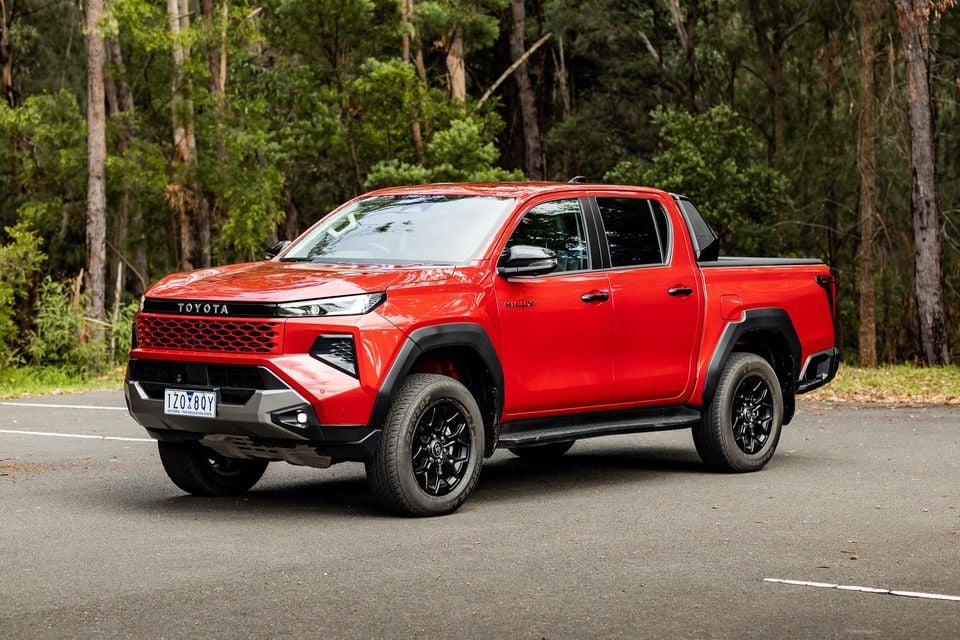
Of this, mild-hybrids accounted for 94,642 sales.
The overall combustion (plus mild hybrid) bucket splits by buyer type as follows:
Private: 408,938 (46.2 per cent)Business: 398,591 (45.0 per cent)Government: 24,024 (2.7 per cent)Rental: 53,391 (6.0 per cent)
It’s a much more balanced picture than EVs or plug‑in hybrids. Private buyers still lead, but business is close behind, and rental remains a meaningful part of demand.
Overall, it appears that while EVs are growing, they’re largely being bought by private customers and businesses (which we would hazard a guess includes small-business ABN holders) but not rental agencies.
Plug‑in hybrids have become a major second wave, even more private-led than EVs, and almost completely absent from rental fleets. And while petrol and diesel vehicles still dominate in terms of volume, hybrids – especially conventional hybrids – are now a core part of Australia’s ‘combustion-era’ market, including a meaningful slice of fleet demand.
MORE: VFACTS 2025: Another record year for new vehicle sales in Australia, but growth modest overall